

Close Menu
Healthtost
  • News
  • Mental Health
  • Men’s Health
  • Women’s Health
  • Skin Care
  • Sexual Health
  • Pregnancy
  • Nutrition
  • Fitness
  • Recommended Essentials
What's Hot

Some Postpartum Thoughts – Tony Gentilcore

June 21, 2026

Prolonged use of Instagram can change the way the brain perceives our body

June 21, 2026

Causes, Treatment and Treatment Tips – Vuvatech

June 21, 2026
Facebook X (Twitter) Instagram
  • About Us
  • Contact Us
  • Privacy Policy
  • Terms and Conditions
  • Disclaimer
Facebook X (Twitter) Instagram
Healthtost
SUBSCRIBE
  • News

    Prolonged use of Instagram can change the way the brain perceives our body

    June 21, 2026

    NYU Langone Performs World’s First HIV-to-HIV Lung Transplant

    June 21, 2026

    Zebrafish study links altered neuronal genes to states of hyperarousal

    June 20, 2026

    Scientists find mechanism behind bird flu in dairy cattle

    June 20, 2026

    Scientists have developed a wearable robotic system to restore hand function

    June 19, 2026
  • Mental Health

    five tips from influential thinkers to calm your nerves

    June 19, 2026

    10 Ways to Find Your Purpose as a Married Woman

    June 17, 2026

    Performing under pressure? For athletes it depends on 3 main things

    June 14, 2026

    GLP-1 drugs like Ozempic promise more than just weight loss. But what is science versus hype?

    June 10, 2026

    Expectations of Indian Daughters: 10 Weird

    June 8, 2026
  • Men’s Health

    Higher BMI increases risk of 19 cancers as global review widens obesity-cancer link

    June 17, 2026

    Lane 1 of the track

    June 16, 2026

    What do I eat in a day?

    June 16, 2026

    Looking for love in all the right places: Healing the wounds that undermine our relationships

    June 15, 2026

    Fathers shape childhood obesity risk long before birth

    June 10, 2026
  • Women’s Health

    Causes, Treatment and Treatment Tips – Vuvatech

    June 21, 2026

    Lara Kerner on music, fitness and life without limits

    June 19, 2026

    Jamie-Lynn Sigler says parenting through MS takes a ‘tough village’

    June 19, 2026

    How to Monitor Core Body Temperature (Step by Step)

    June 18, 2026

    Soprano star Jamie-Lynn Sigler talks about multiple sclerosis

    June 18, 2026
  • Skin Care

    DIY Castor Oil Eye Serum Roll On

    June 19, 2026

    What is my skin type and why it matters

    June 18, 2026

    Ingredient Spotlight: Betaine – Woohoo Body

    June 17, 2026

    The best waterproof eyeliner for sensitive eyes and allergies

    June 16, 2026

    What is shea butter? Benefits & Uses

    June 16, 2026
  • Sexual Health

    Menopause and sexual health | American Association for Sexual Health

    June 20, 2026

    Hormone therapy: Testosterone and its use in sexual health

    June 20, 2026

    4 Reasons to Do Pelvic Floor Exercises (and How!)

    June 19, 2026

    Fildena 120 How It Works

    June 18, 2026

    Abortion bans, restrictions could cost US economy $140 billion: New report

    June 17, 2026
  • Pregnancy

    What to consider when choosing a stem cell bank in India

    June 21, 2026

    Should women over 30 take creatine? – Pink stork

    June 20, 2026

    Hidradenitis suppurativa: When HS joins the journey of pregnancy

    June 20, 2026

    Growing up with a fitness icon for a mom prepared Katie Austin for just about anything. Pregnancy was a different story.

    June 19, 2026

    Decode your Fingerprint. Rewire Your Parenting – From Birth Story to Conscious Motherhood

    June 18, 2026
  • Nutrition

    Heart-healthy hot sauce: Fire up the flavor, watch the salt

    June 21, 2026

    20 High-Protein Snacks for Busy Moms (Prep and Go)

    June 19, 2026

    Fluffy Cottage Cheese Chocolate Cookies for Kids

    June 18, 2026

    Fluffy Indian basmati rice

    June 17, 2026

    Arrae Tone Gummies: A New Marketing Grift

    June 15, 2026
  • Fitness

    Some Postpartum Thoughts – Tony Gentilcore

    June 21, 2026

    The best sleep routine for men over 50 who want more energy

    June 20, 2026

    Is it a good source?

    June 20, 2026

    How to Stay Active and Get Your 10,000 Daily Steps in Auto-centric Houston

    June 18, 2026

    ‘Squatter Hunter’ Flash Shelton Reveals The Scaling Tactics That Help Him Reclaim Homes Safely

    June 16, 2026
  • Recommended Essentials
Healthtost
Home»News»How a man defied his genetic fate for nearly two decades
News

How a man defied his genetic fate for nearly two decades

healthtostBy healthtostFebruary 12, 2025No Comments6 Mins Read
Facebook Twitter Pinterest LinkedIn Tumblr Reddit WhatsApp Email
How A Man Defied His Genetic Fate For Nearly Two
Share
Facebook Twitter LinkedIn Pinterest WhatsApp Email

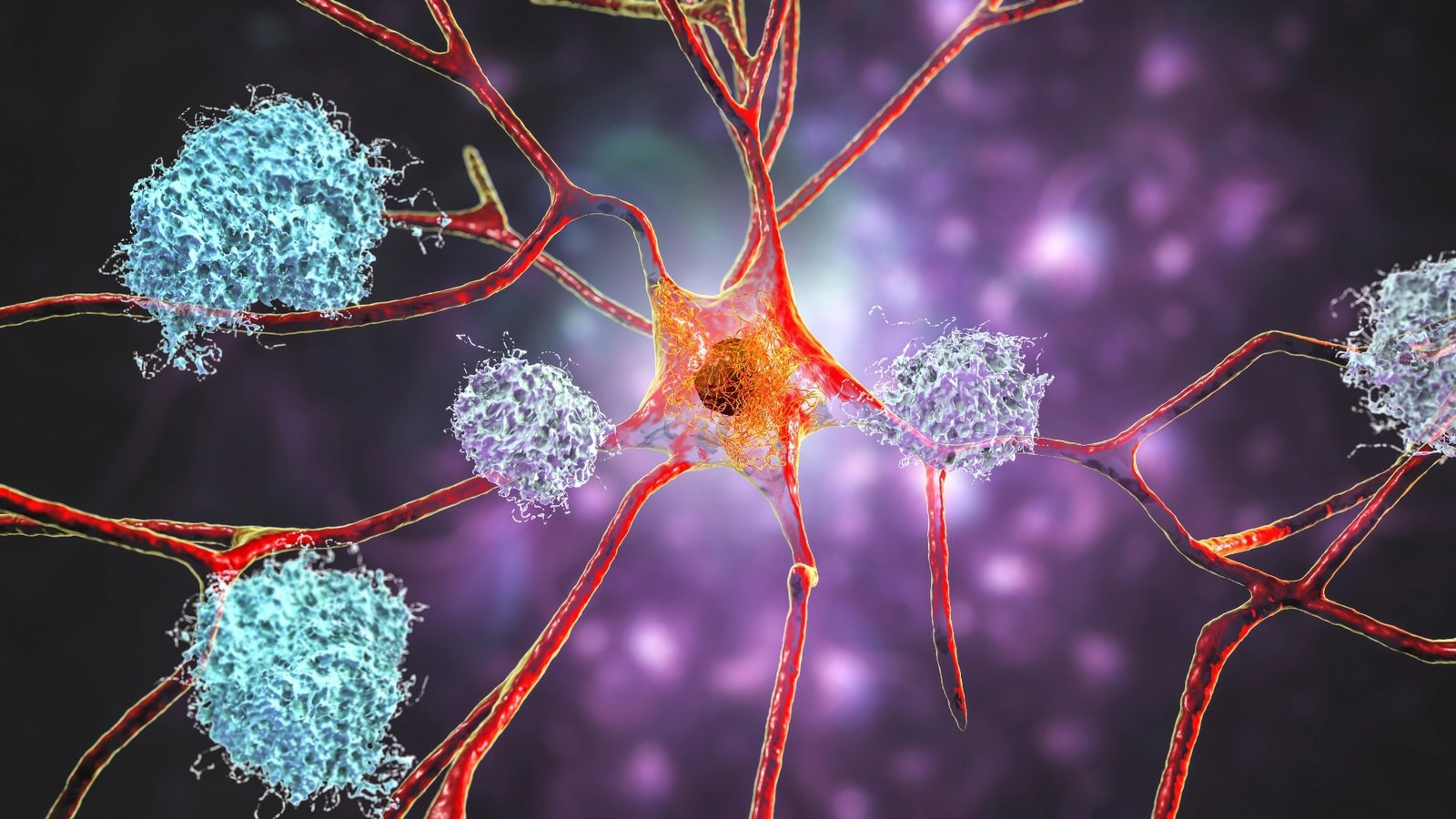
Scientists have discovered a rare case of Alzheimer’s gene vector, which remained without symptoms for 18 years beyond the expected appearance, revealing potential genetic, environmental and proteinism agents.

Study: Timeless analysis of a dominant hereditary Alzheimer. Credit Picture: Kateryna Kon / Shutterstock

In a recent study in the magazine Natural medicineThe researchers conducted an over time studying multiple homosexuals in a dominant hereditary participant in the Alzheimer’s network (DIAN), who presented excellent resistance to Alzheimer’s disease (AD). Despite the transfer of a dominant Presenilin 2 (Psen2) P.Sn141ile mutation, a well -known genetic relationship with Alzheimer’s disease (AD), the participant did not present advertising symptoms even 18 years beyond the expected appearance of the situation.

To unfold the reasons for this remarkable durability, the study used several genetic and molecular analyzes (whole version and the whole genome) to the participant and their close relatives with high resolution in vivo neuroimaging (LC-MS/MS, Lumipulse G1200 Immuno-Definitions and Proteinous/Metabolic Profile of Endered Liquid. Naval engineer.

Background

Alzheimer’s disease (AD) is a progressive neurological condition resulting from the collapse and degeneration of brain and neuron cell connections. Its main symptoms include reductions in memory and cognitive ability that worsen over time, significantly preventing daily functioning.

Unfortunately, despite decades of research, a treatment for AD has not yet been discovered, with current therapeutic interventions aimed at early detection and delayed development of symptoms. However, this research has identified basic genetic signatures of AD, with several alleles that are now known to contribute to the risk and age of diseases at initiation (AAO).

A suitable example of this is “Alzheimer’s (Diad) inheritance”, a relatively rare subset of patients with AD whose genetic -melagyls in parasilin 1 (PSEN1), Presenilin 2 (PSEN2) or Protion Amyloid (App) – Event of Advertising . These genes play critical roles in the processing of amyloid protein protein (app) and amyloid-B pathology and, along with family history, can predict AAO with high precision.

Dian and the subject of the case study

The dominant hereditary network Alzheimer’s (Dian) is a large group, a multinational, timeless study aimed at creating a world register of Diad patients and their family members. Since its founding in 2008, Dian has recruited more than 530 participants, all except three of whom have developed Diad in or around the planned AAOS.

The whole-existence sequence of the two previously discovered deviations revealed homozygous genetic mutations (Apoe3-christchurch (P.ARG136SER) and RELN-COLBOS (P.HIS3447ARG)) that offered strong protection from the start and led to their name as ” “The third Outlier is the subject of this study, which remains free from Diad, despite being between 15 and 22 years older than the foreseen AAO. Unlike previous stocks, this person lacks these known protective mutations, making their durability even more remarkable.

“The P.Asn141ile variant has an average symptomatic AAO of 53.7 years (range 39-58) and its origin can be detected in people who initially live in two small neighboring German villages of Volga.”

For the study

The present study utilizes the longitudinal data of clinical, genetics, neuroimaging and biomarkers by the DIAN study to explore potential protective mechanisms that prevent DIAD from a participant with a strong genetic predisposition and a family history of the situation.

The study data included detailed neurological and neurological evaluations for a ten -year period, without revealing signs of cognitive impairment. The participant has steadily scored 30 in the mini-conventional examination (MMSE) and 0 on the clinical dementia scale (CDR), indicating full cognitive function.

Genetic and molecular data included a whole-external sequence and sequence of the entire genome of the participant and the close members of the family (n = 4 and 14, respectively).

High resolution (MRI) magnetic coordination scans for the detection of atrophic processes, microcosms, amyloid burden or small vessel disease markers were conducted. Participant’s positron emission tomography (PET) revealed an unusual finding: TAU pathology was confined to the left area of ​​the occipital area without proven spreading in other areas of the brain, a standard not usually observed in DIAD patients.

Finally, cerebrospinal fluid tests (CSF) showed a high amyloid load comparable to other DIAN participants with DIAD mutations, suggesting that amyloid accumulation does not determine the progress of the disease.

Study findings

Immunological tests confirmed that the participant had high amyloid deposition similar to coincidental Diad mutation carriers. However, unlike other cases, the TAU pathology remained confined to the occipital lobe, without the widespread spreading that is usually associated with the cognitive decrease in AD.

In addition, the participant did not develop significant spatial or visual lesions despite the TAU loads equal or exceed those found in the posterior cortical atrophy. Interestingly, this TAU deposition standard was also observed in the two previously mentioned APOE3-Christchurch and Reln-Colbos, indicating a possible mechanism of common durability.

The study also identified several genetic variations that may contribute to durability, including regulation of the GPCPD1 enzyme (involved in choline metabolism), a variant in the CD33 gene (previously linked to the form of AD risk) and the modifications to the AD) and modifications MAPT, which can affect tau pathology.

In addition, protein -like analysis has revealed a hyperpopsy of protein thermal shock, which play key roles in protein folding and cell stress responses. These findings indicate a possible relationship between the chronic exposure to heat in the profession of participant and improved molecular resistance mechanisms.

Conclusions

The present study included an in -depth analysis of genetic, clinics, neuroimaging and proteinmatic factors in an “extraordinary carrier of resilience” that remains without diameters despite being ~ 18 years beyond the expected AAO.

While the study has identified several promising genetic and protein indicators, it does not detect a single protective agent responsible for the resilience of the participant.

“This research could have a widespread impact on the development of treatments aimed at alleviating TAU pathology on the wider advertising population. Understanding mechanisms that limit the spread of TAU to this person could provide critical knowledge to potential therapeutic goals To prevent or slow down the evolution of the ad.

Magazine report:

  • Llibre-Guerra, JJ, Fernandez, MV, Joseph-Mathurin, N. et al. The timeless analysis of a dominant hereditary transformation carrier of Alzheimer’s disease is protected by dementia. NAT MED (2025), DOI-10.1038/S41591-025-03494-0,
Decades defied fate genetic man
bhanuprakash.cg
healthtost
  • Website

Related Posts

Prolonged use of Instagram can change the way the brain perceives our body

June 21, 2026

NYU Langone Performs World’s First HIV-to-HIV Lung Transplant

June 21, 2026

Zebrafish study links altered neuronal genes to states of hyperarousal

June 20, 2026

Leave A Reply Cancel Reply

Don't Miss
Fitness

Some Postpartum Thoughts – Tony Gentilcore

By healthtostJune 21, 20260

I know, I know…I’m a dude.What could I do? probably I must say when it…

Prolonged use of Instagram can change the way the brain perceives our body

June 21, 2026

Causes, Treatment and Treatment Tips – Vuvatech

June 21, 2026

Heart-healthy hot sauce: Fire up the flavor, watch the salt

June 21, 2026
Stay In Touch
  • Facebook
  • Twitter
  • Pinterest
  • Instagram
  • YouTube
  • Vimeo
TAGS
Baby benefits body brain cancer care Day Diet disease exercise finds Fitness food Guide health healthy heart Improve Life Loss Men mental Natural Nutrition Patients Pregnancy protein research reveals risk routine sex sexual Skin Skincare study Therapy Tips Top Training Treatment ways weight women Workout
About Us
About Us

Welcome to HealthTost, your trusted source for breaking health news, expert insights, and wellness inspiration. At HealthTost, we are committed to delivering accurate, timely, and empowering information to help you make informed decisions about your health and well-being.

Latest Articles

Some Postpartum Thoughts – Tony Gentilcore

June 21, 2026

Prolonged use of Instagram can change the way the brain perceives our body

June 21, 2026

Causes, Treatment and Treatment Tips – Vuvatech

June 21, 2026
New Comments
    Facebook X (Twitter) Instagram Pinterest
    • About Us
    • Contact Us
    • Privacy Policy
    • Terms and Conditions
    • Disclaimer
    © 2026 HealthTost. All Rights Reserved.

    Type above and press Enter to search. Press Esc to cancel.