


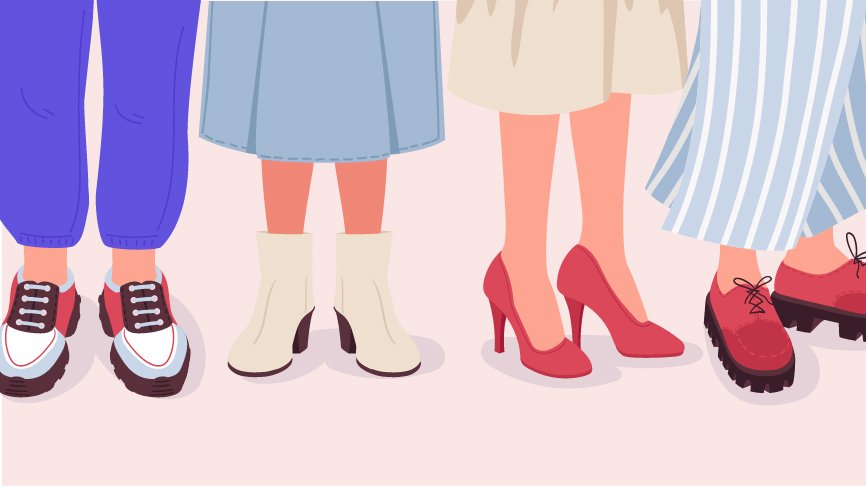
With 26 bones, 33 joints, over 100 muscles, tendons and ligaments and thousands of nerve endings, the human foot is arguably one of the most complex structures in our body. It’s also one of the most vital: our feet support all our weight, keep us upright and act as shock absorbers for every step we take.
However, instead of protecting them, many women subject their feet to “skinny” shoes. Driven by societal pressures to live up to an aesthetic ideal, we often sacrifice our health for fashion. The price? Potentially irreversible damage to our legs, musculoskeletal structure and circulatory system.
Statistics say: 80% of patients with foot problems are womenand 90% of these issues they come from habitual use of stilettos, narrow-toed shoes, or non-breathable synthetic materials.
Common foot injuries caused by improper footwear
1. Calluses
This is a thickening of the skin formed by the accumulation of dead cells due to constant pressure and friction. Although they are often dismissed as a cosmetic issue, they can cause pain, stretch marks and infections, ultimately changing your gait and posture.
2. Bunions (Hallux Valgus)
A bony deformity at the base of the big toe. Symptoms include inflammation and chronic pain. If left untreated, bunions can lead to secondary problems such as bursitis, hammertoes or metatarsalgia.
3. Folliculitis
This is inflammation of the bursa – small sacs filled with fluid that soften the joints. It results in swelling, stiffness and sharp pain in the toes and feet.
4. Hammertoes and Claws
This deformity causes abnormal bending of the finger joints. Over time, this curvature becomes permanent, making walking difficult and painful.
5. Metatarsalgia
Sharp pain in the ball of the foot (the metatarsal). This area is crucial for shock absorption and weight distribution. when it fails, postural stability is compromised.
6. Morton’s neuroma
A thickening of the tissue around the digital nerve (usually between the third and fourth toes), causing a “walking on marble” sensation, sharp pain or numbness.
The Domino Effect: Postural and Muscular Posture Changes
When standing barefoot, the ball of the foot rests approx 43% of your weight, while the heel takes 57%. High heels twist this ratio dangerously.
Physical consequences include:
- Shortened calves: The Achilles tendon loses its flexibility and the calf muscles contract.
- Joint overload: Excess pressure is shifted to the ankles and knees.
- Pelvic tilt: To compensate for the forward lean, the quadriceps and hips are forced into an unnatural position.
The effect on the core and pelvic floor
Perhaps the most surprising consequence is the relationship between high heels and pelvic floor dysfunction. Constant use of heels weakens the “core” and can lead to:
- Urinary incontinence
- Prolapse of organs (bladder or uterus)
- Sexual dysfunction (such as anorgasmia)
Traffic problems: Beyond the surface
Inappropriate footwear disrupts the “muscle pump” of the legs, making it harder for blood to return to the heart. This leads to Venous Insufficiencywhich affects women five times more often than men.
- Chronic Venous Disease: Symptoms include varicose veins, edema (swelling) and heaviness in the legs.
- Phlebitis: Inflammation of a vein that can escalate Thrombosisa blood clot that increases the risk of a heart attack or stroke.
How to choose the right shoes: The 4 golden rules
- Heel Height: The ideal height is between 3 and 5 cm (1.2 to 2 inches). Contrary to popular belief, completely flat shoes on hard surfaces can cause plantar fasciitis. However, walking barefoot on soft surfaces (sand or grass) is very beneficial.
- Shock absorption: Look for footbeds and midsoles that provide enough cushioning to protect your knees and back.
- Width and length: Your toes should be able to move freely. Avoid tight “pointy” shoes that crush the toes together.
- Material: Give priority to natural materials that breathe, such as leather, linen or organic cotton. Avoid stiff synthetics.
Expert advice on reducing the damage
- Pelvic Floor Training: Use Kegel exercises or biofeedback devices to regain muscle tone.
- Strengthen your core: Do yoga, pilates or swimming. Avoid high-intensity sports if you already suffer from pelvic hypertonicity.
- Foot hygiene: Use specific foot creams to nourish the skin rather than harsh exfoliants that can leave the foot vulnerable to infection.
- Self-massage: Massage your legs from the feet up to the hips twice a day using a “cold effect” gel to stimulate circulation.
- Active stretching: Stretch your calves and Achilles tendons regularly to counteract shortening caused by heels.
Conclusion: Reclaiming your movement
The phrase “Give a girl the right shoes and she can conquer the world” often attributed to Marilyn Monroe. But “right” doesn’t have to mean “painful.”
From Sarah Jessica Parker admitting to permanent damage to her feet from years of wearing stilettos, to stars like Julia Roberts walking barefoot on red carpets in protest, the tide is turning. Feminist icons such as Germaine Greer have long characterized high heels as symbols of bodily limitation.
It’s time to rebel against footwear that destroys our health. Choose shoes that empower your movement, not shoes that hold you back. Choose the right shoes and truly conquer the world.
