

Close Menu
Healthtost
  • News
  • Mental Health
  • Men’s Health
  • Women’s Health
  • Skin Care
  • Sexual Health
  • Pregnancy
  • Nutrition
  • Fitness
  • Recommended Essentials
What's Hot

Free and Cheap Things to Do with a Baby (By Season)

July 20, 2026

Editor’s Pick: 10 brands we can’t recommend enough

July 20, 2026

New study redefines high-risk criteria for multiple myeloma

July 20, 2026
Facebook X (Twitter) Instagram
  • About Us
  • Contact Us
  • Privacy Policy
  • Terms and Conditions
  • Disclaimer
Facebook X (Twitter) Instagram
Healthtost
SUBSCRIBE
  • News

    New study redefines high-risk criteria for multiple myeloma

    July 20, 2026

    Frequent TV viewing can damage brain health in the long term

    July 19, 2026

    Political polarization is causing an increase in anti-vaccine legislation across the US

    July 19, 2026

    New ctDNA blood test improves personalized prostate cancer treatment

    July 18, 2026

    Training helps pediatricians to independently treat children’s anxiety and depression

    July 18, 2026
  • Mental Health

    I have spent the last 6 months reading hundreds of poems by young people – I was surprised to find hope, not despair

    July 17, 2026

    Is it okay to be imperfect and still be happy? 6 Challenges

    July 15, 2026

    How can you be tired but wired? Blame it on your stone age brain

    July 12, 2026

    Almost 20% of new mums have anxiety or depression, but a promising psychedelic treatment is on the horizon

    July 7, 2026

    How can ART help us improve our mental health? With 3 Ways

    July 5, 2026
  • Men’s Health

    Considering Shockwave Therapy for ED? Here’s what you need to know

    July 18, 2026

    Does the timing of the blood test affect testosterone levels?

    July 17, 2026

    GLP-1 receptor activation is associated with lower odds of depression and bipolar disorder

    July 16, 2026

    The cost of neurophobia in Canadian medical education

    July 16, 2026

    I did red light therapy for 3 months so I shouldn’t have

    July 15, 2026
  • Women’s Health

    The O-Shot®: Beyond the Buzzwords, A Guide to Regenerative Medicine for Women’s Sexual Health

    July 19, 2026

    Understanding Breast Cancer – Life Among Women

    July 19, 2026

    5 Signs of an Unhealthy Relationship

    July 17, 2026

    Understanding withdrawal symptoms from common substances

    July 17, 2026

    Exclusive Interview with Valentina Bìssoli: Italian Fashion Model on Beauty, Confidence and Self-Love

    July 16, 2026
  • Skin Care

    Repêchage® wins AAEI’s 2026 Small Business Exporter of the Year award

    July 19, 2026

    K-Beauty for Celiac Disease and Allergic Skin: What Really Works and

    July 18, 2026

    Shea butter for hair: Benefits and uses

    July 17, 2026

    Your First Men’s Facial: What to Expect at Joanna Vargas

    July 16, 2026

    Summer skin care tips for sensitive skin – why your skin suddenly breaks out

    July 15, 2026
  • Sexual Health

    The Step-by-Step Reality of a No-Needle, No-Scalpel Vasectomy in the Labyrinth

    July 19, 2026

    Why more women are choosing hormone replacement therapy (HRT) at Maze Women’s Health

    July 19, 2026

    S*x in the Shadows of Big Tech

    July 18, 2026

    Do STD rates increase during major events like the World Cup?

    July 17, 2026

    How to Become a Sex Therapist — Sexual Health Alliance

    July 16, 2026
  • Pregnancy

    Free and Cheap Things to Do with a Baby (By Season)

    July 20, 2026

    Foods to avoid during pregnancy for a healthy mom and baby

    July 19, 2026

    What are the best multivitamins for women? – Pink stork

    July 18, 2026

    What are protein supplements during pregnancy and breastfeeding?

    July 17, 2026

    Exercise Wall Angels During Pregnancy: A Step-by-Step Guide

    July 15, 2026
  • Nutrition

    Erythritol and Heart Health: Safe or Dangerous?

    July 19, 2026

    IM8 Review: Slip it on like Beckham?

    July 19, 2026

    5 Signs You’re Dealing With Burnout

    July 18, 2026

    Creamy tuna pasta salad with lemon and capers • Kath Eats

    July 17, 2026

    Do Cranberries and Pumpkin Seeds Help an Enlarged Prostate?

    July 16, 2026
  • Fitness

    Editor’s Pick: 10 brands we can’t recommend enough

    July 20, 2026

    The Best Glutathione Supplements | mindbodygreen

    July 18, 2026

    207: What Your Doctor Doesn’t Test | Thyroid, Hormones and Getting Real Answers with Ashley Cruz Arata

    July 17, 2026

    Getting stronger is corrective – Tony Gentilcore

    July 16, 2026

    7 Uplifting Emotional Benefits of Cooking

    July 16, 2026
  • Recommended Essentials
Healthtost
Home»News»Frequent TV viewing can damage brain health in the long term
News

Frequent TV viewing can damage brain health in the long term

healthtostBy healthtostJuly 19, 2026No Comments4 Mins Read
Facebook Twitter Pinterest LinkedIn Tumblr Reddit WhatsApp Email
Frequent Tv Viewing Can Damage Brain Health In The Long
Share
Facebook Twitter LinkedIn Pinterest WhatsApp Email

“Turn off the TV, it will rot your mind!” has been a household refrain for decades. While “rot” may be too strong a term, the researchers note that the general sentiment could have some value.

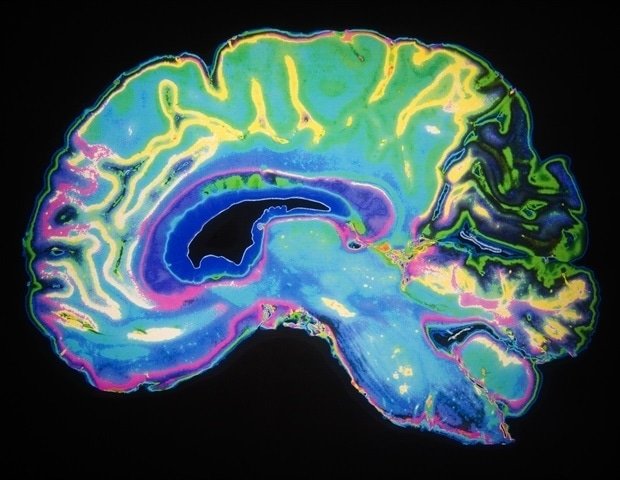
A study recently published in Alzheimer and Dementia: Journal of the Alzheimer’s Association revealed that those who reported watching television “very often” in middle age later showed reduced volume in brain regions associated with memory, smaller frontal and occipital lobes, and areas of brain white matter damage associated with aging, stroke risk, cognitive decline, and dementia.

For years we have focused on how much people sit. Our findings suggest that we should also pay attention to what they do while sitting.”


David Raichlen, professor of biological sciences and anthropology in the USC Dornsife College of Letters, Arts and Sciences and senior author of the study

The findings were not just due to the sedentary nature of television viewing. The study found that other types of sedentary activities did not have the same associations, indicating that what one does while sitting may matter much more than previously thought.

Track changes

Researchers analyzed data from about 1,700 adults, mean age 53, who were enrolled in the Atherosclerosis Risk in Communities (ARIC) Study between 1987 and 1989. ARIC is a long-term study of the US population designed to investigate cardiovascular and brain health.

Participants were asked how often, on a scale ranging from ‘never/rarely’ to ‘very often’, they watched TV in their free time and how much of their working day was spent sitting.

More than two decades later, the participants underwent brain MRIs. Compared to people who reported they “never” or “rarely” watched TV, those who watched TV “very often” showed extensive structural differences in the brain.

The researchers found smaller volumes in areas associated with early signs of Alzheimer’s disease and more volumes of hyperintense white matter, a marker of brain small blood vessel disease associated with cognitive decline and dementia. These participants also had smaller occipital and frontal lobes, areas associated with visual processing and executive function.

The differences remained even when the researchers controlled for factors such as physical activity, diabetes, body mass index, smoking and alcohol use.

It’s worth noting that the researchers relied on self-reported TV consumption data, which may be less accurate than timed viewing. Study participants also did not undergo a baseline MRI. Future research could begin with a baseline MRI to more specifically demonstrate changes over time.

Not all seats are the same

Strikingly, the sedentary component of TV viewing did not appear to be the main driver of these changes.

Those who reported high amounts of sitting at work actually had larger frontal and occipital lobes, as well as reduced white matter hyperintensity volumes, suggesting better brain health compared to those who sit to watch TV. This could be due to the intellectually stimulating nature of many jobs, the study authors say.

Men appeared to be particularly vulnerable to these changes. When the MRIs were separated by gender, the researchers found that most of the changes in the brain, from both TV watching and occupational sitting, were seen in men.

Such findings suggest that there is still more research to be done on this complex topic. However, we may eventually see a different approach to health guidance around sedentary activities. Instead of simply directing their patients to move more, for example, doctors might recommend reducing TV time and adding cognitively engaging activities when sitting.

“We often encourage the public not to spend too much time sitting, but experts may want to expand this recommendation to include activities done while sitting, as these appear to have distinct effects on brain health,” says corresponding study author Natan Feter, a postdoctoral scholar in the Human and Evolutionary Biology program at USC Dornsife.

Source:

University of Southern California

Journal Reference:

Fetter, N., et al. (2026). Associations of distinct sedentary behaviors with cortical, subcortical, and white matter hyperintensity volumes: Evidence from the ARIC study. Alzheimer’s & Dementia. DOI: 10.1002/alz.71582.

brain damage Frequent health long term viewing
bhanuprakash.cg
healthtost
  • Website

Related Posts

New study redefines high-risk criteria for multiple myeloma

July 20, 2026

Erythritol and Heart Health: Safe or Dangerous?

July 19, 2026

The O-Shot®: Beyond the Buzzwords, A Guide to Regenerative Medicine for Women’s Sexual Health

July 19, 2026

Leave A Reply Cancel Reply

Don't Miss
Pregnancy

Free and Cheap Things to Do with a Baby (By Season)

By healthtostJuly 20, 20260

Somewhere around the eighth week, the newborn fog lifts enough that you can look around…

Editor’s Pick: 10 brands we can’t recommend enough

July 20, 2026

New study redefines high-risk criteria for multiple myeloma

July 20, 2026

Erythritol and Heart Health: Safe or Dangerous?

July 19, 2026
Stay In Touch
  • Facebook
  • Twitter
  • Pinterest
  • Instagram
  • YouTube
  • Vimeo
TAGS
Baby benefits body brain cancer care Day Diet disease exercise finds Fitness food Guide health healthy heart Improve Life Loss Men mental Natural Nutrition Patients People Pregnancy research reveals risk routine sex sexual Skin Skincare study Therapy Tips Top Training Treatment ways weight women Workout
About Us
About Us

Welcome to HealthTost, your trusted source for breaking health news, expert insights, and wellness inspiration. At HealthTost, we are committed to delivering accurate, timely, and empowering information to help you make informed decisions about your health and well-being.

Latest Articles

Free and Cheap Things to Do with a Baby (By Season)

July 20, 2026

Editor’s Pick: 10 brands we can’t recommend enough

July 20, 2026

New study redefines high-risk criteria for multiple myeloma

July 20, 2026
New Comments
    Facebook X (Twitter) Instagram Pinterest
    • About Us
    • Contact Us
    • Privacy Policy
    • Terms and Conditions
    • Disclaimer
    © 2026 HealthTost. All Rights Reserved.

    Type above and press Enter to search. Press Esc to cancel.