

Close Menu
Healthtost
  • News
  • Mental Health
  • Men’s Health
  • Women’s Health
  • Skin Care
  • Sexual Health
  • Pregnancy
  • Nutrition
  • Fitness
  • Recommended Essentials
What's Hot

The most underrated skill I wish everyone learned

May 3, 2026

New genetic risk report reveals hidden risk of heart disease before symptoms appear

May 3, 2026

Finding the best lupus treatments

May 3, 2026
Facebook X (Twitter) Instagram
  • About Us
  • Contact Us
  • Privacy Policy
  • Terms and Conditions
  • Disclaimer
Facebook X (Twitter) Instagram
Healthtost
SUBSCRIBE
  • News

    New genetic risk report reveals hidden risk of heart disease before symptoms appear

    May 3, 2026

    Five-target drug beats GLP-1/GIP therapy in obese diabetic mice

    May 3, 2026

    How fast your face ages can predict cancer survival outcomes

    May 2, 2026

    AI scribes save doctors time, but fail to reduce overtime

    May 2, 2026

    Identifying the ages at which Alzheimer’s biomarkers change sharply

    May 1, 2026
  • Mental Health

    Every mental health journey starts with being seen

    May 2, 2026

    What animal studies teach us about toxic work environments

    April 27, 2026

    I hate hope: How to manage hope when you have treatment-resistant bipolar disorder

    April 19, 2026

    Rose Byrne is raw, magnetic and unfiltered as a woman in crisis

    April 18, 2026

    Can a single mother change her child’s surname in India?

    April 16, 2026
  • Men’s Health

    3 Day Home Workout Plan: Build Muscle and Burn Fat

    April 30, 2026

    GLP-1 drugs promise broader health benefits, but experts advise caution on use

    April 28, 2026

    Trauma patients recover faster when medical teams know each other well, new study finds

    April 28, 2026

    I did red light therapy for 3 months so I shouldn’t have

    April 27, 2026

    Sex Secrets for Men Over 40: Surviving Male Menopause

    April 27, 2026
  • Women’s Health

    Finding the best lupus treatments

    May 3, 2026

    What is the difference between UVA and UVB rays?

    May 1, 2026

    Are you a fungus fanatic? We unpack the nutritional trend of mushroom mania

    April 29, 2026

    What the Patients’ Bill of Rights Could Mean for Black Women

    April 29, 2026

    Navigating sexual health during and after cancer

    April 28, 2026
  • Skin Care

    How I Did It: Fading Hormonal Hyperpigmentation Without Lasers

    May 3, 2026

    The truth about waterless care: What your skin really needs

    May 2, 2026

    What happens to your skin while you sleep? (the science of “Beauty Sle

    May 1, 2026

    Face Peeling Mask Guide: Shine Without Irritation

    April 28, 2026

    Is your moisturizing face mist really drying out your skin?

    April 28, 2026
  • Sexual Health

    Early signs of Peyronie’s disease and when to seek help

    May 3, 2026

    Boost erectile health and confidence

    May 1, 2026

    Judicial Restrictions on Abortion COVID-19 < SRHM

    April 30, 2026

    Can herpes affect fertility?

    April 29, 2026

    The Importance of Personalized Care in Medication Assisted Therapy (MAT) Programs I Novus

    April 28, 2026
  • Pregnancy

    Why is anemia during pregnancy high in Indian women?

    May 2, 2026

    5 things you need for the third trimester

    May 1, 2026

    Eating disorders in pregnancy and breastfeeding: Why “healthy eating” is not always easy

    May 1, 2026

    Comprehensive yoga for pregnancy, birth and beyond

    April 29, 2026

    Midwifery and Life – The postnatal health check New mums don’t know they can ask for

    April 28, 2026
  • Nutrition

    A cancer-causing contaminant in drugs and meat

    May 3, 2026

    How Nutrition Supports Mood, Energy and Gut Health

    May 2, 2026

    How to create a self-care plan when you’re stressed

    May 1, 2026

    I answer the most HOT Questions about Fatty Liver

    April 29, 2026

    Why You’re Not Losing Weight After 35 (Even When You Eat Less)

    April 28, 2026
  • Fitness

    The most underrated skill I wish everyone learned

    May 3, 2026

    Landmine Training and Why I Love It – Tony Gentilcore

    May 3, 2026

    9 Powerful Fitness Tips for Pear Shaped Bodies

    May 2, 2026

    If you can still do these 7 things at 60, your body is aging better than most

    May 2, 2026

    A Hike Leader’s Must-Have Kit

    April 30, 2026
  • Recommended Essentials
Healthtost
Home»Pregnancy»Fetal Maternal Microchimerism: Implications for Maternal Health
Pregnancy

Fetal Maternal Microchimerism: Implications for Maternal Health

healthtostBy healthtostAugust 13, 2024No Comments4 Mins Read
Facebook Twitter Pinterest LinkedIn Tumblr Reddit WhatsApp Email
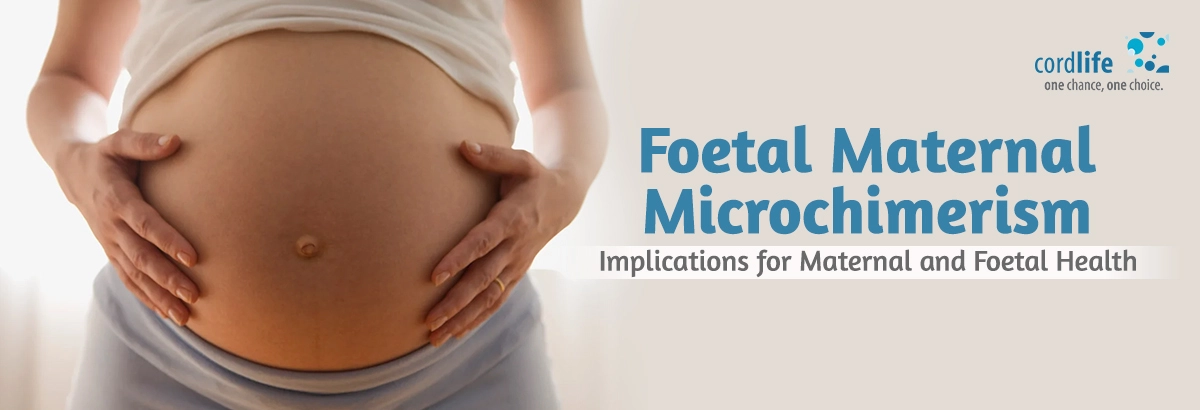
Fetal Maternal Microchimerism: Implications For Maternal Health
Share
Facebook Twitter LinkedIn Pinterest WhatsApp Email

Microchimerism is a small population of cells that arise from fetal microchimerism (FMc) and maternal microchimerism (MMc). While fetal microchimerism is the presence and persistence of fetal cells in maternal tissues, maternal microchimerism (MMc) is the presence of maternal cells in fetal tissues.

Maternal fetal microchimerism

Fetal stem cells can migrate across the placenta to enter the mother’s bone marrow. Embryonic progenitor stem cell transfer begins 4 or 5 days immediately after fertilization and goes along with all stages of pregnancy.

Microchimerism of this kind occurs in both male and female embryos. However, due to the presence of Y chromosomes in females, it is easy to detect male microchimerism in maternal tissue.

Fetal microchimerism is found in cellular subsets of the pregnant mother’s peripheral blood, including cells of the lymphoid and myeloid lineages. An experiment was conducted to assess microchimerism where 40% had maternal microchimerism compared to 15% who had fetal microchimerism.

Fetal DNA in maternal plasma

For further evaluation of fetal DNA in maternal plasma and urine samples. 80 pregnant women were studied during 7u and 40u week of pregnancy. Their DNA was amplified using nested polymerase chain reactions for Y-chromosome DNA. According to fetal sex analysis after delivery, 25 women carried females and 55 males. 96% of plasma samples and 38% of urine samples from 55 women carrying male fetuses had Y-specific signals. Increasing gestational age increases the specificity and sensitivity of Y-PCR.

Theoretically, there is an abundance of fetal microchimerism that depends on several factors such as:

  • immunogenetic relationships between mother and fetus and
  • pre-existing residents of the maternal system, from her mother or her previous children

Autoimmune Effects on the Mother

Studies have been conducted to determine whether microchimerism is associated with autoimmune diseases that predominantly affect women. Autoimmune thyroid disease affects women of reproductive age. Fetal cells are present in the maternal peripheral blood for a very long time and have clinical similarities with graft-versus-host disease and autoimmune disease leading to autoimmune diseases.

Fetal microchimerism occurs in healthy women

The incidence of fetal microchimerism in healthy women may not be known, but studies have found reports of autoimmune disease ranging widely from 8% to 72%. In animal studies, fetal microchimerism may have been observed to be frequent and always present. Even one report of male presumptive embryonic cells is found in bone marrow, and bones are mostly found in women after reproduction.

Factors influencing maternal development in fetal microchimerism

The factors that influenced the development of fetal microchimerism have been much debated. But the main factors affecting fetal microchimerism include:

  • Abnormality of the placenta
  • Fetal aneuploidy (presence of one or more extra or absent chromosomes)
  • Preeclampsia and
  • loss or termination of pregnancy
  • Genetic and environmental factors are also likely to contribute to microchimerism

Fetal microchimeric cells help repair maternal tissues

In recent years. Microchimeric fetal cells have been found to respond to maternal tissue injury. Injured tissues produce signals to move embryonic stem cells from the pregnancy reservoir and further stimulate transplanted stem cells into specialized stem cells. In addition, chronic tissue injury may promote the initiation of microchimerism

Maternal Microchimerism in Pregnancy

Maternal microchimerism is a two-way process, in which there is transfer of maternal cells into the fetal circulation. This idea was conceived in 1960, when a famous researcher found maternal leukocytes in the umbilical cord. Having said that during early fetal life and in the early life of a newborn. maternal microchimeric cells were found in various organs, including the thymus, skin, liver, spleen, and thyroid. Maternal microchimerism and a few more T cells produce cytokines that can affect the development of the fetus in the possible autoimmune disease.

Fetal health implications Maternal Microchimerism
bhanuprakash.cg
healthtost
  • Website

Related Posts

How Nutrition Supports Mood, Energy and Gut Health

May 2, 2026

Why is anemia during pregnancy high in Indian women?

May 2, 2026

Every mental health journey starts with being seen

May 2, 2026

Leave A Reply Cancel Reply

Don't Miss
Fitness

The most underrated skill I wish everyone learned

By healthtostMay 3, 20260

Most people go their entire lives without learning how to fall. Everyone takes a turn…

New genetic risk report reveals hidden risk of heart disease before symptoms appear

May 3, 2026

Finding the best lupus treatments

May 3, 2026

How I Did It: Fading Hormonal Hyperpigmentation Without Lasers

May 3, 2026
Stay In Touch
  • Facebook
  • Twitter
  • Pinterest
  • Instagram
  • YouTube
  • Vimeo
TAGS
Baby benefits body brain cancer care Day Diet disease exercise finds Fitness food Guide health healthy heart Improve Life Loss Men mental Natural Nutrition Patients Pregnancy protein research reveals risk routine sex sexual Skin Skincare study Therapy Tips Top Training Treatment ways weight women Workout
About Us
About Us

Welcome to HealthTost, your trusted source for breaking health news, expert insights, and wellness inspiration. At HealthTost, we are committed to delivering accurate, timely, and empowering information to help you make informed decisions about your health and well-being.

Latest Articles

The most underrated skill I wish everyone learned

May 3, 2026

New genetic risk report reveals hidden risk of heart disease before symptoms appear

May 3, 2026

Finding the best lupus treatments

May 3, 2026
New Comments
    Facebook X (Twitter) Instagram Pinterest
    • About Us
    • Contact Us
    • Privacy Policy
    • Terms and Conditions
    • Disclaimer
    © 2026 HealthTost. All Rights Reserved.

    Type above and press Enter to search. Press Esc to cancel.