Close Menu
Healthtost
  • News
  • Mental Health
  • Men’s Health
  • Women’s Health
  • Skin Care
  • Sexual Health
  • Pregnancy
  • Nutrition
  • Fitness
  • Recommended Essentials
What's Hot

Who can be called a “professional”? Student Loan Policy and the Future of Black Women in Nursing

February 21, 2026

Why Melanin-rich skin loses its firmness and how to restore it – MYXCAPE

February 21, 2026

Female Genital Mutilation in Africa: Politics of Criminalization

February 21, 2026
Facebook X (Twitter) Instagram
  • About Us
  • Contact Us
  • Privacy Policy
  • Terms and Conditions
  • Disclaimer
Facebook X (Twitter) Instagram
Healthtost
SUBSCRIBE
  • News

    Indoor air quality plays an important role in adult asthma symptoms

    February 21, 2026

    New technique synthesizes unnatural amino acids for advanced peptide therapies

    February 20, 2026

    Low oxygen turns red blood cells into powerful glucose sinks

    February 20, 2026

    Vaccination rates against COVID and influenza during pregnancy remain low in Norway

    February 19, 2026

    Study reveals coffee induces distinct cytokine responses compared to pure caffeine

    February 19, 2026
  • Mental Health

    What is medication therapy?

    February 17, 2026

    Why do I have “butterflies in my stomach”?

    February 15, 2026

    Bipolar Disorder: Why It Happens (and How to Snap It Off)

    February 12, 2026

    Exercise may be as effective as drugs for depression and anxiety – new study

    February 11, 2026

    Advancing the Future of Behavioral Health Data Exchange

    February 7, 2026
  • Men’s Health

    Can mobile apps change the way we eat?

    February 18, 2026

    Tiny particles, big impact: Toward less invasive brain stimulation

    February 18, 2026

    How to sauna: All frequently asked questions

    February 17, 2026

    The power of sprint-based exercise

    February 12, 2026

    Why Biohack? Acceptance of our Mortality

    February 11, 2026
  • Women’s Health

    Who can be called a “professional”? Student Loan Policy and the Future of Black Women in Nursing

    February 21, 2026

    Don’t Get Caught in a ‘Web’ of Misinformation – Dos and Don’ts of Doing Your Diagnostic Research Online

    February 21, 2026

    From knee surgery to the ski slopes: How Ann got her life back

    February 19, 2026

    Is trauma therapy right for you? Signs that you may benefit from specialized care

    February 19, 2026

    Make your workouts more functional

    February 18, 2026
  • Skin Care

    Why Melanin-rich skin loses its firmness and how to restore it – MYXCAPE

    February 21, 2026

    Scientific Review of “Liquid Mi – OUMERE

    February 19, 2026

    How to protect your hair from chlorine (and help it recover after

    February 18, 2026

    How often should you exfoliate your skin? Health experts’ instructions

    February 18, 2026

    Clear + Brilliant in New York: The facial laser for glow, pores and even T

    February 16, 2026
  • Sexual Health

    Female Genital Mutilation in Africa: Politics of Criminalization

    February 21, 2026

    The alarming rise in bowel cancer rates in young people

    February 21, 2026

    Lessons from retail expert Nicole Leinbach Hoffman — Sexual Health Alliance

    February 20, 2026

    ACS publishes new guidelines for cervical cancer screening

    February 17, 2026

    Why I masturbate on Valentine’s Day

    February 14, 2026
  • Pregnancy

    Why Chromosomally Normal Embryos Still Fail to Implant: New IVF Research Explains

    February 21, 2026

    Can cesarean mothers get cord blood? What to know

    February 19, 2026

    Labor & Pregnancy? the untold truths of labor during pregnancy

    February 17, 2026

    Why investing in one step can save your pelvic floor

    February 16, 2026

    Signs of labor every mom-to-be should know

    February 13, 2026
  • Nutrition

    Extremity weight loss devices

    February 21, 2026

    The benefits of raw cocoa

    February 20, 2026

    Are bread and sweets toxic?

    February 20, 2026

    How Athletes Can Save $200 on Groceries: High-Protein Meal Prep on a Budget

    February 19, 2026

    Do you go crazy when you don’t eat perfectly “healthy”? Consider orthorexia

    February 19, 2026
  • Fitness

    Program Design – Tony Gentilcore

    February 20, 2026

    20 Useful Health Hacks That Work in 2026

    February 20, 2026

    7 Gentle Yoga Poses in Bed for Adults Over 50

    February 19, 2026

    Three unique ways to improve your functional strength

    February 17, 2026

    How to support clients without medical nutrition therapy

    February 17, 2026
  • Recommended Essentials
Healthtost
Home»Sexual Health»Female Genital Mutilation in Africa: Politics of Criminalization
Sexual Health

Female Genital Mutilation in Africa: Politics of Criminalization

healthtostBy healthtostFebruary 21, 2026No Comments4 Mins Read
Facebook Twitter Pinterest LinkedIn Tumblr Reddit WhatsApp Email
Female Genital Mutilation In Africa: Politics Of Criminalization
Share
Facebook Twitter LinkedIn Pinterest WhatsApp Email

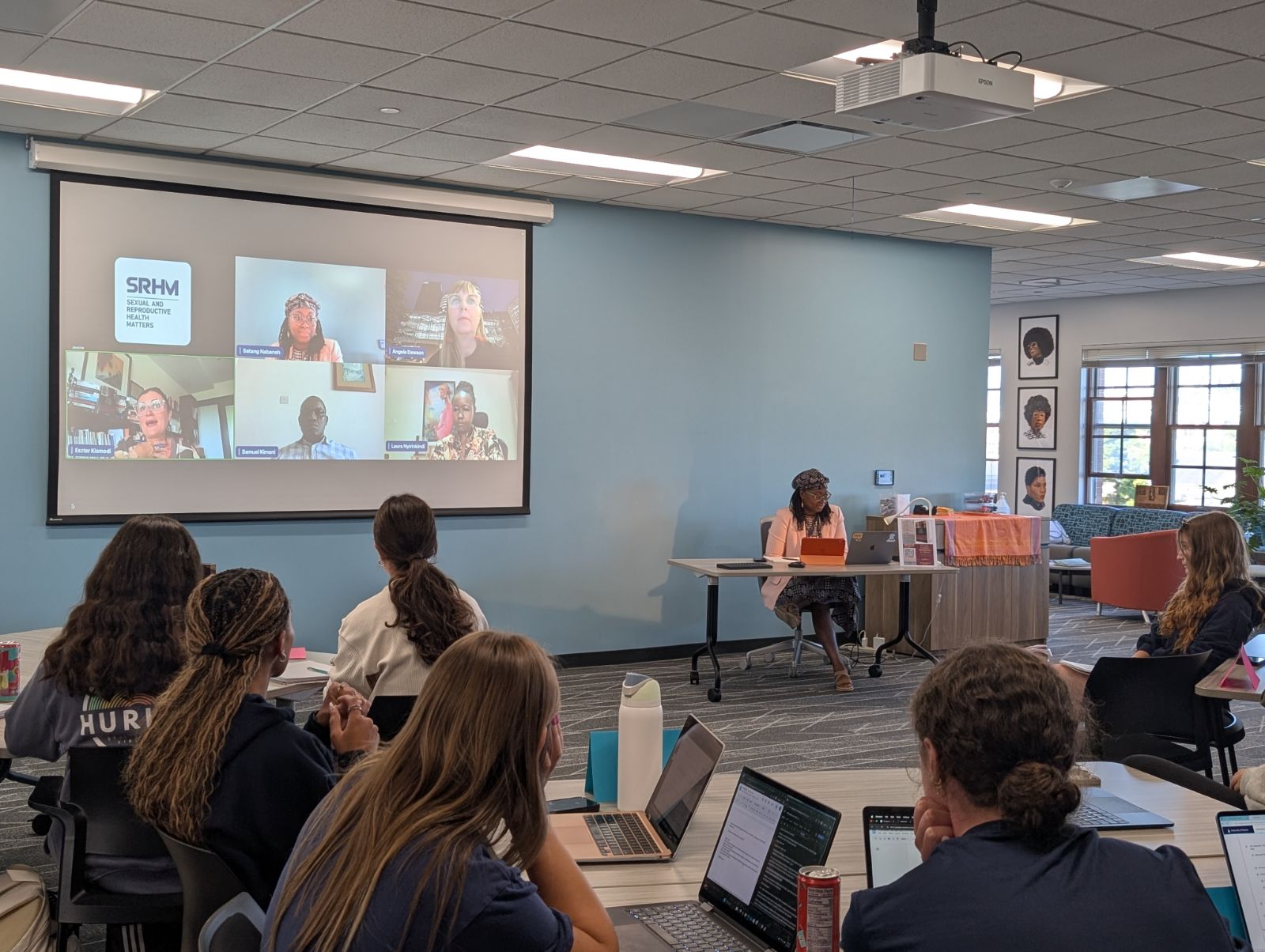
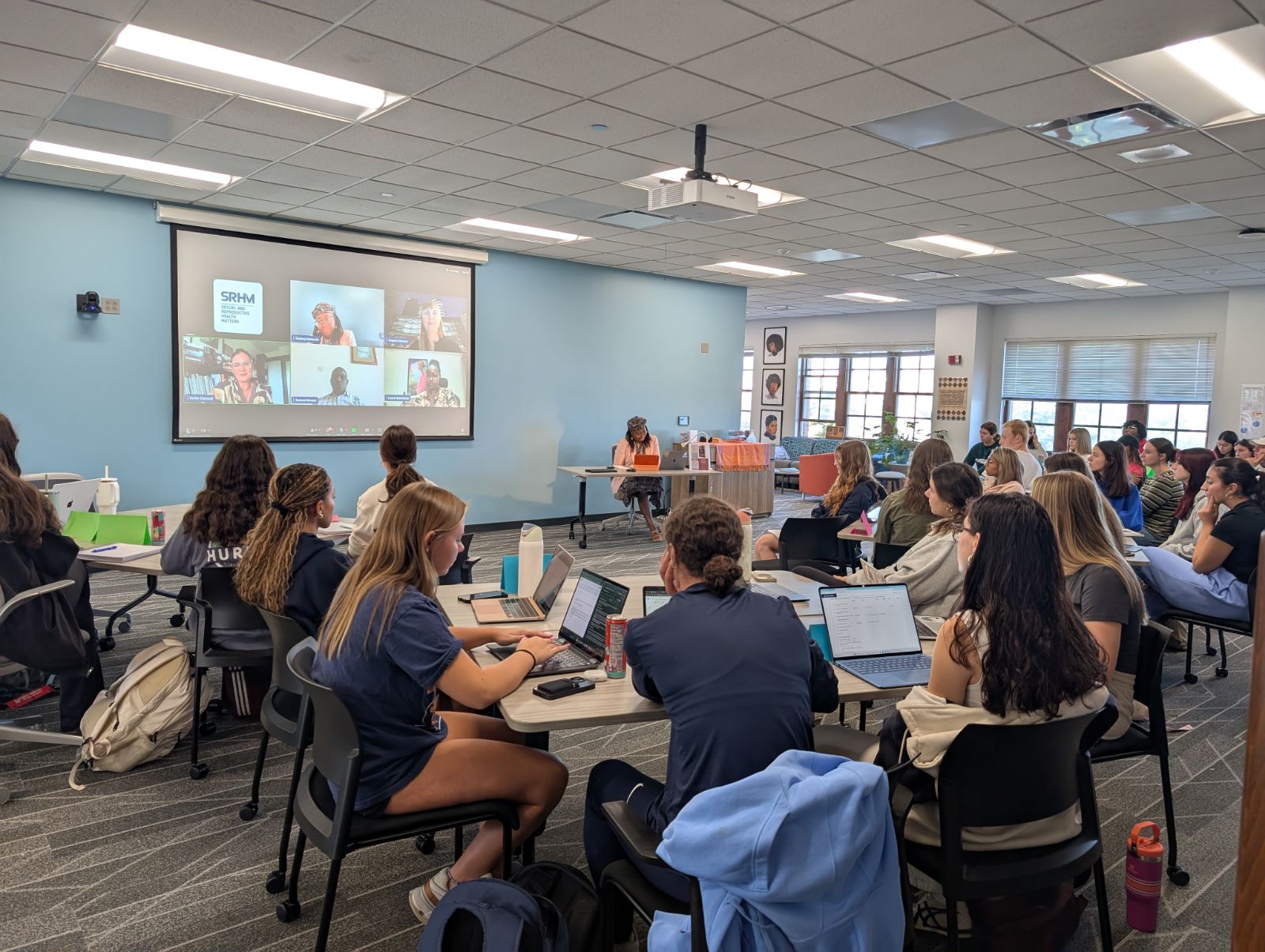
On September 9, 2025the SRHM hosted a thought-provoking webinar on the launch of the open access book Female Genital Mutilation in Africa: Politics of Criminalizationcurated by Satang Nabaneh, Assistant Professor of Practice at the University of Dayton Center for Human Rights and affiliated faculty at the University of Pretoria Center for Human Rights. Introduced by Eszter KismödiCEO of SRHM, the event brought together contributing authors to reflect on the complex and evolving debates surrounding FGM in Africa, particularly the role and limits of criminalisation.

The discussion highlighted that while more than 25 African countries have enacted laws against FGM, prevalence remains high. This highlights the limits of a purely legal approach, as criminalization alone can drive the practice underground, risk punishing survivors and create community resistance when laws are seen as externally imposed. Speakers emphasized the need to look beyond the ‘crime and punishment’ model and adopt approaches rooted in feminist, decolonial and community-centred perspectives.

Another major issue was his growing problem medicalization. As Samuel Kimani He explained that genital mutilation is increasingly being performed by health professionals, often under the false assumption that it is safer. This practice violates medical ethics and perpetuates harm, exposing girls and women to serious health risks and undermining human rights obligations. The debate called for stronger training of health care workers, integration of FGM prevention into health systems, and accountability mechanisms to prevent medical involvement in the practice.

The role of research featured prominently in the discussion. Angela Dawson emphasized that rigorous and ethical research is necessary not only to measure prevalence but also to design effective interventions. She highlighted the importance of community-driven participatory research that goes beyond description to inform real-world strategies, helping communities move away from FGM while addressing broader social determinants of health.

Finally, Laura Nyirinkindi reflected in Uganda’s experience of legal reform, showing both its potential and its weaknesses. While constitutional disputes and parliamentary action against FGM have made significant progress, implementation has met with resistance. The persistence of FGM, often driven by strong social motivations such as cultural legitimacy and marriageability, illustrates the tension between official law and lived reality. Real progress, he argued, requires a combination of legal frameworks with sustained community involvement, education and economic empowerment to reduce the social pressures that keep the practice alive.

Overall, the discussion made it clear that no single approach—whether legal, medical, or research-based—is sufficient to eliminate FGM. Instead, a multidisciplinary and cross-sectoral strategy is needed, one that recognizes the political backlash against gender equality, centers the voices of survivors, and works directly with communities to bring about lasting change.

The webinar brought together a diverse group of participants from across Africa—including Kenya, Liberia, Sudan, Sierra Leone, Zimbabwe, Malawi, Gambia, Zambia, Morocco, South Africa, and the DRC—as well as from Europe, North America, Mexico, and India. Attendees included academics, lawyers, activists, students, health professionals and civil society representatives, who shared experiences from their own contexts and reflected on the complexities of legal, cultural and community responses to FGM. Their contributions to the webinar conversation underscored the global concern and deeply localized realities of the issue, underscoring the need for nuanced and context-based approaches.

This webinar was also conducted as an in-person course on gender, women’s rights, and global politics by Satang Nabaneh for students and faculty members at the University of Dayton.

The book Female Genital Mutilation in Africa: Politics of Criminalization it is open access and can be read here.

You can also listen to this conversation on the SRHM Podcast: Listen on Apple Podcasts or Spotifyas well as other podcast platforms.

Watch the recording:

Africa criminalization Female genital mutilation politics
bhanuprakash.cg
healthtost
  • Website

Related Posts

The alarming rise in bowel cancer rates in young people

February 21, 2026

Lessons from retail expert Nicole Leinbach Hoffman — Sexual Health Alliance

February 20, 2026

ACS publishes new guidelines for cervical cancer screening

February 17, 2026

Leave A Reply Cancel Reply

Don't Miss
Women's Health

Who can be called a “professional”? Student Loan Policy and the Future of Black Women in Nursing

By healthtostFebruary 21, 20260

A recent federal proposal would limit student loan borrowing for certain advanced degrees, including nursing,…

Why Melanin-rich skin loses its firmness and how to restore it – MYXCAPE

February 21, 2026

Female Genital Mutilation in Africa: Politics of Criminalization

February 21, 2026

Why Chromosomally Normal Embryos Still Fail to Implant: New IVF Research Explains

February 21, 2026
Stay In Touch
  • Facebook
  • Twitter
  • Pinterest
  • Instagram
  • YouTube
  • Vimeo
TAGS
Baby benefits body brain cancer care Day Diet disease exercise finds Fitness food Guide health healthy heart Improve Life Loss Men mental Natural Nutrition Patients People Pregnancy protein research reveals risk routine sex sexual Skin study Therapy Tips Top Training Treatment ways weight women Workout
About Us
About Us

Welcome to HealthTost, your trusted source for breaking health news, expert insights, and wellness inspiration. At HealthTost, we are committed to delivering accurate, timely, and empowering information to help you make informed decisions about your health and well-being.

Latest Articles

Who can be called a “professional”? Student Loan Policy and the Future of Black Women in Nursing

February 21, 2026

Why Melanin-rich skin loses its firmness and how to restore it – MYXCAPE

February 21, 2026

Female Genital Mutilation in Africa: Politics of Criminalization

February 21, 2026
New Comments
    Facebook X (Twitter) Instagram Pinterest
    • About Us
    • Contact Us
    • Privacy Policy
    • Terms and Conditions
    • Disclaimer
    © 2026 HealthTost. All Rights Reserved.

    Type above and press Enter to search. Press Esc to cancel.