

Close Menu
Healthtost
  • News
  • Mental Health
  • Men’s Health
  • Women’s Health
  • Skin Care
  • Sexual Health
  • Pregnancy
  • Nutrition
  • Fitness
  • Recommended Essentials
What's Hot

Brain-Gut Health Initiative supports AI-assisted diagnosis of psychiatric disorders

April 25, 2026

Yeong Kim (Rian) – The Structural Elegance of Intellect and Honor

April 25, 2026

Researchers identify new genetic links to Hyperemesis Gravidarum

April 25, 2026
Facebook X (Twitter) Instagram
  • About Us
  • Contact Us
  • Privacy Policy
  • Terms and Conditions
  • Disclaimer
Facebook X (Twitter) Instagram
Healthtost
SUBSCRIBE
  • News

    Brain-Gut Health Initiative supports AI-assisted diagnosis of psychiatric disorders

    April 25, 2026

    Researchers uncover new mechanism linking metabolism, immunity and skeletal health

    April 25, 2026

    Genetic research identifies rare DNA changes that cause common heart valve damage

    April 24, 2026

    Air quality in infancy may fundamentally shape long-term immune development

    April 24, 2026

    The endoscopic procedure may prevent weight regain after stopping GLP-1

    April 23, 2026
  • Mental Health

    I hate hope: How to manage hope when you have treatment-resistant bipolar disorder

    April 19, 2026

    Rose Byrne is raw, magnetic and unfiltered as a woman in crisis

    April 18, 2026

    Can a single mother change her child’s surname in India?

    April 16, 2026

    Is it anxiety or OCD? 2 psychology experts explain the difference

    April 14, 2026

    Understanding the different types of treatment: C…

    April 10, 2026
  • Men’s Health

    45-Minute No-Equipment Home Workout (Full Body)

    April 23, 2026

    Study finds many UK adults want to avoid ultra-processed foods but can’t clearly define them

    April 21, 2026

    How can you get the best sleep?

    April 21, 2026

    The Crazy Hard Standards of the Hardest PE Program in History

    April 20, 2026

    Becoming revolutionaries in our time: Calling men to change the world for good

    April 20, 2026
  • Women’s Health

    Yeong Kim (Rian) – The Structural Elegance of Intellect and Honor

    April 25, 2026

    I felt ashamed of my dad’s illness

    April 25, 2026

    What are the different stages of puberty?

    April 24, 2026

    Understanding Hot Flashes – HealthyWomen

    April 24, 2026

    Because you are still inflamed

    April 22, 2026
  • Skin Care

    What it is and how to do it right – Lifeline Skin Care

    April 21, 2026

    Best Face Mask Set: What to Use for Your Skin Goals

    April 21, 2026

    Earth Day Activities: A Fun Guide to Plogging and More

    April 20, 2026

    Calm & Correct: The 4-in-1 color correcting treatment

    April 19, 2026

    How to Get Glowing Skin: Beauty Guide

    April 17, 2026
  • Sexual Health

    How accurate are herpes blood tests?

    April 22, 2026

    Understanding the Asexual Spectrum — Sexual Health Alliance

    April 21, 2026

    The importance of sex and intimacy in the elderly

    April 18, 2026

    Judicial reform is the only real way out of today’s political hell

    April 15, 2026

    Personal and Professional considerations between generations

    April 15, 2026
  • Pregnancy

    Researchers identify new genetic links to Hyperemesis Gravidarum

    April 25, 2026

    Loss of Appetite During Pregnancy: A Third Trimester Guide

    April 24, 2026

    Cameron Rodgers wants you to know you’re not the only one Googling “WTF is going on in my body” at 2 a.m.

    April 22, 2026

    A gentle space to navigate the becoming of motherhood

    April 21, 2026

    Transfer to birth center C-section, birth center VBAC and Surprise Footling Breech Transfer to home

    April 18, 2026
  • Nutrition

    Doing the work in the face of fear

    April 25, 2026

    Can the “dark shower” reduce stress and improve sleep?

    April 24, 2026

    High Fiber Smoothie Recipe • Kath Eats

    April 23, 2026

    Which potato is the most nutritious?

    April 22, 2026

    What Really Works (and What Doesn’t)

    April 22, 2026
  • Fitness

    4.24 Friday Faves – The Fitnessista

    April 25, 2026

    The workout we forgot (it’s time to bring it back 💪 )

    April 24, 2026

    Cardio or weightlifting? – Tony Gentilcore

    April 24, 2026

    7 super healthy ways to take care of yourself

    April 23, 2026

    Wake up with these symptoms? Your health may be at risk

    April 23, 2026
  • Recommended Essentials
Healthtost
Home»Fitness»Exercise for brain health: Expertise
Fitness

Exercise for brain health: Expertise

healthtostBy healthtostNovember 16, 2025No Comments7 Mins Read
Facebook Twitter Pinterest LinkedIn Tumblr Reddit WhatsApp Email
Exercise For Brain Health: Expertise
Share
Facebook Twitter LinkedIn Pinterest WhatsApp Email


Basic Takeaways

Adding cognitive challenges to the exercises your clients are already doing can improve brain health along with physical health. Here are some highlights from this conversation with Jonathan Ross:

  • Most neurodegenerative diseases, including Alzheimer’s disease, are caused—and preventable—by lifestyle factors within the scope of practice of exercise professionals and health coaches: physical activity, exercise, diet, stress management, sleep, and social connection.
  • Movement increases blood flow to the brain and this enhances both fuel supply and waste removal.
  • Movement also requires processing sensory input from the outside world, deciding what to do about it, and then doing it.
  • Cognitive ability not only can, but should be integrated into what a customer is already doing.

Read on to learn more about exercise for brain health and strategies to help clients concerned about cognitive decline.

Check it out Alzheimer’s Fitness Specialist Program.

If you have clients diagnosed with or concerned about cognitive decline, it’s vital that you have the right skills to design fitness experiences that address not only physical health, but brain health as well. By incorporating memory exercises, movement-based games, and brain health coaching strategies, you can help clients move with purpose.

That’s why ACE is so proud to present the Alzheimer’s Fitness Specialist Programto authorize you to design programs and lead exercise sessions for clients experiencing cognitive decline or simply wanting to do what they can age with strength and confidence. We too wanted to provide practical tools, not just theory, which is why this program features memory exercises, based on movement games and brain-healthy coaching strategies that will position you and your clients for long term success.

Jonathan Ross, the creator and his instructor Alzheimer’s Fitness Specialist Program, is a multiple Personal Trainer of the Year Award winnerinternational brain fitness presenter and advocate known for translating neuroscience into strength training through his own Perfection program. He is one long-time ACE partner and has collaborateded join us in countless articles, online seminars and programs.

Here, Jonathan answers important questions about how movement affects brain health and how you can incorporate exercise that is positive conflict cognitive health in training your clientssmall.

How can movement and exercise support brain health? Reach both those diagnosed with Alzheimer’s disease and clients who are simply concerned about their cognitive health.

Normally, movement increases blood flow to the brain and this enhances both fuel supply and waste removal. Movement also requires processing sensory input from the outside world, deciding what to do about it, and then doing it.

More specifically, research shows that exercise improves the function of both immune system cells in the hippocampus called microglia and cells called neurovascularrocells (NVAs) that enhance blood function–brain barrier.

These benefits occur regardless of the focus on disease prevention or management.

Are there specific types of physical activity that offer greater cognitive benefits?

In general, contracting muscles produce numerous myokines, short strings of amino acids that regulate various metabolic processes and allow muscles to communicate with other organs and body systems.

The type of exercise determines which myokines are produced (and there is considerable overlap in many modes of exercise). If people can potentially do something, then we should be trained for it. This means strength and aerobic training with elements such as reactivity, coordination and balance included at times.

Additionally, modalities such as high-intensity interval training (HIIT), for example, enhance processing speed and attention.

The main takeaway: All exercise is good for the brain, but comprehensive cognitive and physical fitness is better. For example, trail running is better for your brain than treadmill running. If each step is placed on a unique surface with different conditions, it requires more processing of sensory input and decisions about exactly how to move with each step taken.

Do clients concerned about brain health need to do additional exercise each week, or can cognitive ability be incorporated into what they already do? If it’s the latter, can you offer strategies on how to do it?

No extra exercise required! Cognitive ability not only can, but should be incorporated into some of the existing exercise pursuits.

Some simple examples:

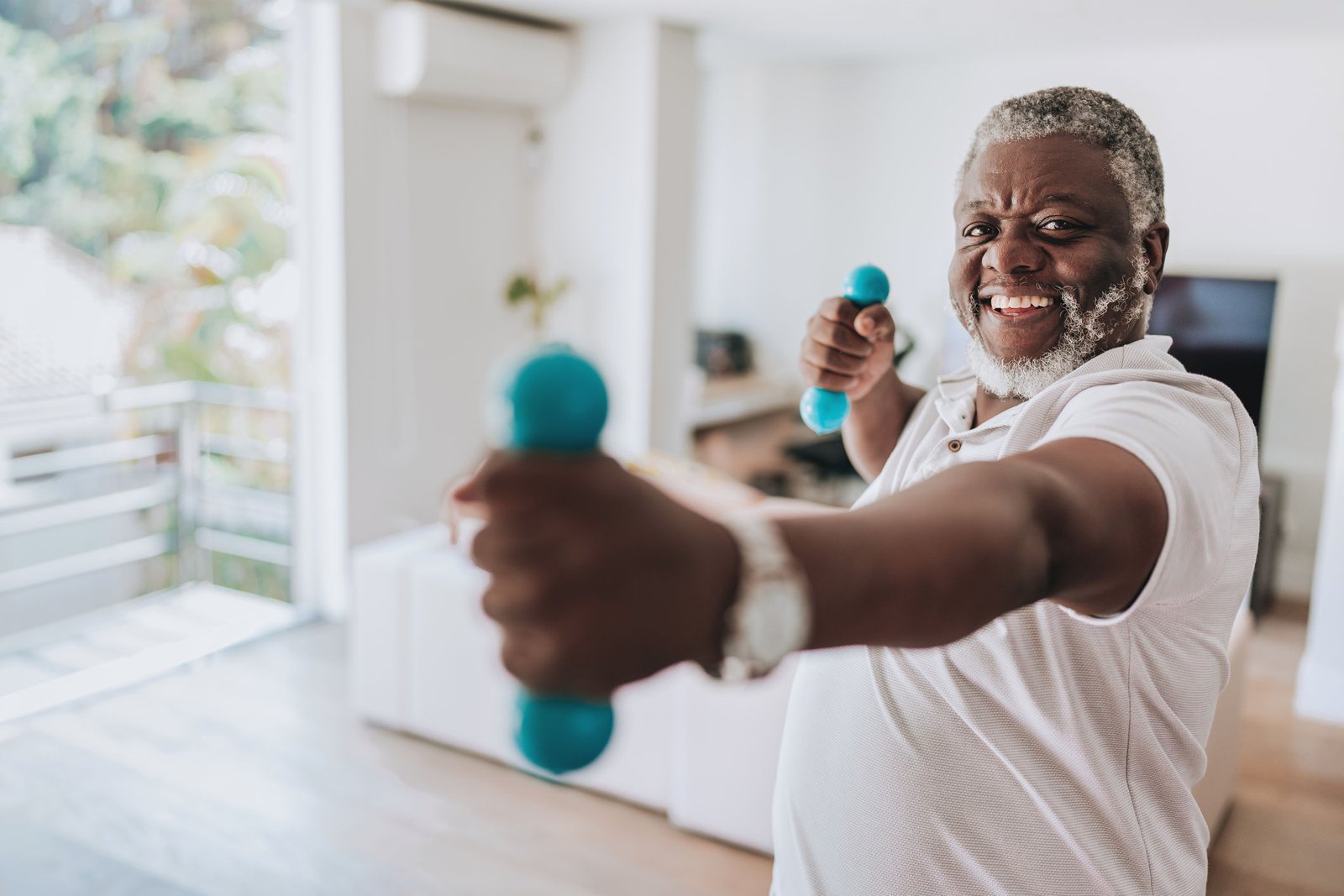
  • Use two exercises with different repetitions and alternating their: Dumbbell smallquat and smallshoulder pressos (using dumbbells)

    • Perform 3 reps of the squat for every 1 rep of the shoulder press, which requires more attention and use of short-term memory. (Also, this allows for an appropriately challenging resistance for the comparatively stronger leg muscles, which will perform more repetitions.)
    • Perform the two exercises using a sequential 4-3-2-1 countdown pattern, meaning 4 of each, then 3 of each, etc. You end up completing 10 reps of each. This can be done by counting down from 5 to 1 (for a total of 15 repetitions) or many other combinations of numbers.

  • Count reps by 3 or 7 seconds (harder) or 2 seconds or 5 seconds (easier.)

IMPORTANT: Not only is no additional exercise required, but people are also not required need high-tech equipment or boutique studios dedicated to brain fitness. These are nice bells and whistles, but cost is a barrier to entry for these options, meaning they’ll never be a viable solution for the masses.

What inspired you to create the Alzheimer’s & Brain Fitness Specialist Course and what do you hope exercise professionals will take away from this course and apply to their work?

Most neurodegenerative diseases are caused—and preventable—by lifestyle factors within the scope of practice of exercise professionals and health coaches: physical activity, exercise, diet, stress management, sleep, and social connection.

Second, presenting a model of exercise and physical activity that is, by design, interactive and reactive creates a more enjoyable experience, and research shows that people work harder without reporting a subjective increase in intensity. In other words, the extra effort isn’t that hard.

The population is aging, and this cohort has both the means—in terms of time and money—and the incentives to boost brain function now and prevent disease later. This is a huge opportunity for professionals to make a living changing their lives by changing people’s minds about exercise.

Is there anything else you’d like to say about this topic that we haven’t covered?

For most of human history, we have had to solve problems directly related to survival in a changing and often threatening environment. This required us to think and move at the same time. Modern life is all about sitting still and thinking, thinking, thinking all day at work and then moving while we often turn off our brains and perform normal, uninterrupted exercise. We have separated thought from action, and we suffer for it.

Two final thoughts: Integrating physical and cognitive ability can also enhance one’s attitudes and feelings about exercise. This makes long-term compliance much more likely and easier to achieve. And, for anyone providing care for someone with a cognitive illness, the interactive strategies shared in the course provide the same benefits while also injecting some much-needed levity and fun into the caregiver-patient interaction.


If you are interested in learning more from Jonathan on the effect of exercise on brain healththink completing it Alzheimer’s specialist exercise class (worth 2.0 ACE CEC). This course, which combines the science of movement with the science of the brain, will help you design programming that enhances memory, coordination, Attention and confidence, including specific strategies for adding powerful mental challenges to your clients’ physical workouts.

brain exercise Expertise health
bhanuprakash.cg
healthtost
  • Website

Related Posts

Brain-Gut Health Initiative supports AI-assisted diagnosis of psychiatric disorders

April 25, 2026

4.24 Friday Faves – The Fitnessista

April 25, 2026

Researchers uncover new mechanism linking metabolism, immunity and skeletal health

April 25, 2026

Leave A Reply Cancel Reply

Don't Miss
News

Brain-Gut Health Initiative supports AI-assisted diagnosis of psychiatric disorders

By healthtostApril 25, 20260

Psychiatric disorders affect millions worldwide, but their diagnosis is still based on clinical observation rather…

Yeong Kim (Rian) – The Structural Elegance of Intellect and Honor

April 25, 2026

Researchers identify new genetic links to Hyperemesis Gravidarum

April 25, 2026

Doing the work in the face of fear

April 25, 2026
Stay In Touch
  • Facebook
  • Twitter
  • Pinterest
  • Instagram
  • YouTube
  • Vimeo
TAGS
Baby benefits body brain cancer care Day Diet disease exercise finds Fitness food Guide health healthy heart Improve Life Loss Men mental Natural Nutrition Patients Pregnancy research reveals risk routine sex sexual Skin Skincare study Therapy Tips Top Training Treatment Understanding ways weight women Workout
About Us
About Us

Welcome to HealthTost, your trusted source for breaking health news, expert insights, and wellness inspiration. At HealthTost, we are committed to delivering accurate, timely, and empowering information to help you make informed decisions about your health and well-being.

Latest Articles

Brain-Gut Health Initiative supports AI-assisted diagnosis of psychiatric disorders

April 25, 2026

Yeong Kim (Rian) – The Structural Elegance of Intellect and Honor

April 25, 2026

Researchers identify new genetic links to Hyperemesis Gravidarum

April 25, 2026
New Comments
    Facebook X (Twitter) Instagram Pinterest
    • About Us
    • Contact Us
    • Privacy Policy
    • Terms and Conditions
    • Disclaimer
    © 2026 HealthTost. All Rights Reserved.

    Type above and press Enter to search. Press Esc to cancel.