

Close Menu
Healthtost
  • News
  • Mental Health
  • Men’s Health
  • Women’s Health
  • Skin Care
  • Sexual Health
  • Pregnancy
  • Nutrition
  • Fitness
  • Recommended Essentials
What's Hot

Smart Shoulder Solutions: An Evidence-based Approach

February 7, 2026

European collaboration turns immune cell data into cancer biomarkers

February 7, 2026

Advancing the Future of Behavioral Health Data Exchange

February 7, 2026
Facebook X (Twitter) Instagram
  • About Us
  • Contact Us
  • Privacy Policy
  • Terms and Conditions
  • Disclaimer
Facebook X (Twitter) Instagram
Healthtost
SUBSCRIBE
  • News

    European collaboration turns immune cell data into cancer biomarkers

    February 7, 2026

    Senescent neutrophils promote tumor survival in all cancer types

    February 6, 2026

    Preoperative factors predict persistent opioid use after surgery

    February 6, 2026

    AI-enabled stethoscope doubles detection of valvular heart disease

    February 5, 2026

    Gut microbial butyrate enhances mucosal vaccine antibody responses

    February 5, 2026
  • Mental Health

    Advancing the Future of Behavioral Health Data Exchange

    February 7, 2026

    How to avoid watching disturbing videos on social media and protect your peace of mind

    February 6, 2026

    Mental Health in the Black Community: Addressing…

    February 3, 2026

    Some people gain confidence when they think things through, others lose it – new research

    February 2, 2026

    3 practical ways to improve a writer’s mental health

    January 31, 2026
  • Men’s Health

    Air conditioning in nursing homes reduces heat-related risk

    February 6, 2026

    Analysis: What it’s like to have non-verbal autism and what helped me

    February 5, 2026

    Testicular cancer self-examination and why it could save your life

    February 2, 2026

    25-Minute Bodyweight Functional Training Program for Beginners

    February 1, 2026

    Turning everyday eggs into powerful nutrient delivery systems

    January 30, 2026
  • Women’s Health

    Enjoying Endorphins: How to Spoil Your Mood with Feel-Good Hormones

    February 5, 2026

    A critical maternal health data system is at risk

    February 5, 2026

    Prenatal care in 2026: New recommendations for healthy pregnancy

    February 1, 2026

    3 Teens Quit Social Media for a Week — and Loved It

    February 1, 2026

    Exercises for Prevention, Symptoms & Recovery

    January 31, 2026
  • Skin Care

    TNW Rich Cream for Soft, Smooth Skin – The natural wash

    February 7, 2026

    Inside Susie Ma’s Makeup | Founder of Tropic – Tropic Skincare

    February 6, 2026

    5 Expert-Backed Tips on How to Reduce Forehead Wrinkles

    February 6, 2026

    5 Powerful Skincare Osmolytes (And Why Your Skin Loves Them)

    February 5, 2026

    Tranexamic Acid – Esthetic Approved Ingredient

    February 4, 2026
  • Sexual Health

    Adventurous intimacy is more common than you think — Alliance for Sexual Health

    February 5, 2026

    A guide to a comfortable cervical check with Dr. Unsworth

    February 1, 2026

    How “Bridgerton” and the Other Romances Evolved in Their Depictions of Consent

    January 30, 2026

    Extraction, gold mining and SRHR in Kenya

    January 29, 2026

    How the Wabi-Sabi Body Frame is Rewriting Body Image Therapy — Sexual Health Alliance

    January 28, 2026
  • Pregnancy

    Pregnant on Chhath Puja? Hydration and nutrition tips

    February 6, 2026

    The second trimester sweet spot is real. Here’s how to get the most out of it

    February 4, 2026

    Is it safe to drink milk during pregnancy? What to know

    January 31, 2026

    12 Expert Answers to Your Pregnancy Yoga Questions

    January 29, 2026

    Best Pregnancy and Postpartum Fitness Course 2026

    January 27, 2026
  • Nutrition

    5 Ways You’re Sabotaging Your Metabolism

    February 2, 2026

    How to Save Money on Travel • Kath Eats

    February 1, 2026

    How low can LDL cholesterol go on PCSK9 inhibitors?

    January 31, 2026

    Signs that your body is ready to reset

    January 31, 2026

    Healthy Pakistani Recipes: Low-Oil Versions of Beloved Classics

    January 30, 2026
  • Fitness

    Smart Shoulder Solutions: An Evidence-based Approach

    February 7, 2026

    Ja’Marr Chase Offseason Training: The Explosive Workouts Fueling NFL Elite Performance

    February 6, 2026

    What’s NEW in February 2026 for the BODi Community of Experience!

    February 5, 2026

    AI As a Learning Coach – BionicOldGuy

    February 5, 2026

    Can your customers actually do what you want them to do? – Tony Gentilcore

    February 2, 2026
  • Recommended Essentials
Healthtost
Home»News»Cutting carbs, not fat, may better control appetite in women
News

Cutting carbs, not fat, may better control appetite in women

healthtostBy healthtostDecember 19, 2025No Comments5 Mins Read
Facebook Twitter Pinterest LinkedIn Tumblr Reddit WhatsApp Email
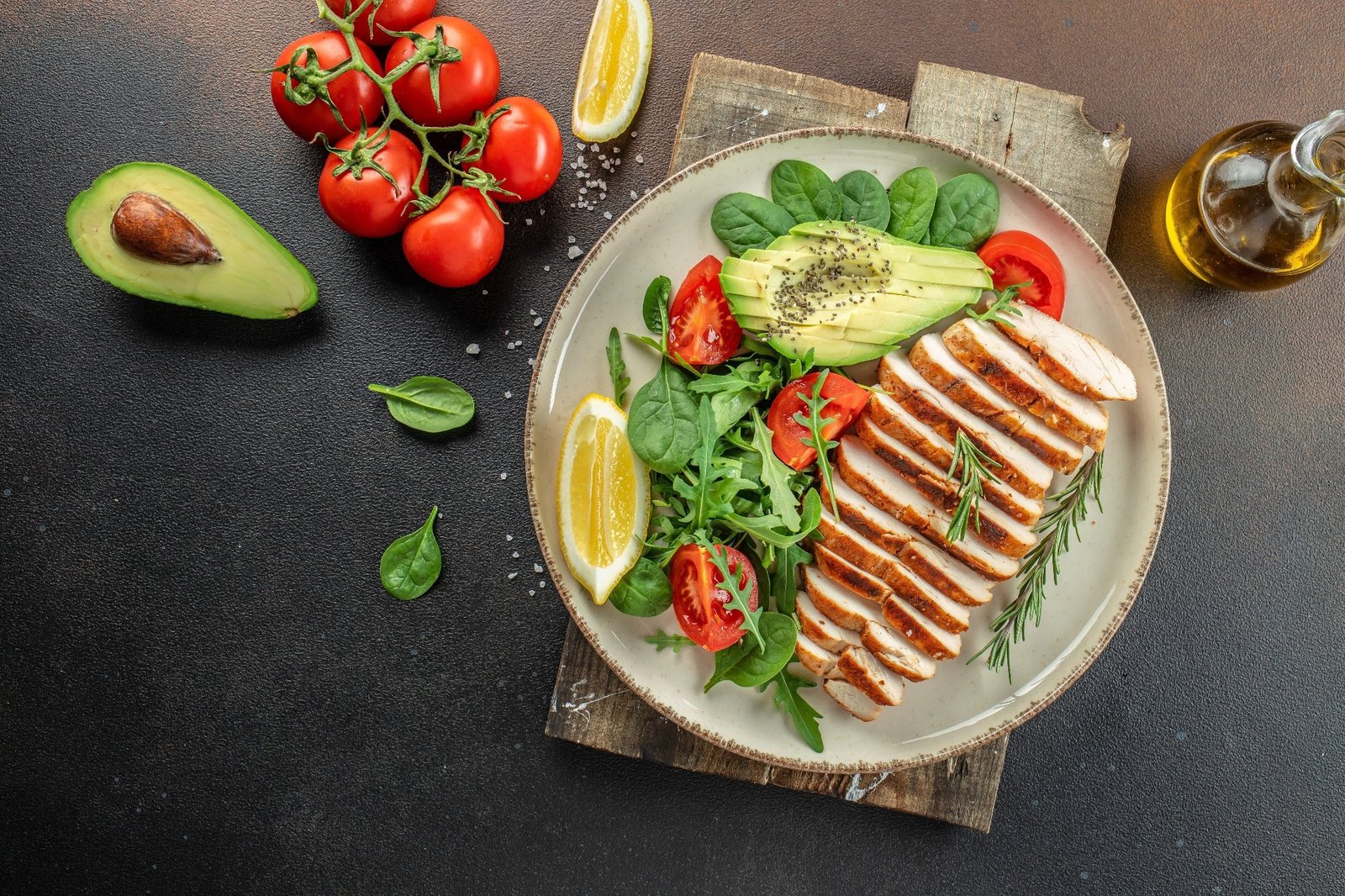
Cutting Carbs, Not Fat, May Better Control Appetite In Women
Share
Facebook Twitter LinkedIn Pinterest WhatsApp Email

A short-term clinical trial suggests that reducing carbohydrates, not fat, may be better for curbing food cues and emotional eating in women living with lipedema.

Study: Hedonic hunger and eating behavior after low-carbohydrate vs. low-fat diets in women with lipedema and obesity. Image credit: sweet marshmallow/Shutterstock.com

A recent study published in Frontiers in Nutrition highlights that low-carbohydrate diets may be more effective than low-fat diets in improving hedonic hunger and eating behavior in women with lipedema, an obesity-like disease characterized by excessive fat accumulation in the lower extremities.

Why lipedema differs from obesity in appetite control

Lipedema, a chronic condition that mainly affects women, is often misdiagnosed as obesity, although the two conditions often coexist. It affects women during periods of hormonal fluctuations such as puberty, pregnancy and menopause.

Many factors contribute to lipedema, including fat cell hypertrophy, inflammation, and impaired blood vessel formation. Inflammation in lipedema may affect appetite regulatory mechanisms by modulating brain signaling pathways.

Appetite regulation is a complex process involving a balance between internal biological cues that maintain energy balance and external reward-driven (hedonic) factors. Hedonic appetite is a type of hunger driven by pleasure rather than normal energy requirements. It plays a vital role in regulating eating behavior, often leading to overconsumption of highly palatable foods.

Disordered eating behaviors such as emotional eating, binge eating, and binge eating are associated with increased caloric intake, which subsequently increases the risk of overweight and obesity.

Despite being subject to significant health-related stigma, lipedema in women has been understudied. The physical manifestations of lipedema can significantly contribute to a negative body image and unhealthy self-perceptions.

Regarding therapeutic interventions, existing evidence suggests that low-carbohydrate diets work better in reducing pain in women with lipedema than low-fat diets. However, it remains largely unknown how these dietary patterns influence hedonic hunger and eating behaviors in this population.

The present study aimed to investigate whether appetite regulation and eating behavior change differently in lipidomic and obese women following low-carbohydrate and low-fat diets.

Randomized trial comparing low-carbohydrate and low-fat diets

The study analyzed the findings of a secondary analysis from a randomized clinical trial that compared the effects of a low-carbohydrate diet and a low-fat diet on pain in women with lipedema and obesity. A total of 70 participants were randomly categorized into two intervention groups.

Participants in the low-carb group consumed 75 grams of carbohydrates per day, while those in the low-fat group consumed 180 grams of carbohydrates and 27 grams of fat per day for the same 8-week period. In both groups, the energy and protein intake was the same for the participants, i.e. 1200 kcal of energy and 60 grams of protein per day.

The impact of these dietary interventions on hedonic hunger and eating behavior was investigated using validated questionnaires.

The low-carbohydrate diet reduced responding to food cues

The study found a significant improvement in a component of hedonic hunger, assessed using the Power of Food scale, among participants consuming a low-carb diet. However, no such improvement was seen among participants consuming a low-fat diet.

In the low-carb group, participants reported a significant reduction in emotional eating, which is the tendency to eat in response to negative emotions. Participants in the low-fat group, on the other hand, reported an increase in restrained eating, which represents a person’s cognitive ability to control or limit food intake to reduce or maintain body weight.

No significant differences were observed between the two dietary groups for the overall dietary behavior categories, indicating that some findings were limited to within-group changes.

Carbohydrate restriction shows possible appetite benefits

The study finds that low-carbohydrate diets may be more effective than low-fat diets in improving hedonic hunger and eating behaviors in women with lipid and obesity.

The study used the Power of Food scale to assess hedonic hunger. This scale has three categories: Food Available, Food Present, and Food Tried. The study found a significant reduction in the Food Present subscale at the end of an 8-week low-carbohydrate dietary intervention period. Observed changes in this subscale over time were significantly different between the two dietary intervention groups.

The Food Present subscale of the food strength scale represents the desire to eat when the food is present but not yet tasted, such as when exposed to the sight or smell of attractive foods. The observed reduction in the desire to eat attractive foods in response to food cues may be explained by the effect of low-carbohydrate diets on the brain’s reward system.

Ghrelin and insulin are two hormones that play vital roles in regulating brain reward signaling by modulating dopaminergic pathways. Existing evidence suggests that low-carbohydrate diets have a greater ability than low-fat diets to suppress the secretion of these hormones and improve insulin sensitivity.

In addition, low-fat diets have been found to increase tonic dopamine in the brain’s reward regions and influence food choice in a way that may hinder dietary adherence. These findings support the current study’s findings of a more favorable change in hedonic hunger and eating behavior among participants consuming a low-carbohydrate diet.

The study found a significant reduction in one component of emotional eating among participants who consumed a low-carb diet. Existing evidence suggests that ketogenic diets, characterized by high fat and low carbohydrate intake, can promote emotional stability by increasing the inhibitory neurotransmitter GABA and reducing neuroinflammation. Although the present intervention was not explicitly ketogenic, these findings provide contextual support for the observed changes.

Overall, the study adds new information to the existing evidence and highlights that the superiority of low-carbohydrate diets may offer advantages over low-fat diets for appetite regulation in women with lipidemia and obesity.

Download your PDF copy now!

Appetite Carbs control Cutting Fat women
bhanuprakash.cg
healthtost
  • Website

Related Posts

European collaboration turns immune cell data into cancer biomarkers

February 7, 2026

Senescent neutrophils promote tumor survival in all cancer types

February 6, 2026

Preoperative factors predict persistent opioid use after surgery

February 6, 2026

Leave A Reply Cancel Reply

Don't Miss
Fitness

Smart Shoulder Solutions: An Evidence-based Approach

By healthtostFebruary 7, 20260

Basic Takeaways Evidence-based workouts are the foundation of a good…

European collaboration turns immune cell data into cancer biomarkers

February 7, 2026

Advancing the Future of Behavioral Health Data Exchange

February 7, 2026

TNW Rich Cream for Soft, Smooth Skin – The natural wash

February 7, 2026
Stay In Touch
  • Facebook
  • Twitter
  • Pinterest
  • Instagram
  • YouTube
  • Vimeo
TAGS
Baby benefits body brain cancer care Day Diet disease exercise finds Fitness food Guide health healthy heart Improve Life Loss Men mental Natural Nutrition Patients People Pregnancy protein research reveals risk routine sex sexual Skin study Therapy Tips Top Training Treatment ways weight women Workout
About Us
About Us

Welcome to HealthTost, your trusted source for breaking health news, expert insights, and wellness inspiration. At HealthTost, we are committed to delivering accurate, timely, and empowering information to help you make informed decisions about your health and well-being.

Latest Articles

Smart Shoulder Solutions: An Evidence-based Approach

February 7, 2026

European collaboration turns immune cell data into cancer biomarkers

February 7, 2026

Advancing the Future of Behavioral Health Data Exchange

February 7, 2026
New Comments
    Facebook X (Twitter) Instagram Pinterest
    • About Us
    • Contact Us
    • Privacy Policy
    • Terms and Conditions
    • Disclaimer
    © 2026 HealthTost. All Rights Reserved.

    Type above and press Enter to search. Press Esc to cancel.