

Close Menu
Healthtost
  • News
  • Mental Health
  • Men’s Health
  • Women’s Health
  • Skin Care
  • Sexual Health
  • Pregnancy
  • Nutrition
  • Fitness
  • Recommended Essentials
What's Hot

Does your appetite change in the summer?

May 25, 2026

New AI model detects hidden antibiotic resistance genes beyond standard databases

May 25, 2026

Why I Don’t Count Macros • Kath Eats

May 24, 2026
Facebook X (Twitter) Instagram
  • About Us
  • Contact Us
  • Privacy Policy
  • Terms and Conditions
  • Disclaimer
Facebook X (Twitter) Instagram
Healthtost
SUBSCRIBE
  • News

    New AI model detects hidden antibiotic resistance genes beyond standard databases

    May 25, 2026

    AI-engineered p53 superproteins may reshape future cancer therapies

    May 24, 2026

    Psilocybin can provide long-term relief from chronic nerve pain

    May 24, 2026

    Scientists envision a key cellular protein that regulates inflammatory disease pathways

    May 23, 2026

    Skilled care helps a child thrive despite a chronic swallowing disorder

    May 23, 2026
  • Mental Health

    Healing is where change begins. Habits are…

    May 24, 2026

    The Antidepressant Myth RFK Jr. he wants you to believe

    May 20, 2026

    Are you caught in the cycle of chronic pain? How does Thera…

    May 15, 2026

    Why Menopause Matters in Substance Use Disorder Prevention, Treatment, and Recovery

    May 14, 2026

    because you might be right to leave a party without saying goodbye

    May 14, 2026
  • Men’s Health

    30 minute bodyweight workout routine for beginners

    May 21, 2026

    Fewer sessions of radiation therapy for prostate cancer have few side effects

    May 19, 2026

    Tackling the approach/avoidance dance and finding the love you need

    May 18, 2026

    10 Best Bodyweight Movements for Strength and Muscle

    May 14, 2026

    Two leading cardiac risk tools pass a major global test

    May 12, 2026
  • Women’s Health

    The MIND Diet: A Brain-Health Approach

    May 23, 2026

    6 Major Health Benefits of Beetroot Juice

    May 22, 2026

    How to keep your reproductive system healthy and why

    May 22, 2026

    Minimally Invasive Surgery, Robotic Operations for Lung Cancer

    May 21, 2026

    The White House launched a maternal health initiative. The black mother’s health was lacking.

    May 17, 2026
  • Skin Care

    Is the UltraClear laser resurfacing for you?-SkinCare Physicians

    May 23, 2026

    Ceramides for Skin Barrier: What they are and why your skin needs them

    May 22, 2026

    10 myths about sun care that are damaging your skin

    May 21, 2026

    Non-food Skin Care: What Really Clogs Pores?

    May 18, 2026

    Itchy scalp and greasy roots? Here’s what might be going on

    May 17, 2026
  • Sexual Health

    PROGRESS OF CREATING EVIDENCE-BASED KNOWLEDGE LOCALLY < SRHM

    May 24, 2026

    Can gonorrhea turn into HIV?

    May 23, 2026

    The new wave of smart sex toys and why sex professionals should care — Sexual Health Alliance

    May 22, 2026

    What’s Actually in Your Lube? – HANX

    May 21, 2026

    Can low testosterone cause high blood pressure?

    May 20, 2026
  • Pregnancy

    Does creatine cause hair loss in women? – Pink Stork

    May 24, 2026

    Supporting Women through the Sacred Transitions of Life

    May 22, 2026

    39 gender reveal quotes for the perfect Instagram caption

    May 20, 2026

    Prevention of Hyperemesis Gravidarum (HG) and First Home Birth, Fourth Baby

    May 19, 2026

    Stretchy Wraps Are Magic For Newborns (Until They’re Not)

    May 19, 2026
  • Nutrition

    Does your appetite change in the summer?

    May 25, 2026

    Why I Don’t Count Macros • Kath Eats

    May 24, 2026

    Does less protein increase FGF21 for longevity?

    May 23, 2026

    How to eat to feel grounded

    May 23, 2026

    Dietitian’s Guide to Energy, Gut, Hormones

    May 22, 2026
  • Fitness

    What is Locus of Control? Empowering Customers

    May 24, 2026

    Russell Dickerson Reveals Exact Training Plan That Keeps Him Shredded on Tour

    May 24, 2026

    You walk. This is great. Here’s what you’re still missing.

    May 23, 2026

    Clothes from the last time – The Fitnessista

    May 21, 2026

    The best newsletters from the past year 🙌

    May 21, 2026
  • Recommended Essentials
Healthtost
Home»News»Consumption of more animal proteins may slightly lower mortality of cancer
News

Consumption of more animal proteins may slightly lower mortality of cancer

healthtostBy healthtostAugust 27, 2025No Comments6 Mins Read
Facebook Twitter Pinterest LinkedIn Tumblr Reddit WhatsApp Email
Consumption Of More Animal Proteins May Slightly Lower Mortality Of
Share
Facebook Twitter LinkedIn Pinterest WhatsApp Email

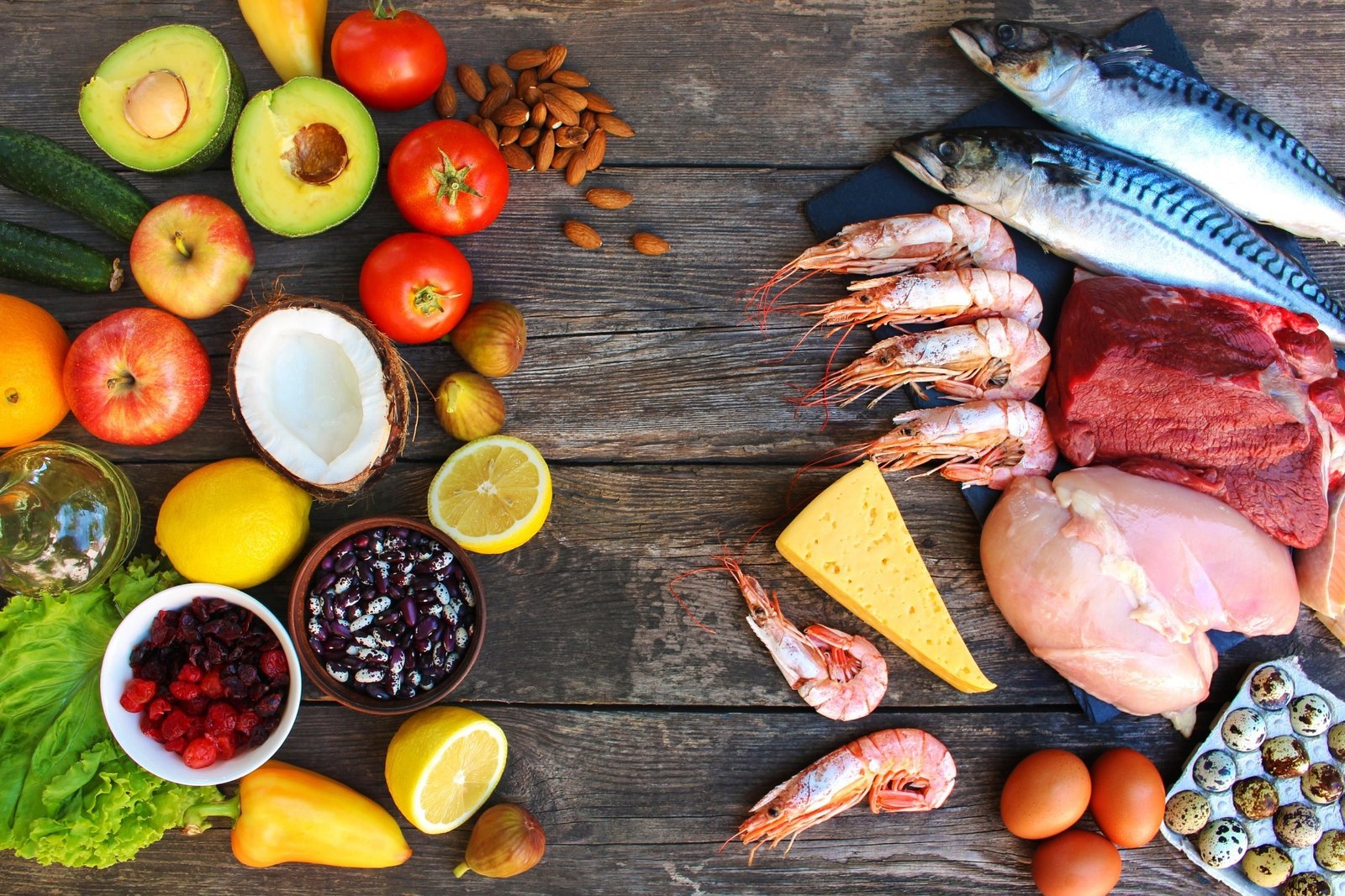
The new findings question the belief that animal protein increases the risk of mortality, shows no harm to longevity and even a small effect of US adult cancer.

Study: Ordinary Animal and Plant Protein Recruits are not adversely linked to the risk of mortality associated with cancer: a Nhanes III analysis. Credit Picture: Victoria 1/Shutterstock.com

A recent study at Applied Physiology, Nutrition and Metabolism He explored the impact of the intake of protein and herbal herbal on mortality from all causes, cancer and cardiovascular disease (CVD). Researchers did not observe differential correlations between the risk of mortality and dietary proteins derived from plants and animals. They also found that the intake of animal proteins was associated moderately with a lower risk of cancer mortality.

Intake of proteins and health

In the US and Canada, the recommended dietary compensation (RDA) for proteins is set to 0.8 g of protein/kg/day for good health. However, the dietary protein varies within the accepted macronutrient distribution areas (AMDR) is several times higher than the RDA. There is no clear recommendation about how much dietary protein intake is beneficial, especially in the elderly population.

Research has shown that higher consumption of animal proteins increases the risk of cancer and CVD mortality. On the contrary, the intake of protein plants has been linked to higher health benefits and lower mortality risk. A previous study used the third national research on health and nutrition examination 1988-1994 (NHANES III), revealing the correlation between the highest protein intake and the significant increase in overall mortality. This study also showed that higher protein consumption could lead to four times more increased risk of cancer in adults aged 50-65 years. However, these results will vary depending on whether or not the protein consumed by plants.

Mechanically, the proposed effects that promote high protein intake cancer are associated with the 1-type insulin-type growth factor (IGF-1). A linear correlation has been documented between protein intake and IGF-1 circulation. Therefore, a lower protein intake can reduce the risk of mortality associated with IGF-1 and mortality of all causes. Interestingly, meta-analyzes have indicated a U-shaped relationship between IGF-1 and mortality, that is, the increased mortality risk in people with lower or higher IGF-1 levels.

Taking into account heterogeneous effects on the health effects of protein intake, more studies are needed to assess the relationship between the usual intake of protein and plants and cancer, as well as all the causes and risk of mortality from CVDs in adults of various age groups.

For the study

The current study examined whether the intake of animal proteins can increase the risk of mortality, especially in middle -aged adults and whether the intake of protein plants may be protective. Researchers also assume that IGF-1 circulation will not be associated with mortality.

NHANES III research data from 1988 to 1994 and protein recruitment data in all adults over 19 years of age were included. Initially, 15,937 participants were displayed. 7.483 were men and 8,454 were women. People with unreliable data, no surveillance reports and pregnant or female females were excluded.

Total calories, proteins, animal proteins, vegetable protein, total fats and carbohydrates were valued and formed using the Markov Monte Carlo (MCMC) multiple variable method. The nutrient content was assessed by linking food composition data provided by the USDA nutrient database for standard reference (SR). The risk models operated only with participants with a complete set of variables.

The National Assistant Assistant Assistant Funding funded the study, although the authors said the sponsor had no role in its design, analysis or interpretation.

Study findings

The current study showed that the intake of animal proteins was not associated with an increased risk of cancer, all causes or CVDs. However, age, smoking and sedentary lifestyle were recognized as expected risk factors for mortality of all causes in customized models. Regular consumption of animal proteins was associated with a moderate but significant correlation with cancer mortality.

There was no correlation between the usual consumption of vegetable proteins and the risk of mortality, or the risk of cancer mortality. The result remained unchanged, even when mortality, either for all causes, CVD or cancer, was determined in adults between the ages of 19 and 65 or those of 65 years.

Participants who consume herbal proteins did not have a correlation between the intake of proteins and the cause, CVD and the risk of cancer mortality when they were evaluated on a 5 or 10 g growth basis. There was no correlation with the mortality of all causes or CVD for animal proteins when evaluated on a 5 or 10 g growth basis. However, a significant reverse correlation was observed with cancer mortality. A simultaneous introduction of protein of animals and plants into the risk model showed similar results.

The current study did not observe any correlation between IGF-1 concentrations and the risk of mortality of all causes, cancer and CVD. The risk analysis (HR) in all adults has not shown a significant relationship between the usual protein intake and the risk of mortality of all causes, the risk associated with CVD or the risk of cancer mortality. There has been no change in HR between younger and older pigs for animal proteins or vegetable proteins for mortality of all causes, CVDs and cancer.

Unlike the previous findings of the study, this study did not find beneficial effects of mortality by increasing the consumption of vegetable proteins. A moderate but important protective relationship was observed between the usual intake of animal proteins and cancer mortality. Such a correlation was absent for the usual intake of vegetable protein.

Conclusions

The current study showed no correlation between animals or herbal proteins with a risk of mortality from all causes or CVDs. No correlation was observed between IGF-1 concentration and all causes, CVDs and cancer-related mortality even in the elderly population. Increasing the intake of animal proteins has shown a small but statistically significant reduction in cancer mortality.

The authors mentioned several limitations, including the lack of nutrients compared to the analysis. In addition, since the results of the IGF-1 were only associated with a population sub-section, this could underestimate the actual number of mortality events. Future research should include biomarkers and urine nitrogen to assess the effect of protein intake.

Magazine report:

  • Papanikolaou, Y. et al. (2025). Common intake of protein and herbal plants are not negatively linked to the risk of cancer -related mortality: a NHANES III analysis. Applied Physiology, Nutrition and Metabolism. 50, PP1-8.
animal cancer consumption mortality proteins slightly
bhanuprakash.cg
healthtost
  • Website

Related Posts

New AI model detects hidden antibiotic resistance genes beyond standard databases

May 25, 2026

AI-engineered p53 superproteins may reshape future cancer therapies

May 24, 2026

Psilocybin can provide long-term relief from chronic nerve pain

May 24, 2026

Leave A Reply Cancel Reply

Don't Miss
Nutrition

Does your appetite change in the summer?

By healthtostMay 25, 20260

There’s something about summer that can throw off your appetite and your usual eating patterns.…

New AI model detects hidden antibiotic resistance genes beyond standard databases

May 25, 2026

Why I Don’t Count Macros • Kath Eats

May 24, 2026

What is Locus of Control? Empowering Customers

May 24, 2026
Stay In Touch
  • Facebook
  • Twitter
  • Pinterest
  • Instagram
  • YouTube
  • Vimeo
TAGS
Baby benefits body brain cancer care Day Diet disease exercise finds Fitness food Guide health healthy heart Improve Life Loss Men mental Natural Nutrition Patients Pregnancy protein research reveals risk routine sex sexual Skin Skincare study Therapy Tips Top Training Treatment ways weight women Workout
About Us
About Us

Welcome to HealthTost, your trusted source for breaking health news, expert insights, and wellness inspiration. At HealthTost, we are committed to delivering accurate, timely, and empowering information to help you make informed decisions about your health and well-being.

Latest Articles

Does your appetite change in the summer?

May 25, 2026

New AI model detects hidden antibiotic resistance genes beyond standard databases

May 25, 2026

Why I Don’t Count Macros • Kath Eats

May 24, 2026
New Comments
    Facebook X (Twitter) Instagram Pinterest
    • About Us
    • Contact Us
    • Privacy Policy
    • Terms and Conditions
    • Disclaimer
    © 2026 HealthTost. All Rights Reserved.

    Type above and press Enter to search. Press Esc to cancel.