


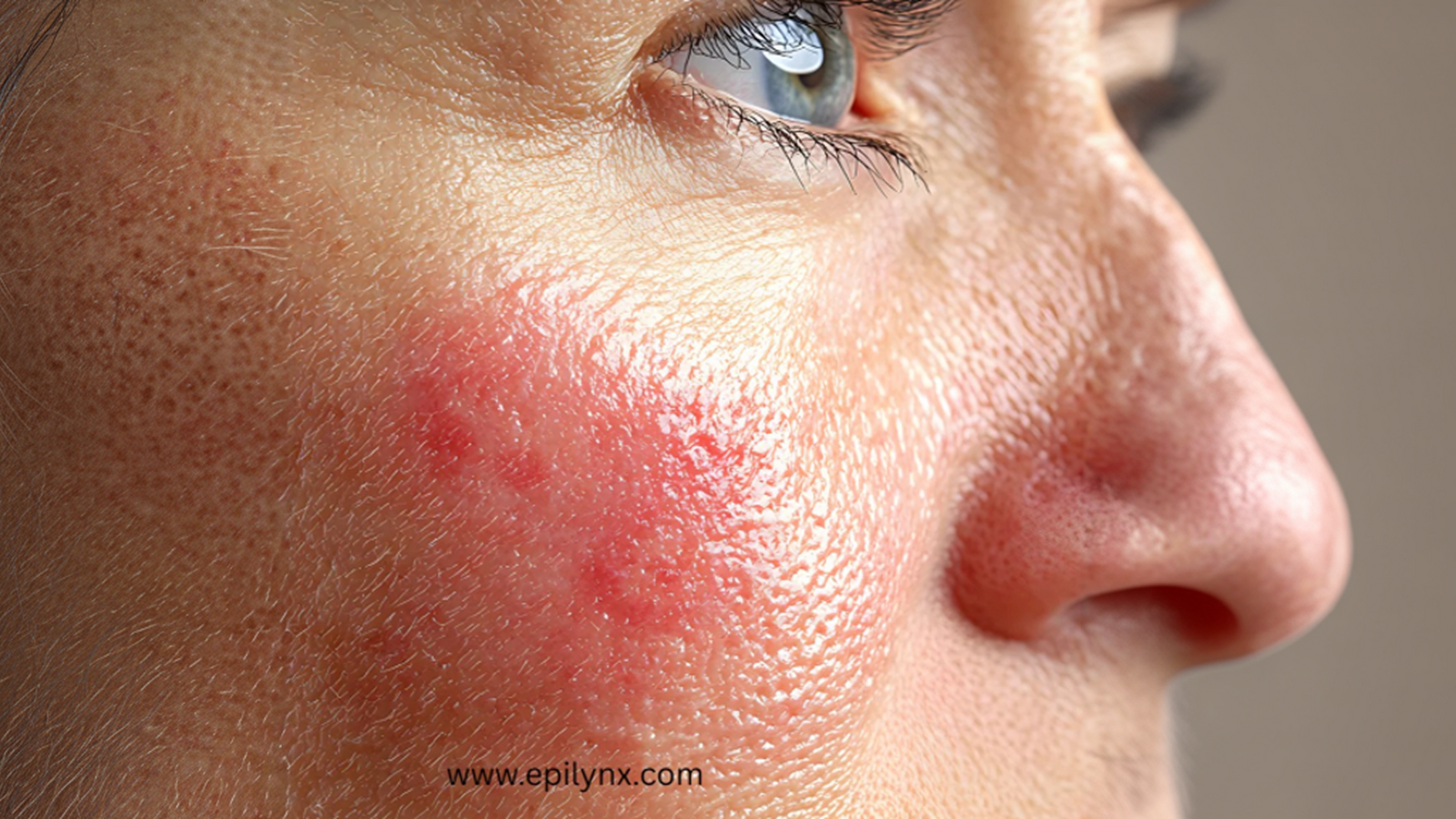
Sensitive skin may feel confused. One day your skin feels calm and smooth and the next it feels red, dry or irritated. Many people face this problem, but do not always understand why it happens.
Sensitive skin usually reacts faster than other skin types. Simple things like weather changes, perfumes, harsh ingredients or even stress can cause discomfort. As a result, many people are looking for sensitive skin care products that are gentle and safe.
One approach that continues to gain attention is hypoallergenic skin care. These formulas are designed to avoid common irritants and help protect the skin barrier.
People looking to explore gentle beauty solutions often start with carefully formulated, hypoallergenic skincare products available at Epilynxwhich focuses on sensitive and allergy-prone skin.
Understanding what really causes sensitive skin can make a huge difference in how you take care of it.
Why does sensitive skin happen?
Sensitive skin often reacts when the skin barrier becomes weak or irritated. Learning how the skin barrier works and the components that affect it can help people make better skincare choices. For a deeper understanding of gentle ingredients and skincare science, you can also explore this guide sensitive skin and hypoallergenic beauty products.
A simple everyday scenario
One morning, a new skincare product was added to the daily routine. The packaging looked beautiful and the scent was pleasant.
At first everything felt good. But after a few hours, the skin started to get hot and itchy.
Later that evening, redness appeared on the cheeks. The skin felt tight and uncomfortable.
After discontinuing the product and switching to soft hypoallergenic skin carethe irritation slowly faded. Within a few weeks, the skin felt calm again.
This condition happens more often than people realize. Sometimes, the smallest change in ingredients can affect sensitive skin.
Common causes of sensitive skin
Sensitive skin reactions often result from a combination of factors rather than just one cause.
Harsh ingredients are one of the biggest reasons. Strong perfumes, alcohol and chemical dyes can irritate sensitive skin.
Excessive exfoliation is another common problem. While exfoliating removes dead skin cells, doing it too often can damage the protective barrier.
Environmental stress can also play a role. Pollution, cold wind, heat and sun exposure can weaken the skin barrier over time.
Allergic reactions are another cause. Some people are sensitive to certain ingredients such as preservatives, minerals or essential oils.
When these stimuli are reduced and mild hypoallergenic care products are used, the skin often begins to recover.
The science behind hypoallergenic skin care
Hypoallergenic skin care focuses on minimizing ingredients that commonly cause irritation.
Instead of harsh chemicals, these products rely on gentle and balanced formulas designed to support the skin barrier.
For people with sensitive skin, switch to skin care for sensitive skin that avoids harsh irritants can make a noticeable difference.
Many people are exploring safe beauty options through Skin care collectionswhere products are created with the needs of sensitive skin in mind.
But the science behind sensitive skin goes even deeper. Some fascinating facts explain why hypoallergenic skin care matters.
15 fun facts about sensitive skin beauty and hypoallergenic products
Sensitive skin beauty can feel like a journey. Hypoallergenic products act as a guide to help the skin stay calm and protected.
Here are some interesting facts that explain the science behind sensitive skin.
1. Sensitive skin is very common
About half of people worldwide report having sensitive skin. Many experience redness or irritation when exposed to certain chemicals or ingredients.
Using gentle hypoallergenic skin care can help reduce these reactions and support healthier skin.
Sensitive skin is often compared to a picky eater. It just reacts better when only safe ingredients are used.
2. Your skin barrier acts as a shield
The skin barrier acts as a protective force field.
When the barrier is weakened, irritants penetrate the skin more easily and cause reactions.
Ingredients like ceramides help strengthen this barrier and improve skin protection.
That’s why people looking to repair a damaged skin barrier naturally often focus on gentle hydration and barrier-supporting ingredients.
Some people also include soothing treatments that help improve pores and reduce redness, such as going gluten-free Hypoallergenic glow serumwhich refines pores and supports sensitive skin while helping to restore the barrier.
3. Fragrance-free products matter
Fragrance is one of the most common skin care irritants.
Even small amounts can cause redness, itching or rashes in people with sensitive skin.
Hypoallergenic skincare formulas avoid synthetic fragrances, allowing skin to remain calm and balanced.
4. Skin pH plays an important role
Healthy skin usually has a pH level close to 5.5.
When the pH becomes unbalanced, bacteria can grow more easily and cause breakouts or irritation.
Many hypoallergenic care products are designed to maintain this natural pH balance.
5. Paraben-free formulas are often preferred
Parabens are preservatives commonly used in cosmetics.
Some people experience irritation or sensitivity when using products containing them.
Hypoallergenic skin care often uses alternative ingredients that are gentler on sensitive skin.
6. Metals can cause skin reactions
Certain metals such as nickel can cause contact dermatitis.
People with sensitive skin may experience redness or itching when exposed to these materials.
Hypoallergenic cosmetics often avoid metals that can cause reactions.
7. Artificial dyes can irritate the skin
Color dyes are sometimes added to cosmetics to improve appearance.
However, some dyes can irritate sensitive skin, especially around the eyes.
Hypoallergenic products are often based on mineral pigments.
8. Irritation can accelerate skin aging
When the skin is constantly irritated, inflammation increases.
This can weaken collagen and cause premature aging.
Noble skin care for sensitive skin helps reduce irritation and supports healthier skin over time.
9. The skin microbiome matters
Your skin contains millions of beneficial microorganisms.
When this balance is disturbed, spasms and irritation may occur.
Some hypoallergenic skin care formulas include ingredients that help maintain a healthy microbiome.
10. Latex can cause reactions
Latex is sometimes used in beauty tools and packaging.
However, some people are sensitive to latex and may experience irritation.
Hypoallergenic alternatives often use safer synthetic materials.
11. Dairy-based ingredients may irritate the skin
Some cosmetic ingredients derived from milk proteins may cause irritation in some people.
Herbal formulas are often used in mild skin care products.
12. Essential oils can sometimes cause sensitivity
Essential oils are natural but still powerful.
Some people experience irritation when essential oils are frequently used in skin care.
Hypoallergenic skincare formulas usually avoid these ingredients or use them in very small amounts.
13. Heat can increase redness
High temperatures can worsen redness on sensitive skin.
Cooling gels and soothing ingredients help reduce discomfort.
This is why soothing skin care is often recommended for sensitive skin.
14. Dermatological testing improves safety
Many hypoallergenic products undergo extensive testing to reduce the risk of reactions.
This testing helps ensure the formulas are safe for people with sensitive skin.
15. Gentle skin care can also be sustainable
Many hypoallergenic brands also focus on environmentally friendly ingredients.
This approach supports both skin health and environmental health.
Building a simple routine for sensitive skin
Sensitive skin usually responds best to simple routines.
Using too many products can overwhelm the skin barrier.
A gentle routine often includes a mild cleanser, a soothing moisturizer and daily sun protection.
When the skin barrier is supported with hypoallergenic skin care, the skin slowly becomes stronger and less reactive.
Frequently asked questions about sensitive skin
Many people around the world are looking for answers about sensitive skin. Here are some common questions.
What causes sensitive skin?
Sensitive skin can be caused by harsh ingredients, environmental stress, allergies or a weakened skin barrier.
What does hypoallergenic skin care mean?
Hypoallergenic skin care refers to products designed to reduce the risk of allergic reactions by avoiding common irritants.
How can I repair a damaged skin barrier naturally?
Many people repair their skin barrier by keeping routines simple, staying hydrated and choosing gentle skin care for sensitive skin which protects the outer layer of the skin.
Are hypoallergenic skin care products better for sensitive skin?
Yes. Because they avoid many common irritants, hypoallergenic care products it is often a safer option for people with sensitive or reactive skin.
Gentle skin care can transform sensitive skin
Sensitive skin doesn’t have to feel frustrating forever.
By understanding the causes of irritation and choosing the right routine, it is possible to support the skin and restore balance.
Switch to mild hypoallergenic skin care helps protect the skin barrier and reduce unnecessary irritation.
Carefully designed products, such as skin care productscan help people find safe options that support sensitive skin.
With patience, simple routines and the right ingredients, sensitive skin can become calmer, healthier and more comfortable every day.
