There are many diets that promise to help you lose weight, feel better, and become healthier. But there are only a few cultures whose diet is believed to extend their longevity – the Blue Zones diet.
Based on the eating habits and lifestyles of people living in classified ‘blue zones’, the Blue Zones diet – which includes nine behavioral factors of which consumption is only three – boasts the means to add years to your life. your lifetime. Unlike many other diets, however, this approach to eating is not a precise list of dos and don’ts.
In reality, people in these various Blue Zones do not consume the same diet. What they share are common nutritional elements that may help them live longer lives. Curious how?
What is the Blue Zones Diet?
The Blue Zones Diet is based on the eating habits of five unique communities around the world with impressive lifespans. These “blue zones” were first described in a 2005 National Geographic article by Dan Buettner. He eventually went on to write the New York Times bestseller The Blue Zones.
Buettner’s work extended to longevity studies by researchers Gianni Pes and Michel Poulain. They looked at which regions of the world had the highest numbers of centenarians (people who lived 100 years or more).
During their research, Pes and Poulain drew blue circles on a map around the areas with the highest concentrations. These became the Blue Zones.
Together, Buettner, Pes, and Poulain identified five key locations around the world that share common characteristics that lead to improved longevity.
What are the Five Blue Zones?
So where are the Blue Zones? You might be surprised to learn how widespread and unique these locations are.
From a rocky Mediterranean island on a verdant peninsula in Costa Rica to an inland community in Southern California, the Blue Zones are as diverse as they are geographically dispersed.
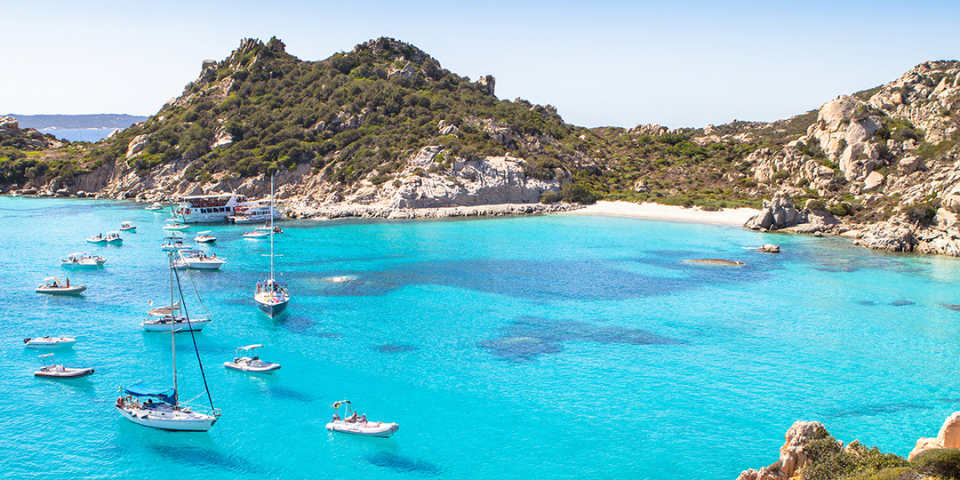
- Sardinia, Italy: The mountainous province of Oliastra boasts 10 times more centenarians per capita than the US and, perhaps even more interestingly, the men live as long like women.
- Ikaria, Greece: One in three inhabitants of this Greek island reaches their ninth decade. What percentage of the US population lives to see 90? About half a percent.
- Okinawa, Japan: Those who live on this Japanese island have 80 percent fewer heart attacks than Americans, as well as lower rates of heart disease, cancer and dementia.
- Loma Linda, California: This inland Seventh-day Adventist community includes among its members some of the longest-lived people in North America, often outliving their counterparts by a decade or more.
- Nicoya Peninsula, Costa Rica: On the Pacific coast of the Central American country, the Nicoya Peninsula boasts the world lower rates of the average age of mortality and second highest concentration of men who live to be 100.
What do people eat in the Blue Zones?
Perhaps the most surprising thing about the Blue Zones diet is that those who live in blue zones do not eat the same. Okinawans avoid almost all dairy, making up almost a quarter of the Nicoyan diet. Whole grains make up almost half of Sardinians’ intake, while fruits and vegetables account for 50 percent of the Seventh-day Adventist diet.
“While they have some differences, it’s the commonality they all have that we believe can move the needle on long-term health,” explains Buettner. Despite their diversity, Buettner found that the diets of those in the Blue Zones share 11 key commonalities. Here are five of the biggest.
1. Mainly plants
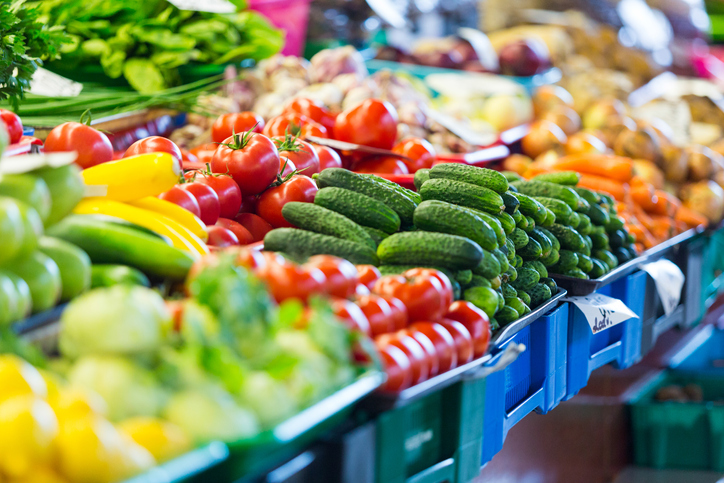
“In general, the longest-lived people in the world get over 90 percent of their calories from whole plant foods,” says Buettner. For people in the Blue Zones, their diet consists of a majority of fruits, vegetables, grains and legumes — over 95 percent for some communities.
This contrasts with the traditional American diet in which 27 percent of calories consumed come from animals. More alarmingly, 37 percent of this diet consists of sugar and fat, according to National Geographic.
If you’re looking for the biggest blue belt bang for your buck, start here, suggests Buettner. “If you eat mostly plants, you’ll fill your plate and your body with nutrient-dense foods and remove other processed foods from your lifestyle.”
2. The whole food
The term is thrown around so freely that you could excuse yourself for not knowing what it means to eat “whole foods” anymore. Simply put, residents in the blue zones eat single-ingredient foods that occur in nature in their entirety.
No industrially degradable food ingredients. Not Cliff Notes versions of foods that get to their most delicious parts (eg separating the juice from the pulp).
If it’s a grain, eat the germ and bran, instead of a bleached, refined flour that comes from what’s left. If it’s a vegetable, eat what’s edible, rather than peeling, peeling or consuming fried chips. If it is a fruit, eat it dry and without juice to enjoy all its benefits.
3. Beans
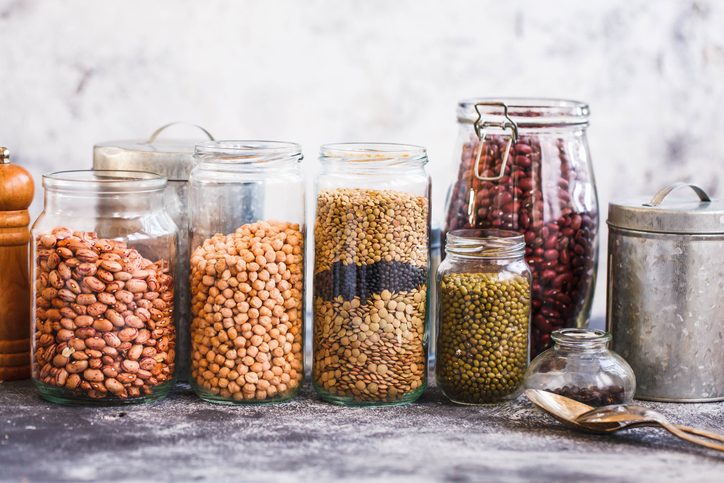
Another longevity powerhouse among blue zone eaters is legumes. Most residents living in blue zones consume ½ to 1 cup of beans a day, Buettner says. Not only are they cheap and easy to maintain, they also offer a good balance of protein and complex carbohydrates while being high in fiber.
Black beans… white beans… lentils… garbanzos… While each blue belt region may consume different types of beans, each has its own unique culinary traditions to make them delicious, Buettner says.
4. Water
Baking soda is not a healthy moisturizer. Neither do energy drinks, milk shakes or the purple liquid in plastic tinfoil barrels, which is why Buettner says most blue-belt centenarians have never even heard of them.
Exceptions for blue zones include coffee, tea and the occasional glass of wine, which can be brewed naturally – and even offer their own benefits. Water is essential for almost every biological process, so you can consume it without cutting it.
5. Nuts
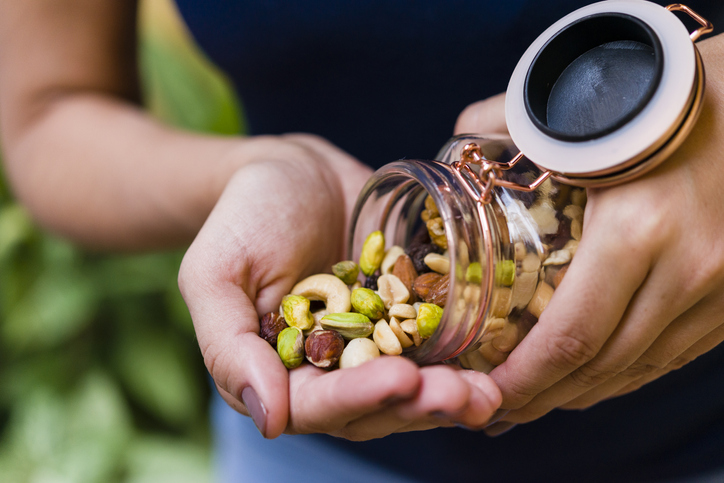
If you need a snack, choose nuts. According to Buettner’s research, blue belts eat about four ounces of them a day—about as much as two whole handfuls.
The Adventist Health Study found that nut eaters they live longer and have fewer heart problems. The study found that Adventists who ate nuts at least five days a week lived on average two years more than their counterparts who avoid nuts.
And isn’t this particular nut the secret? The Nikonians prefer Aegina pistachios while the Ikarians prefer almonds. The Best Diet Choice for Blue Belts? Eat a wide range of nuts, which can provide a variety of important nutrients, including protein, vitamin E, selenium and magnesium.
You can see the rest of the nutrition guidelines for the Blue Zones diet here.
Do people in Blue Zones drink alcohol?
While people in the Blue Zones cut back on meat, dairy and sweets, alcohol – especially red wine – is a daily staple for many.
“People in four authentic blue belt areas drink alcohol moderately and regularly,” Buettner explains. “The trick is to drink one to two glasses a day with friends and/or with food. not an all-out Saturday night binge.”
It’s also important to note that these are not 32-ounce Big Gulps of red wine, but servings of three to four ounces each. Cannonau wine from Sardinia (known elsewhere as Grenache or Garnacha) is particularly beneficial.
Compared to other wines, research has shown to contain two or three times higher levels of flavonoids, which have a strong antioxidant and anti-inflammatory effect.
While research on the benefits of moderate alcohol consumption is mixed, recent studies show that moderate alcohol consumption (give an amount, eg one glass/day for women, two for men) can increase long life and could possibly help maintaining cognitive health.
Do people in Blue Zones drink coffee?
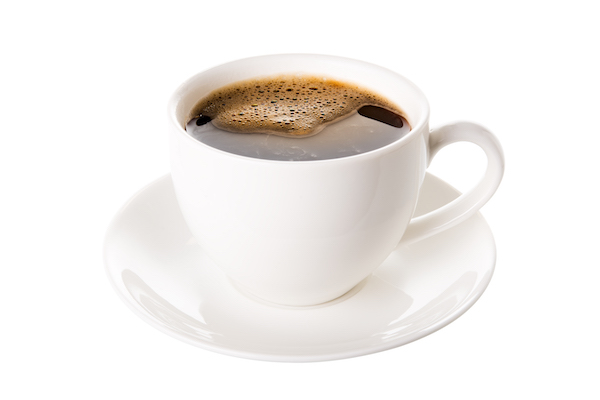
Along with water, tea and wine, coffee is a staple beverage for those living in blue zones. “Coffee is a daily ritual in most blue belt areas,” says Buettner. “Most centenarians drink up to two or three cups of black coffee a day.”
Studies have found that moderate coffee consumption promotes heart health. But studies suggest that a few cups of joe a day can positively affect blood sugar, depression and obesity.
However, the way coffee is consumed in blue zones may be key to its benefits. There they usually enjoy it black or lightly sweetened.
Other traits of those who live in blue zones
The benefits you enjoy in Blue Zones are not solely attributable to diet. Along with a team of medical researchers, anthropologists, demographers and epidemiologists, Buettner found nine key factors that have the greatest impact on lifespan.
- Regular physical activity
- A sense of purpose
- Minimal daily stress
- Moderate calorie intake
- A diet of mainly plant origin
- Alcohol in moderation
- Spirituality or religion
- Emphasis on family
- Strong social life
It’s important to remember that nutrition is only one element of the Blue Zones.” Power 9, as Buettner calls them. And while diet is key, says the clinical nutritionist Jacqui JusticeMS, CNS, there are not enough leafy greens and beans you can eat to overcome the modern stress that plagues many people.
“When you look at the Blue Zones diet, lifestyle is definitely a key element,” he says. “Certainly, almost every dietitian, nutritionist and wellness doctor would agree that most people need more vegetables. But stress is also a huge aspect for most people. “
Buettner agrees. “While diet and exercise are important, if you’re stressed, lonely or aimless, you may struggle to make it to your 100th birthday,” she says. Stress in particular causes inflammation in your body, which is endemic to almost every age-related disease.
So eat more fruits and vegetables. Add some beans to your diet. But also look for ways to reduce your daily stress, be physically active, and connect more with family and friends. Maybe even over a glass of wine and a handful of nuts.