

Close Menu
Healthtost
  • News
  • Mental Health
  • Men’s Health
  • Women’s Health
  • Skin Care
  • Sexual Health
  • Pregnancy
  • Nutrition
  • Fitness
  • Recommended Essentials
What's Hot

Junior Nsemba’s 3 best drills for strength, speed and dominance on the rugby field

July 3, 2026

Can ibuprofen improve the treatment of drug-resistant tuberculosis?

July 3, 2026

How much do friends affect the mental health of teenagers? What a new study can (and can’t) tell us

July 3, 2026
Facebook X (Twitter) Instagram
  • About Us
  • Contact Us
  • Privacy Policy
  • Terms and Conditions
  • Disclaimer
Facebook X (Twitter) Instagram
Healthtost
SUBSCRIBE
  • News

    Can ibuprofen improve the treatment of drug-resistant tuberculosis?

    July 3, 2026

    Tailored drug combinations improve outcomes for treatment-resistant advanced melanoma

    July 2, 2026

    Plant-based diets offer heart benefits but may require supplementation

    July 2, 2026

    LEF1 and niche-derived factors regulate T cell stemness in chronic diseases

    July 1, 2026

    Obesity may account for up to one in four cases of polypharmacy

    July 1, 2026
  • Mental Health

    How much do friends affect the mental health of teenagers? What a new study can (and can’t) tell us

    July 3, 2026

    What happens in your blood when you are stressed? We put it to the test

    June 28, 2026

    Why negative news grabs our attention and what it means for our mental health

    June 25, 2026

    Everyone wants to think they’re open-minded – here’s why most people aren’t

    June 24, 2026

    five tips from influential thinkers to calm your nerves

    June 19, 2026
  • Men’s Health

    Genetics play a bigger role than pregnancy in childhood obesity risk

    July 1, 2026

    A link between e-cigarettes and oral cancer

    July 1, 2026

    James Michener, My Father and Me: Finding Our Place in the World and Embracing the Mysteries of Life

    June 30, 2026

    Welcome (Back) to MDA! Start here.

    June 29, 2026

    10 irrational thought patterns that increase anxiety

    June 28, 2026
  • Women’s Health

    Dopamine Diet: How to Eat for Better Mood, Motivation, and Focus

    July 3, 2026

    Why is my sinus breaking? Causes of Pelvic Floor Contractions – Vuvatech

    July 1, 2026

    Benefits of choline during pregnancy | The Wellness Blog

    June 30, 2026

    How Victoria eliminated her hip pain in just 10 weeks

    June 30, 2026

    Understanding the causes of thinning female hair

    June 29, 2026
  • Skin Care

    Why Jojoba Beads Beat Coconut Shell Pow

    July 3, 2026

    A Promising New Painless Home Treatment – SkinCare Physicians

    July 2, 2026

    The Best Skin Care Products for Men, According to a Celebrity Facialist

    July 1, 2026

    Sunscreen mistakes that could leave your sensitive skin unprotected

    June 30, 2026

    Body Smooth | The body scrub that started it all – Tropic Skincare

    June 29, 2026
  • Sexual Health

    Climate justice is reproductive justice

    July 2, 2026

    5 STDs that can cause bruising

    July 2, 2026

    Complete Guide to 2026 — Sexual Health Alliance

    June 30, 2026

    Five things you need to know about herpes

    June 28, 2026

    Fildena 120 Best Time To Take

    June 26, 2026
  • Pregnancy

    Yoga, Pregnancy, Motherhood and Connection

    July 2, 2026

    Yoga poses for expectant mothers

    June 28, 2026

    Not too much, not too little: Finding the gold of vitamins and minerals

    June 27, 2026

    Clean Beauty Myths A dermatologist wants every mom to stop believing

    June 26, 2026

    “Is it a boy or a girl?” Old Wives’ Tales Gender Prediction Summary

    June 23, 2026
  • Nutrition

    5 easy tips + a kid-approved menu

    July 1, 2026

    Healthy Raspberry Lemon Snack Loaf

    June 30, 2026

    Raspberry Ginger Lime Detox Water

    June 29, 2026

    6 Lunch Recipes in 10 Minutes – JSHealth

    June 28, 2026

    Benefits of seeds: Exploring nutritional powerhouses

    June 27, 2026
  • Fitness

    Junior Nsemba’s 3 best drills for strength, speed and dominance on the rugby field

    July 3, 2026

    Meet the P90X Supplement System: Five Products. A powerful performance system.

    July 2, 2026

    6.26 Friday Faves – The Fitnessista

    June 30, 2026

    9 Useful Fitness Tips for an Unmotivated Person

    June 29, 2026

    Is your body stuck in a state of stress? Here’s what you need to know

    June 28, 2026
  • Recommended Essentials
Healthtost
Home»News»Can ibuprofen improve the treatment of drug-resistant tuberculosis?
News

Can ibuprofen improve the treatment of drug-resistant tuberculosis?

healthtostBy healthtostJuly 3, 2026No Comments5 Mins Read
Facebook Twitter Pinterest LinkedIn Tumblr Reddit WhatsApp Email
Can Ibuprofen Improve The Treatment Of Drug Resistant Tuberculosis?
Share
Facebook Twitter LinkedIn Pinterest WhatsApp Email

Could a common over-the-counter anti-inflammatory drug become a new weapon against drug-resistant TB? Early findings suggest immune benefits, but larger trials are needed to determine whether these translate into improved patient outcomes.

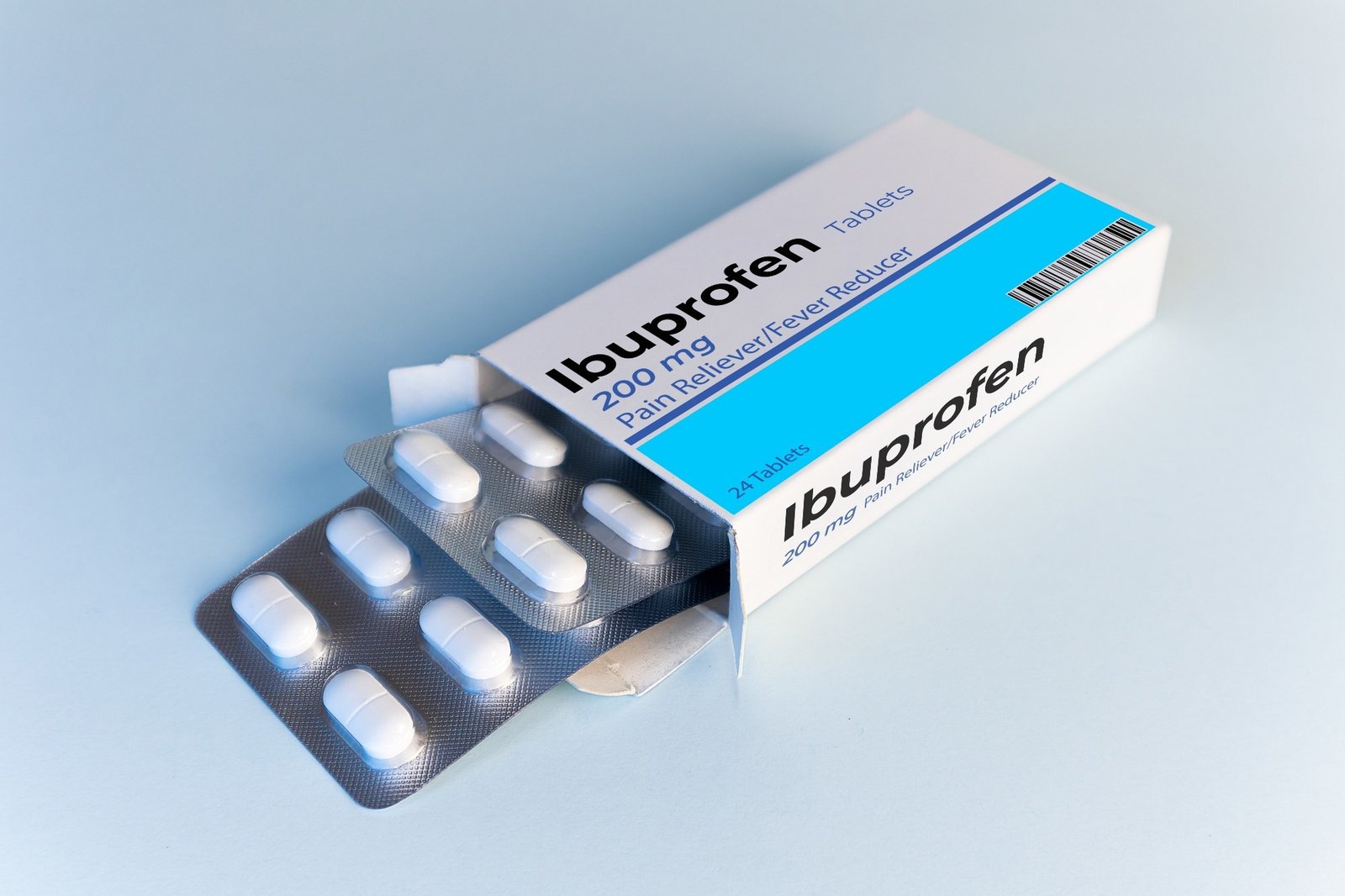
Study: Adjuvant ibuprofen in extensively drug-resistant and extensively drug-resistant tuberculosis: an open-label phase IIA pilot clinical trial. Image credit: george martin studio/Shutterstock.com

Adding ibuprofen to standard treatment for highly drug-resistant tuberculosis did not improve clinical outcomes in a pilot trial, although the anti-inflammatory drug showed signs of reducing inflammation, according to a study published in Nature communications.

Can ibuprofen improve outcomes in drug-resistant tuberculosis?

Tuberculosis (TB) is an airborne bacterial infection that mainly affects the lungs and can be spread from person to person. It is among the top ten causes of death worldwide. Drug-resistant tuberculosis remains a major global public health challenge, as drug-resistant bacteria do not respond to the antibiotics used to treat the infection.

The most effective antibiotics against tuberculosis include rifampicin, isoniazid, pyrazinamide, and ethambutol. However, overuse or inappropriate use of these antibiotics can lead to the emergence of drug-resistant or multi-resistant bacteria.

Given the increasing prevalence, greater disease severity, limited therapeutic options, and poorer disease outcomes in multidrug-resistant or extensively drug-resistant TB, it has become necessary to develop new therapies that suppress pathogen survival and pathogenesis by affecting host immune responses and cellular processes.

Host-directed therapies have emerged as a promising alternative to improve treatment outcomes by targeting the host immune system and controlling tissue damage and hyperinflammation. However, most of the drugs that have been proposed as host-directed therapeutics, including thalidomide and etanercept, have shown serious side effects in clinical trials.

Ibuprofen is a nonsteroidal anti-inflammatory drug that has been used for decades to treat pain, fever, and inflammation. In animal models of TB, this drug has shown promise in reducing lung damage, suppressing the burden of infection, and increasing survival.

Given these preclinical benefits, the current The phase IIA open-label pilot trial was designed to evaluate the feasibility, safety, and biological activity of adjunctive ibuprofen in adults with extensively drug-resistant or extensively drug-resistant tuberculosis in Georgia.

A total of 28 patients participated in the trial, all of whom received personalized anti-tuberculosis treatment. Half of the participants received an additional 400 milligrams of ibuprofen daily for two months as adjunctive therapy, while the remaining participants received individualized TB treatment alone and served as controls. Patients were followed for six months.

Clinical outcomes were unchanged with adjunctive ibuprofen

Analysis of bacterial cultures showed that two-month treatment with ibuprofen did not increase the proportion of patients with negative sputum cultures at two months, and both groups achieved negative sputum cultures at six-month follow-up.

Similarly, both the control and ibuprofen groups showed similar improvements in radiological signs over time, including primary and secondary parenchymal abnormalities, nodular lesions, and pleural abnormalities.

Although ibuprofen did not improve final treatment outcomes, with approximately 71% of participants in both groups classified as cured at the end of follow-up, it was associated with numerically greater reductions in blood-based inflammatory mediators and transcriptional signature scores associated with poor TB outcomes than the control group.

Because reducing inflammation didn’t improve outcomes

Preliminary findings from this phase IIA pilot trial indicate that the addition of a 2-month course of ibuprofen to individualized antituberculosis therapy did not improve microbiological, radiologic, or clinical outcomes compared with individualized antituberculosis therapy alone. Both treatment approaches also showed similar safety and tolerability, suggesting that low-dose adjunctive ibuprofen was feasible but did not provide measurable clinical benefit during the study period.

Although these clinical outcomes were comparable, the researchers observed exploratory evidence of immunomodulatory activity in the ibuprofen group. Compared with the standard care group, participants who received ibuprofen had numerically greater decreases in the monocyte-to-lymphocyte ratio, a marker previously associated with greater severity of TB. This finding suggests that ibuprofen may affect inflammatory pathways involved in disease progression and supports further investigation of the drug as a host-directed therapy.

This pattern extended to circulating immune mediators, with participants receiving ibuprofen showing numerically greater reductions in both pro- and anti-inflammatory cytokines than those receiving standard therapy alone. The researchers suggest that this may reflect ibuprofen’s action as a non-selective cyclooxygenase inhibitor, which can alter the prostaglandin-mediated feedback loops that regulate cytokine production.

However, they emphasize that these immune patterns are exploratory and cannot be attributed specifically to ibuprofen due to the trial’s small sample size, baseline differences between groups, and variation in individualized TB regimens.

A similar trend was observed in the transcriptional analyses. Ibuprofen-treated participants showed greater reductions in blood RNA signature scores previously associated with TB treatment failure. These signatures are enriched for neutrophil-related genes, which are expressed at higher levels in patients who eventually experience treatment failure, suggesting that excessive inflammation before treatment may contribute to worse outcomes.

Despite these encouraging biological signals, they did not translate into improved microbiological or clinical outcomes. The researchers suggest several possible explanations, including the study’s small sample size, imbalances at baseline between treatment groups, the open design, the absence of a placebo control, and differences in individualized anti-TB regimens.

They also suggest that the relatively low dose of ibuprofen may not have reduced inflammation enough to change the TB disease course. Together, these findings support further evaluation of higher doses or alternative host-directed therapies in larger, adequately powered, placebo-controlled trials.

Pilot findings support larger TB trials of ibuprofen

Overall, this pilot trial highlights the feasibility of using ibuprofen 400 milligrams once daily as adjunctive therapy during the intensive phase of treatment in adults with extensively drug-resistant or extensively drug-resistant tuberculosis.

While the findings support further investigation of NSAIDs as host-directed therapies, the authors conclude that larger, adequately powered, placebo-controlled trials are needed to determine whether these immune effects translate into significant clinical benefits.

Download the PDF copy by clicking here.

Journal Reference:

  • Fonseka KL. (2026). Adjuvant ibuprofen in extensively drug-resistant and extensively drug-resistant tuberculosis: an open-label phase IIA pilot clinical trial. Nature communications. DOI:
drugresistant ibuprofen Improve Treatment tuberculosis
bhanuprakash.cg
healthtost
  • Website

Related Posts

Tailored drug combinations improve outcomes for treatment-resistant advanced melanoma

July 2, 2026

Plant-based diets offer heart benefits but may require supplementation

July 2, 2026

A Promising New Painless Home Treatment – SkinCare Physicians

July 2, 2026

Leave A Reply Cancel Reply

Don't Miss
Fitness

Junior Nsemba’s 3 best drills for strength, speed and dominance on the rugby field

By healthtostJuly 3, 20260

Junior Nsemba has become a dominant striker for Wigan Warriors, helping his side work towards…

Can ibuprofen improve the treatment of drug-resistant tuberculosis?

July 3, 2026

How much do friends affect the mental health of teenagers? What a new study can (and can’t) tell us

July 3, 2026

Dopamine Diet: How to Eat for Better Mood, Motivation, and Focus

July 3, 2026
Stay In Touch
  • Facebook
  • Twitter
  • Pinterest
  • Instagram
  • YouTube
  • Vimeo
TAGS
Baby benefits body brain cancer care Day Diet disease exercise finds Fitness food Guide health healthy heart Improve Life Loss Men mental Natural Nutrition Patients People Pregnancy research reveals risk routine sex sexual Skin Skincare study Therapy Tips Top Training Treatment ways weight women Workout
About Us
About Us

Welcome to HealthTost, your trusted source for breaking health news, expert insights, and wellness inspiration. At HealthTost, we are committed to delivering accurate, timely, and empowering information to help you make informed decisions about your health and well-being.

Latest Articles

Junior Nsemba’s 3 best drills for strength, speed and dominance on the rugby field

July 3, 2026

Can ibuprofen improve the treatment of drug-resistant tuberculosis?

July 3, 2026

How much do friends affect the mental health of teenagers? What a new study can (and can’t) tell us

July 3, 2026
New Comments
    Facebook X (Twitter) Instagram Pinterest
    • About Us
    • Contact Us
    • Privacy Policy
    • Terms and Conditions
    • Disclaimer
    © 2026 HealthTost. All Rights Reserved.

    Type above and press Enter to search. Press Esc to cancel.