


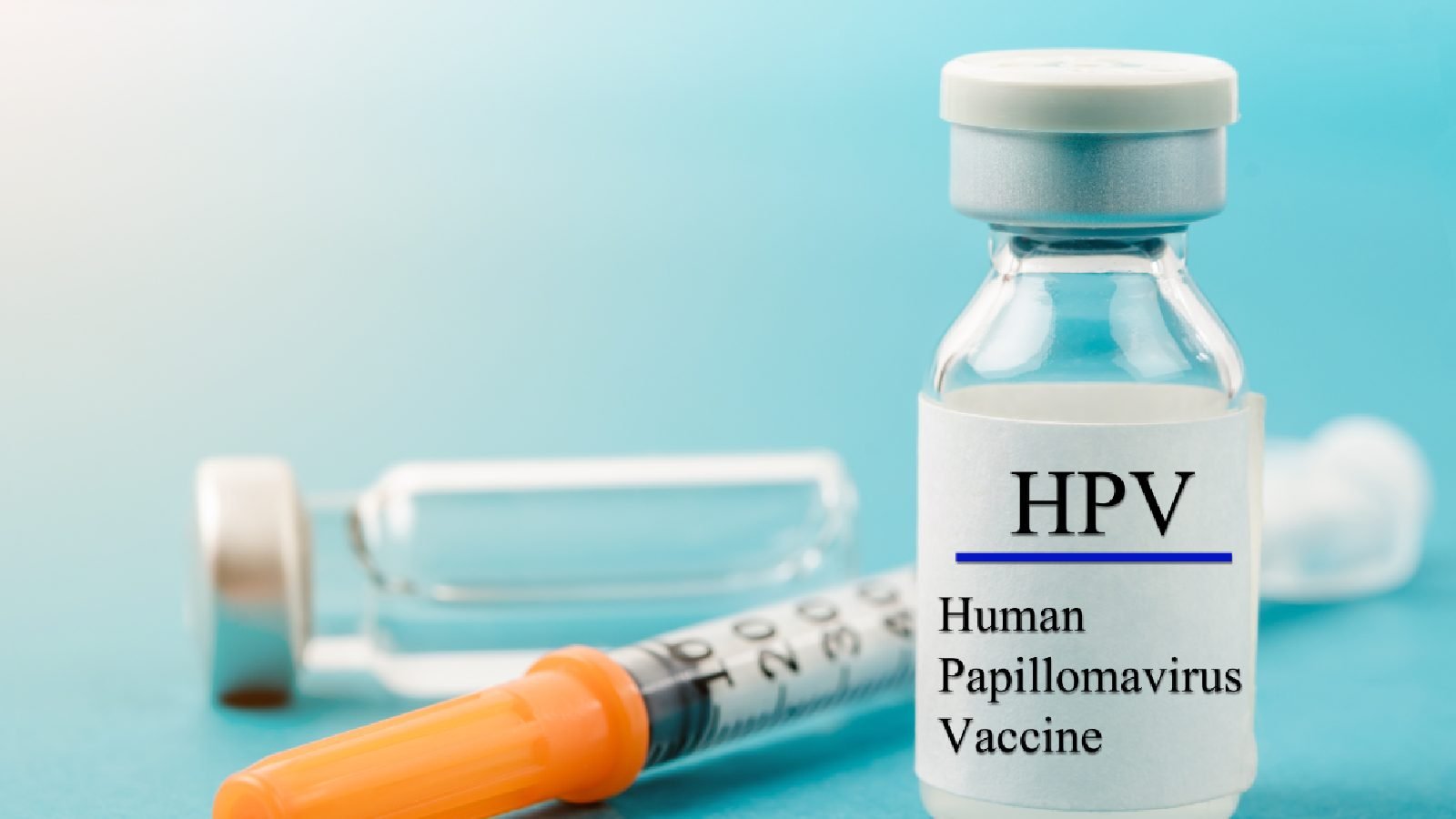
Can HPV or human papillomavirus be transmitted by walking barefoot without close skin-to-skin contact? Read on to find out!
Human papillomavirus (HPV) is a common viral infection that is usually spread through intimate contact, mainly during sexual activity. However, a viral Instagram video has sparked concerns about its possible spread through casual contact, such as walking barefoot or touching contaminated surfaces. In the video, Dr. Myro Figura, a physician and anesthesiologist, suggests that human papillomavirus can also be contracted by coming into contact with objects or surfaces touched by an infected person or by walking barefoot in public places. Although this claim has raised questions, it is important to clarify that most strains of this infection, especially those associated with warts and genital cancer, are primarily transmitted through direct skin-to-skin contact during sexual activity. The risk of contracting the human papillomavirus from touching objects or walking barefoot is extremely low, as the virus requires close contact to spread effectively.
HPV transmission: Viral video shows it can spread without skin-to-skin contact
Recently, popular content creator Dr Myro Figura shared a reel on his Instagram, claiming that HPV (human papilloma virus) can be transmitted without intimate contact. In the viral video, Dr. Figura says that HPV as a sexually transmitted disease can be spread even without being sexually active. It lists several ways the virus could be spread, including holding hands, touching shopping carts, doing your nails and walking barefoot. Dr. Myro Figura emphasizes that HPV transmission occurs through human-to-human contact, regardless of sexual activity. Let’s find out if the chances of HPV infection are that high!
What is HPV?
HPV, or human papillomavirus, is a sexually transmitted infection made up of more than 200 related viruses that can affect the skin and mucous membranes. While most human papillomavirus infections cause no symptoms and often go away on their own, some high-risk strains can persist and lead to serious health problems. Some types of HPV are responsible for genital warts, while others are linked to cancers, including cervical, anal and throat cancer. A study published in International Journal of Cancer reports that worldwide, human papillomavirus is responsible for approximately 570,000 cases of cancer annually in women and 60,000 in men, accounting for 8.6% and 0.8% of all cancers worldwide, respectively.
What are the symptoms of HPV?
Additionally, in the video, Dr Myro Figura revealed that the most common symptoms of HPV include the presence of a wart on your finger or foot if it is spread without sex. While transmitted through close contact, plantar warts generally form with this infection on the outer layer of skin on the soles of the feet. They develop when the virus enters through breaks, weak spots, or tiny cuts on the bottom of the foot. THE American Cancer Society states that the symptoms of human papillomavirus depend on its types, including cutaneous and mucosal.
1. Warts on areas such as hands, chest, arms or legs.
1. cauliflower-shaped warts around the genitals or anus.
2. Unusual increases
3. Lumps
4. Wounds
Human papillomavirus is primarily transmitted through close skin-to-skin contact during sexual activities, including vaginal, anal, or oral sex. Gynecologist, Dr. Chetna Jain says, “While there are some types of HPV that cause plantar warts (commonly found on the feet), these strains are not usually classified as sexually transmitted infections (STIs) and are less likely to spread through shared surfaces such as as floors. People may associate plantar warts with walking barefoot in public places like swimming pools or locker rooms, but these infections are caused by non-genital strains of HPV and require direct contact with the virus on a surface. However, even this form of transmission is relatively uncommon if proper hygiene is observed.”
You may also like it

Plantar warts are usually caused by strains such as HPV-1 and HPV-2, which can be spread through contact with contaminated surfaces, such as public swimming pools or locker room floors. According to a study published in BMJ Clinical EvidenceRisk factors for developing warts include the use of communal showers, professional meat handling and the immunosuppressed.
Can HPV be spread by touching objects or surfaces?
In a viral video, Dr. Myro Figura suggested that the human papillomavirus could be transmitted by touching surfaces or objects that an infected person has come into contact with. While the human papillomavirus can survive on surfaces for a short time, especially if the surface is wet, the ability of the virus to survive outside the human body is limited. The chance of contracting the human papillomavirus from inanimate objects such as toilet seats or towels is extremely low.
Huan papillomavirus typically requires direct skin-to-skin contact for transmission. “It is not easily transmitted through inanimate objects or surfaces. The virus thrives in moist, mucous tissues, not dry surfaces. For sexually transmitted strains of human papillomavirus, transmission occurs through direct contact with infected genital skin, mucous membranes, or body fluids, usually during vaginal, anal, or oral sex. Although it is theoretically possible for non-genital strains of HPV to spread through contaminated surfaces, this is rare,” says the expert. According to the Gynecology Obstetric Fertility & Senologiewhile human papillomavirus can sometimes be detected on surfaces such as clothing or environmental objects, the risk of infection through these means remains minimal.

How to prevent HPV or human papilloma virus?
The most common and effective way to prevent human papillomavirus is vaccination. It can protect against the most common high- and low-risk strains, reducing the risk of genital warts and some cancers. In the video, Dr. Myro Figura suggests disinfecting the environment to prevent the development of skin types of human papillomavirus. THE Centers for Disease Control and Prevention suggests some tips to prevent this infection:
- The HPV vaccine can protect against diseases, including cancers caused by this infection, when given at the recommended ages.
- Routine screenings for women ages 21 to 65 can help prevent cervical cancer.
- If you are sexually active, use proper condoms to reduce the risk of transmission.
- Maintain a mutually monogamous relationship to reduce your risk of HPV.
- If you or your partner have genital warts, avoid sexual activity until the warts disappear.
HPV and skin-to-skin contact: Why is it an STD?
Human papillomavirus is classified as a sexually transmitted disease (STD) because its main mode of transmission is through intimate contact. “While there are over 200 strains of HPV, about 40 of them specifically affect the genital area and are transmitted through vaginal, anal or oral sex. These are the strains associated with genital warts and various cancers, including cervical, rectal and throat cancers,” says Dr Chetna Jain.
The virus can spread even when the infected person shows no visible symptoms, such as genital warts. Although the virus can survive on surfaces for a short time, it typically requires direct contact with infected skin or mucous membranes to be transmitted. According to the Office on Women’s Health, US Department of Health and Human Servicesabout 80 percent of women will contract at least one type of human papillomavirus during their lifetime. In addition to sexual intercourse, it can also be transmitted from a mother to her baby during childbirth.
Is there a cure for HPV?
There is no cure for HPV itself, but there are treatments for the health problems it causes. In most cases, these infections clear up on their own, especially for low-risk strains. However, when it causes genital warts or leads to abnormal cell changes, treatment options are available. These may include topical medications (such as imiquimod or podofilox), cryotherapy (freezing warts), or surgical removal of warts. For abnormal cervical cells, procedures such as colposcopy, LEEP, or cryotherapy may be recommended to prevent cancer. THE Centers for Disease Control and Prevention (CDC) emphasizes that routine Pap tests and follow-up care can detect precancerous changes early, allowing treatment before cancer occurs. HPV vaccination also helps prevent infections from high- and low-risk strains, reducing the risk of related genital cancers and warts.
Although the chances of contracting HPV from walking around barefoot or touching surfaces are small, it’s still best to take preventative measures. Disinfect your environment and consult your healthcare provider for regular check-ups and better guidance.
Related FAQs
Are all strains of HPV sexually transmitted?
No, not all strains of HPV are sexually transmitted. “The strains that cause common warts on the hands and feet are not considered STDs. However, the classification as an STD applies specifically to genital HPV strains because of how they are transmitted,” adds Dr. Chetna Jain.
What is the main mode of HV transmission?
Sexual intercourse is the main factor in the transmission of HPV. “These strains are spread through direct contact with infected genital skin or mucous membranes, ranking them alongside other STIs such as chlamydia and herpes,” says Dr Chetna Jain.
What is a common misconception about HPV?
The most common misconception about HPV is that it can only be spread through sexual contact. “People assume that all HPV infections or all STDs are spread the same way. The classification as an STD reflects the method of transmission of particular strains, not the virus as a whole.”
