

Close Menu
Healthtost
  • News
  • Mental Health
  • Men’s Health
  • Women’s Health
  • Skin Care
  • Sexual Health
  • Pregnancy
  • Nutrition
  • Fitness
  • Recommended Essentials
What's Hot

How to avoid shaving irritation: 7 myths that keep your skin angry

February 7, 2026

Smart Shoulder Solutions: An Evidence-based Approach

February 7, 2026

European collaboration turns immune cell data into cancer biomarkers

February 7, 2026
Facebook X (Twitter) Instagram
  • About Us
  • Contact Us
  • Privacy Policy
  • Terms and Conditions
  • Disclaimer
Facebook X (Twitter) Instagram
Healthtost
SUBSCRIBE
  • News

    European collaboration turns immune cell data into cancer biomarkers

    February 7, 2026

    Senescent neutrophils promote tumor survival in all cancer types

    February 6, 2026

    Preoperative factors predict persistent opioid use after surgery

    February 6, 2026

    AI-enabled stethoscope doubles detection of valvular heart disease

    February 5, 2026

    Gut microbial butyrate enhances mucosal vaccine antibody responses

    February 5, 2026
  • Mental Health

    Advancing the Future of Behavioral Health Data Exchange

    February 7, 2026

    How to avoid watching disturbing videos on social media and protect your peace of mind

    February 6, 2026

    Mental Health in the Black Community: Addressing…

    February 3, 2026

    Some people gain confidence when they think things through, others lose it – new research

    February 2, 2026

    3 practical ways to improve a writer’s mental health

    January 31, 2026
  • Men’s Health

    Air conditioning in nursing homes reduces heat-related risk

    February 6, 2026

    Analysis: What it’s like to have non-verbal autism and what helped me

    February 5, 2026

    Testicular cancer self-examination and why it could save your life

    February 2, 2026

    25-Minute Bodyweight Functional Training Program for Beginners

    February 1, 2026

    Turning everyday eggs into powerful nutrient delivery systems

    January 30, 2026
  • Women’s Health

    Enjoying Endorphins: How to Spoil Your Mood with Feel-Good Hormones

    February 5, 2026

    A critical maternal health data system is at risk

    February 5, 2026

    Prenatal care in 2026: New recommendations for healthy pregnancy

    February 1, 2026

    3 Teens Quit Social Media for a Week — and Loved It

    February 1, 2026

    Exercises for Prevention, Symptoms & Recovery

    January 31, 2026
  • Skin Care

    How to avoid shaving irritation: 7 myths that keep your skin angry

    February 7, 2026

    TNW Rich Cream for Soft, Smooth Skin – The natural wash

    February 7, 2026

    Inside Susie Ma’s Makeup | Founder of Tropic – Tropic Skincare

    February 6, 2026

    5 Expert-Backed Tips on How to Reduce Forehead Wrinkles

    February 6, 2026

    5 Powerful Skincare Osmolytes (And Why Your Skin Loves Them)

    February 5, 2026
  • Sexual Health

    Adventurous intimacy is more common than you think — Alliance for Sexual Health

    February 5, 2026

    A guide to a comfortable cervical check with Dr. Unsworth

    February 1, 2026

    How “Bridgerton” and the Other Romances Evolved in Their Depictions of Consent

    January 30, 2026

    Extraction, gold mining and SRHR in Kenya

    January 29, 2026

    How the Wabi-Sabi Body Frame is Rewriting Body Image Therapy — Sexual Health Alliance

    January 28, 2026
  • Pregnancy

    Pregnant on Chhath Puja? Hydration and nutrition tips

    February 6, 2026

    The second trimester sweet spot is real. Here’s how to get the most out of it

    February 4, 2026

    Is it safe to drink milk during pregnancy? What to know

    January 31, 2026

    12 Expert Answers to Your Pregnancy Yoga Questions

    January 29, 2026

    Best Pregnancy and Postpartum Fitness Course 2026

    January 27, 2026
  • Nutrition

    5 Ways You’re Sabotaging Your Metabolism

    February 2, 2026

    How to Save Money on Travel • Kath Eats

    February 1, 2026

    How low can LDL cholesterol go on PCSK9 inhibitors?

    January 31, 2026

    Signs that your body is ready to reset

    January 31, 2026

    Healthy Pakistani Recipes: Low-Oil Versions of Beloved Classics

    January 30, 2026
  • Fitness

    Smart Shoulder Solutions: An Evidence-based Approach

    February 7, 2026

    Ja’Marr Chase Offseason Training: The Explosive Workouts Fueling NFL Elite Performance

    February 6, 2026

    What’s NEW in February 2026 for the BODi Community of Experience!

    February 5, 2026

    AI As a Learning Coach – BionicOldGuy

    February 5, 2026

    Can your customers actually do what you want them to do? – Tony Gentilcore

    February 2, 2026
  • Recommended Essentials
Healthtost
Home»News»An emerging predictor of outcomes in chronic liver disease
News

An emerging predictor of outcomes in chronic liver disease

healthtostBy healthtostJanuary 22, 2026No Comments5 Mins Read
Facebook Twitter Pinterest LinkedIn Tumblr Reddit WhatsApp Email
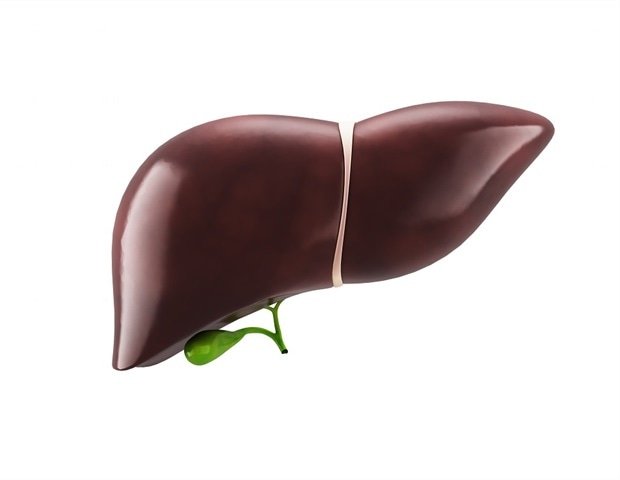
An Emerging Predictor Of Outcomes In Chronic Liver Disease
Share
Facebook Twitter LinkedIn Pinterest WhatsApp Email

Myosteosis, the pathological infiltration of fat into skeletal muscle, is increasingly recognized as a key predictor of poor clinical outcomes in a spectrum of liver diseases. However, the field faces significant challenges, including a lack of standardized assessment methods, definitions, and diagnostic criteria, as well as an incomplete understanding of its pathophysiological mechanisms. This narrative review aims to synthesize the current knowledge of myosteatosis in liver disease, covering its assessment, clinical impact in various etiologies, proposed pathogenesis, and potential management strategies.

Assessment and definition of myosteatosis

Myosteatosis represents muscle wasting qualitydifferent from sarcopenia (reduced muscle quantity). Its assessment has gone beyond the limited scope of Body Mass Index (BMI). Computed tomography (CT) is the most widely used and validated tool in clinical research, mainly using two measurements at the third lumbar vertebra (L3): muscle radiation attenuation (RA, measured in Hounsfield units, HU) and the ratio of intramuscular adipose tissue content (IMAC). Lower RA values ​​or higher IMAC values ​​indicate greater fat infiltration. However, diagnostic thresholds differ significantly between studies (eg, using BMI-adjusted RA values ​​or sex-specific IMAC thresholds), leading to widened prevalence estimates and complicating comparisons between studies. Magnetic resonance imaging (MRI) provides superior accuracy for quantification of the intramuscular fat fraction, but is less accessible. Ultrasound shows potential as a point-of-care tool, but lacks standardized criteria. Method selection balances accuracy, practicality, and patient-specific factors.

Clinical effect on liver diseases

  • Metabolic Dysfunction Associated Fatty Liver Disease (MAFLD): Myosteatosis is prevalent in MAFLD and is independently associated with more severe disease phenotypes, including non-alcoholic steatohepatitis (NASH) and significant liver fibrosis. It may serve as a biomarker for disease progression and is associated with an increased risk of hepatocellular carcinoma (HCC) and all-cause mortality.

  • Cirrhosis of the liver: Myosteatosis is common in cirrhosis and is a strong, independent prognostic marker. It is associated with higher Child-Pugh scores, hepatic encephalopathy, portal hypertension, other compensatory events, and significantly increased long-term mortality. Predictive models such as MELD are improved by incorporating myostosis.

  • Hepatocellular carcinoma (HCC): In patients with HCC, myosteatosis is associated with worse outcomes, including reduced response to transarterial chemoembolization, shorter progression-free survival in those receiving immunotherapy, and higher rates of postoperative complications and mortality after hepatectomy.

  • Liver Transplantation (LT): Myosteatosis in LT candidates and recipients is associated with worse post-transplant outcomes, including increased infections, longer hospital stays, higher costs, and reduced graft and patient survival. Enhances the predictive value of pre-transplant risk scores.

  • Chronic viral hepatitis & primary sclerosing cholangitis (PSC): Emerging evidence suggests a role for myosteatosis in chronic hepatitis C and B, although data are less extensive. In PSC, myosteatosis is an independent predictor of reduced transplant-free survival.

Proposed pathophysiological mechanisms

The development of myosteosis in liver disease is multifactorial, driven by a dysfunctional liver-muscle axis:

  1. Insulin resistance: It reduces the availability of glucose in the muscles, increasing the uptake of free fatty acids and intramuscular lipogenesis.


  2. Hyperammonemia: A hallmark of cirrhosis, ammonia is taken up by muscle, causing mitochondrial dysfunction and reducing fatty acid oxidation, leading to lipid accumulation.

  3. Chronic inflammation: Proinflammatory cytokines (eg, IL-6, TNF-α) released by the diseased liver disrupt muscle lipid metabolism and promote fat storage.

  4. Mitochondrial dysfunction: A central defect leading to impaired oxidative phosphorylation and reduced lipid oxidation in muscle cells.

  5. Other factors: Elevated plasma cathepsin D levels correlate with myosteosis. Nutritional imbalances (both overload and deficiency), genetic factors, and changes in gene expression associated with aging (eg, adipogenic regulators are involved) also contribute.

Possible prevention and treatment strategies

Currently, there are no consensus guidelines for the treatment of myosteatosis in liver disease due to a lack of high-level evidence. The proposed strategies are multimodal:

  • Nutritional intervention: Tailored to the stage of the disease, focusing on adequate intake of high-quality protein (1.2-1.5 g/kg ideal body weight/day), balanced meals low in saturated fat, and specific amino acid supplementation (eg, leucine, essential amino acids). Energy restriction must be done to avoid a concomitant loss of muscle mass.

  • Exercise recipe: A combined regimen of progressive aerobic exercise and resistance exercise is fundamental. Exercise helps maintain muscle function, enhances lipid oxidation, and can reverse fat infiltration, especially when combined with dietary management.

  • Pharmacological treatment: Experimental approaches include agents targeting pathogenic pathways, such as L-ornithine L-aspartate (to reduce ammonia) and adiponectin receptor agonists (eg, AdipoRon), which have shown promise in preclinical models.

Conclusion

Myosteosis is a critical, but often overlooked, component of body composition abnormalities in chronic liver disease. It independently predicts morbidity, mortality and poor treatment outcomes in all etiologies, from MAFLD to end-stage cirrhosis and HCC. Lack of standardized assessment hinders clinical translation. Its pathogenesis is complex and includes insulin resistance, hyperammonemia, inflammation, and mitochondrial dysfunction within the liver-muscle axis. Future research should prioritize establishing uniform diagnostic criteria and conducting randomized controlled trials to evaluate the effectiveness of integrated physical, nutritional, and pharmacological interventions aimed at mitigating myostosis and improving patient outcomes.

Source:

Journal Reference:

Yang, J., et al. (2025). Quality and quantity? The clinical significance of myosteatosis in various liver diseases: A narrative review. Journal of Clinical and Translational Hepatology. doi: 10.14218/jcth.2025.00383.

Chronic disease emerging liver outcomes predictor
bhanuprakash.cg
healthtost
  • Website

Related Posts

European collaboration turns immune cell data into cancer biomarkers

February 7, 2026

Senescent neutrophils promote tumor survival in all cancer types

February 6, 2026

Preoperative factors predict persistent opioid use after surgery

February 6, 2026

Leave A Reply Cancel Reply

Don't Miss
Skin Care

How to avoid shaving irritation: 7 myths that keep your skin angry

By healthtostFebruary 7, 20260

How to avoid razor burn is one of those things that sounds simple until you’re…

Smart Shoulder Solutions: An Evidence-based Approach

February 7, 2026

European collaboration turns immune cell data into cancer biomarkers

February 7, 2026

Advancing the Future of Behavioral Health Data Exchange

February 7, 2026
Stay In Touch
  • Facebook
  • Twitter
  • Pinterest
  • Instagram
  • YouTube
  • Vimeo
TAGS
Baby benefits body brain cancer care Day Diet disease exercise finds Fitness food Guide health healthy heart Improve Life Loss Men mental Natural Nutrition Patients People Pregnancy protein research reveals risk routine sex sexual Skin study Therapy Tips Top Training Treatment ways weight women Workout
About Us
About Us

Welcome to HealthTost, your trusted source for breaking health news, expert insights, and wellness inspiration. At HealthTost, we are committed to delivering accurate, timely, and empowering information to help you make informed decisions about your health and well-being.

Latest Articles

How to avoid shaving irritation: 7 myths that keep your skin angry

February 7, 2026

Smart Shoulder Solutions: An Evidence-based Approach

February 7, 2026

European collaboration turns immune cell data into cancer biomarkers

February 7, 2026
New Comments
    Facebook X (Twitter) Instagram Pinterest
    • About Us
    • Contact Us
    • Privacy Policy
    • Terms and Conditions
    • Disclaimer
    © 2026 HealthTost. All Rights Reserved.

    Type above and press Enter to search. Press Esc to cancel.