


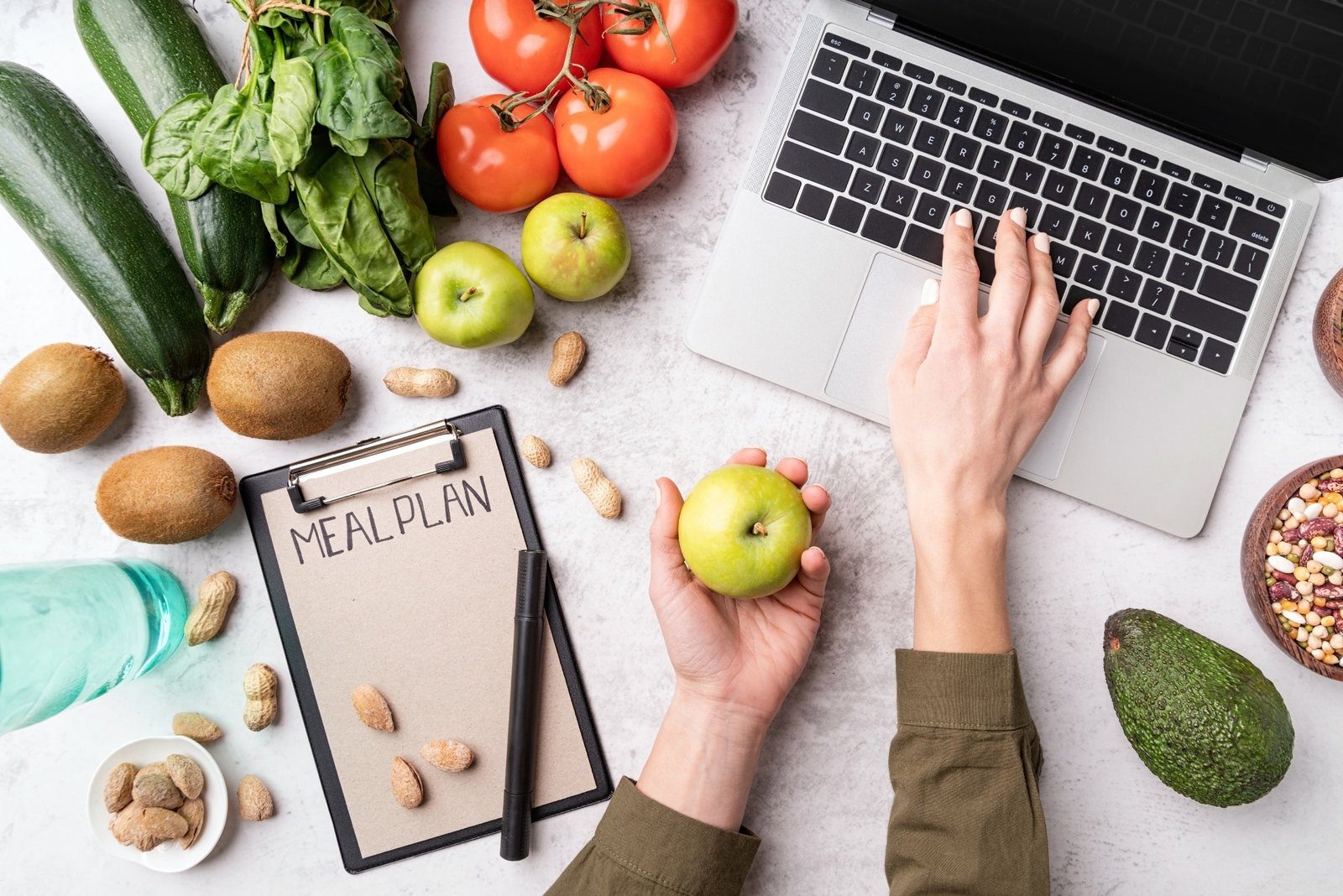
New research reveals that popular artificial intelligence tools may be giving teenagers incomplete and unbalanced nutrition advice, raising important questions about whether these technologies are ready to guide growing bodies without expert supervision.
Study: AI nutrition programs underestimate nutrient intake compared to dietitians in adolescents. Image credit: ilona.shorokhova/Shutterstock.com
Artificial intelligence (AI) is increasingly being used for diet planning among teenagers, but a new study suggests it may be falling short of expectations. The research, published in Frontiers in Nutritionfound that AI-supported recommendations may consistently underestimate the dietary intake required for adolescents.
The rise in adolescent obesity is driving the demand for accessible nutrition advice
Adolescent overweight and obesity rates are increasing rapidly worldwide, affecting an estimated 390 million adolescents in 2022. In fact, many regions now report this as the largest form of malnutrition. Being overweight is associated with multiple negative health consequences, including type 2 diabetes, abnormalities in blood cholesterol, high blood pressure, and sleep apnea. These young children are also more likely to be obese as adults and have a lower quality of life.
Adolescents are also prone to body image concerns and desires to lose weight, including potentially dangerous methods such as vomiting after meals or excessive use of laxatives.
Dietary modification is key to improving children’s health in this area. Dietitians are health professionals who design and supervise individualized nutrition plans according to established guidelines. However, their services are not always accessible and their heavy workloads can prevent teenagers from getting the nutritional advice and follow-up they need.
Artificial intelligence-based tools such as chatbots are being used to overcome these limitations, but only a few studies have evaluated their role in adolescent nutrition. Similarly, large linguistic models (LLMs) such as ChatGPT can provide useful information to support dietary planning, but with important limitations.
Existing research suggests that they may not meet safety standards or international dietary recommendations, especially under real-world conditions. AI tools are also unlikely to provide the same level of personalized service to patients that dietitians provide. However, most of this evidence is based on adult studies or clinical cases.
The current study sought to directly compare AI-generated diets with personalized diets prepared by dietitians for overweight or obese adolescents. Areas of comparison were energy and nutrient content, safety and feasibility. The comparison could show whether AI chatbots can replace dietitians in dietary planning for this category of patients or be used as aids under the supervision of a dietitian.
Researchers compare five AI tools with dietitians’ plans
The researchers used five AI models (ChatGPT-4o, Gemini 2.5 Pro, Claude 4.1, Bing Chat-5GPT and Perplexity) to generate 60 diet plans in two sessions. Three-day eating plans were created by each model in response to prompts using four standardized adolescent profiles: an overweight or obese boy and an overweight or obese girl.
These were compared to a one-day reference dietary plan drawn up by a dietician for each profile. This followed dietary recommendations with energy distribution as follows: 45–50 % from carbohydrates, 30–35 % from lipids and 15–20 % from proteins.
The researchers then analyzed the energy and macronutrient content of each plan.
Artificial intelligence diets underestimate energy and essential nutrients
The results revealed a consistent and potentially worrying pattern. The AI models included less energy and macronutrients than the nutritionists in their plan. The energy deficit was 695 kcal, while protein was 20 g, fat was reduced by 16 g and carbohydrates by 115 g. The potential energy gap may have important clinical implications, especially given the high energy demands of adolescents.
The authors suggest that, given this typical oversupply of fat and lower carb, LLMs may rely more on popular diets such as the ketogenic diet rather than scientific guidelines, which explains the low-carb, high-fat approach. This could disrupt growth, metabolism and cognitive development in this critical developmental window. Therefore, the long-term safety of such recommendations has not been proven.
The five models recommended a protein content of up to 23.7%, and a fat content of up to 44.5%. Both were above recommended levels for teenagers. In contrast, carbohydrates accounted for a maximum of 36.3% of the diet, which was below the recommended level.
Dietitians’ plans contained 44%-46% carbohydrates depending on the profile. The percentage of protein varied between 18 % and 20 % and fat between 36 % and 37 %. Overall, these plans were aligned with national recommendations.
The authors note that “This pattern depicts a systematic shift across AI models toward lower CHO structures, higher protein, and higher lipid meals, indicating that macronutrient balance, not just gram-based nutrient quantity, is significantly disrupted in AI-generated designs.”
Micronutrient composition differed significantly in AI-engineered diets, with marked variability between models and compared to dietitian reference. This could contribute to micronutrient deficiencies in adolescents, indicating that these plans may not yet be suitable for clinical use without professional supervision. Neither model adhered faithfully to the dietitian reference diet for all nutrients.
The authors note that this is the first time different LLMs have been compared for adolescent nutritional needs, with a detailed assessment of macro- and multiple micronutrients, as well as macronutrients. As previous research suggests, this may indicate AI’s lack of technical expertise in this area. This can prevent accurate estimation of energy and macronutrient composition in an AI-generated personalized nutrition plan.
Strengths and limitations
The study has several strengths. It evaluated five different AI models, enhancing the robustness and comparative power of the analysis. By creating three-day eating schedules, the researchers were able to assess consistent patterns rather than individual abnormalities, enhancing the reliability of the findings. The use of dietitian-designed plans based on international dietary guidelines provided a reliable and clinically relevant reference standard. In addition, the comprehensive assessment of macro- and micronutrients allowed a detailed, multidimensional assessment of diet quality.
Despite these strengths, the study also has limitations. Its findings may only apply to the specific AI models tested, which are constantly evolving, and some potentially relevant information may be missing from standardized teen profiles, limiting personalization. The statistical approach, including the use of multi-day mean outputs, may affect the independence of results and volatility estimates. Additionally, the study was based on simulated scenarios rather than actual adolescent behaviors, which may limit ecological validity. Finally, the use of standardized prompts in a single language could limit the generalizability of findings to other populations and settings.
The dangers of unsupervised AI nutrition advice
“AI models have shown clinically significant discrepancies in adolescent eating patterns at both the macro and micro levels.” They consistently recommended diets lower in energy and carbohydrates than the diet designed by the dietitian.
Until these gaps are addressed, the authors caution that AI-generated nutrition plans should not replace professional dietary guidelines for adolescents.
