

Close Menu
Healthtost
  • News
  • Mental Health
  • Men’s Health
  • Women’s Health
  • Skin Care
  • Sexual Health
  • Pregnancy
  • Nutrition
  • Fitness
  • Recommended Essentials
What's Hot

Do Cranberries and Pumpkin Seeds Help an Enlarged Prostate?

July 16, 2026

Getting stronger is corrective – Tony Gentilcore

July 16, 2026

Targeting redox metabolism by CMPK2 intervention to mitigate hepatic ischemia-reperfusion injury

July 16, 2026
Facebook X (Twitter) Instagram
  • About Us
  • Contact Us
  • Privacy Policy
  • Terms and Conditions
  • Disclaimer
Facebook X (Twitter) Instagram
Healthtost
SUBSCRIBE
  • News

    Targeting redox metabolism by CMPK2 intervention to mitigate hepatic ischemia-reperfusion injury

    July 16, 2026

    Scientists develop ultra-thin skin sensors for seamless health monitoring

    July 15, 2026

    Global childhood immunization rates stagnate despite slight recovery from pandemic

    July 15, 2026

    Weight loss and anti-inflammatory drugs combine to fight leukemia

    July 14, 2026

    Unreliable datasets shape clinical prediction models

    July 14, 2026
  • Mental Health

    Is it okay to be imperfect and still be happy? 6 Challenges

    July 15, 2026

    How can you be tired but wired? Blame it on your stone age brain

    July 12, 2026

    Almost 20% of new mums have anxiety or depression, but a promising psychedelic treatment is on the horizon

    July 7, 2026

    How can ART help us improve our mental health? With 3 Ways

    July 5, 2026

    How much do friends affect the mental health of teenagers? What a new study can (and can’t) tell us

    July 3, 2026
  • Men’s Health

    GLP-1 receptor activation is associated with lower odds of depression and bipolar disorder

    July 16, 2026

    The cost of neurophobia in Canadian medical education

    July 16, 2026

    I did red light therapy for 3 months so I shouldn’t have

    July 15, 2026

    Sexual evolution: What 500 million years of life tell us about sex, gender and mating

    July 15, 2026

    Low testosterone or just stress? How to tell the difference

    July 11, 2026
  • Women’s Health

    Exclusive Interview with Valentina Bìssoli: Italian Fashion Model on Beauty, Confidence and Self-Love

    July 16, 2026

    I tried Smitten, the AI ​​Erotic Story Generator

    July 16, 2026

    Is pelvic floor dysfunction inevitable for older women?

    July 15, 2026

    I tried to hide my hemiparesis

    July 15, 2026

    Kyoto recap, bamboo forest and monkey park

    July 13, 2026
  • Skin Care

    Your First Men’s Facial: What to Expect at Joanna Vargas

    July 16, 2026

    Summer skin care tips for sensitive skin – why your skin suddenly breaks out

    July 15, 2026

    How to use nature’s retinol: Bakuchiol in your beauty routine

    July 13, 2026

    How our natural hair care achieves salon-level results without silicones

    July 11, 2026

    Coconut Allergy and Skin Care: 20 Questions Finally Answered by a Pharmacist

    July 11, 2026
  • Sexual Health

    How to Become a Sex Therapist — Sexual Health Alliance

    July 16, 2026

    Celebrating 30 years of Sex Sense

    July 15, 2026

    STDs in older adults are on the rise—up to seven times higher than in 2012

    July 13, 2026

    Fildena 150 Benefits | Effective ED & Sexual Performance Treatment

    July 11, 2026

    Painful sex after menopause: When is it time to seek treatment?

    July 11, 2026
  • Pregnancy

    Exercise Wall Angels During Pregnancy: A Step-by-Step Guide

    July 15, 2026

    Breech VBAC (Vaginal Birth after Caesarean Section) Birth Story

    July 13, 2026

    How baby showers have changed throughout history

    July 13, 2026

    Calf Raises During Pregnancy: Step-by-Step Guide and Benefits

    July 8, 2026

    Tri-Tri Triplet Pregnancy with Vaginal Birth Story – The Birth Hour Triplet Pregnancy and Vaginal Birth Story with Ashlie Holladay

    July 7, 2026
  • Nutrition

    Do Cranberries and Pumpkin Seeds Help an Enlarged Prostate?

    July 16, 2026

    Eat well, feel great with a better barbeque plate

    July 16, 2026

    Chocolate Cherry Chia Pudding: Easy Vegan Recovery Snack

    July 14, 2026

    The Cholesterol Question: A Breakthrough Victory for Keto and Cognitive Health

    July 14, 2026

    15 No-Cook Dinners for Kids (Because It’s Too Hot to Turn on the Oven)

    July 12, 2026
  • Fitness

    Getting stronger is corrective – Tony Gentilcore

    July 16, 2026

    7 Uplifting Emotional Benefits of Cooking

    July 16, 2026

    5 Common Pilates Mistakes That Could Be Holding Back Your Results

    July 15, 2026

    How to Choose a Fitness Certification on a Budget

    July 14, 2026

    Meet the Belle Vitale™ Supplement System: Two Formulas. A comprehensive approach to hormone health.

    July 11, 2026
  • Recommended Essentials
Healthtost
Home»Fitness»A Woman’s Guide to Weightlifting
Fitness

A Woman’s Guide to Weightlifting

healthtostBy healthtostDecember 23, 2024No Comments6 Mins Read
Facebook Twitter Pinterest LinkedIn Tumblr Reddit WhatsApp Email
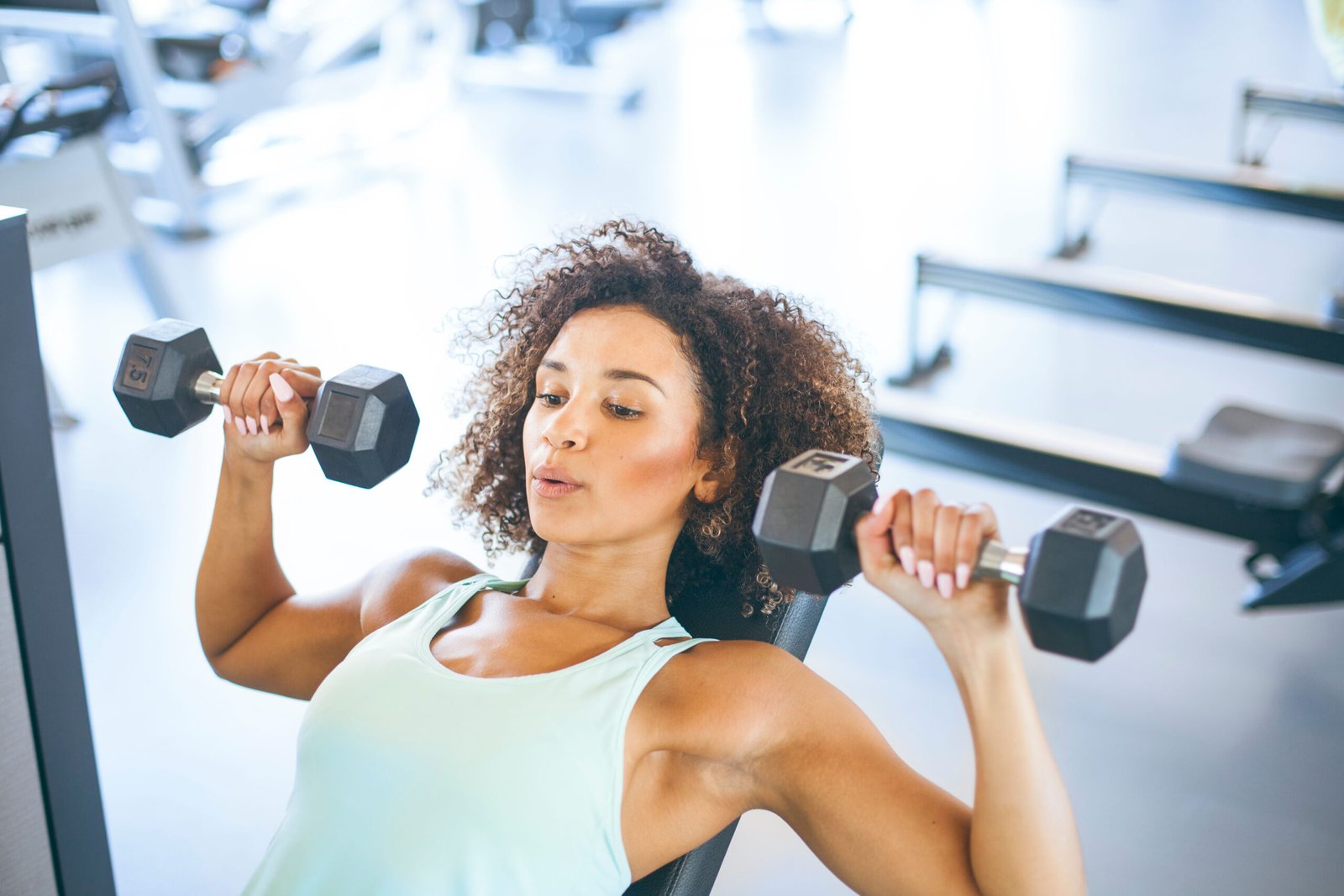
A Woman's Guide To Weightlifting
Share
Facebook Twitter LinkedIn Pinterest WhatsApp Email

Last updated 20 December 2024. Originally published 19 May 2021.


Basic Takeaways

This blog serves as a women’s guide to weightlifting, covering the hormonal differences in weightlifting, including training during your period, as well as the physical differences between the sexes that can conflict recovery, results and risk of injury. smallstrategies are presented to optimize exercise planningincluding how to create split routines depending on how often you exerciseas well as specific areas of focus that will help women avoid injuries and see power and strength benefits both now and later in life.


While some weightlifting tips are universal, other tips are not, especially when it comes to training women and men. Physiology, anatomy and hormones, for example, can differ between women and men, and this can affect how training should be planned for women.

Historically, workouts created for women have tended to focus on using lighter weights at a higher rep range. Similarly, a misplaced fear of becoming “bulky” or “too muscular” has led many women to avoid lifting heavy weights, depriving them of strength and power that can benefit them for life.

Maybe we should replace the fear of getting “bulky” with a healthy concern about losing muscle. After age 30, women lose about 3 to 8% of their muscle mass per decade, and this loss rate it is even higher after age 60. Fewer muscles increase your risk of falls and injuries, especially as you get older, which is another reason why muscle training is so important, as it helps you maintain muscle mass and strength as you age.

Hormonal differences

Unlike men, whose hormones generally remain constant, women’s hormones cycle throughout the month depending on the phase of their menstrual cycle (if they have one).

The monthly menstrual cycle is broken down into four weeks. The first half of the cycle is known as the follicular phase, which lasts about 14 days. In this phase, the training experience is similar for both women and men due to the hormonal profile.

However, in the luteal phase, which also lasts about 14 days, there is a greater presence of hormones. This makes a woman’s chemical makeup more catabolic, which means it can be harder for a woman to progress to the intensity of her workout. This is because recovery can take longer, sleep is often affected, and energy levels can be lower overall from ovulation to the end of the luteal phase.

During the luteal phase, depending on your personal response to exercise, you may find it beneficial to reduce your training volume and possibly even reduce the number of intense training days.

Although training volume and intensity may need to be reduced during the last two weeks of the cycle,research suggests that muscle training during the first two weeks of the cycle can result in “enhanced muscle strength and mass.” So, be careful when incorporating muscle training into your program. This may mean strength training more often or at a higher volume during the first two weeks (say three to four times a week) and then consider reducing to two to three times a week for the remaining two weeks of your menstrual cycle.

Natural Differences

The Q angle, which is the measurement of the angle between the long axes of the femur and tibia, is often greater in women than in men because women often have wider hips. This is one reason why Women are more prone to knee injuries. For example, female athletes I tear it up anterior cruciate ligament (ACL) two to eight times more often from men.

Education Strategies


To see video demonstrations and read step-by-step instructions for the exercises listed below, visit ACE Exercise Library.


Because of these gender differences, it is important for you to focus on stability in the knees and lower back to reduce the risk of injury. A well-rounded muscle training program should focus on basic functional movements such as the squat, deadlift, deadlift, deadlift, deadlift, Pull and rotational movements.

Aim for two to four days of muscle training per week, depending on your goals, energy levels and hormonal cycle. If you are workout two days a week, do a full-body routine that includes squats and upper body presses (such as bench or overhead press) one day and deadlifts or more–body pulling exercises (such as pull-ups or rows) on the second day;

If you train three to four days a week, aim to do a lower and upper body split on those days. Focus on lower body squats and quad movements (eg Spanish occupations and leg extensions) one day and upper body pushing and/or pulling the next day (such as bench presses, pull-ups, rows, overhead presses, Arnold presses, etc.). Finish with deadlifts and more glute- and hamstring-focused movements (such as hip or glute thrusts, single-leg deadlifts, and forward lunges) on day three, with upper-body pushes or pulls on day four and last day (don’t ‘repeat the previous day of upper body work completed earlier in the week).

No matter how many days you train, every day should include some form of core work that revolves around the plank, heavier coupons (such as panniers or farmer’s panniers) and some rotary work (such as Russian twists or strip steaks). To maximize power, aim five to 10 total sets per muscle group per week. Rest periods between sets it should be at least one by two minutes in duration to optimize recovery for the next set.

Final Thoughts

While there may be physiological differences between the sexes, you don’t need to radically change your training. Instead, take note of any fluctuations in your energy throughout the month and reduce any risk of injury by strengthening your shoulders and knees. Focus on lifting heavier weights (while still maintaining good form), push yourself appropriately, depending on how you feel, and remember that this strength education will to a great extent avail your longevity and overall health.

If you are are interested in providing one more holistic approach to improve the fitness program and overall health of your female customers, depart Strategies for Educating Female Clients – Course Package (worth 0.4 ACE CEC). The following cours hectare are included in this package:

  • Weightlifting for Women
  • Educating Female Clients Through Different Life Stages
  • Training Women for Optimal Health and Performance

Guide Weightlifting Womans
bhanuprakash.cg
healthtost
  • Website

Related Posts

Getting stronger is corrective – Tony Gentilcore

July 16, 2026

7 Uplifting Emotional Benefits of Cooking

July 16, 2026

5 Common Pilates Mistakes That Could Be Holding Back Your Results

July 15, 2026

Leave A Reply Cancel Reply

Don't Miss
Nutrition

Do Cranberries and Pumpkin Seeds Help an Enlarged Prostate?

By healthtostJuly 16, 20260

Cranberries and pumpkin seeds are tested for benign prostatic hypertrophy. More than 50% of men…

Getting stronger is corrective – Tony Gentilcore

July 16, 2026

Targeting redox metabolism by CMPK2 intervention to mitigate hepatic ischemia-reperfusion injury

July 16, 2026

GLP-1 receptor activation is associated with lower odds of depression and bipolar disorder

July 16, 2026
Stay In Touch
  • Facebook
  • Twitter
  • Pinterest
  • Instagram
  • YouTube
  • Vimeo
TAGS
Baby benefits body brain cancer care Day Diet disease exercise finds Fitness food Guide health healthy heart Improve Life Loss Men mental Natural Nutrition Patients People Pregnancy research reveals risk routine sex sexual Skin Skincare study Therapy Tips Top Training Treatment ways weight women Workout
About Us
About Us

Welcome to HealthTost, your trusted source for breaking health news, expert insights, and wellness inspiration. At HealthTost, we are committed to delivering accurate, timely, and empowering information to help you make informed decisions about your health and well-being.

Latest Articles

Do Cranberries and Pumpkin Seeds Help an Enlarged Prostate?

July 16, 2026

Getting stronger is corrective – Tony Gentilcore

July 16, 2026

Targeting redox metabolism by CMPK2 intervention to mitigate hepatic ischemia-reperfusion injury

July 16, 2026
New Comments
    Facebook X (Twitter) Instagram Pinterest
    • About Us
    • Contact Us
    • Privacy Policy
    • Terms and Conditions
    • Disclaimer
    © 2026 HealthTost. All Rights Reserved.

    Type above and press Enter to search. Press Esc to cancel.