


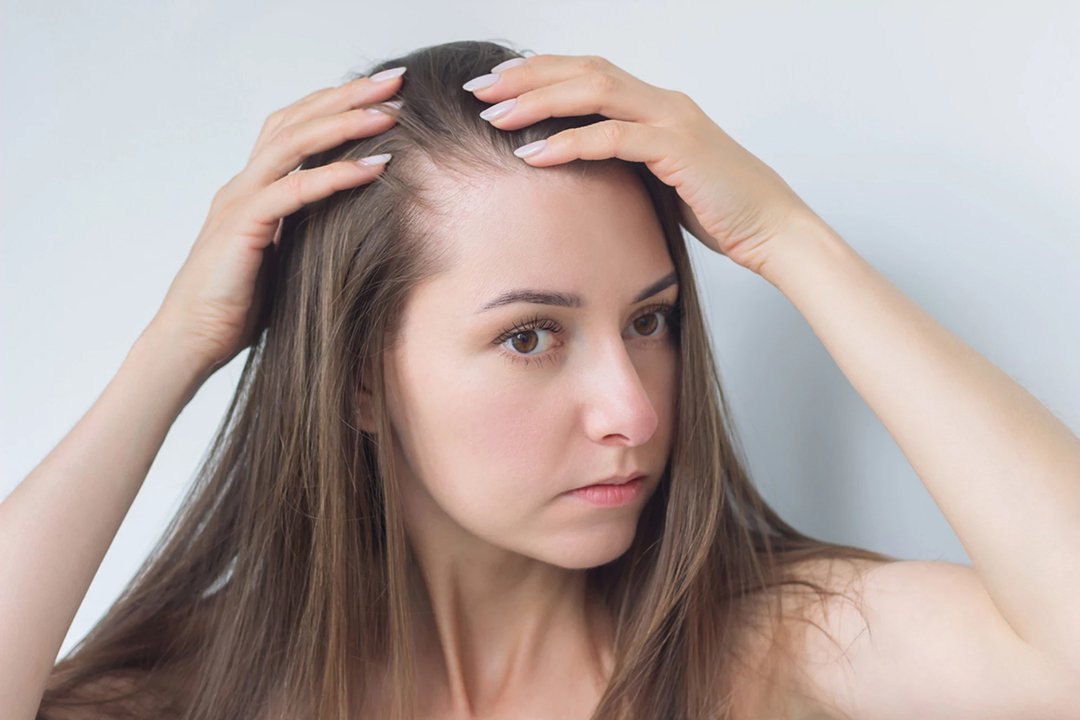
Thinning hair is one of those things that many women quietly notice – more strands in the pad, a wider part, a ponytail that looks thinner than it used to. It often starts gradually, which makes it easy to dismiss. But when it goes on month after month, it becomes hard to ignore. Understanding why it happens is the first step to doing something about it.
Why thinning hair in women is different from men
Most people think of hair loss as something that happens to men. But thinning female hair follows a different pattern and has different triggers. Women rarely lose hair from the temples or crown in a defined way – instead, the thinning tends to be diffuse, spread across the scalp and sometimes more noticeable at the part line.
This difference matters because the treatment approach is also different. What works for men often does not work for women. Underlying causes, hormonal influences and lifestyle factors must be considered separately.
The role of hormones
Hormones are one of the biggest factors in hair thinning in women and their influence is often underestimated. Several hormonal changes can disrupt the natural hair growth cycle:
- Thyroid imbalances — both hypothyroidism and hyperthyroidism — slow or disrupt follicle activity
- Polycystic ovary syndrome (PCOS) increases androgen levels, which can shrink hair follicles over time
- Hormonal changes after pregnancy they often trigger a phase of increased shedding a few months after giving birth
- Perimenopause and menopause decrease estrogen levels, which naturally supported hair thickness and growth
The hair follicle is sensitive to hormonal signals. When these signals change, the follicle can shift from an active growth phase to a resting or rejection phase much earlier than it should.
Nutritional gaps that appear in your hair
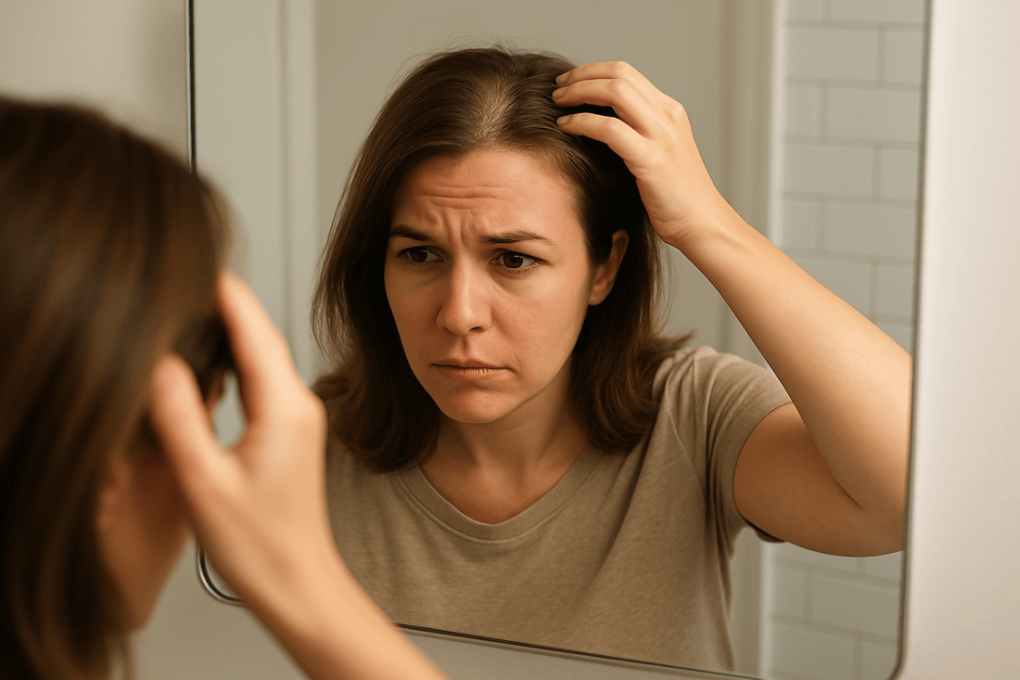
Hair is not necessary for survival, so the body treats it as a low priority. When nutrition is lacking, the body diverts resources to organs and functions it deems more critical. Hair growth is one of the first things to suffer.
Common deficiencies that contribute to thinning hair in women include low iron, ferritin, vitamin D, zinc, and B vitamins — especially biotin and B12. Protein intake also matters more than most people realize. Hair is made up almost entirely of a protein called keratin, and without adequate protein in the diet, the body simply cannot sustain the production of healthy hair.
Crash diets, restrictive eating patterns, and even changes in appetite caused by stress can all create these nutritional gaps quietly over time.
Scalp health and what’s going on beneath the surface
The scalp is where hair growth actually begins and its condition directly affects the quality of growth. Chronic dandruff, seborrheic dermatitis, or excessive oil production can clog follicles and create an environment where healthy growth becomes difficult.
Poor scalp circulation is another factor that isn’t talked about enough. The follicles need a steady supply of nutrients supplied through the blood stream. Tension from tight hairstyles, chronic stress, and even constant hair growth in the same way can affect circulation in localized areas of the scalp.
Understanding the causes of female pattern baldness that go beyond the surface—down to follicular sensitivity, scalp environment, and circulation—helps explain why topical treatments alone often fail.
Stress and the hair cycle
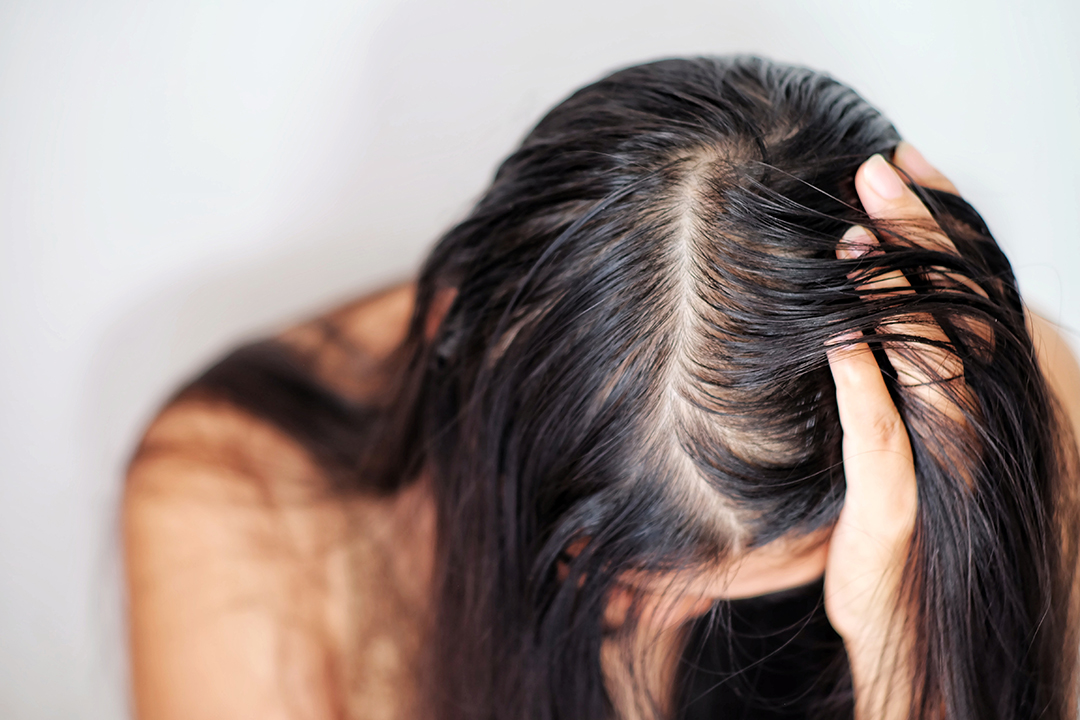
Physical or emotional stress can cause a condition called telogen fluvium, where a large number of follicles shift into the resting phase at the same time. The rejection that follows usually occurs two to three months after the stressful event, making it difficult to connect cause and effect.
This can create a frustrating cycle — stress causes hair loss, and the hair loss itself causes more stress. Recognizing this pattern is important, because treating the hair alone without addressing the stress will rarely produce lasting results.
Final Thoughts
Thinning female hair is rarely caused by a single thing. It usually involves a combination of hormonal, dietary and lifestyle factors working together over time. That’s why surface-level fixes—a new shampoo or a supplement taken without any testing—often lead nowhere.
Some approaches, like Traya, focus on identifying the actual root cause through health assessments before recommending any treatment plan. This kind of structured thinking tends to be more effective than guessing.
If your hair is thinning, the most helpful thing you can do is start asking why – not just what to apply to fix it.
Refusal
The Content is not intended to be a substitute for professional medical advice, diagnosis or treatment. Always seek the advice of your doctor or other qualified health care provider with any questions you may have about a medical condition.
