


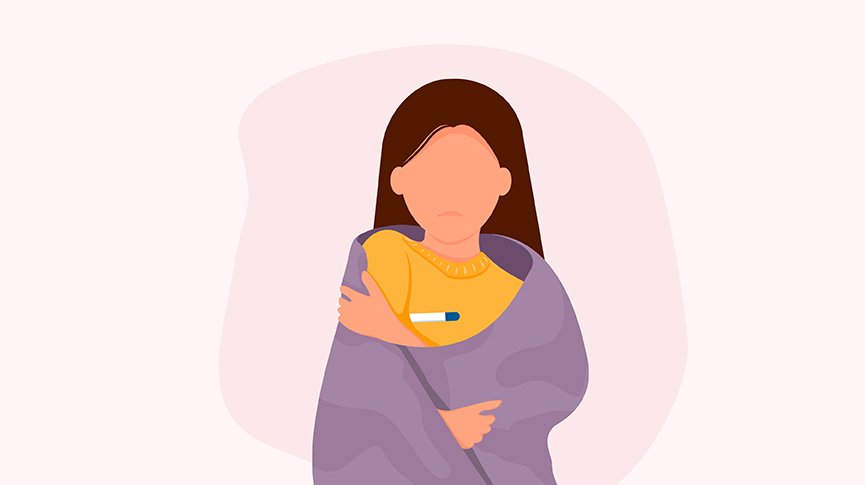
Basal body temperature, or BTT, is the lowest your body temperature is at rest on any given day. For menstruating people, fluctuations in hormone levels – particularly the hormone progesterone – cause a slight increase in BTT. BTT tracking is a way of measuring your fertility window, which tells you which days of the month you are most likely to get pregnant if you have sex.
In addition to family planning, tracking your BTT can help you more accurately connect each stage of your cycle to how you feel, confirm the timing of ovulation, and provide a more complete picture of your body’s natural rhythms.
How does your cycle affect core body temperature?
Your BTT changes at each stage of your cycle, rising after ovulation and falling just before ovulation.
- Follicular phase: During the pre-ovulatory (follicular) phase of the menstrual cycle, the average adult woman’s core body temperature usually drops to around 97.0 – 97.5°F (36.1°C to 36.4°C). This is the beginning of your cycle, when estrogen dominates.
- Ovulation: In the 1-2 days before ovulation, there is a small “dip” of about 0.5°F (0.2°C). This is the lowest BTT in your cycle.
- Yellow phase: Progesterone levels rise as your body prepares for a possible pregnancy, raising your resting body temperature by 0.4°F to 1.0°F (0.2°C-0.5°C) to a higher range of about 97.6°F to 98.6°F (36.4°C-37°C).
- End of cycle: If pregnancy does not occur, progesterone levels fall and BTT decreases. Your body sheds the unfertilized egg and the lining of the uterus in what we call a “period.” If pregnancy occurs, the BTT remains elevated.
Ovulation Fever vs Illness
Do you ever feel like you have the flu in the days before your period? If you’re constantly feeling achy, tired, and a bit feverish during this time of the month, it might not just be a well-timed cold – you might be experiencing ‘ovulation fever’.
During the luteal phase, your body releases chemical messengers called prostaglandins. Prostaglandins are the same chemical messengers your body produces when you’re sick to fight bacteria and viruses. When you start your period, prostaglandin released in the lining of the uterus raises your body temperature, causing a low-grade fever. Prostaglandin combined with low estrogen levels and an increase in BBT due to ovulation can mimic flu-like symptoms such as fatigue and pain.
PMS symptoms vary widely from person to person, and researchers are still discovering new things about “ovulation fever.” Tracking your hormone cycle can help you figure out what times of the month you’re most likely to feel tired and whether or not you’re actually sick. Remember: Cyclical changes in body temperature are generally subtle, and if your body temperature rises significantly or remains high after your period, it’s time to see a doctor.
Why should I track my BTT?
You might be thinking: I’m very careful about using condoms and I’m not trying to get pregnant. Why should I track my BTT?
Cycle tracking is a way of measuring your hormonal health, providing real-time data on hormonal fluctuations, which can be responsible for a range of symptomsfrom irregular menstrual cycles and fatigue to weight changes and irritability. The average person experiences their period on a 21- to 35-day cycle, but this range (which is already quite large) can vary.
BTT offers a more specific way of measuring your bleeding patterns; If your period has never been very regular, tracking your BTT helps you figure out when your next period will be and plan accordingly (you might want to reschedule a swimming excursion in the days after the “dip,” for example).
BTT patterns can also be a predictor of hormonal health. For example, research shows that consistently low BTT measurements correlate with hypothyroidism. If your BTT patterns are all over the place, it could indicate hormonal conditions like polycystic ovary syndrome (PCOS), stress-induced fluctuations, or perimenopause. Understanding your hormonal patterns can lead you to potential problems and when to seek medical intervention.
How to track BTT: A step-by-step morning routine
Following the BTT requires consistency and a consistent sleep schedule. Keep in mind that your core body temperature can be affected by a number of factors, including:
- Stress
- Illness or fever
- Does not sleep well or sleeps more than usual
- Substances such as alcohol
- Certain medicines
- Travel, especially across time zones
- Gynecological disorders
You will need a thermometer specifically designed to measure core body temperature to two decimal places. Most BTT thermometers can be inserted under the tongue, although vaginal or rectal options are also available. Here it is how to track BTT:
1. Take your temperature at the same time every day when you first wake up.
Our body temperature is lowest right when we wake up in the morning and rises with activity. Be sure to take BTT as soon as you wake up, before you sit down, drink water, or go to the toilet. Always take your temperature using the same methods as close to the same time each day as possible.
2. Track the numbers.
Use a chart or tracking app to record your daily core body temperature. There are many apps designed for this purpose that can provide useful visual aids.
3. Look for a pattern.
You should see a clear pattern emerge within a few months. Ovulation should occur on days when your BTT rises slightly. Be patient – self-measurement is prone to human error and it may take some time to get a regular pattern.
Hormones should be cyclical, not precise
We are not robots and sometimes a night out or stress can mess up your readings. However, if you are consistent enough in your habits and you detect clear changes in your BTT after months of monitoring, it may be a sign of a hormonal disorder. Knowing how your hormones affect the way you feel can help you understand your body and provide valuable information to your doctor if you are concerned.
