


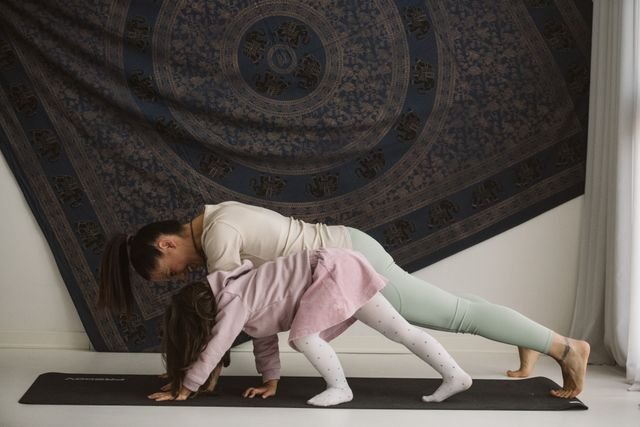
If you’ve noticed a shift in the yoga studio lately, it’s not just your imagination. A growing number of fitness-focused moms are trading in traditional bulky, sand-filled regular weight vests for sleek, quiet silicone weighted vests.
Adding resistance to a yoga flow or a brisk cartwheel walk is a fantastic way to build bone density and burn extra calories. However, traditional gear simply wasn’t built with the mindful, multitasking lifestyle in mind.
Why are moms silently choosing silicone vests for yoga practice?
The shift toward silent, silicone-heavy vinyasa gear represents a larger movement among moms who focus on fitness and refuse to compromise on attention, comfort, or convenience. For years, women have adapted their bodies and routines to bulky, tactical gear designed for completely different athletic pursuits. By eliminating the constant distraction of shifting sand, the physical discomfort of poor fit, and the frustrating maintenance of sweat-wicking fabrics, the Silicone Weighted Vest transforms resistance training from a difficult chore into a seamless extension of a mom’s active lifestyle.
Ultimately, switching to a silicone vest is about removing the friction points that so often derail a busy wellness routine. Whether she’s flowing seamlessly through an early-morning yoga sequence without waking the household, transitioning smoothly into a stroller ride, or rushing to school with her vest tucked discreetly under a favorite hoodie, this contemporary alternative honors both the physical goals and practical realities of motherhood. It’s proof that exercise equipment can be highly effective without being intrusive, allowing moms to focus solely on strength, breathing and presence.
1. Absolute silence (no “Maraca” effect)
Traditional weighted vests are filled with iron sand, steel wedge or removable metal rods. During a sun salutation, dynamic vinyasa flow, or even a brisk walk, these materials shift. The constant ssssssss or squealing sound completely destroys the mental clarity of a yoga practice and can wake up a baby sleeping in a stroller. Silicone vests feature a solid, molded weight distribution that is completely noise-free.
2. Perfect contour and zero breast bounce
Standard exercise vests are often boxy, designed primarily for a flat-chested, upright running position. When you bend into Downward Facing Dog (Adho Mukha Svanasana), traditional vests slide forward, hitting your chin or shifting the weight awkwardly to your neck. Premium silicone vests use a flexible, criss-cross or ergonomic design that grips the body, moving with you through twists and turns without shifting.
3. Odor Resistance & Effortless Cleaning
Yoga mats and activewear catch enough sweat as it is. Traditional cloth or neoprene vests soak up moisture like a sponge, leading to deep-seated bacteria and a lingering “gym bag” smell that is notoriously difficult to wash out. Silicone is completely non-porous and naturally anti-microbial. After a hot yoga session or vigorous outdoor workout, you can literally wipe it down with a damp cloth or rinse it under the shower head and it’s instantly clean and dry.
4. Fits perfectly under a hood
Moms are the masters of the “sport transition” – going straight from morning workout to school drop-off or a run to the grocery store. Regular or heavy fabric vests look strongly aggressive and bulky. Because silicone vests are incredibly thin and low-profile, they lie completely flat on the body, allowing you to throw a favorite turtleneck or zip-up hoodie right over them without looking like you’re wearing body armor.
5. Comfort for the skin, safe and without irritation
When running through repetitive motions, rough nylon straps and heavy stitching can quickly scratch and wear on the skin, especially if you’re wearing a tank top or sports bra. The medical-grade or soft-touch silicone surfaces are completely smooth, flexible and gentle on sensitive skin, eliminating the red friction burns common with traditional regular exercise tools.
The Takeaway
For busy moms, exercise equipment needs to be as customizable as it gets. Going silicone isn’t just about aesthetics—it’s about removing the friction, noise, and maintenance of old-school workout gear so you can focus entirely on your movement.
Fit Mom’s Guide: How to Choose a Heavy Vest That Really Fits Your Life
Choosing the right one weighted vest for women it means finding the perfect balance between comfort, convenience and functionality. Your body moves differently whether you’re chasing toddlers, walking the dog, or running on a yoga mat, so traditional “regular” vests designed for military training usually don’t cut it.
1. Determine your main activity
How you intend to use the vest dictates the material and design you should look for:
- For Yoga, Pilates and Mobility: Prioritize silicone or ultra-thin neoprene. Look for a vest that hugs the torso tightly so it doesn’t slide over your face during a Dogward Dog or inversion.
- For walking, hiking and stroller rides: Focus on weight adjustability and pocket comfort. You’ll want something comfortable for long use, preferably with a pocket for your phone or keys.
- For HIIT workouts at home too: Look for secure, adjustable straps (such as a cross back or double buckle system) that prevent the vest from bouncing around during jumping jacks or burpees.
2. Get the right weight (the 10% rule)
As a general rule of thumb for cardio, walking, and yoga, your weighted vest should be about 5% to 10% of your body weight.
| Body Weight | Recommended vest weight range | Better starting weight |
| 120 – 140 lbs | 6 – 14 lbs | 6 – 8 lbs |
| 141 – 160 lbs | 7 – 16 lbs | 8 – 10 lbs |
| 161 – 180 lbs+ | 8 – 18 lbs | 10 pounds |
Note: If you are using the vest to build bone density (highly recommended for women’s long-term health) or for gentle walking, an 8lb or 10lb stable vest is usually the “sweet spot” for most moms.
3. Prioritize a female-friendly Fit
Most regular weight vests are cut in a loose, rectangular shape designed for men’s chests. For women, this can cause uncomfortable pressure or displacement. Look for these specific design features:
- X-shaped or cross-shaped designs: These straps bend away from the chest and fasten under the chest or around the waist, preventing painful “chest break”.
- Cinch Side Straps: Fully adjustable side straps allow you to perfectly tighten the vest to your unique waist to hip ratio.
- Short torso cut: Choose a vest that ends above your belly button. A vest that is too long will hit your thighs when you bend or stoop.
4. Material considerations: Easy cleaning is a must
Between sweat, spilled park coffee, and sticky toddler hands, your vest is going to get dirty.
- Silicone: The gold standard for modern fitness. It doesn’t absorb sweat, never smells and can be wiped or washed off in the shower in 10 seconds.
- Neoprene/Nylon: Very comfortable and soft, yet sweat wicking. Make sure the brand specifically states that it is machine washable (usually after removing the weight packs). Avoid weight vests that rust if wet.
5. Fixed vs adjustable weight
- Fixed Weight Vests: The weight is built right into the fabric (like molded silicone or sewn sand pockets). They’re incredibly stylish, look like a normal garment and fit easily under a jacket, but you can’t change the resistance.
- Vests with adjustable weight: These have pockets where you can add or remove weighted iron blocks or sandbags. They’re more flexible as you get stronger, but they’re significantly bulkier and less discreet.
Checklist summary for moms
If you want a vest that checks all the boxes for a busy schedule, look for one that’s under 10 pounds, has a criss-cross or cropped fit, and is made from an easy-to-clean material like silicone or washable neoprene.
Are you looking to use a weighted vest primarily for low-intensity cardio like walking, or are you hoping to incorporate it into your strength and yoga routine?
