


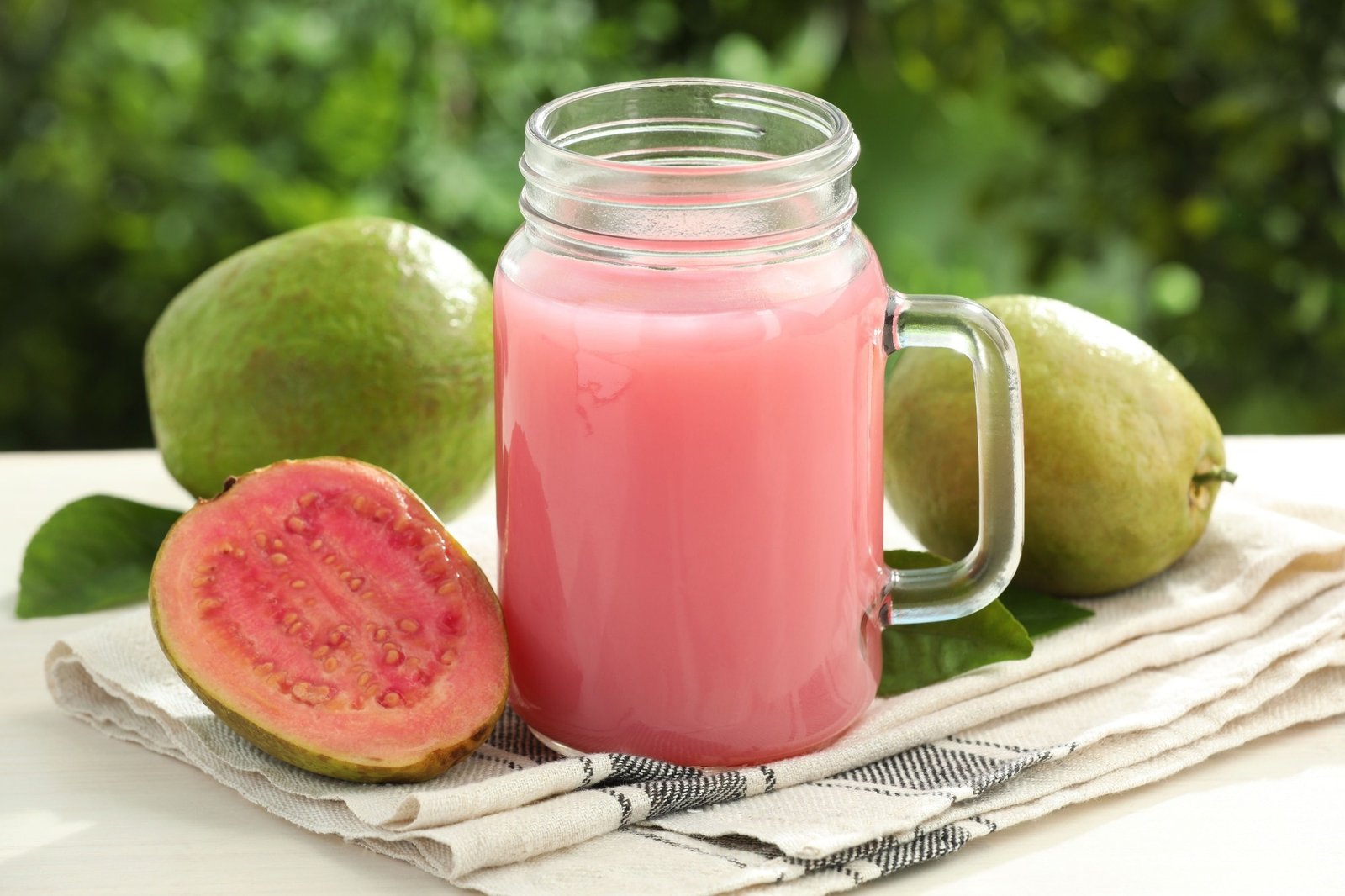
An inexpensive tropical fruit can help address one of the world’s most common nutritional deficiencies, with researchers finding that guava juice can significantly improve hemoglobin levels in women and girls.
Study: Effect of guava juice intake on hemoglobin levels in Indonesian women: a systematic review and meta-analysis.. Image credit: New Africa/Shutterstock.com
A systematic review from Indonesia, published in the journal BMJ Nutrition, Prevention & Healthsuggests that adding guava juice to the diet could boost hemoglobin levels in adolescent girls and pregnant women. This could potentially provide a low-cost dietary supplement to iron supplementation, given the high prevalence of iron deficiency anemia among women, especially in low- and middle-income countries (LMICs).
Iron deficiency anemia in young women
In 2021, anemia was estimated to affect approximately 45% of pregnant women and 39.5% of non-pregnant women worldwide. Indonesia had similar rates: 48.9% among pregnant women and 32% among adolescent girls. Women with severe anemia are twice as likely to die during pregnancy and after childbirth compared to those with mild anemia.
Iron deficiency is a major cause of anemia, especially in LMICs. Reasons include poor nutritional intake, high prevalence of infection, heavy menstrual bleeding, frequent pregnancies and low access to health care.
Iron deficiency anemia is conventionally treated with iron supplementation, but oral iron can cause symptoms such as diarrhea or constipation, other bowel symptoms, unpleasant taste, and may be inaccessible to some women. Pregnancy can further complicate treatment, as physiological changes can reduce iron absorption during this period.
This has resulted in consistently low use of iron supplements, even with national nutrition programs such as the Gerakan Nasional Aksi Bergizi or iron supplementation programs targeting pregnant women and adolescent girls.
Nutritional benefits of guava
Guava is a locally grown and inexpensive fruit. Its juice is rich in vitamin C, folate, antioxidants, flavonoids and polyphenols and other micronutrients. The present study aimed to examine the potential of guava juice as a natural adjunct to iron therapy.
Guava juice and iron supplements
This systematic review and meta-analysis included 17 Indonesian studies published between 2019 and 2024, with a total of 726 participants. Most studies were quasi-experimental, while two were randomized controlled trials (RCTs). The participants were pregnant women or teenage girls, with numbers ranging from 15 to 230.
Although the findings were encouraging, most of the evidence came from relatively small quasi-experimental studies rather than randomized trials.
Most studies evaluated guava juice along with iron supplementation, while some used it alone or in combination with carrot or red spinach juice. Intervention periods ranged from five days to three months.
Eight studies compared guava juice plus iron supplementation with iron supplementation alone, although only five of these provided extraction data for the direct comparative meta-analysis. One study used papaya juice and another dragon fruit juice as a comparison. The remaining seven studies had no control group.
The meta-analysis was limited to 12 studies because the others lacked usable data. The results were encouraging, consistently indicating a significant mean increase of 1.7 g/dL in hemoglobin among participants consuming guava juice.
When stratified by participant type, adolescents had an average improvement in hemoglobin levels of 1.5 g/dL, compared with 1.8 g/dL among pregnant women.
In five studies that directly compared guava juice interventions with iron-only controls, hemoglobin levels increased by an additional 1.3 g/dL on average in the guava juice groups. This was confirmed to be robust by sensitivity analyses, with little evidence of publication bias.
Possible physiological pathways
The degree of improvement in hemoglobin observed by the researchers is significant enough to potentially move some people with mild or moderate anemia into non-anemic categories. Other experimental studies involving male athletes, anemic students, and postpartum women have shown similar positive effects from both guava juice and guava fruit consumption.
This suggests the beneficial effect of guava’s high vitamin C and polyphenol content, regardless of the form of consumption. Vitamin C improves the absorption of iron from non-heme sources, including iron supplements, by converting ferrous iron to its more absorbable ferrous form.
Guava also contains folate, antioxidants, flavonoids, and polyphenols that may support red blood cell survival by reducing oxidative stress. The researchers suggest that juicing may improve compliance and could enhance nutrient availability while promoting more consistent intake.
Study restrictions
Despite the promising results, the review also noted limitations. All studies were conducted in Indonesia, limiting generalizability to other populations. Many studies had moderate risk of bias, sample sizes were relatively small, and most were nonrandomized designs. Missing data also reduced the size of the meta-analysis. Studies showed high heterogeneity due to differences in guava dosage, preparation, and duration.
Future follow-up research should include larger, well-designed multi-country RCTs with standardized reporting, including designs and outcomes. These should include not only hemoglobin but also parameters such as transferrin and ferritin that reflect broader health effects and long-term efficacy. This would help determine the optimal dose, dosing frequency and duration of use.
Implementation research is also needed to understand how well such an intervention could be integrated into existing programs, supporting its real-world relevance.
Conclusion
Overall, the study concludes that guava juice significantly improves hemoglobin levels in women and adolescent girls. The authors highlight the potential of guava juice as an affordable, culturally acceptable and locally available dietary supplement in iron supplementation and anemia prevention programs in resource-limited settings.
It is especially important in tropical countries with high guava production, such as India and Indonesia. The authors suggest incorporating guava juice into school feeding programs, prenatal care packages, and community health initiatives.
This could be a sustainable, complementary strategy for the prevention and treatment of mild to moderate anemia, aligned with the United Nations Decade of Action for Nutrition (2016–2025) and its dietary emphasis on local foods.
