


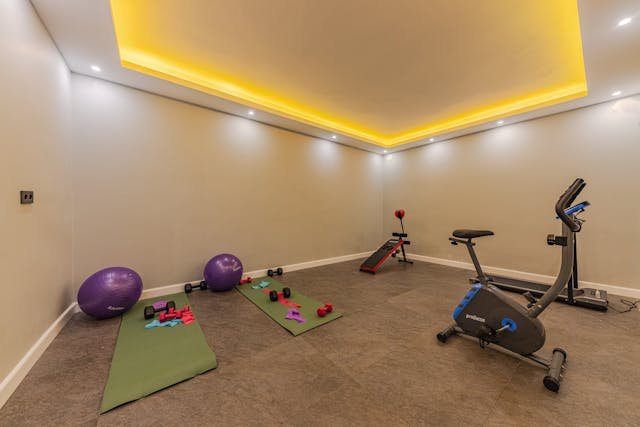
Creating a home gym doesn’t require an entire room full of expensive machines. Many effective setups start with just a few flexible pieces of equipment and a clear plan for consistent training. When exercise becomes easily accessible at home, people are much more likely to stick to a routine. Over time, these regular workouts support better physical health, improved mobility, and greater daily energy.
Consistency is one of the most important factors in long-term fitness success. A home gym removes common obstacles that disrupt exercise habits, such as travel time, crowded facilities, and scheduling conflicts. When the equipment is just a few steps away, it becomes easier to complete short workouts during the day. Even short sessions performed regularly can significantly improve strength, endurance and overall well-being.
Building a space that encourages movement helps make exercise a natural part of everyday life. Instead of relying on motivation alone, the environment supports healthy habits automatically. A well-designed home gym becomes a place where workouts are comfortable and not difficult. This shift often leads to a stronger long-term commitment to physical activity.
Choosing the right space for a home gym
The first step in building a home gym is locating a convenient location within the home. This space does not have to be large or completely separate from other living spaces. There are many effective installations in garages, spare bedrooms, basements or even small corners of living spaces. The main requirement is to have enough space to move safely during the exercises.
Lighting and ventilation play an important role in creating a comfortable training environment. Natural light can improve mood and make workouts more enjoyable throughout the day. Good airflow also helps regulate temperature during longer or higher intensity workouts. Small environmental improvements often make a significant difference in training consistency.
Flooring is another important factor when designing a home gym. Protective rubber mats help reduce noise while protecting floors and equipment from damage. They also improve stability during strength exercises such as squats, presses and lunges. A stable surface supports safer workouts and improves overall training confidence.
Equipment selection that supports flexible training
A well-designed home gym focuses on equipment that supports many different exercises. Adjustable dumbbells, resistance bands, kettlebells and a sturdy training bench provide excellent flexibility for strength training. These tools allow users to train almost every major muscle group without taking up too much space. Versatile equipment makes it easy to maintain varied and effective workouts.
Cardio equipment can also enhance home fitness. Rowing machines, stationary bikes and treadmills help maintain cardiovascular fitness throughout the year. These machines allow training to continue even when weather conditions limit outdoor activity. Combining strength exercises with cardio training improves overall fitness and endurance.
Choosing durable equipment is one of the most important decisions when building a home gym. Weight machines and cardio equipment should support consistent training while fitting into the available space. Comparing machine types and researching reliable suppliers helps narrow down the choices. Equipment guides and training resources available through Fitness Superstore can help evaluate long-term training settings.
Creating a workout routine that fits into everyday life
A home gym becomes more effective when it supports a realistic workout plan. Complex programs often fail because they are difficult to maintain over time. Many people benefit from exercising three or four times a week. This frequency allows the body to gradually build strength and endurance while avoiding excessive fatigue.
Full body workouts work especially well in home fitness environments. Exercises that engage multiple muscle groups help maximize efficiency and reduce overall training time. Movements such as squats, presses, rows and core exercises form a strong foundation for overall fitness. These compound movements also improve balance and coordination.
Short workouts can still deliver impressive results when performed consistently. A focused twenty to thirty minute session can stimulate muscle growth and improve cardiovascular health. The convenience of a home gym makes it easy to regularly complete these shorter sessions. Consistency ultimately produces better long-term progress than occasional long workouts.
Designing an Encouraging Learning Environment
An organized and comfortable workout space encourages people to workout more often. Cluttered environments can create distractions and reduce motivation to start exercising. Keeping gear neat and easy to access removes unnecessary pre-workout friction. Small improvements in the organization often lead to greater consistency.
Mirrors can help improve exercise form and postural awareness during exercise. Viewing movement patterns allows for adjustments that reduce the risk of injury. Mirrors also make smaller workout spaces look brighter and more open. This visual effect can make the environment more attractive for regular workouts.
Music can also help create an encouraging atmosphere for training. Many people find that listening to music improves focus and energy during exercise. A small speaker or playlist can transform the mood of a workout. These environmental details make the space more pleasant to use.
Support recovery and long-term health
Exercise is only one component of a balanced fitness routine. Rehabilitation practices help the body adapt to training and prevent injury over time. Stretching, mobility exercises and light rehabilitation sessions support joint health and muscle flexibility. These habits allow for consistent training without unnecessary strain.
Sleep also plays a critical role in recovery and general health. Adequate rest allows muscles to repair and energy levels to recover between workouts. Regular exercise often improves sleep quality as well. Together, training and proper rest support long-term physical performance.
Nutrition and hydration further enhance the benefits of regular exercise. Balanced meals rich in protein, complex carbohydrates and healthy fats help fuel workouts and recovery. Drinking enough water throughout the day also improves physical performance. These lifestyle habits work together to support sustainable fitness.
Building a lifestyle of sustainable fitness
A home gym ultimately exists to support habits that can be maintained for years. The goal is not to build the most complicated or expensive training space. Instead, the focus should remain on creating an environment that encourages regular movement. Simple adjustments often produce the most consistent exercise routines.
Over time, small improvements in strength, endurance and mobility accumulate. Regular movement supports better posture, improved mental clarity and higher daily energy levels. These benefits extend far beyond the workout itself. They affect the overall quality of life.
With careful planning and practical equipment choices, a home gym can become a powerful tool for healthy living. The key is building a space that removes barriers to exercise and encourages consistent activity. When movement becomes part of the home environment, maintaining a healthy lifestyle becomes much easier.
