

Close Menu
Healthtost
  • News
  • Mental Health
  • Men’s Health
  • Women’s Health
  • Skin Care
  • Sexual Health
  • Pregnancy
  • Nutrition
  • Fitness
  • Recommended Essentials
What's Hot

Single prenatal exposure to fungicide linked to disease in 20 generations

February 21, 2026

Who can be called a “professional”? Student Loan Policy and the Future of Black Women in Nursing

February 21, 2026

Why Melanin-rich skin loses its firmness and how to restore it – MYXCAPE

February 21, 2026
Facebook X (Twitter) Instagram
  • About Us
  • Contact Us
  • Privacy Policy
  • Terms and Conditions
  • Disclaimer
Facebook X (Twitter) Instagram
Healthtost
SUBSCRIBE
  • News

    Single prenatal exposure to fungicide linked to disease in 20 generations

    February 21, 2026

    Indoor air quality plays an important role in adult asthma symptoms

    February 21, 2026

    New technique synthesizes unnatural amino acids for advanced peptide therapies

    February 20, 2026

    Low oxygen turns red blood cells into powerful glucose sinks

    February 20, 2026

    Vaccination rates against COVID and influenza during pregnancy remain low in Norway

    February 19, 2026
  • Mental Health

    What is medication therapy?

    February 17, 2026

    Why do I have “butterflies in my stomach”?

    February 15, 2026

    Bipolar Disorder: Why It Happens (and How to Snap It Off)

    February 12, 2026

    Exercise may be as effective as drugs for depression and anxiety – new study

    February 11, 2026

    Advancing the Future of Behavioral Health Data Exchange

    February 7, 2026
  • Men’s Health

    Can mobile apps change the way we eat?

    February 18, 2026

    Tiny particles, big impact: Toward less invasive brain stimulation

    February 18, 2026

    How to sauna: All frequently asked questions

    February 17, 2026

    The power of sprint-based exercise

    February 12, 2026

    Why Biohack? Acceptance of our Mortality

    February 11, 2026
  • Women’s Health

    Who can be called a “professional”? Student Loan Policy and the Future of Black Women in Nursing

    February 21, 2026

    Don’t Get Caught in a ‘Web’ of Misinformation – Dos and Don’ts of Doing Your Diagnostic Research Online

    February 21, 2026

    From knee surgery to the ski slopes: How Ann got her life back

    February 19, 2026

    Is trauma therapy right for you? Signs that you may benefit from specialized care

    February 19, 2026

    Make your workouts more functional

    February 18, 2026
  • Skin Care

    Why Melanin-rich skin loses its firmness and how to restore it – MYXCAPE

    February 21, 2026

    Scientific Review of “Liquid Mi – OUMERE

    February 19, 2026

    How to protect your hair from chlorine (and help it recover after

    February 18, 2026

    How often should you exfoliate your skin? Health experts’ instructions

    February 18, 2026

    Clear + Brilliant in New York: The facial laser for glow, pores and even T

    February 16, 2026
  • Sexual Health

    Female Genital Mutilation in Africa: Politics of Criminalization

    February 21, 2026

    The alarming rise in bowel cancer rates in young people

    February 21, 2026

    Lessons from retail expert Nicole Leinbach Hoffman — Sexual Health Alliance

    February 20, 2026

    ACS publishes new guidelines for cervical cancer screening

    February 17, 2026

    Why I masturbate on Valentine’s Day

    February 14, 2026
  • Pregnancy

    Why Chromosomally Normal Embryos Still Fail to Implant: New IVF Research Explains

    February 21, 2026

    Can cesarean mothers get cord blood? What to know

    February 19, 2026

    Labor & Pregnancy? the untold truths of labor during pregnancy

    February 17, 2026

    Why investing in one step can save your pelvic floor

    February 16, 2026

    Signs of labor every mom-to-be should know

    February 13, 2026
  • Nutrition

    Extremity weight loss devices

    February 21, 2026

    The benefits of raw cocoa

    February 20, 2026

    Are bread and sweets toxic?

    February 20, 2026

    How Athletes Can Save $200 on Groceries: High-Protein Meal Prep on a Budget

    February 19, 2026

    Do you go crazy when you don’t eat perfectly “healthy”? Consider orthorexia

    February 19, 2026
  • Fitness

    Program Design – Tony Gentilcore

    February 20, 2026

    20 Useful Health Hacks That Work in 2026

    February 20, 2026

    7 Gentle Yoga Poses in Bed for Adults Over 50

    February 19, 2026

    Three unique ways to improve your functional strength

    February 17, 2026

    How to support clients without medical nutrition therapy

    February 17, 2026
  • Recommended Essentials
Healthtost
Home»Women's Health»Who can be called a “professional”? Student Loan Policy and the Future of Black Women in Nursing
Women's Health

Who can be called a “professional”? Student Loan Policy and the Future of Black Women in Nursing

healthtostBy healthtostFebruary 21, 2026No Comments5 Mins Read
Facebook Twitter Pinterest LinkedIn Tumblr Reddit WhatsApp Email
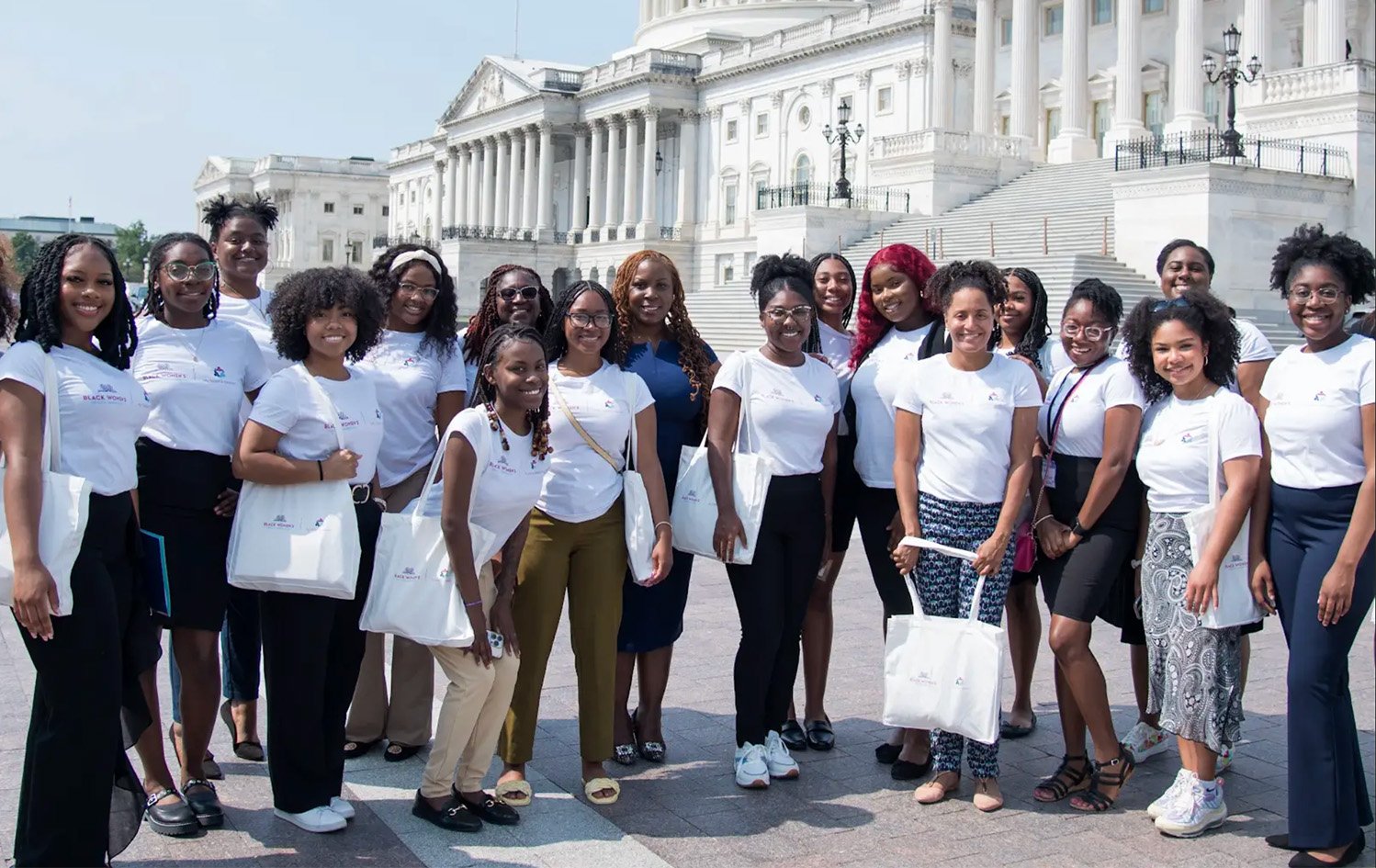
Who Can Be Called A "professional"? Student Loan Policy And
Share
Facebook Twitter LinkedIn Pinterest WhatsApp Email

A recent federal proposal would limit student loan borrowing for certain advanced degrees, including nursing, by redefining which programs qualify as “professional” degrees. If finalized, the change could significantly reduce access to federal loan support for students pursuing advanced nursing credentials.

At first glance, this may sound like a technical budget adjustment. In fact, it is a workforce policy. It is a stock policy. And it’s a black women’s health policy.

Black women are overrepresented in nursing and other health service professions. These careers are not just jobs. They are pillars of our health system and lifelines in our communities. Restricting access to loans for these degrees will not only affect individual students. It would shape who enters the health care workforce for decades.

The student’s perspective: This is not theoretical

Students from My Sister’s Keeper chapters across the country are watching closely.

Breanna Irving, a Howard University student in the class of 2028, puts it plainly:

“It’s not only an attack on my financial stability, but it feels like a deliberate attack on the social mobility and professional respect of black women. Nursing has never been a particularly glorified field, and nurses already face frequent disrespect from the very patients we care for. Using politics to further institutionalize this marginalization is an abuse of power.

Her words underscore a deeper concern. When nursing is treated as less than “professional” in policy language, it reinforces long-standing patterns of devaluation of feminized and caring work.

Samantha Wigginton, a nursing student at an HBCU, frames it with both history and aspiration:

“As a black woman at an HBCU pursuing nursing, federal aid isn’t extra support for me, it’s what makes my education and my ability to serve others possible. Nursing is the backbone of health care and essential to how our society functions. We were called heroes during COVID, but now careers are built on years of sacrifice, sleep and sacrifice. ‘professional.’ If Superman needed a degree, he’d probably be told he wasn’t a “professional” either.

Her statement reflects a contradiction that many in the field recognize. During the height of the pandemic, nurses were hailed as heroes. Now, federal definitions may be quietly undermining the very path that makes it possible to enter the profession.

London Johnson, trained in health education and entering public health, highlights the broader pipeline:

“As someone who trained in health education and entered public health, I see education as the conduit to healthier communities. Limiting loan support for service-related degrees sends the message that these careers are less valued, even though society depends on them. The result will not just be fewer students, but fewer nurses, educators and advocates who choose to care for others.”

And Imani Hill speaks directly to representation:

“This proposed change is troubling because federal loans make it possible for many of us to pursue demanding health care degrees. If nursing is no longer considered a professional degree and loan limits are lowered, it could create serious financial barriers that discourage black students from entering key fields like nursing. At a time when there is a shortage of jobs, representation and service to my community.”

These are not isolated concerns. They are signals.

Because this matters for health equity

Black women have disproportionate student loan debt. We are also more likely to serve in frontline care and health roles. Policies that limit borrowing for advanced degrees in nursing and related professions may:

  • Reduce entry into advanced practice roles
  • Limit healthcare leadership pipelines
  • Slow progress toward workforce diversity
  • Exacerbating provider shortages in underserved communities

This directly intersects with BWHI’s policy pillar of workforce equity and access to health. A diverse, well-supported health workforce is not optional. It is fundamental to improving maternal health outcomes, chronic disease management and community trust.

If fewer black women can afford to pursue advanced nursing degrees, communities already experiencing provider shortages may see those gaps widen.

The Biggest Question

This discussion is ultimately about more than loan limits. It has to do with how we define professional value. Who gets institutional recognition? Whose work is seen as specialized and worthy of investment.

If policy reclassifies nursing in ways that limit economic access, it sends a strong message about whose experience counts.

We believe federal policy should expand pathways to essential health professions, not limit them. The future of black women’s health depends on it.

Our My Sister’s Keeper students are preparing to lead in healthcare, public health and education. The question before politicians is simple: will we invest in them or put new obstacles in their way?

Call to Action — Public Comment Period

Right now, the US Department of Education has released a proposed rule that would implement major changes to federal student loan programs, including defining degrees that qualify for higher loan limits. This public comment period is your opportunity to make your voice heard directly with policymakers before the rule is finalized.

Public comment is open until March 2, 2026.
You may submit your comments electronically through the Federal eRulemaking Portal at with the search Docket ID: ED–2026–OPE–0001 in the “Redesigning and Improving Student Education” section.

Students, graduates, healthcare professionals, educators and communities disproportionately affected by these changes — now is the time to tell your story and explain why access to federal student loan support for nursing and other essential health degrees matters.

Black called future Loan Nursing Policy Professional Student women
bhanuprakash.cg
healthtost
  • Website

Related Posts

Don’t Get Caught in a ‘Web’ of Misinformation – Dos and Don’ts of Doing Your Diagnostic Research Online

February 21, 2026

From knee surgery to the ski slopes: How Ann got her life back

February 19, 2026

Is trauma therapy right for you? Signs that you may benefit from specialized care

February 19, 2026

Leave A Reply Cancel Reply

Don't Miss
News

Single prenatal exposure to fungicide linked to disease in 20 generations

By healthtostFebruary 21, 20260

A single exposure to a toxic fungicide during pregnancy can increase the risk of disease…

Who can be called a “professional”? Student Loan Policy and the Future of Black Women in Nursing

February 21, 2026

Why Melanin-rich skin loses its firmness and how to restore it – MYXCAPE

February 21, 2026

Female Genital Mutilation in Africa: Politics of Criminalization

February 21, 2026
Stay In Touch
  • Facebook
  • Twitter
  • Pinterest
  • Instagram
  • YouTube
  • Vimeo
TAGS
Baby benefits body brain cancer care Day Diet disease exercise finds Fitness food Guide health healthy heart Improve Life Loss Men mental Natural Nutrition Patients People Pregnancy protein research reveals risk routine sex sexual Skin study Therapy Tips Top Training Treatment ways weight women Workout
About Us
About Us

Welcome to HealthTost, your trusted source for breaking health news, expert insights, and wellness inspiration. At HealthTost, we are committed to delivering accurate, timely, and empowering information to help you make informed decisions about your health and well-being.

Latest Articles

Single prenatal exposure to fungicide linked to disease in 20 generations

February 21, 2026

Who can be called a “professional”? Student Loan Policy and the Future of Black Women in Nursing

February 21, 2026

Why Melanin-rich skin loses its firmness and how to restore it – MYXCAPE

February 21, 2026
New Comments
    Facebook X (Twitter) Instagram Pinterest
    • About Us
    • Contact Us
    • Privacy Policy
    • Terms and Conditions
    • Disclaimer
    © 2026 HealthTost. All Rights Reserved.

    Type above and press Enter to search. Press Esc to cancel.