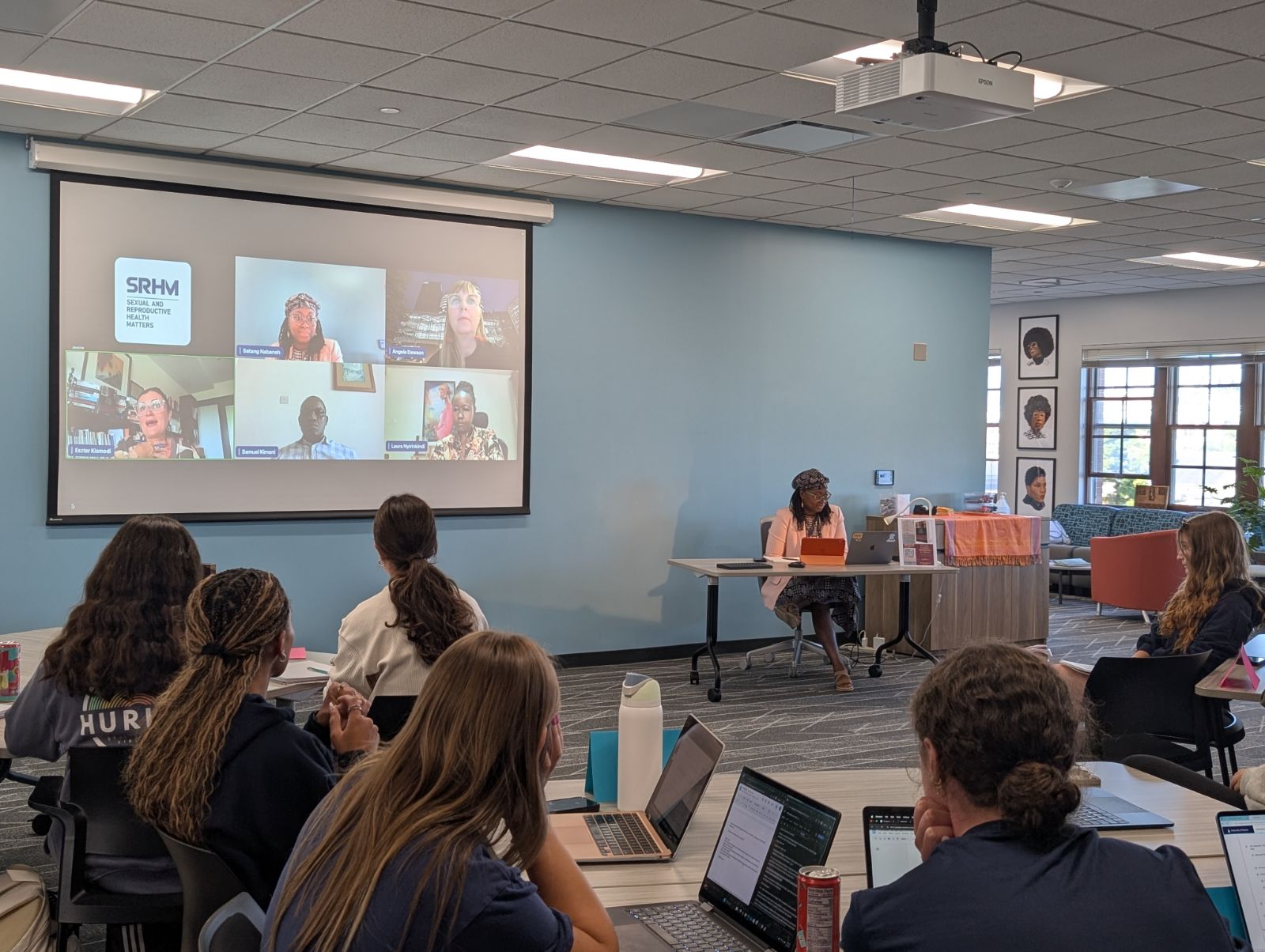
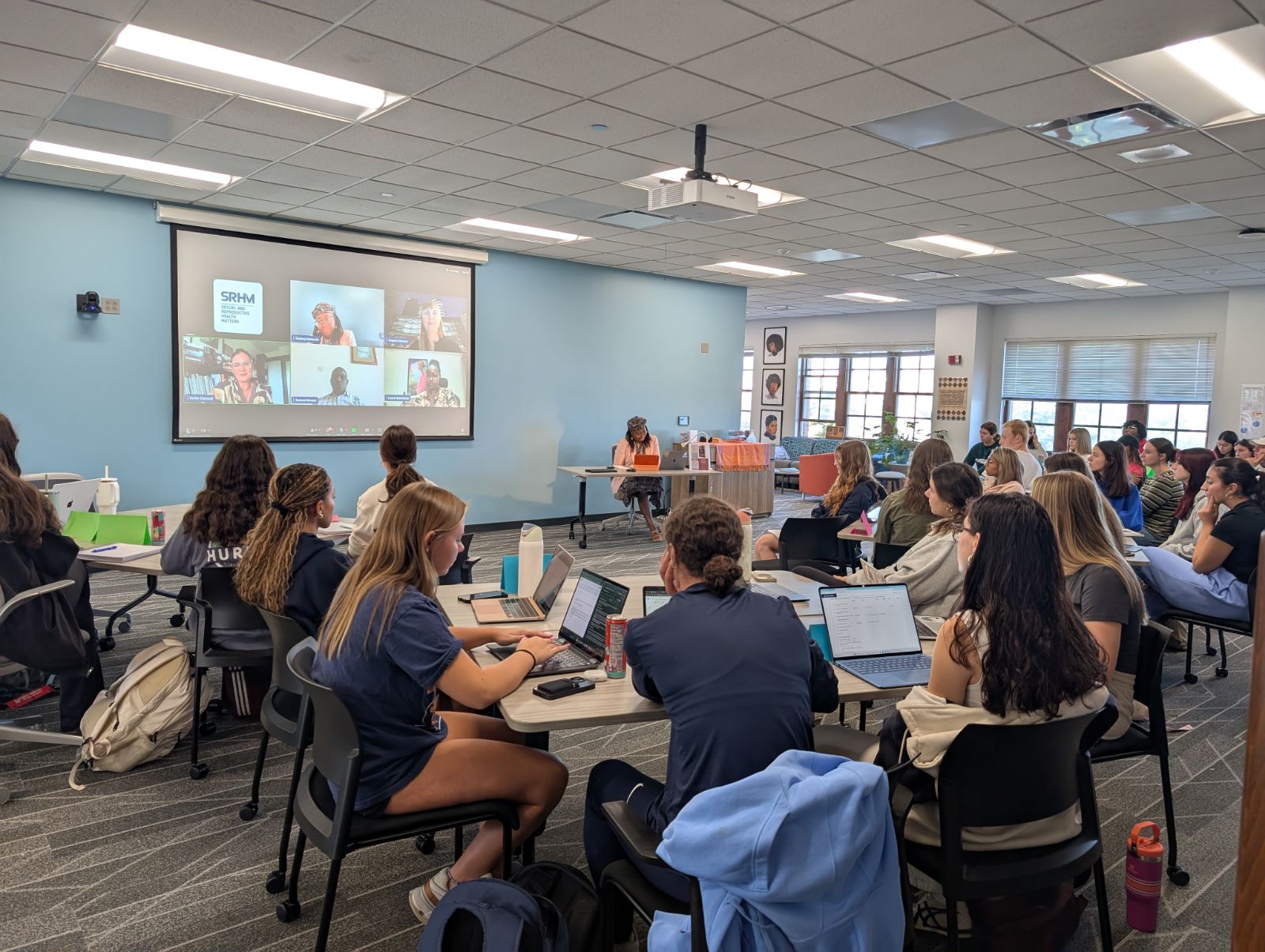
On September 9, 2025the SRHM hosted a thought-provoking webinar on the launch of the open access book Female Genital Mutilation in Africa: Politics of Criminalizationcurated by Satang Nabaneh, Assistant Professor of Practice at the University of Dayton Center for Human Rights and affiliated faculty at the University of Pretoria Center for Human Rights. Introduced by Eszter KismödiCEO of SRHM, the event brought together contributing authors to reflect on the complex and evolving debates surrounding FGM in Africa, particularly the role and limits of criminalisation.
The discussion highlighted that while more than 25 African countries have enacted laws against FGM, prevalence remains high. This highlights the limits of a purely legal approach, as criminalization alone can drive the practice underground, risk punishing survivors and create community resistance when laws are seen as externally imposed. Speakers emphasized the need to look beyond the ‘crime and punishment’ model and adopt approaches rooted in feminist, decolonial and community-centred perspectives.
Another major issue was his growing problem medicalization. As Samuel Kimani He explained that genital mutilation is increasingly being performed by health professionals, often under the false assumption that it is safer. This practice violates medical ethics and perpetuates harm, exposing girls and women to serious health risks and undermining human rights obligations. The debate called for stronger training of health care workers, integration of FGM prevention into health systems, and accountability mechanisms to prevent medical involvement in the practice.
The role of research featured prominently in the discussion. Angela Dawson emphasized that rigorous and ethical research is necessary not only to measure prevalence but also to design effective interventions. She highlighted the importance of community-driven participatory research that goes beyond description to inform real-world strategies, helping communities move away from FGM while addressing broader social determinants of health.
Finally, Laura Nyirinkindi reflected in Uganda’s experience of legal reform, showing both its potential and its weaknesses. While constitutional disputes and parliamentary action against FGM have made significant progress, implementation has met with resistance. The persistence of FGM, often driven by strong social motivations such as cultural legitimacy and marriageability, illustrates the tension between official law and lived reality. Real progress, he argued, requires a combination of legal frameworks with sustained community involvement, education and economic empowerment to reduce the social pressures that keep the practice alive.
Overall, the discussion made it clear that no single approach—whether legal, medical, or research-based—is sufficient to eliminate FGM. Instead, a multidisciplinary and cross-sectoral strategy is needed, one that recognizes the political backlash against gender equality, centers the voices of survivors, and works directly with communities to bring about lasting change.
The webinar brought together a diverse group of participants from across Africa—including Kenya, Liberia, Sudan, Sierra Leone, Zimbabwe, Malawi, Gambia, Zambia, Morocco, South Africa, and the DRC—as well as from Europe, North America, Mexico, and India. Attendees included academics, lawyers, activists, students, health professionals and civil society representatives, who shared experiences from their own contexts and reflected on the complexities of legal, cultural and community responses to FGM. Their contributions to the webinar conversation underscored the global concern and deeply localized realities of the issue, underscoring the need for nuanced and context-based approaches.
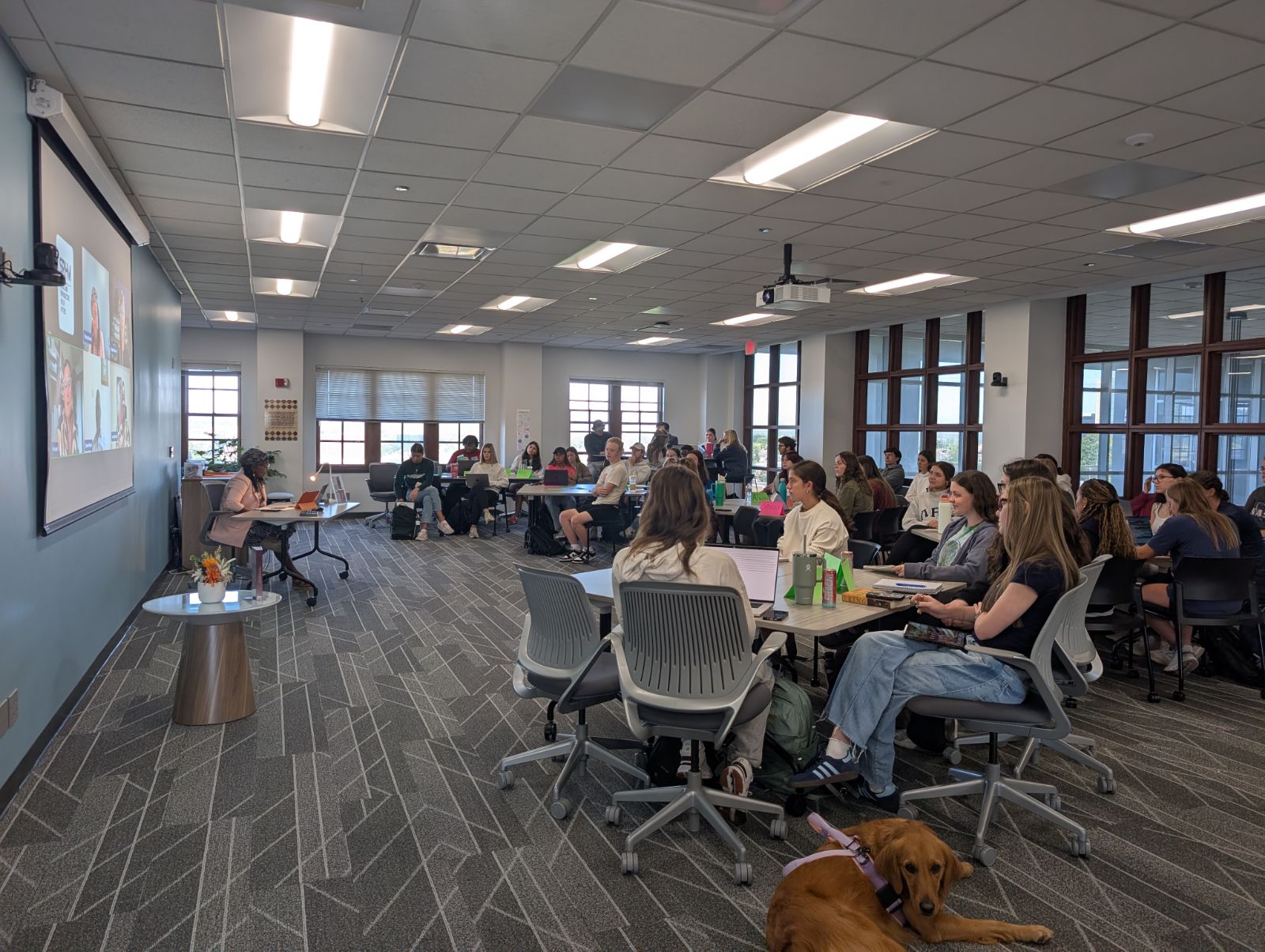
This webinar was also conducted as an in-person course on gender, women’s rights, and global politics by Satang Nabaneh for students and faculty members at the University of Dayton.
The book Female Genital Mutilation in Africa: Politics of Criminalization it is open access and can be read here.
You can also listen to this conversation on the SRHM Podcast: Listen on Apple Podcasts or Spotifyas well as other podcast platforms.
Watch the recording: