

Close Menu
Healthtost
  • News
  • Mental Health
  • Men’s Health
  • Women’s Health
  • Skin Care
  • Sexual Health
  • Pregnancy
  • Nutrition
  • Fitness
  • Recommended Essentials
What's Hot

What foods help leaky gut?

February 11, 2026

10 Health Benefits of Using a CPAP Machine

February 11, 2026

Perceptions of the safety of major vaccines show a significant decline over the past three years

February 11, 2026
Facebook X (Twitter) Instagram
  • About Us
  • Contact Us
  • Privacy Policy
  • Terms and Conditions
  • Disclaimer
Facebook X (Twitter) Instagram
Healthtost
SUBSCRIBE
  • News

    Perceptions of the safety of major vaccines show a significant decline over the past three years

    February 11, 2026

    ‘Partial reprogramming’ of engram neurons restores memory performance in mice

    February 10, 2026

    SPT Labtech and Bellbrook Labs Introduce High-Throughput Screening Platform for Cancer Research

    February 10, 2026

    The nervous system actively promotes precancerous lesions of the pancreas

    February 9, 2026

    UK Ambulance Intensive Care Expands But Unequal Access Still Limits Life-Saving Treatment

    February 9, 2026
  • Mental Health

    Exercise may be as effective as drugs for depression and anxiety – new study

    February 11, 2026

    Advancing the Future of Behavioral Health Data Exchange

    February 7, 2026

    How to avoid watching disturbing videos on social media and protect your peace of mind

    February 6, 2026

    Mental Health in the Black Community: Addressing…

    February 3, 2026

    Some people gain confidence when they think things through, others lose it – new research

    February 2, 2026
  • Men’s Health

    Air conditioning in nursing homes reduces heat-related risk

    February 6, 2026

    Analysis: What it’s like to have non-verbal autism and what helped me

    February 5, 2026

    Testicular cancer self-examination and why it could save your life

    February 2, 2026

    25-Minute Bodyweight Functional Training Program for Beginners

    February 1, 2026

    Turning everyday eggs into powerful nutrient delivery systems

    January 30, 2026
  • Women’s Health

    What is mental wellness and how does it differ from mental health?

    February 11, 2026

    Perimenopause symptoms to watch out for in your 30s and 40s

    February 9, 2026

    Breast reduction surgery saved my life

    February 9, 2026

    2.6 Friday Faves – The Fitnessista

    February 7, 2026

    Enjoying Endorphins: How to Spoil Your Mood with Feel-Good Hormones

    February 5, 2026
  • Skin Care

    5 Signs Your Skin Needs a Drink (And What to Do About It)

    February 10, 2026

    Fraxel Laser in Philadelphia | About Facial Aesthetics

    February 10, 2026

    Complete serum that works: The nighttime routine for real results

    February 8, 2026

    How to avoid shaving irritation: 7 myths that keep your skin angry

    February 7, 2026

    TNW Rich Cream for Soft, Smooth Skin – The natural wash

    February 7, 2026
  • Sexual Health

    THANK YOU FOR ASKING: First Time Sex Tips

    February 11, 2026

    Australia is closer to ending cervical cancer

    February 9, 2026

    Adventurous intimacy is more common than you think — Alliance for Sexual Health

    February 5, 2026

    A guide to a comfortable cervical check with Dr. Unsworth

    February 1, 2026

    How “Bridgerton” and the Other Romances Evolved in Their Depictions of Consent

    January 30, 2026
  • Pregnancy

    18 places to get free baby products, samples and gear in 2026

    February 8, 2026

    Pregnant on Chhath Puja? Hydration and nutrition tips

    February 6, 2026

    The second trimester sweet spot is real. Here’s how to get the most out of it

    February 4, 2026

    Is it safe to drink milk during pregnancy? What to know

    January 31, 2026

    12 Expert Answers to Your Pregnancy Yoga Questions

    January 29, 2026
  • Nutrition

    What foods help leaky gut?

    February 11, 2026

    How sugar affects your microbes

    February 10, 2026

    Stress and weight in midlife

    February 9, 2026

    Nutrient Loss in Modern Cooking: How Frying, Microwaving and Overcooking Deplete Vitamins

    February 9, 2026

    Intuitive Eating 101: It’s More Than ‘Eating When You’re Hungry’

    February 8, 2026
  • Fitness

    10 Health Benefits of Using a CPAP Machine

    February 11, 2026

    The health benefits of walking at any age

    February 10, 2026

    The Orthopedic suggested cardio exercises that are easy on your joints

    February 8, 2026

    The Best Travel Products for Women Over 50 (Comfort and Convenience)

    February 8, 2026

    Ben Greenfield Weekly Update: January 30th

    February 7, 2026
  • Recommended Essentials
Healthtost
Home»Mental Health»Exercise may be as effective as drugs for depression and anxiety – new study
Mental Health

Exercise may be as effective as drugs for depression and anxiety – new study

healthtostBy healthtostFebruary 11, 2026No Comments5 Mins Read
Facebook Twitter Pinterest LinkedIn Tumblr Reddit WhatsApp Email
Exercise May Be As Effective As Drugs For Depression And
Share
Facebook Twitter LinkedIn Pinterest WhatsApp Email

Depression and anxiety affect millions of people around the world.

While treatments such as medicine and psychotherapy (sometimes called talking therapy) can be very effective, it is it’s not always an option. Obstacles include cost, stigma, long waiting lists for appointments, and potential drug side effects.

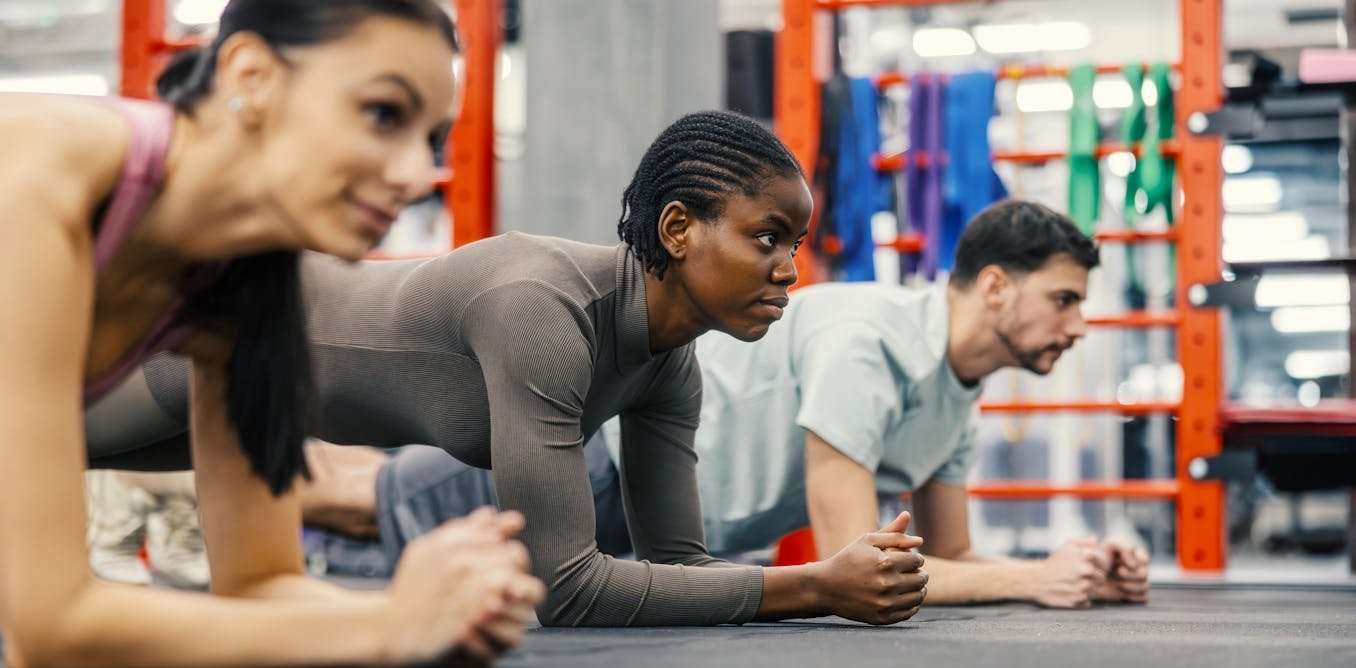
So what about exercise? Our new research, is published todayconfirms that physical activity can be as effective for some people as therapy or medication. This is especially true when it is social and led by a professional, such as a fitness class or running club.

Let’s take a look at the details.

What we already knew

Physical activity has long been promoted as a treatment option for anxiety and depression, mainly because it helps release “Feel good” chemicals in the brain that help boost mood and reduce stress.

But the evidence can be confusing. Hundreds of studies with varying results make it unclear how much exercise is beneficial, what kind, and that helps most.

Over the past two decades, researchers have carried out dozens of separate meta-analyses (studies that combine results from multiple trials) examination of the exercise for depression and anxiety. But these still leave gaps in our understanding of how effective exercise is for different age groups and whether the type of exercise matters.

Many studies they have also included participants with confounding factors (influences that can distort research findings), such as other chronic diseases, for example, diabetes or arthritis. This means that it may be difficult to apply the findings more widely.

What we did

Our research aimed to resolve this confound by conducting a ‘meta-meta-analysis’. This means we systematically looked at the results of all existing meta-analyses – there were 81 – to determine what the evidence actually shows.

Together, this meant data from nearly 80,000 participants in more than 1,000 original trials.

We considered several factors that could explain why their results differed. These included differences in:

  • who they studied (for example, people with diagnosed depression or anxiety versus those who are just showing symptoms, different age groups and women during pregnancy and after birth)

  • what the exercise involved (for example, comparing aerobic fitness with resistance training and mind-body exercises such as yoga, whether it was professionally supervised, intensity and duration)

  • whether the exercise was individual or group.

We also used advanced statistical techniques to precisely isolate and estimate the precise impact of exercise, separate from confounding factors (including other chronic diseases).

Our data examined the impact of exercise only on depression and anxiety. But sometimes people also use antidepressants and/or therapy – so further research will be needed to investigate the effect of these when combined.

What did the study find?

Exercise is effective in reducing both depression and anxiety. But there is a nuance.

We found that exercise had a high impact on depressive symptoms and a moderate impact on anxiety, compared to being inactive.

Benefits were comparable to, and in some cases better than, more widely prescribed mental health treatments, such as therapy and antidepressants.

Importantly, we found out who was most helped by exercise. Two groups showed the greatest improvement: adults aged 18 to 30 and women who had recently given birth.

Many women experience obstacles in postpartum exercise, including lack of time, confidence or access to appropriate and affordable activities.

Our findings suggest that becoming more accessible could be an important strategy to address the mental health of new mothers during this vulnerable period.

How you exercise matters

We also found aerobic activities – such as walking, running, cycling or swimming – were best at reducing both depression and anxiety symptoms.

However, all forms of exercise reduced symptoms, including resistance training (such as weight lifting) and mind-body practices (such as yoga).

For depression, there were greater improvements when people exercised with others and were guided by a professional, such as a group fitness class.

Unfortunately, no data were available on group or supervised exercise for anxiety, so we would need more research to know if the impact is similar.

Exercising once or twice a week had a similar effect on depression as more frequent exercise. And there didn’t seem to be a significant difference between vigorous or low intensity exercise – all were beneficial.

But for anxiety, the best improvements in anxiety symptoms were when exercise was done:

  • consistently, for up to eight weeks, and

  • at a lower intensity, such as walking or swimming laps at a gentle pace.

So what does all this mean?

Our research shows that exercise is a legitimate and evidence-based treatment option for depression and anxiety, particularly for people with diagnosed conditions.

However, simply telling patients to “exercise more” is unlikely to be effective.

The evidence points to structured, supervised exercise with a social component it is best for improving depression and anxiety. The social aspect and accountability can help keep people motivated.

Clinicians should keep this in mind, offering referrals to specific programs – such as aerobic fitness classes or supervised walking and running programs – rather than general advice.

The findings also suggest that this type of exercise may be particularly effective when targeting depression in younger adults and women who have recently given birth.

The takeaway

For people hesitant about medication or facing long waits for treatment, supervised group exercise can be an effective alternative. It’s evidence-based and you can start at any time.

But it’s even better to get advice from a professional. If you have worry or depression symptoms, you should talk to your doctor or psychologist. They can advise you where exercise fits into your treatment plan, possibly alongside therapy and/or medication.

anxiety depression drugs effective exercise study
bhanuprakash.cg
healthtost
  • Website

Related Posts

Advancing the Future of Behavioral Health Data Exchange

February 7, 2026

How to avoid watching disturbing videos on social media and protect your peace of mind

February 6, 2026

Study identifies brain region that leads to visual learning

February 4, 2026

Leave A Reply Cancel Reply

Don't Miss
Nutrition

What foods help leaky gut?

By healthtostFebruary 11, 20260

What is the recommended diet for treating leaky gut? What foods and food ingredients can…

10 Health Benefits of Using a CPAP Machine

February 11, 2026

Perceptions of the safety of major vaccines show a significant decline over the past three years

February 11, 2026

Exercise may be as effective as drugs for depression and anxiety – new study

February 11, 2026
Stay In Touch
  • Facebook
  • Twitter
  • Pinterest
  • Instagram
  • YouTube
  • Vimeo
TAGS
Baby benefits body brain cancer care Day Diet disease exercise finds Fitness food Guide health healthy heart Improve Life Loss Men mental Natural Nutrition Patients People Pregnancy protein research reveals risk routine sex sexual Skin study Therapy Tips Top Training Treatment ways weight women Workout
About Us
About Us

Welcome to HealthTost, your trusted source for breaking health news, expert insights, and wellness inspiration. At HealthTost, we are committed to delivering accurate, timely, and empowering information to help you make informed decisions about your health and well-being.

Latest Articles

What foods help leaky gut?

February 11, 2026

10 Health Benefits of Using a CPAP Machine

February 11, 2026

Perceptions of the safety of major vaccines show a significant decline over the past three years

February 11, 2026
New Comments
    Facebook X (Twitter) Instagram Pinterest
    • About Us
    • Contact Us
    • Privacy Policy
    • Terms and Conditions
    • Disclaimer
    © 2026 HealthTost. All Rights Reserved.

    Type above and press Enter to search. Press Esc to cancel.