

Close Menu
Healthtost
  • News
  • Mental Health
  • Men’s Health
  • Women’s Health
  • Skin Care
  • Sexual Health
  • Pregnancy
  • Nutrition
  • Fitness
  • Recommended Essentials
What's Hot

Brain-Gut Health Initiative supports AI-assisted diagnosis of psychiatric disorders

April 25, 2026

Yeong Kim (Rian) – The Structural Elegance of Intellect and Honor

April 25, 2026

Researchers identify new genetic links to Hyperemesis Gravidarum

April 25, 2026
Facebook X (Twitter) Instagram
  • About Us
  • Contact Us
  • Privacy Policy
  • Terms and Conditions
  • Disclaimer
Facebook X (Twitter) Instagram
Healthtost
SUBSCRIBE
  • News

    Brain-Gut Health Initiative supports AI-assisted diagnosis of psychiatric disorders

    April 25, 2026

    Researchers uncover new mechanism linking metabolism, immunity and skeletal health

    April 25, 2026

    Genetic research identifies rare DNA changes that cause common heart valve damage

    April 24, 2026

    Air quality in infancy may fundamentally shape long-term immune development

    April 24, 2026

    The endoscopic procedure may prevent weight regain after stopping GLP-1

    April 23, 2026
  • Mental Health

    I hate hope: How to manage hope when you have treatment-resistant bipolar disorder

    April 19, 2026

    Rose Byrne is raw, magnetic and unfiltered as a woman in crisis

    April 18, 2026

    Can a single mother change her child’s surname in India?

    April 16, 2026

    Is it anxiety or OCD? 2 psychology experts explain the difference

    April 14, 2026

    Understanding the different types of treatment: C…

    April 10, 2026
  • Men’s Health

    45-Minute No-Equipment Home Workout (Full Body)

    April 23, 2026

    Study finds many UK adults want to avoid ultra-processed foods but can’t clearly define them

    April 21, 2026

    How can you get the best sleep?

    April 21, 2026

    The Crazy Hard Standards of the Hardest PE Program in History

    April 20, 2026

    Becoming revolutionaries in our time: Calling men to change the world for good

    April 20, 2026
  • Women’s Health

    Yeong Kim (Rian) – The Structural Elegance of Intellect and Honor

    April 25, 2026

    I felt ashamed of my dad’s illness

    April 25, 2026

    What are the different stages of puberty?

    April 24, 2026

    Understanding Hot Flashes – HealthyWomen

    April 24, 2026

    Because you are still inflamed

    April 22, 2026
  • Skin Care

    What it is and how to do it right – Lifeline Skin Care

    April 21, 2026

    Best Face Mask Set: What to Use for Your Skin Goals

    April 21, 2026

    Earth Day Activities: A Fun Guide to Plogging and More

    April 20, 2026

    Calm & Correct: The 4-in-1 color correcting treatment

    April 19, 2026

    How to Get Glowing Skin: Beauty Guide

    April 17, 2026
  • Sexual Health

    How accurate are herpes blood tests?

    April 22, 2026

    Understanding the Asexual Spectrum — Sexual Health Alliance

    April 21, 2026

    The importance of sex and intimacy in the elderly

    April 18, 2026

    Judicial reform is the only real way out of today’s political hell

    April 15, 2026

    Personal and Professional considerations between generations

    April 15, 2026
  • Pregnancy

    Researchers identify new genetic links to Hyperemesis Gravidarum

    April 25, 2026

    Loss of Appetite During Pregnancy: A Third Trimester Guide

    April 24, 2026

    Cameron Rodgers wants you to know you’re not the only one Googling “WTF is going on in my body” at 2 a.m.

    April 22, 2026

    A gentle space to navigate the becoming of motherhood

    April 21, 2026

    Transfer to birth center C-section, birth center VBAC and Surprise Footling Breech Transfer to home

    April 18, 2026
  • Nutrition

    Doing the work in the face of fear

    April 25, 2026

    Can the “dark shower” reduce stress and improve sleep?

    April 24, 2026

    High Fiber Smoothie Recipe • Kath Eats

    April 23, 2026

    Which potato is the most nutritious?

    April 22, 2026

    What Really Works (and What Doesn’t)

    April 22, 2026
  • Fitness

    4.24 Friday Faves – The Fitnessista

    April 25, 2026

    The workout we forgot (it’s time to bring it back 💪 )

    April 24, 2026

    Cardio or weightlifting? – Tony Gentilcore

    April 24, 2026

    7 super healthy ways to take care of yourself

    April 23, 2026

    Wake up with these symptoms? Your health may be at risk

    April 23, 2026
  • Recommended Essentials
Healthtost
Home»Sexual Health»What do sexual health professionals need to know – Sexual Health Alliance
Sexual Health

What do sexual health professionals need to know – Sexual Health Alliance

healthtostBy healthtostSeptember 17, 2025No Comments5 Mins Read
Facebook Twitter Pinterest LinkedIn Tumblr Reddit WhatsApp Email
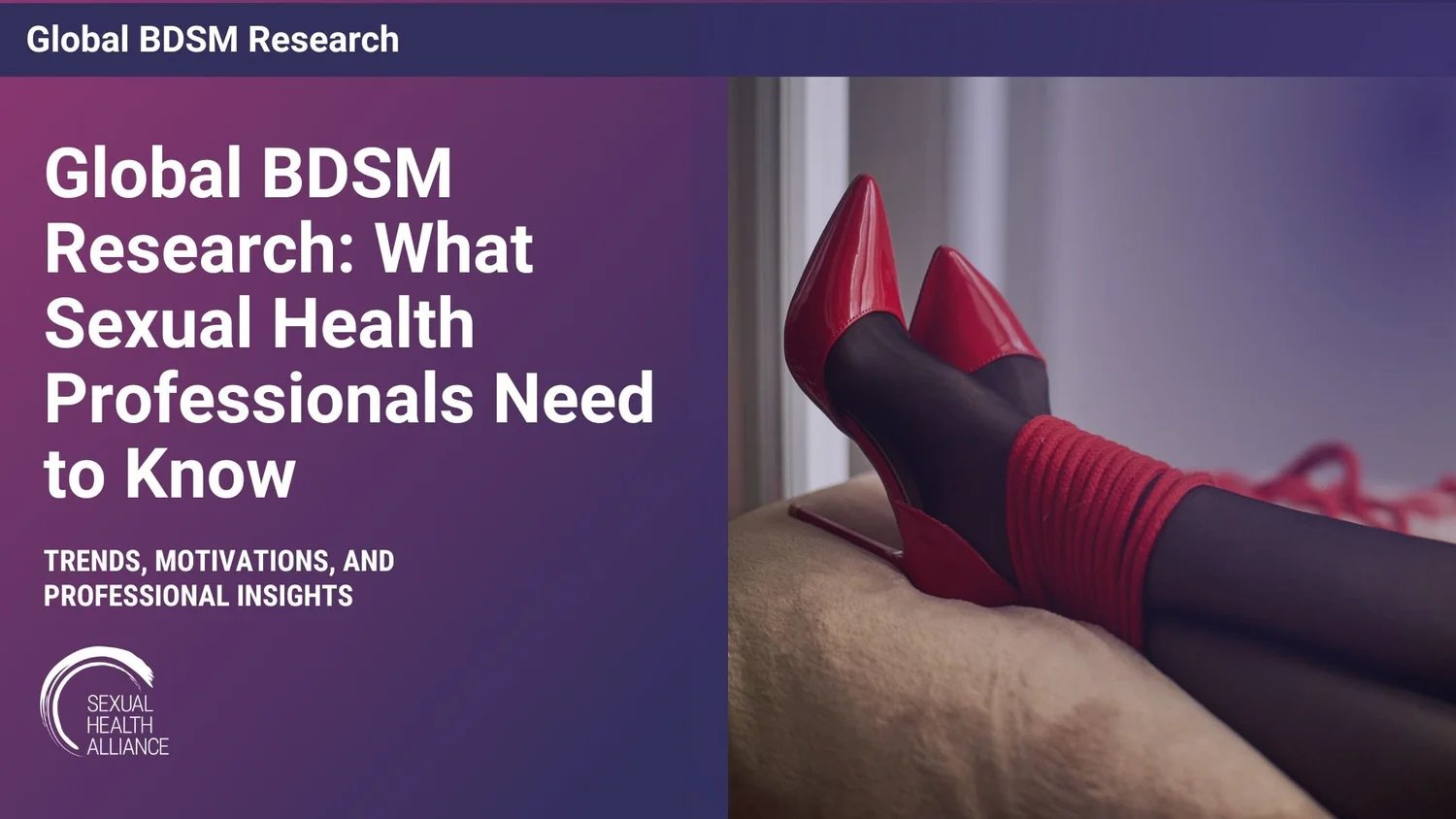
What Do Sexual Health Professionals Need To Know Sexual
Share
Facebook Twitter LinkedIn Pinterest WhatsApp Email

BDSM is a term umbrella for slavery, discipline, sovereignty, submission, sadism and masochism. It includes a variety of activities characterized by consent, communication and boundaries.

As the displacement of cultural behaviors and BDSM are becoming increasingly common, research on these practices is expanding. For sexual health professionals, it is crucial to understand this evolving landscape not only at a community or national level, but also worldwide. This blog examines recent international studies on BDSM and highlights their impact on clinical and educational practice.

In spite of the ongoing stigma, the research shows that BDSM can offer psychosocial and relational benefits. For professionals, transition beyond the stigma and integration of evidence into practice is essential.

Where does BDSM survey come from?

Much of the research on BDSM, sexual health and general health comes from Curious populations. This acronym means:

  • West

  • Educated

  • Industrial

  • Rich

  • Democratic

These groups are consistently overwhelmed in psychological and sexual research. In general, and in sexuality studies, samples of heterosexuals, cisgender, capable and male are also dominated by disproportionate.

Why does this matter?

As sexual health professionals, we rely on research on guidance of education, clinical decision -making and community interventions. Representation in research is fundamental to building free of exclusion practices. Encouraging, while strange samples are still dominant, recent BDSM research begins to include more world prospects.

BDSM in the world context

In the past year, more international research has emerged that help us better understand worldwide standards in BDSM. Below, we look at two basic studies and their impact on sexual health professionals.

Study 1: Global BDSM Practice Research

THE First major international survey for BDSMpublished in 2024, explored the fluctuation of interests and practices in all areas. While the curious populations were still beyond, the study included participants from a different global background. Basic findings:

  • Private versus public game: In all areas, over 95% are privately involved in BDSM. North Americans were more likely than Europeans or oceans publicly participating in events, such as BDSM races and racing (social gathering events for those interested in BDSM)

  • Age of first practice: There were no significant differences on all continents when people first dealt with BDSM.

  • Start of fantasies: Europeans reported a previous appearance of BDSM -related ghosts

  • Regional Differences in Practice: North Americans scored higher than Europeans for fantasies and activities related to discipline and exhibition character

BDSM practices are widespread, with remarkable similarities on all continents. However, cultural factors, such as religiousness, stigma and politics, shape how communities participate and talk about BDSM. For sexual health professionals, understanding these frameworks is vital.

Study 2: Age of Awareness, Introduction Roads and incentives

Earlier this year, another study, mainly from the US, Canada and the United Kingdom, Examined when and how people first knew BDSM.

Early awareness of BDSM was a common trend in this study.

  • Most participants knew BDSM during adolescence (aged 10-21 years).

  • Over 60% learned about BDSM before the age of 18. About one in four minors who participated privately in the BDSM game, while only 8% discovered BDSM after the age of 30.

  • About 40% did not publicly participate up to 30.

Self-introduction, followed by a partner, and a friend was the most common sources of introduction to BDSM.

  • 62% of people reported self -discovery as an introduction to BDSM.

  • Partners (22%) and friends (14%) were also common paths.

  • Less than 15% reported internet, literature, family or media.

Identity -related factors were stronger forecasting factors when participants learned or participated in BDSM from stated reasons. For example:

  • The Canadians reported prior interest from the Americans.

  • Compared to older generations, Gen Z-Ers was more likely to mention a newer interest and less likely to play with friends and non-sexual romantic partners.

  • Sexually different participants also reported interest at a younger age than heterosexuals.

  • The latest private participation was more common among women, transsexuals, Panaxic participants, color faces and those outside the US/United Kingdom/Canada compared to their counterparts.

In all teams, the top motive for BDSM was a pleasure. Almost half participants used explicit terms such as pleasure, fun, happy, good, and enjoyment When describing the reasons for their participation.

Because this matters to sexual health professionals

These findings highlight many key points:

  • BDSM is global and varied. While strange samples continue to dominate, intercultural studies reveal both common standards and regional differences.

  • Awareness begins early. Many people are interested in BDSM during adolescence, underlining the need for careful talks without stigma in sexual education and clinical care.

  • Representation issues. Background factors (gender, sexuality, cultural context) influence the way and when people deal with BDSM. Research must better reflect this diversity to inform the practice without exclusion.

  • The stigma insists. BDSM Stigma and Kinkphobia continue to influence the lives of two professionals and how professionals are discussing BDSM. Reduction of stigma in clinical and community contexts is essential.

Are you interested in learning more about BDSM?

SHA offers a wide range of resources, events and certifications to help professionals deepen their knowledge of BDSM and Kink.

Resources:

Certifications:

SHA offers a variety of programs for sexuality professionals. Become certified as:

Do you want to be informed?

Become Kink updated Certified (Kic) with sha. With this training, you will be able to better provide the needs of customers around sexuality around those who deal with Kink, BDSM and alternative sexuality.

Alliance health professionals sexual
bhanuprakash.cg
healthtost
  • Website

Related Posts

Brain-Gut Health Initiative supports AI-assisted diagnosis of psychiatric disorders

April 25, 2026

Researchers uncover new mechanism linking metabolism, immunity and skeletal health

April 25, 2026

Wake up with these symptoms? Your health may be at risk

April 23, 2026

Leave A Reply Cancel Reply

Don't Miss
News

Brain-Gut Health Initiative supports AI-assisted diagnosis of psychiatric disorders

By healthtostApril 25, 20260

Psychiatric disorders affect millions worldwide, but their diagnosis is still based on clinical observation rather…

Yeong Kim (Rian) – The Structural Elegance of Intellect and Honor

April 25, 2026

Researchers identify new genetic links to Hyperemesis Gravidarum

April 25, 2026

Doing the work in the face of fear

April 25, 2026
Stay In Touch
  • Facebook
  • Twitter
  • Pinterest
  • Instagram
  • YouTube
  • Vimeo
TAGS
Baby benefits body brain cancer care Day Diet disease exercise finds Fitness food Guide health healthy heart Improve Life Loss Men mental Natural Nutrition Patients Pregnancy research reveals risk routine sex sexual Skin Skincare study Therapy Tips Top Training Treatment Understanding ways weight women Workout
About Us
About Us

Welcome to HealthTost, your trusted source for breaking health news, expert insights, and wellness inspiration. At HealthTost, we are committed to delivering accurate, timely, and empowering information to help you make informed decisions about your health and well-being.

Latest Articles

Brain-Gut Health Initiative supports AI-assisted diagnosis of psychiatric disorders

April 25, 2026

Yeong Kim (Rian) – The Structural Elegance of Intellect and Honor

April 25, 2026

Researchers identify new genetic links to Hyperemesis Gravidarum

April 25, 2026
New Comments
    Facebook X (Twitter) Instagram Pinterest
    • About Us
    • Contact Us
    • Privacy Policy
    • Terms and Conditions
    • Disclaimer
    © 2026 HealthTost. All Rights Reserved.

    Type above and press Enter to search. Press Esc to cancel.