

Close Menu
Healthtost
  • News
  • Mental Health
  • Men’s Health
  • Women’s Health
  • Skin Care
  • Sexual Health
  • Pregnancy
  • Nutrition
  • Fitness
  • Recommended Essentials
What's Hot

Low testosterone almost broke me

March 19, 2026

Eliminate Your Daily Stimulant Fix! Here’s how to eat for sustained energy throughout the day

March 19, 2026

The snail-derived compound prevents blood clots while maintaining normal bleeding

March 18, 2026
Facebook X (Twitter) Instagram
  • About Us
  • Contact Us
  • Privacy Policy
  • Terms and Conditions
  • Disclaimer
Facebook X (Twitter) Instagram
Healthtost
SUBSCRIBE
  • News

    The snail-derived compound prevents blood clots while maintaining normal bleeding

    March 18, 2026

    Sartorius launches next-generation platform to boost efficiency in cell therapy production

    March 18, 2026

    New risk models improve food safety guidelines for pregnant women

    March 17, 2026

    Patients who stop GLP-1 drugs often start again or try alternatives

    March 17, 2026

    Weekly buprenorphine injections improve opioid abstinence during pregnancy

    March 16, 2026
  • Mental Health

    Anxiety and ADHD can overlap—here’s how to untangle these widespread mental health disorders

    March 16, 2026

    How Mental Health Professionals Can Earn CE…

    March 13, 2026

    what teenage girls told us

    March 12, 2026

    The tryptophan switch? Because exercise boosts your mood

    March 8, 2026

    Are you stressed about politics? You wouldn’t expect it, and research shows that social media is largely to blame

    March 4, 2026
  • Men’s Health

    Low testosterone almost broke me

    March 19, 2026

    How a dose of antibiotic can reshape your gut microbiome for years

    March 18, 2026

    Dr. Michelle Quist Ryder on Social Connection, Elements of Belonging, and Loneliness on Vacation

    March 17, 2026

    6 Lifesaving Skills Every Man Should Know

    March 17, 2026

    Love 6.0: Explorations of an 82-year-old Ane Healer: Love Lesson #2: To Thine Own Self Be True

    March 16, 2026
  • Women’s Health

    Eliminate Your Daily Stimulant Fix! Here’s how to eat for sustained energy throughout the day

    March 19, 2026

    How Becoming a Faster Trainer Changed My Life (and 4x My Gross Income) – Sarah Fit

    March 18, 2026

    When ‘Affordable’ Means Risk: What Disastrous Health Plans Can Mean for Black Women

    March 18, 2026

    49 Years of Women’s Power

    March 17, 2026

    “Packing Your Bag” – Essentials to Bring to Your Chemo and Infusion Appointments

    March 17, 2026
  • Skin Care

    Winter skincare essentials – The natural wash

    March 18, 2026

    Before Tropic had awards, an extensive range of products or millions of C – Tropic Skincare

    March 18, 2026

    How long does Jeuveau last? Comparison of results with Botox

    March 17, 2026

    Your top 5 skincare questions answered

    March 14, 2026

    How to prevent UV damage and keep your skin healthy

    March 14, 2026
  • Sexual Health

    Queer Muslims find community through Ramadan

    March 17, 2026

    The law and self-administered abortion during COVID19 and beyond < SRHM

    March 16, 2026

    Can you get an STD from a sex toy?

    March 16, 2026

    Positive porn, sedentary behavior and consensual non-monogamy — Sexual Health Alliance

    March 15, 2026

    Navigating identity and sexual health as a Vietnamese immigrant

    March 12, 2026
  • Pregnancy

    Choosing the best online prenatal fitness instructor course

    March 17, 2026

    I’ll say it again: Don’t kiss the baby

    March 15, 2026

    The baby is listening to you! Here’s why it matters

    March 13, 2026

    Gentle, supportive care for mothers, through pregnancy, labor and delivery

    March 11, 2026

    Stress and Fertility with Dr Haider Najjar

    March 10, 2026
  • Nutrition

    Why GLP-1s change your relationship with food

    March 15, 2026

    March 2026 • Kath Eats

    March 15, 2026

    Do pomegranates live up to their health claims?

    March 14, 2026

    Natural strategies for women to restore energy and balance hormones

    March 13, 2026

    How much sodium do you need?

    March 12, 2026
  • Fitness

    How Comparison Fuels Anxiety (and How to Break the Cycle)

    March 18, 2026

    The 5 Best Hobbies That Double as Therapy After 50

    March 17, 2026

    What is BHT in Cereals? Is it bad for you?

    March 17, 2026

    How to build a simple home gym that supports long-term healthy living

    March 15, 2026

    How to prevent joint pain during exercise after 50

    March 14, 2026
  • Recommended Essentials
Healthtost
Home»News»Consumption of more animal proteins may slightly lower mortality of cancer
News

Consumption of more animal proteins may slightly lower mortality of cancer

healthtostBy healthtostAugust 27, 2025No Comments6 Mins Read
Facebook Twitter Pinterest LinkedIn Tumblr Reddit WhatsApp Email
Consumption Of More Animal Proteins May Slightly Lower Mortality Of
Share
Facebook Twitter LinkedIn Pinterest WhatsApp Email

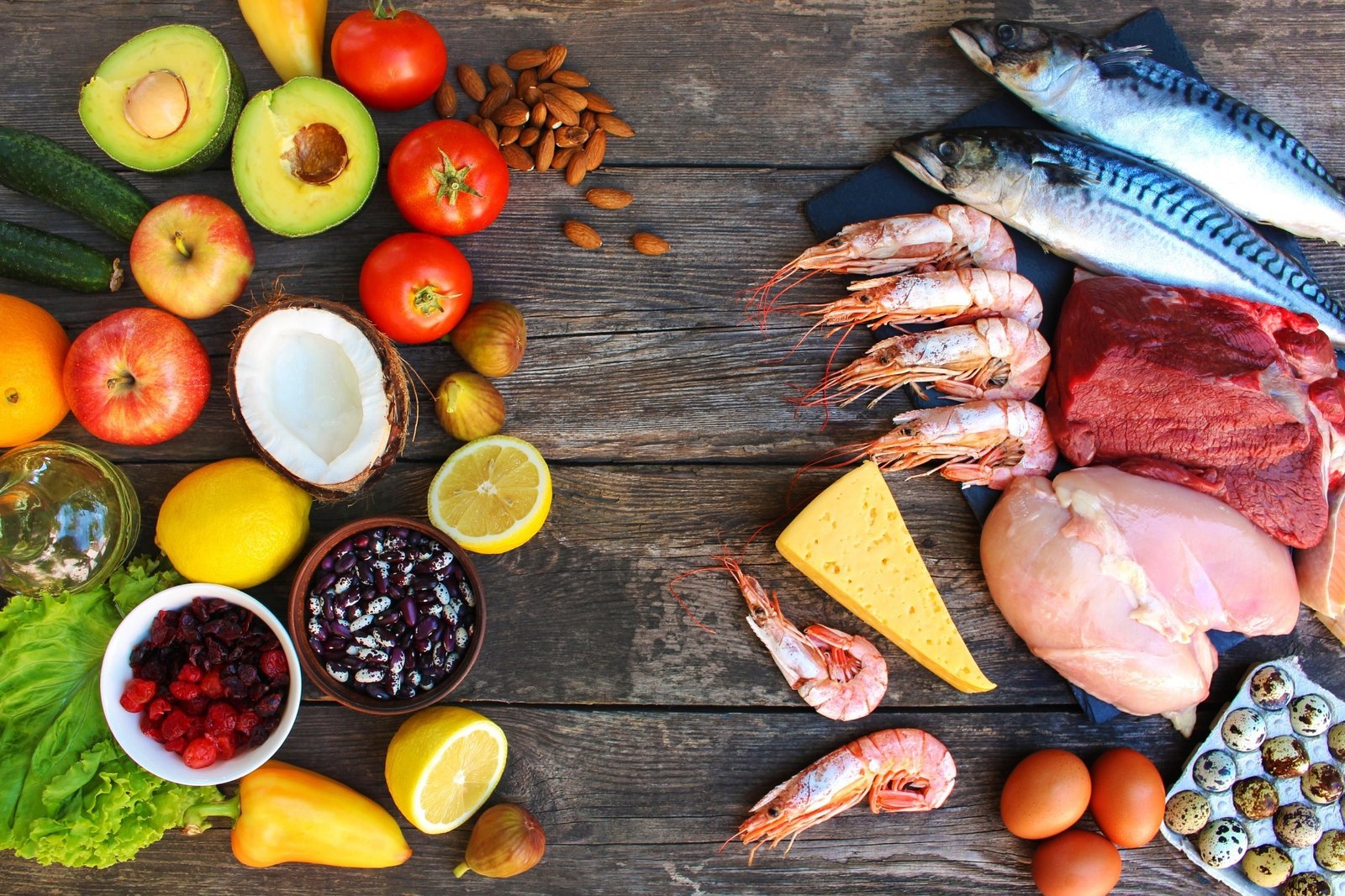
The new findings question the belief that animal protein increases the risk of mortality, shows no harm to longevity and even a small effect of US adult cancer.

Study: Ordinary Animal and Plant Protein Recruits are not adversely linked to the risk of mortality associated with cancer: a Nhanes III analysis. Credit Picture: Victoria 1/Shutterstock.com

A recent study at Applied Physiology, Nutrition and Metabolism He explored the impact of the intake of protein and herbal herbal on mortality from all causes, cancer and cardiovascular disease (CVD). Researchers did not observe differential correlations between the risk of mortality and dietary proteins derived from plants and animals. They also found that the intake of animal proteins was associated moderately with a lower risk of cancer mortality.

Intake of proteins and health

In the US and Canada, the recommended dietary compensation (RDA) for proteins is set to 0.8 g of protein/kg/day for good health. However, the dietary protein varies within the accepted macronutrient distribution areas (AMDR) is several times higher than the RDA. There is no clear recommendation about how much dietary protein intake is beneficial, especially in the elderly population.

Research has shown that higher consumption of animal proteins increases the risk of cancer and CVD mortality. On the contrary, the intake of protein plants has been linked to higher health benefits and lower mortality risk. A previous study used the third national research on health and nutrition examination 1988-1994 (NHANES III), revealing the correlation between the highest protein intake and the significant increase in overall mortality. This study also showed that higher protein consumption could lead to four times more increased risk of cancer in adults aged 50-65 years. However, these results will vary depending on whether or not the protein consumed by plants.

Mechanically, the proposed effects that promote high protein intake cancer are associated with the 1-type insulin-type growth factor (IGF-1). A linear correlation has been documented between protein intake and IGF-1 circulation. Therefore, a lower protein intake can reduce the risk of mortality associated with IGF-1 and mortality of all causes. Interestingly, meta-analyzes have indicated a U-shaped relationship between IGF-1 and mortality, that is, the increased mortality risk in people with lower or higher IGF-1 levels.

Taking into account heterogeneous effects on the health effects of protein intake, more studies are needed to assess the relationship between the usual intake of protein and plants and cancer, as well as all the causes and risk of mortality from CVDs in adults of various age groups.

For the study

The current study examined whether the intake of animal proteins can increase the risk of mortality, especially in middle -aged adults and whether the intake of protein plants may be protective. Researchers also assume that IGF-1 circulation will not be associated with mortality.

NHANES III research data from 1988 to 1994 and protein recruitment data in all adults over 19 years of age were included. Initially, 15,937 participants were displayed. 7.483 were men and 8,454 were women. People with unreliable data, no surveillance reports and pregnant or female females were excluded.

Total calories, proteins, animal proteins, vegetable protein, total fats and carbohydrates were valued and formed using the Markov Monte Carlo (MCMC) multiple variable method. The nutrient content was assessed by linking food composition data provided by the USDA nutrient database for standard reference (SR). The risk models operated only with participants with a complete set of variables.

The National Assistant Assistant Assistant Funding funded the study, although the authors said the sponsor had no role in its design, analysis or interpretation.

Study findings

The current study showed that the intake of animal proteins was not associated with an increased risk of cancer, all causes or CVDs. However, age, smoking and sedentary lifestyle were recognized as expected risk factors for mortality of all causes in customized models. Regular consumption of animal proteins was associated with a moderate but significant correlation with cancer mortality.

There was no correlation between the usual consumption of vegetable proteins and the risk of mortality, or the risk of cancer mortality. The result remained unchanged, even when mortality, either for all causes, CVD or cancer, was determined in adults between the ages of 19 and 65 or those of 65 years.

Participants who consume herbal proteins did not have a correlation between the intake of proteins and the cause, CVD and the risk of cancer mortality when they were evaluated on a 5 or 10 g growth basis. There was no correlation with the mortality of all causes or CVD for animal proteins when evaluated on a 5 or 10 g growth basis. However, a significant reverse correlation was observed with cancer mortality. A simultaneous introduction of protein of animals and plants into the risk model showed similar results.

The current study did not observe any correlation between IGF-1 concentrations and the risk of mortality of all causes, cancer and CVD. The risk analysis (HR) in all adults has not shown a significant relationship between the usual protein intake and the risk of mortality of all causes, the risk associated with CVD or the risk of cancer mortality. There has been no change in HR between younger and older pigs for animal proteins or vegetable proteins for mortality of all causes, CVDs and cancer.

Unlike the previous findings of the study, this study did not find beneficial effects of mortality by increasing the consumption of vegetable proteins. A moderate but important protective relationship was observed between the usual intake of animal proteins and cancer mortality. Such a correlation was absent for the usual intake of vegetable protein.

Conclusions

The current study showed no correlation between animals or herbal proteins with a risk of mortality from all causes or CVDs. No correlation was observed between IGF-1 concentration and all causes, CVDs and cancer-related mortality even in the elderly population. Increasing the intake of animal proteins has shown a small but statistically significant reduction in cancer mortality.

The authors mentioned several limitations, including the lack of nutrients compared to the analysis. In addition, since the results of the IGF-1 were only associated with a population sub-section, this could underestimate the actual number of mortality events. Future research should include biomarkers and urine nitrogen to assess the effect of protein intake.

Magazine report:

  • Papanikolaou, Y. et al. (2025). Common intake of protein and herbal plants are not negatively linked to the risk of cancer -related mortality: a NHANES III analysis. Applied Physiology, Nutrition and Metabolism. 50, PP1-8.
animal cancer consumption mortality proteins slightly
bhanuprakash.cg
healthtost
  • Website

Related Posts

The snail-derived compound prevents blood clots while maintaining normal bleeding

March 18, 2026

Sartorius launches next-generation platform to boost efficiency in cell therapy production

March 18, 2026

New risk models improve food safety guidelines for pregnant women

March 17, 2026

Leave A Reply Cancel Reply

Don't Miss
Men's Health

Low testosterone almost broke me

By healthtostMarch 19, 20260

How Low Testosterone Almost Broke Me and What I Learned as a GP As a…

Eliminate Your Daily Stimulant Fix! Here’s how to eat for sustained energy throughout the day

March 19, 2026

The snail-derived compound prevents blood clots while maintaining normal bleeding

March 18, 2026

How Becoming a Faster Trainer Changed My Life (and 4x My Gross Income) – Sarah Fit

March 18, 2026
Stay In Touch
  • Facebook
  • Twitter
  • Pinterest
  • Instagram
  • YouTube
  • Vimeo
TAGS
Baby benefits body brain cancer care Day Diet disease exercise Fitness food Guide health healthy heart Improve Life Loss Men mental Natural Nutrition Patients People Pregnancy protein research reveals risk routine sex sexual Skin Skincare study Therapy Tips Top Training Treatment ways weight women Workout
About Us
About Us

Welcome to HealthTost, your trusted source for breaking health news, expert insights, and wellness inspiration. At HealthTost, we are committed to delivering accurate, timely, and empowering information to help you make informed decisions about your health and well-being.

Latest Articles

Low testosterone almost broke me

March 19, 2026

Eliminate Your Daily Stimulant Fix! Here’s how to eat for sustained energy throughout the day

March 19, 2026

The snail-derived compound prevents blood clots while maintaining normal bleeding

March 18, 2026
New Comments
    Facebook X (Twitter) Instagram Pinterest
    • About Us
    • Contact Us
    • Privacy Policy
    • Terms and Conditions
    • Disclaimer
    © 2026 HealthTost. All Rights Reserved.

    Type above and press Enter to search. Press Esc to cancel.