

Close Menu
Healthtost
  • News
  • Mental Health
  • Men’s Health
  • Women’s Health
  • Skin Care
  • Sexual Health
  • Pregnancy
  • Nutrition
  • Fitness
  • Recommended Essentials
What's Hot

The difference between Mindful Eating vs Mindful Eating

June 25, 2026

NVIDIA Announces BioNeMo Agent Toolkit — Agent Tools to Accelerate Scientific Discovery

June 25, 2026

How to Get Rid of Dandruff Permanently: Your 90 Day Plan

June 25, 2026
Facebook X (Twitter) Instagram
  • About Us
  • Contact Us
  • Privacy Policy
  • Terms and Conditions
  • Disclaimer
Facebook X (Twitter) Instagram
Healthtost
SUBSCRIBE
  • News

    NVIDIA Announces BioNeMo Agent Toolkit — Agent Tools to Accelerate Scientific Discovery

    June 25, 2026

    Swedish scientist wins prestigious prize for research on illness behavior

    June 24, 2026

    Eating 90g of whole grains daily is associated with a lower risk of breast cancer

    June 24, 2026

    Researchers identify molecular pathway that delays diabetic wound healing

    June 23, 2026

    The menstrual cycle changes heart rate variability but not strength

    June 23, 2026
  • Mental Health

    Everyone wants to think they’re open-minded – here’s why most people aren’t

    June 24, 2026

    five tips from influential thinkers to calm your nerves

    June 19, 2026

    10 Ways to Find Your Purpose as a Married Woman

    June 17, 2026

    Performing under pressure? For athletes it depends on 3 main things

    June 14, 2026

    GLP-1 drugs like Ozempic promise more than just weight loss. But what is science versus hype?

    June 10, 2026
  • Men’s Health

    Weight lost is less likely to be regained when exercise follows obesity treatment

    June 24, 2026

    What chess has taught me about my ADHD brain

    June 23, 2026

    Mix up your workout with Myo-Reps

    June 23, 2026

    Why we keep dating the wrong person and how you can find the right life partner now

    June 22, 2026

    Higher BMI increases risk of 19 cancers as global review widens obesity-cancer link

    June 17, 2026
  • Women’s Health

    How to Get Rid of Dandruff Permanently: Your 90 Day Plan

    June 25, 2026

    How to get pregnant with PMOS (formerly PCOS)

    June 24, 2026

    Pregnancy Doctor Appointment in Alexandria VA

    June 24, 2026

    Redefine your fitness with hybrid training

    June 23, 2026

    Judenth and Black Women Who Made Freedom Practice

    June 23, 2026
  • Skin Care

    Welcome Back, Zinc Oxide – Woohoo Body

    June 25, 2026

    The best skincare routine for perimenopause + food allergies

    June 24, 2026

    Redefining Glow: Why Secretome Skincare and AI Are the Future of Beauty | Skin secrets

    June 23, 2026

    Men’s Skin Care: Why a Gentleman’s Facial is the Only Treatment You Really Need

    June 22, 2026

    DIY Castor Oil Eye Serum Roll On

    June 19, 2026
  • Sexual Health

    Who will train the next generation of abortion providers?

    June 25, 2026

    Action Research in Francophone Africa

    June 24, 2026

    Creating supportive recovery spaces for LGBTQ+ people

    June 23, 2026

    Complete career guide for 2026 — Sexual Health Alliance

    June 23, 2026

    Menopause and sexual health | American Association for Sexual Health

    June 20, 2026
  • Pregnancy

    “Is it a boy or a girl?” Old Wives’ Tales Gender Prediction Summary

    June 23, 2026

    Daily exposure to chemicals during pregnancy may be linked to older, smaller babies

    June 22, 2026

    What to consider when choosing a stem cell bank in India

    June 21, 2026

    Should women over 30 take creatine? – Pink stork

    June 20, 2026

    Hidradenitis suppurativa: When HS joins the journey of pregnancy

    June 20, 2026
  • Nutrition

    The difference between Mindful Eating vs Mindful Eating

    June 25, 2026

    Can highly processed foods be fixed by modifying their nutrients?

    June 24, 2026

    Energetic summer Smoothies that do not raise blood sugar

    June 24, 2026

    10 Diet Mistakes to Avoid

    June 23, 2026

    What is body liberation? Moving beyond mainstream body positivity

    June 22, 2026
  • Fitness

    Some Postpartum Thoughts – Tony Gentilcore

    June 21, 2026

    The best sleep routine for men over 50 who want more energy

    June 20, 2026

    Is it a good source?

    June 20, 2026

    How to Stay Active and Get Your 10,000 Daily Steps in Auto-centric Houston

    June 18, 2026

    ‘Squatter Hunter’ Flash Shelton Reveals The Scaling Tactics That Help Him Reclaim Homes Safely

    June 16, 2026
  • Recommended Essentials
Healthtost
Home»News»Stanford Medicine researchers demonstrate new way to temporarily increase sleepiness
News

Stanford Medicine researchers demonstrate new way to temporarily increase sleepiness

healthtostBy healthtostJanuary 4, 2024No Comments5 Mins Read
Facebook Twitter Pinterest LinkedIn Tumblr Reddit WhatsApp Email
Stanford Medicine Researchers Demonstrate New Way To Temporarily Increase Sleepiness
Share
Facebook Twitter LinkedIn Pinterest WhatsApp Email

How deeply can one be hypnotized -? known as hypnotism -? it appears to be a stable trait that changes little throughout adulthood, like personality and IQ. But now, for the first time, Stanford Medicine researchers have shown a way to temporarily increase hypnotism -? potentially allowing more people to access the benefits of hypnosis-based therapy.

In the new study, to be published on January 4 Nature Mental Healthresearchers found that less than two minutes of electrical stimulation targeting a precise area of ​​the brain could enhance participants’ hypnotizability for about an hour.

“We know that hypnosis is an effective treatment for many different symptoms and disorders, particularly pain,” said Afik Faerman, PhD, postdoctoral fellow in psychiatry and lead author of the study. “But we also know that not everyone benefits equally from hypnosis.”

Focused attention

About two-thirds of adults are at least somewhat hypnotizable, and 15% are considered highly hypnotizable, meaning they score a 9 or 10 on a standard 10-point measure of hypnotizability.

Hypnosis is a state of highly focused attention, and a higher hypnotizability improves your chances of doing better with techniques that use hypnosis.”


David Spiegel, MD, professor of psychiatry and behavioral sciences and senior author of the study

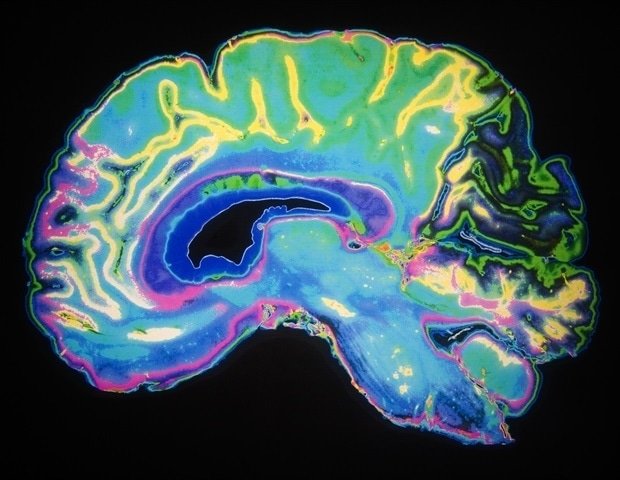
Spiegel, the Jack, Lulu and Sam Willson Professor of Medicine, has spent decades studying hypnotherapy and using it to help patients control pain, reduce stress, quit smoking and more. Several years ago, Spiegel led a team that used brain imaging to uncover the neurobiological basis of the practice. They found that high hypnotizability subjects had stronger functional connectivity between the left dorsolateral prefrontal cortex, which is involved in information processing and decision making. and the dorsal anterior cingulate cortex, involved in stimulus detection.

“It made sense that the people who naturally coordinate the activity between these two areas could be brought together more closely,” Spiegel said. “It’s because you’re coordinating what you’re focusing on with the system that’s distracting you.”

Displacement of a fixed attribute

With these ideas, Spiegel collaborated with Nolan Williams, MD, associate professor of psychiatry and behavioral sciences, who has pioneered noninvasive neurostimulation techniques to treat conditions such as depression, obsessive-compulsive disorder, and suicidal ideation.

The hope was that neurostimulation could change even a stable trait like hypnotism.

In the new study, researchers recruited 80 participants with fibromyalgia, a chronic pain condition that can be treated with hypnotherapy. They excluded those who were already highly hypnotizable.

Half of the participants received transcranial magnetic stimulation, in which paddles applied to the scalp deliver electrical pulses to the brain. Specifically, they received two 46-second applications that delivered 800 pulses of electricity to a precise location in the left dorsolateral prefrontal cortex. The exact locations depended on each person’s unique brain structure and activity.

“A new aspect of this test is that we used the person’s own brain networks, based on brain imaging, to target the right spot,” said Williams, also senior author of the study.

The other half of the participants received a sham treatment that looked and felt the same, but without electrical stimulation.

Hypnotizability was assessed by the clinicians immediately before and after the treatments, without either the patients or the clinicians knowing who was in which group.

The researchers found that the participants who received the neurostimulation showed a statistically significant increase in sleepiness, about one degree higher. The sham group showed no effect.

When the participants were assessed again one hour later, the effect had disappeared and there was no longer a statistically significant difference between the two groups.

“We were pleasantly surprised that we were able, with 92 seconds of stimulation, to change a stable feature of the brain that people have been trying to change for 100 years,” Williams said. “We finally cracked the code on how to do it.”

The researchers plan to test whether different doses of neurostimulation could further enhance hypnotism.

“It’s unusual to be able to change the ability to hypnotize,” Spiegel said. A study of Stanford University students beginning in the 1950s, for example, found that the trait remained relatively consistent when the students were tested 25 years later, as consistent as IQ over that time period. Recent research from Spiegel’s lab also suggests that hypnotizability may have a genetic basis.

Greater impact

Clinically, a transient bump in hypnotizability may be enough to allow more people living with chronic pain to choose hypnosis as an alternative to long-term opioid use. Spiegel will contact study participants to see how they are doing in hypnotherapy.

The new results could have implications beyond hypnosis. Faerman noted that neurostimulation may be able to temporarily shift otherwise stable traits or enhance people’s response to other forms of psychotherapy.

“As a clinical psychologist, my personal vision is that, in the future, patients come in, go to a quick, non-invasive brain stimulation session and then go to see their psychologist,” he said. “Their benefit from treatment could be much higher.”

The study was supported by funding from the National Institutes of Health (grant R33AT009305-03).

Source:

Journal Reference:

Faerman, A., et al. (2024). Stanford Hypnosis Integrated with Functional Connectivity-Targeted Transcranial Stimulation (SHIFT): a preregistered randomized controlled trial. Nature Mental Health. doi.org/10.1038/s44220-023-00184-z.

demonstrate increase Medicine Researchers sleepiness Stanford temporarily
bhanuprakash.cg
healthtost
  • Website

Related Posts

NVIDIA Announces BioNeMo Agent Toolkit — Agent Tools to Accelerate Scientific Discovery

June 25, 2026

Swedish scientist wins prestigious prize for research on illness behavior

June 24, 2026

Eating 90g of whole grains daily is associated with a lower risk of breast cancer

June 24, 2026

Leave A Reply Cancel Reply

Don't Miss
Nutrition

The difference between Mindful Eating vs Mindful Eating

By healthtostJune 25, 20260

As a registered dietitian and mindfulness-based coach, I often talk about “mindful eating” and “mindless…

NVIDIA Announces BioNeMo Agent Toolkit — Agent Tools to Accelerate Scientific Discovery

June 25, 2026

How to Get Rid of Dandruff Permanently: Your 90 Day Plan

June 25, 2026

Welcome Back, Zinc Oxide – Woohoo Body

June 25, 2026
Stay In Touch
  • Facebook
  • Twitter
  • Pinterest
  • Instagram
  • YouTube
  • Vimeo
TAGS
Baby benefits body brain cancer care Day Diet disease exercise finds Fitness food Guide health healthy heart Improve Life Loss Men mental Natural Nutrition Patients People Pregnancy research reveals risk routine sex sexual Skin Skincare study Therapy Tips Top Training Treatment ways weight women Workout
About Us
About Us

Welcome to HealthTost, your trusted source for breaking health news, expert insights, and wellness inspiration. At HealthTost, we are committed to delivering accurate, timely, and empowering information to help you make informed decisions about your health and well-being.

Latest Articles

The difference between Mindful Eating vs Mindful Eating

June 25, 2026

NVIDIA Announces BioNeMo Agent Toolkit — Agent Tools to Accelerate Scientific Discovery

June 25, 2026

How to Get Rid of Dandruff Permanently: Your 90 Day Plan

June 25, 2026
New Comments
    Facebook X (Twitter) Instagram Pinterest
    • About Us
    • Contact Us
    • Privacy Policy
    • Terms and Conditions
    • Disclaimer
    © 2026 HealthTost. All Rights Reserved.

    Type above and press Enter to search. Press Esc to cancel.