If you have hypersensitive skin, you may find it difficult to deal with at times.
Plus, it can be confusing to know the dos and don’ts to encourage your skin to be healthy and smooth.
We tackle this challenging skin condition in this post.
Q1. What is hypersensitive skin?
A’1. Hypersensitive skin is the most sensitive skin type. Has compromised skin bdoarrier, meaning it easily loses moisture and is vulnerable to irritants. Often called “hyperreactive,” hypersensitive skin overreacts to agents that would be easily tolerated by normal skin.
Those who suffer from eczema, rosacea, psoriasis and other skin conditions often find that their skin is hypersensitive.
E2. What are the symptoms of hypersensitive skin?
Hypersensitive skin reacts to various stimuli with symptoms such as the following:
- Redness
- Irritation
- Stinging and burning
- Itching
- Dryness and peeling
- Acne
- Hyperpigmentation
- Inflammation
- Rashes and hives
Factors that cause these unpleasant symptoms may include:
- Certain skin care products such as cleansers and creams
- Some makeup products
- Perfumes
- Over-exfoliation
- Environmental pollution
- Difficult weather including wind and sun
- Sudden changes in temperature
- Fabrics and dyes
- Detergents
- Stress
- Spicy foods and/or alcohol
- Allergens such as pollen, animal dander, mold and dust
E3. What causes hypersensitive skin?
A3. It’s not always easy to determine what may be causing hypersensitive skin, but one thing is certain: it always involves a breached outer barrier.
Healthy skin has an outer barrier that protects it. This barrier keeps the bad stuff out and the good stuff (like moisture and antioxidants) in. When this barrier is compromised, it’s like a wall becomes a net.
Suddenly there are cracks and crevices through which irritants can penetrate the skin. When they do, overstimulated sensory fibers in the outer layer react faster and more strongly than those in normal skin. They cause unpleasant symptoms such as stinging, burning, tightness and the rest.
Scientists also believe that hypersensitive skin involves a reactive immune system. Similar to how the immune system overreacts in people with psoriasis, it can also overreact in people with hypersensitive skin. This is what causes the skin to react more strongly to stimuli than it might otherwise, as the immune system sees them as “threats” to neutralize and responds with inflammation, redness, hives, itching and other allergenic symptoms.
Q4. Did I trigger my hypersensitive skin?
A4. Often, hypersensitive skin is hereditary like other skin conditions. You were born with a reactive immune system, perhaps, or you have eczema or psoriasis, so your skin is hypersensitive.
Sometimes, however, you can cause hypersensitivity if you use too much of certain skin care products.
Excessive exfoliation of the skin, for example, can lead to hypersensitive skin over time. Exfoliation is important to remove dead skin cells and allow more youthful skin cells to rise to the top. But if you exfoliate too often, you can damage the outer layer, making the skin more reactive to skin care products and other irritants.
Q5. What is the difference between sensitive and hypersensitive skin?
A5. How do you know if you have sensitive skin or if your skin may be hypersensitive?
It’s a matter of degree. If you have sensitive skin, you may have trouble using retinol products, for example, without breaking out. Or maybe you should be careful about what cleaners you use. But as long as you take good care of your skin, it looks healthy and feels comfortable.
If you have hypersensitive skin, it’s more of a permanent issue in your life. It can seem like every little thing causes your skin to react. You have a sudden cold day and you have rashes. Try a new blush and here comes the acne. You get stressed at work and end up with inflammation and hives.
Q6. Is there a cure for hypersensitive skin?
A6. If your hypersensitive skin is hereditary, you will not be able to cure it completely. You can learn to manage it so that it is not a permanent problem.
If your skin is hypersensitive due to allergens or overuse of harsh products, you may be able to “cure” it by avoiding those allergens and harsh products.
The key is to adopt a preventative regimen for optimal skin health. This program should include avoiding your triggers and adopting a targeted routine to promote skin recovery.
Q7. How can I manage my hypersensitive skin?
We recommend the following steps to help manage and care for your hypersensitive skin.
A. Identify your triggers
Keep a journal for two weeks. In this journal, write down everything you do and everything your skin is exposed to, then how your skin reacts.
Things to include:
- What are you eating
- What skin care products do you use?
- What makeup products do you use?
- What hair care products do you use (in case you get any of them on your face)
- What fabrics touch your skin
- What laundry products do you use?
- What foods do you eat?
- What weather are you exposed to?
- Any medicines you take (including supplements)
- Any hormonal changes (menstruation or menopausal symptoms)
- Any stress you may experience that creates strong emotions
- Any air fresheners you may be exposed to
After two weeks, review your journal and see if you can identify your triggers. Choose the ones that you think are bothering your skin and eliminate them from your daily routine. Then continue with your calendar for another two weeks. Continue this process until you think you have found most of the triggers and your skin reacts less often.
B. Simplify your skincare routine
Then go back to the basics of your skincare routine. For two weeks, reduce your routine. Cleanse, tone and hydrate your skin with gentle products only.
- Cleanser: Choose something with a cream or gel consistency. Avoid foaming cleansers as they can worsen the inflammation.
- Highlight: Avoid those with alcohol and opt for gentle, hydrating toners. We recommend our Rescue + Relief Spray as it helps to immediately soothe inflammation while preparing the skin for moisturiser. It not only moisturizes, but also conditions and balances the skin.
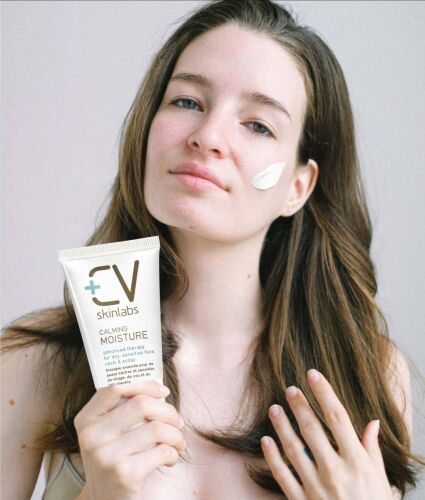
- Moisturizing cream: Look for a product with soothing and anti-inflammatory ingredients. We recommend our Calming Moisture as it contains aloe, beta-glucan (from oat kernels) and oat extract (gluten-free) to reduce redness and itching and soothe skin. It is rich in antioxidants, ceramides and healing ingredients that dramatically improve the skin.
Note: All CV Skinlabs products are clinically proven to help sensitive skin soothe, repair and transform into healthier skin.
Once your skin has calmed down, gradually add one product at a time to see how your skin reacts to it. (If your skin isn’t soothed while using just the three basics, consider that your cleanser, toner, or moisturizer may be too harsh and look for something else.)
C. Avoid activating ingredients in your products
While you’re getting back to basics, take a look at your skincare products. Turn them over and read the ingredient list. In general, you want to avoid those products with the following ingredients and look for ones that are pure and simple.
- Synthetic fragrances
- Alcohol
- Divinely
- Parabens
- Chemical sunscreens
- Harsh exfoliants
- Preservatives such as DMDM hydantoin, quaternium-15, butylated hydroxyanisole
By the way, all our CV Skinlabs products were developed for the special needs of hypersensitive skin. They are 100 percent free of allergens or harsh ingredients, and will encourage repair of the outer barrier. If you use them regularly, you will notice that your skin becomes less reactive and more radiant!
D. Reduce your daily stress
If stress and intense emotions are triggering your hypersensitive skin, try incorporating more stress-relieving activities into your daily routine. Good options include daily exercise, meditation, warm baths, deep breathing, nature walks, time with positive people, listening to uplifting music, yoga, art therapy, crafts, and time with pets.
E. Stay hydrated
In addition to regularly hydrating your skin with a quality moisturizer (we recommend our Calming Moisture), drink at least eight glasses of water a day. Staying hydrated from the inside out also helps your skin look and feel better.
F. Use the correct face masks
Avoid any exfoliating or exfoliating masks as these can further irritate your skin. Instead, opt for a soothing, nutrient-rich clay mask once or twice a week. It won’t strip the skin of its protective layer, but it will soothe damaged skin and help repair it. A hydrating mask with aloe vera and other gentle ingredients can also be a good idea.
How do you manage hypersensitive skin?
Featured image courtesy of Anna Shvets Pexels.