

Close Menu
Healthtost
  • News
  • Mental Health
  • Men’s Health
  • Women’s Health
  • Skin Care
  • Sexual Health
  • Pregnancy
  • Nutrition
  • Fitness
  • Recommended Essentials
What's Hot

I did red light therapy for 3 months so I shouldn’t have

July 15, 2026

Is pelvic floor dysfunction inevitable for older women?

July 15, 2026

Summer skin care tips for sensitive skin – why your skin suddenly breaks out

July 15, 2026
Facebook X (Twitter) Instagram
  • About Us
  • Contact Us
  • Privacy Policy
  • Terms and Conditions
  • Disclaimer
Facebook X (Twitter) Instagram
Healthtost
SUBSCRIBE
  • News

    Global childhood immunization rates stagnate despite slight recovery from pandemic

    July 15, 2026

    Weight loss and anti-inflammatory drugs combine to fight leukemia

    July 14, 2026

    Unreliable datasets shape clinical prediction models

    July 14, 2026

    Bariatric surgery is safe, effective for obese teenagers and young adults

    July 13, 2026

    Engineered ribozyme repairs broken RNA to explain origin of life

    July 13, 2026
  • Mental Health

    Is it okay to be imperfect and still be happy? 6 Challenges

    July 15, 2026

    How can you be tired but wired? Blame it on your stone age brain

    July 12, 2026

    Almost 20% of new mums have anxiety or depression, but a promising psychedelic treatment is on the horizon

    July 7, 2026

    How can ART help us improve our mental health? With 3 Ways

    July 5, 2026

    How much do friends affect the mental health of teenagers? What a new study can (and can’t) tell us

    July 3, 2026
  • Men’s Health

    I did red light therapy for 3 months so I shouldn’t have

    July 15, 2026

    Sexual evolution: What 500 million years of life tell us about sex, gender and mating

    July 15, 2026

    Low testosterone or just stress? How to tell the difference

    July 11, 2026

    Gut-friendly diet linked to lower risk of coronary heart disease mortality

    July 9, 2026

    Men don’t just avoid their health. Many lose themselves.

    July 8, 2026
  • Women’s Health

    Is pelvic floor dysfunction inevitable for older women?

    July 15, 2026

    I tried to hide my hemiparesis

    July 15, 2026

    Kyoto recap, bamboo forest and monkey park

    July 13, 2026

    Menopause and Your Microbiome: How Gut Health Shapes Weight, Mood, and Hormones

    July 11, 2026

    They heard us. Now will they listen?

    July 11, 2026
  • Skin Care

    Summer skin care tips for sensitive skin – why your skin suddenly breaks out

    July 15, 2026

    How to use nature’s retinol: Bakuchiol in your beauty routine

    July 13, 2026

    How our natural hair care achieves salon-level results without silicones

    July 11, 2026

    Coconut Allergy and Skin Care: 20 Questions Finally Answered by a Pharmacist

    July 11, 2026

    New Sunscreen Ingredient: Is This The SPF Upgrade We’ve Been Waiting For?

    July 9, 2026
  • Sexual Health

    Celebrating 30 years of Sex Sense

    July 15, 2026

    STDs in older adults are on the rise—up to seven times higher than in 2012

    July 13, 2026

    Fildena 150 Benefits | Effective ED & Sexual Performance Treatment

    July 11, 2026

    Painful sex after menopause: When is it time to seek treatment?

    July 11, 2026

    Emotional capitalism and artificial intimacy

    July 10, 2026
  • Pregnancy

    Exercise Wall Angels During Pregnancy: A Step-by-Step Guide

    July 15, 2026

    Breech VBAC (Vaginal Birth after Caesarean Section) Birth Story

    July 13, 2026

    How baby showers have changed throughout history

    July 13, 2026

    Calf Raises During Pregnancy: Step-by-Step Guide and Benefits

    July 8, 2026

    Tri-Tri Triplet Pregnancy with Vaginal Birth Story – The Birth Hour Triplet Pregnancy and Vaginal Birth Story with Ashlie Holladay

    July 7, 2026
  • Nutrition

    Chocolate Cherry Chia Pudding: Easy Vegan Recovery Snack

    July 14, 2026

    The Cholesterol Question: A Breakthrough Victory for Keto and Cognitive Health

    July 14, 2026

    15 No-Cook Dinners for Kids (Because It’s Too Hot to Turn on the Oven)

    July 12, 2026

    30 Minute Chicken Pesto Pasta (Dietist Approved)

    July 11, 2026

    5 Easy High Fiber Bowl Recipes

    July 8, 2026
  • Fitness

    How to Choose a Fitness Certification on a Budget

    July 14, 2026

    Meet the Belle Vitale™ Supplement System: Two Formulas. A comprehensive approach to hormone health.

    July 11, 2026

    where we ate in Tokyo (and gluten-free options!)

    July 9, 2026

    Using External Signaling to Improve Linear Acceleration – Tony Gentilcore

    July 8, 2026

    5 Simple Screen Changes That Can Improve Sleep and Focus

    July 7, 2026
  • Recommended Essentials
Healthtost
Home»Mental Health»2024 National Rural Health Day: Strengthening Rural Resilience
Mental Health

2024 National Rural Health Day: Strengthening Rural Resilience

healthtostBy healthtostNovember 23, 2024No Comments6 Mins Read
Facebook Twitter Pinterest LinkedIn Tumblr Reddit WhatsApp Email
2024 National Rural Health Day: Strengthening Rural Resilience
Share
Facebook Twitter LinkedIn Pinterest WhatsApp Email

For National Rural Health Day, SAMHSA is celebrating the unique strengths of rural communities. SAMHSA strengthens rural resilience by providing behavioral health resources and tools. supporting the capacity of rural communities to mitigate, adapt and recover from stressors; promoting behavioral health equity; and building and sustaining a diverse, strong and resilient behavioral workforce.

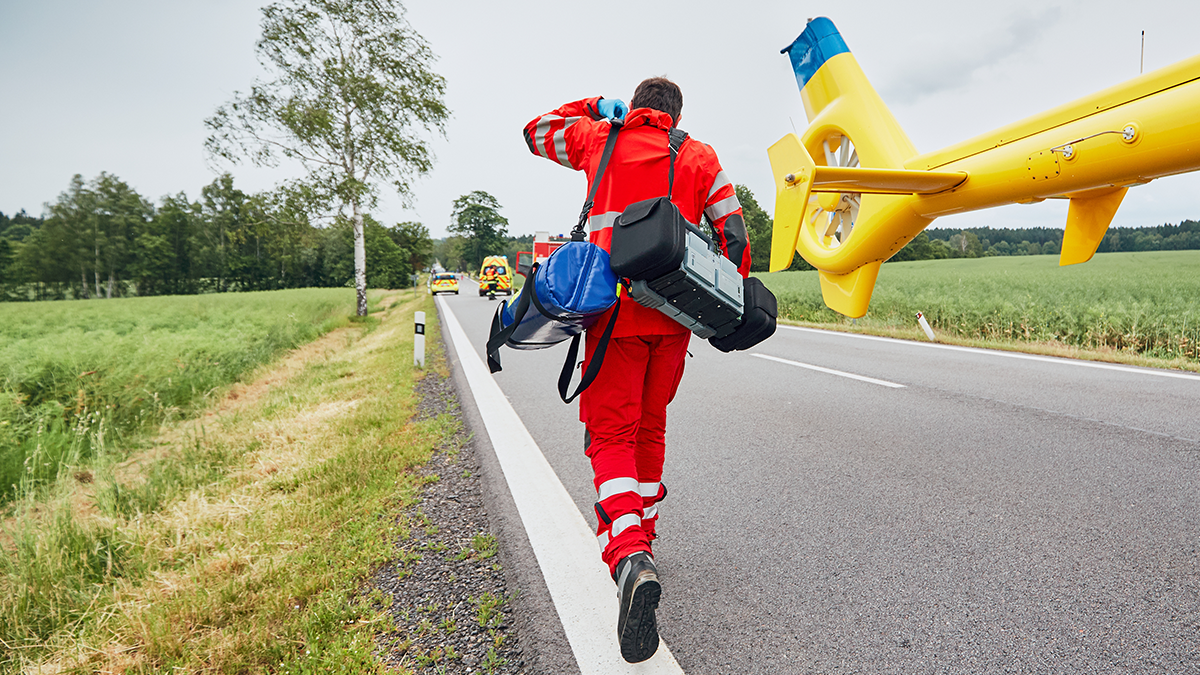
SAMHSA recognizes the urgent need for emergency medical services (EMS) in rural areas and the critical role EMS personnel play across the country. While the need for a strong and diverse rural EMS workforce with the ability to address behavioral health is great, rural areas lack the training to build and maintain such a workforce. In rural areas, the absence of advanced-level EMS providers—who are more likely to administer overdose reversal drugs than less-trained EMS providers—has been shown to contribute to increased overdose death rates. Further, Lack of EMS Access in Rural Areas Linked to Increased Suicide Rates (PDF | 449 KB). Barriers to building a strong EMS workforce include tuition for certification, which individuals are responsible for. These out-of-pocket costs vary, depending on the institution and level of certification. Typically, education requirements (PDF | 194 KB) it is 40 hours for first responders, 120-150 hours for Emergency Medical Technicians (EMTs), and 1,000 hours for paramedics. In rural areas, where rely heavily on volunteer EMS professionals (PDF | 542 KB)these requirements are a particularly heavy burden.

The purpose of the SAMHSA-sponsored Rural EMS Training grant program is to recruit and train EMS personnel in rural areas, with a specific focus on addressing substance use disorders (SUDs) and co-occurring mental health and substance use disorders (CODs). Grant recipients are expected to train EMS personnel in SUD and COD, trauma-informed, rehabilitation-based care for individuals with such disorders in emergency situations and, as appropriate, obtain and maintain licenses and certifications required to serve in an EMS service. With this program, SAMHSA aims to provide support to rural EMS services to build and sustain behavioral health workforce programs, expand providers’ capacity to respond to health emergencies, and improve physical infrastructure through of acquiring the necessary equipment and supplies.

SAMHSA first funded the Rural EMS Training grant program in 2020. In 2024, the fifth cohort of this grant program was awarded to 62 EMS organizations across the country. Funding and commitment to this program is growing every year. Over the past five years, SAMHSA has invested over $38.7 million in training and support for rural EMS organizations across the country. From 2020 to 2024, SAMHSA presented a total of 197 awards to 116 unique rural EMS organizations. Most nominated organizations (63.8 percent) have been awarded only once, while 18 percent have received at least two awards.

In addition to providing an excellent opportunity to recruit and train over 20,000 EMS personnel across the country, this program has also provided opportunities for organizations to improve their practice:

  • Jersey Community Hospital District (IL): The organization was able to host community business executives to educate them on cardiopulmonary resuscitation (CPR), automated external defibrillators (AEDs) and naloxone during lunch and staff learning events.
  • Morgan County (WV) Rescue: One of the requirements of this grant is to train EMS personnel in administering overdose reversal medication, motivational interviewing and de-escalation techniques. As a result, the agency has seen the survival rate for patients with life-threatening emergencies increase by 5 percent and patient satisfaction with EMS services increase by 15 percent since the program began. The program also helped improve coordination of care between EMS and other health care providers.
  • Rio Arriba County (MN): Due to the popularity and relevance of the SUD-related curriculum in the EMS First Responder courses provided through the grant, the University of New Mexico-Taos plans to incorporate similar content into all of its EMS courses in the future and offer related training SUD programs for volunteer fire departments across the county.
  • Brooks Ambulance (ME): The grant program helped build community engagement across sites and build cross-departmental relationships to promote collaboration and strengthen partnerships and awareness of available community support resources to address behavioral health issues.
  • Lester E. Cox Medical Centers (MO): After receiving the grant, Lester E. Cox Medical Centers has new full-time Community Paramedics and recently trained several on-site paramedics to help patients who have substance use needs and access health care.
  • Golden Valley Memorial Hospital (MO) Ambulance: This organization works closely with other providers to implement protocols that connect people who have experienced an opioid overdose with SUD treatment.
  • Washington Co Ambulance (MO): The grant allowed this organization to develop the Mobile Integrated Health and Community Paramedic project, which includes overdose and mental health emergency response. They have been able to leverage other programs to grow and have reported positive results in EMS practice.
  • Pine Hill Indian Community Development Initiative (SC): In alignment with the grant program, this organization started a weekly First Responder (“Warrior Spirit”) mental wellness meeting every Thursday evening at Pine Hill Health Network.
  • Lawrence County (TN) Court: Lawrence County EMS has made significant changes to treatment policies and is in the process of improving treatment programs to better serve community members with SUDs.

Recipients of the Rural EMS Training grants have provided feedback on the program’s impact, with comments such as, “…it’s literally the only thing that can keep rural EMS services alive” and “what needs to be emphasized and impressed. is that this grant has given this institute the tools to provide a successful learning environment for years to come.”

On September 26, 2024, the bipartisan EMS Rural Emergency Support and Enhancement (SIREN) for reauthorization signed into law reauthorizing funding for the Rural EMS Training program for five additional years through fiscal year 2028.

In determining which grantees to highlight for this blog, staff (including government project officers) identified grantees that represent the breadth of SAMHSA’s rural behavioral health portfolio by reflecting diversity in: 1) population served or focus population (eg; e.g. age, nationality, sexual origin, orientation, social context of the family or the individual). 2) geography (eg rural or regional); 3) implementation strategies (eg, number of EMS personnel recruited and trained, program implementation and impact); and 4) outcome of focus (eg, increasing the rural EMS workforce, preventing a downstream outcome such as overdose).

Day health National resilience Rural strengthening
bhanuprakash.cg
healthtost
  • Website

Related Posts

Is it okay to be imperfect and still be happy? 6 Challenges

July 15, 2026

The Cholesterol Question: A Breakthrough Victory for Keto and Cognitive Health

July 14, 2026

How can you be tired but wired? Blame it on your stone age brain

July 12, 2026

Leave A Reply Cancel Reply

Don't Miss
Men's Health

I did red light therapy for 3 months so I shouldn’t have

By healthtostJuly 15, 20260

A few years ago, red light therapy started popping up everywhere I looked, and it’s…

Is pelvic floor dysfunction inevitable for older women?

July 15, 2026

Summer skin care tips for sensitive skin – why your skin suddenly breaks out

July 15, 2026

Global childhood immunization rates stagnate despite slight recovery from pandemic

July 15, 2026
Stay In Touch
  • Facebook
  • Twitter
  • Pinterest
  • Instagram
  • YouTube
  • Vimeo
TAGS
Baby benefits body brain cancer care Day Diet disease exercise finds Fitness food Guide health healthy heart Improve Life Loss Men mental Natural Nutrition Patients People Pregnancy research reveals risk routine sex sexual Skin Skincare study Therapy Tips Top Training Treatment ways weight women Workout
About Us
About Us

Welcome to HealthTost, your trusted source for breaking health news, expert insights, and wellness inspiration. At HealthTost, we are committed to delivering accurate, timely, and empowering information to help you make informed decisions about your health and well-being.

Latest Articles

I did red light therapy for 3 months so I shouldn’t have

July 15, 2026

Is pelvic floor dysfunction inevitable for older women?

July 15, 2026

Summer skin care tips for sensitive skin – why your skin suddenly breaks out

July 15, 2026
New Comments
    Facebook X (Twitter) Instagram Pinterest
    • About Us
    • Contact Us
    • Privacy Policy
    • Terms and Conditions
    • Disclaimer
    © 2026 HealthTost. All Rights Reserved.

    Type above and press Enter to search. Press Esc to cancel.