


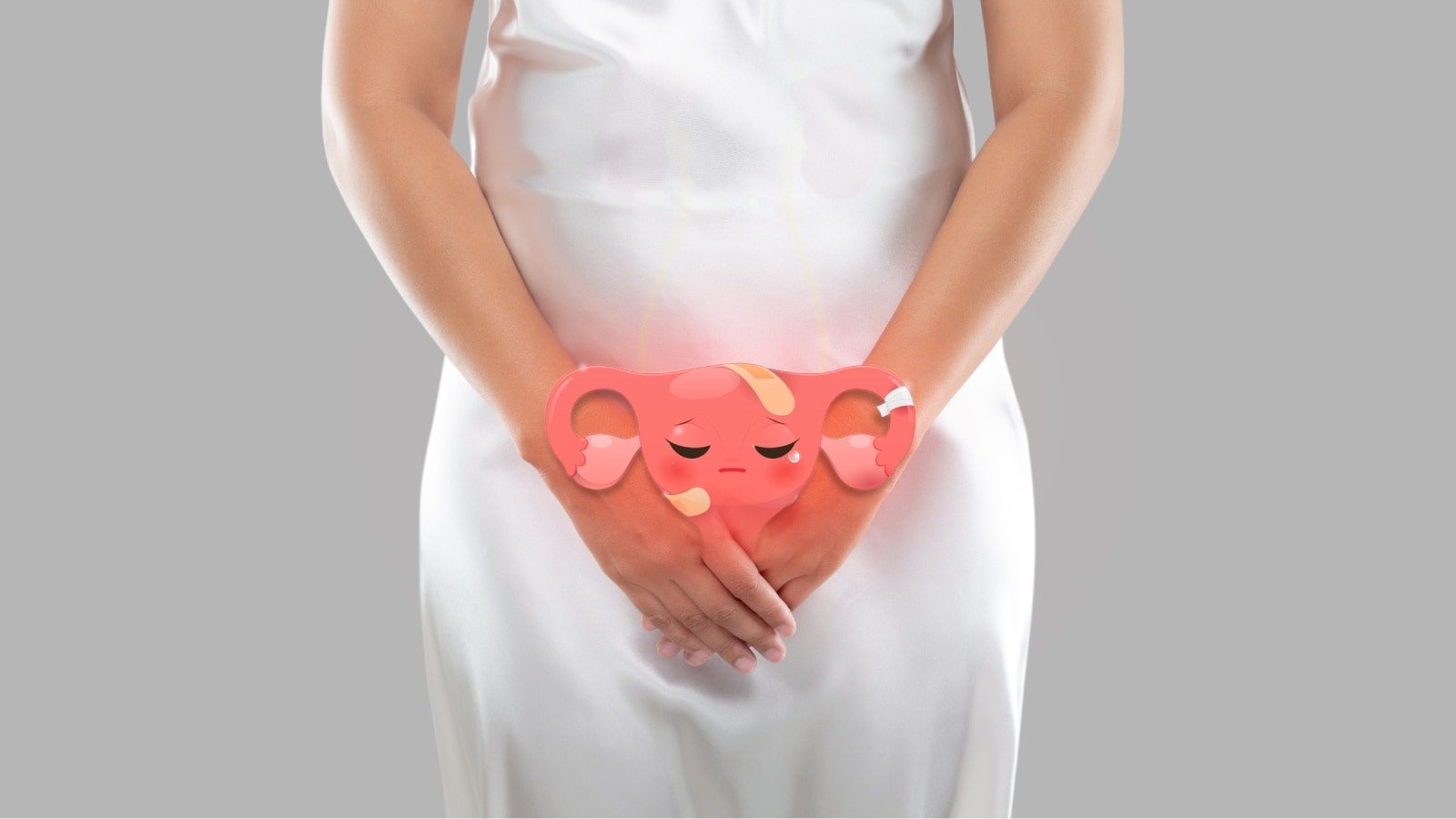
Although sexually transmitted infections are quite common and serious, they are surrounded by a number of misconceptions. Learn about 15 common STD myths you should stop believing.
Sexually Transmitted Infections (STDs), also known as sexually transmitted diseases (STDs), are often considered taboo when it comes to medical care. These infections are highly contagious and are spread mainly through sexual contact with an infected person. They can be caused by bacteria, viruses or parasites and their symptoms can include pain, burning, unusual discharge, itching, blisters or sores. According to the World Health Organization (WHO), an estimated 1 million STIs are acquired worldwide every day. Despite increasing prevalence, a significant stigma still surrounds STIs, which can make people hesitant to discuss their sexual health or seek help from a health care provider. This reluctance to have open discussions about sexual health can contribute to the spread of misinformation and myths about STDs.
What is a sexually transmitted infection (STD)?
A sexually transmitted infection (STD) is an infection that is transmitted primarily through sexual contact, including vaginal, anal, or oral sex. STDs can be caused by bacteria, viruses or parasites, and some can also be transmitted by non-sexual means, such as shared needles or blood transfusions. There are eight main types of STDs. Bacterial STIs such as syphilis, gonorrhea, chlamydia and trichomonas are treatable, while viral STIs such as hepatitis B, herpes simplex virus (HSV), human immunodeficiency virus (HIV) and human immunodeficiency virus papillomas (HPV), are not curable. World Health Organization. Many STDs have no symptoms, increasing the risk of unknowingly transmitting them. Regular testing, consistent condom use, and open communication are key to preventing and managing STDs.
15 myths about STDs
Here are 15 common myths about STDs (sexually transmitted infections) that you should know:
1. All STDs are curable
One of the most common myths about STDs is that all types of them are curable. While some STDs, such as chlamydia, gonorrhea, and syphilis, are treated with antibiotics, not all infections are curable. For example, viral STDs such as herpes simplex virus (HSV), human papillomavirus (HPV), and HIV cannot be completely cured, although their symptoms can often be managed with medication. For HIV, early treatment with antiretroviral therapy (ART) can help manage the virus and prevent it from progressing to AIDS, but there is still no cure, according to the Pan American Health Organization (PAHO).
2. You can’t get STDs from oral sex
Oral sex is a common practice between partners. While sexual intercourse is one of the most common ways sexually transmitted diseases are spread, transmission of the infection can also occur through oral sex, according to a study published by Journal of Sexual Medicine. Infections such as herpes, gonorrhea, chlamydia, syphilis and HPV can be transmitted through oral-genital, oral-anal and genital-oral contact. Condoms and dental dams should be used during oral sex to reduce the risk of transmission.
3. You can catch an STD from a toilet seat
Although it is one of the most common myths about STDs, infection from the toilet seat is very unlikely. STDs generally require close, direct skin-to-skin contact or the exchange of bodily fluids. Bacteria and viruses do not survive long enough on toilet seats to pose a risk of transmission. However, it is still good hygiene practice to avoid direct contact with public toilet surfaces.
Read also: Can using sex toys lead to sexually transmitted infections?
You may also like it


4. Only teenagers are at risk of STDs
This STD myth is misleading and ignores the fact that STDs affect people of all ages. While teenagers and young adults are at higher risk due to factors such as lack of sexual health education, multiple sexual partners, and inconsistent condom use, people of all ages can contract STDs. In fact, the elderly may have a higher risk of complications from STDs due to weakened immune systems and less frequent use of protection.
5. You can tell if someone has an STD
Not all STDs have visible symptoms, which is why this STD myth can be dangerous to your health. Many STDs, such as chlamydia, gonorrhea, and HPV, can be asymptomatic, meaning someone can have an infection without showing any symptoms. The only way to know for sure if someone has an STD is through regular testing. Relying only on visible symptoms can lead to transmission of undiagnosed infections and cause several complications.
6. STDs only affect people with multiple partners
While having multiple sexual partners can increase the risk of STD transmission, it is not the only factor that contributes to infection. Even people with a sexual partner can contract an STD if their partner has an infection. Consistent use of protection and regular screening are the best ways to reduce risk, regardless of the number of partners.
7. Having an STD during pregnancy will not harm my baby
Believing this STD myth can lead to serious health consequences for both mother and baby. Some STDs, such as syphilis, gonorrhea and HIV, can be passed to the baby during pregnancy, childbirth or breastfeeding, potentially leading to birth defects, stillbirth or life complications, according to National Institute of Health. Pregnant women should be tested for STDs and seek appropriate treatment to prevent transmission to the fetus.

8. Men and women experience the same STD symptoms
This myth about STDs is not true! STDs for both men and women are different and cause different signs. For example, women with chlamydia may have no symptoms or mild symptoms such as vaginal discharge or pelvic pain, while men may experience painful urination or penile discharge. Some STDs, such as HPV, often have no symptoms in both men and women, so regular screening is important.
Read also: 5 types of STDs that show few or no symptoms
9. You can only have one STD at a time
It’s possible to have more than one STD at the same time, known as co-infection, explains Dr Indian Journal of Sexually Transmitted Diseases and AIDS. For example, someone with HIV may also have gonorrhea or chlamydia. Having an STD can increase the chance that someone else will get it, as the presence of an infection can make it easier for others to enter the body. Regular screenings and safe sex practices are essential to prevent co-infections.
10. STDs do not lead to infertility
No, that’s just an STD myth! Some STDs, such as chlamydia and gonorrhea, can cause long-term damage to the reproductive organs if left untreated. In women, these infections can lead to pelvic inflammatory disease (PID), which can cause scarring and blockages in the fallopian tubes, increasing the risk of infertility, a study published in American Journal of Obstetrics and Gynecology (AJOG). Untreated sexually transmitted diseases in men can lead to epididymitis, which can affect sperm production. Early detection and treatment of STIs is vital to preventing infertility.
11. Condoms offer complete protection against STDs
While condoms are highly effective in reducing the risk of many STDs, they are not foolproof. Condoms are a barrier against infections transmitted through bodily fluids, such as HIV and gonorrhea, but may not fully protect against infections transmitted through skin-to-skin contact, such as herpes, HPV, and syphilis. Using condoms correctly every time you have sex is important, but combining them with other preventive measures, such as vaccination and regular checkups, is even better.
12. Once you have an STD, you won’t get it again
Some people believe that once they have an STD, they are immune to it in the future. This is not the case, and believing this STD myth can be problematic. For example, you can become infected again with chlamydia, gonorrhea or HPV if you are exposed again. In fact, inappropriate treatment for an STD can lead to long-term health complications, and re-infection is common if both partners are not treated at the same time.
13. You can’t get STDs if you don’t have sex
While it is true that sexual activity is the main way STDs are transmitted, some infections, such as herpes and HPV, can be transmitted through non-sexual skin-to-skin contact. In addition, sharing needles or blood-to-blood contact can spread STDs such as HIV and hepatitis. In short, while avoiding sexual activity greatly reduces the risk, it is still possible to catch an STD through other means.
14. STDs go away on their own
Many people think that STDs are not serious and will eventually go away on their own, but this rarely happens. Believing this STD myth and leaving it untreated can cause serious and even permanent damage to your reproductive organs. The result can include infertility, chronic pain or organ damage. Regular screening and medical care are essential for effective STD management.

15. Using birth control pills protects against STDs
While birth control methods such as the pill, IUDs, or implants are effective in preventing pregnancy, they do not protect against STDs. Condoms are the only method of contraception that is a barrier against most STDs. For complete protection, nothing short of abstinence keeps you one hundred percent safe.
To best deal with STDs and completely cure the infection, don’t fall prey to these STD myths!
