

Close Menu
Healthtost
  • News
  • Mental Health
  • Men’s Health
  • Women’s Health
  • Skin Care
  • Sexual Health
  • Pregnancy
  • Nutrition
  • Fitness
  • Recommended Essentials
What's Hot

The benefits of raw cocoa

February 20, 2026

Program Design – Tony Gentilcore

February 20, 2026

New technique synthesizes unnatural amino acids for advanced peptide therapies

February 20, 2026
Facebook X (Twitter) Instagram
  • About Us
  • Contact Us
  • Privacy Policy
  • Terms and Conditions
  • Disclaimer
Facebook X (Twitter) Instagram
Healthtost
SUBSCRIBE
  • News

    New technique synthesizes unnatural amino acids for advanced peptide therapies

    February 20, 2026

    Low oxygen turns red blood cells into powerful glucose sinks

    February 20, 2026

    Vaccination rates against COVID and influenza during pregnancy remain low in Norway

    February 19, 2026

    Study reveals coffee induces distinct cytokine responses compared to pure caffeine

    February 19, 2026

    Polyploidy-induced senescence may affect aging and cancer risk

    February 18, 2026
  • Mental Health

    What is medication therapy?

    February 17, 2026

    Why do I have “butterflies in my stomach”?

    February 15, 2026

    Bipolar Disorder: Why It Happens (and How to Snap It Off)

    February 12, 2026

    Exercise may be as effective as drugs for depression and anxiety – new study

    February 11, 2026

    Advancing the Future of Behavioral Health Data Exchange

    February 7, 2026
  • Men’s Health

    Can mobile apps change the way we eat?

    February 18, 2026

    Tiny particles, big impact: Toward less invasive brain stimulation

    February 18, 2026

    How to sauna: All frequently asked questions

    February 17, 2026

    The power of sprint-based exercise

    February 12, 2026

    Why Biohack? Acceptance of our Mortality

    February 11, 2026
  • Women’s Health

    From knee surgery to the ski slopes: How Ann got her life back

    February 19, 2026

    Is trauma therapy right for you? Signs that you may benefit from specialized care

    February 19, 2026

    Make your workouts more functional

    February 18, 2026

    Facts about Lupus and Reproductive Health

    February 17, 2026

    199: Perimenopause, Nervous System Health & How Stress Affects Your Hormones

    February 16, 2026
  • Skin Care

    Scientific Review of “Liquid Mi – OUMERE

    February 19, 2026

    How to protect your hair from chlorine (and help it recover after

    February 18, 2026

    How often should you exfoliate your skin? Health experts’ instructions

    February 18, 2026

    Clear + Brilliant in New York: The facial laser for glow, pores and even T

    February 16, 2026

    Non-toxic beauty products for a safer Valentine’s Day

    February 16, 2026
  • Sexual Health

    Lessons from retail expert Nicole Leinbach Hoffman — Sexual Health Alliance

    February 20, 2026

    ACS publishes new guidelines for cervical cancer screening

    February 17, 2026

    Why I masturbate on Valentine’s Day

    February 14, 2026

    The global Gage rule expanded

    February 14, 2026

    Can cystitis be caused by stress?

    February 13, 2026
  • Pregnancy

    Can cesarean mothers get cord blood? What to know

    February 19, 2026

    Labor & Pregnancy? the untold truths of labor during pregnancy

    February 17, 2026

    Why investing in one step can save your pelvic floor

    February 16, 2026

    Signs of labor every mom-to-be should know

    February 13, 2026

    Because the second trimester is like a deep breath

    February 11, 2026
  • Nutrition

    The benefits of raw cocoa

    February 20, 2026

    Are bread and sweets toxic?

    February 20, 2026

    How Athletes Can Save $200 on Groceries: High-Protein Meal Prep on a Budget

    February 19, 2026

    Do you go crazy when you don’t eat perfectly “healthy”? Consider orthorexia

    February 19, 2026

    The microbiome and therapeutic carbohydrate restriction

    February 18, 2026
  • Fitness

    Program Design – Tony Gentilcore

    February 20, 2026

    20 Useful Health Hacks That Work in 2026

    February 20, 2026

    7 Gentle Yoga Poses in Bed for Adults Over 50

    February 19, 2026

    Three unique ways to improve your functional strength

    February 17, 2026

    How to support clients without medical nutrition therapy

    February 17, 2026
  • Recommended Essentials
Healthtost
Home»Women's Health»What is Nocturia?
Women's Health

What is Nocturia?

healthtostBy healthtostJune 13, 2025No Comments5 Mins Read
Facebook Twitter Pinterest LinkedIn Tumblr Reddit WhatsApp Email
What Is Nocturia?
Share
Facebook Twitter LinkedIn Pinterest WhatsApp Email

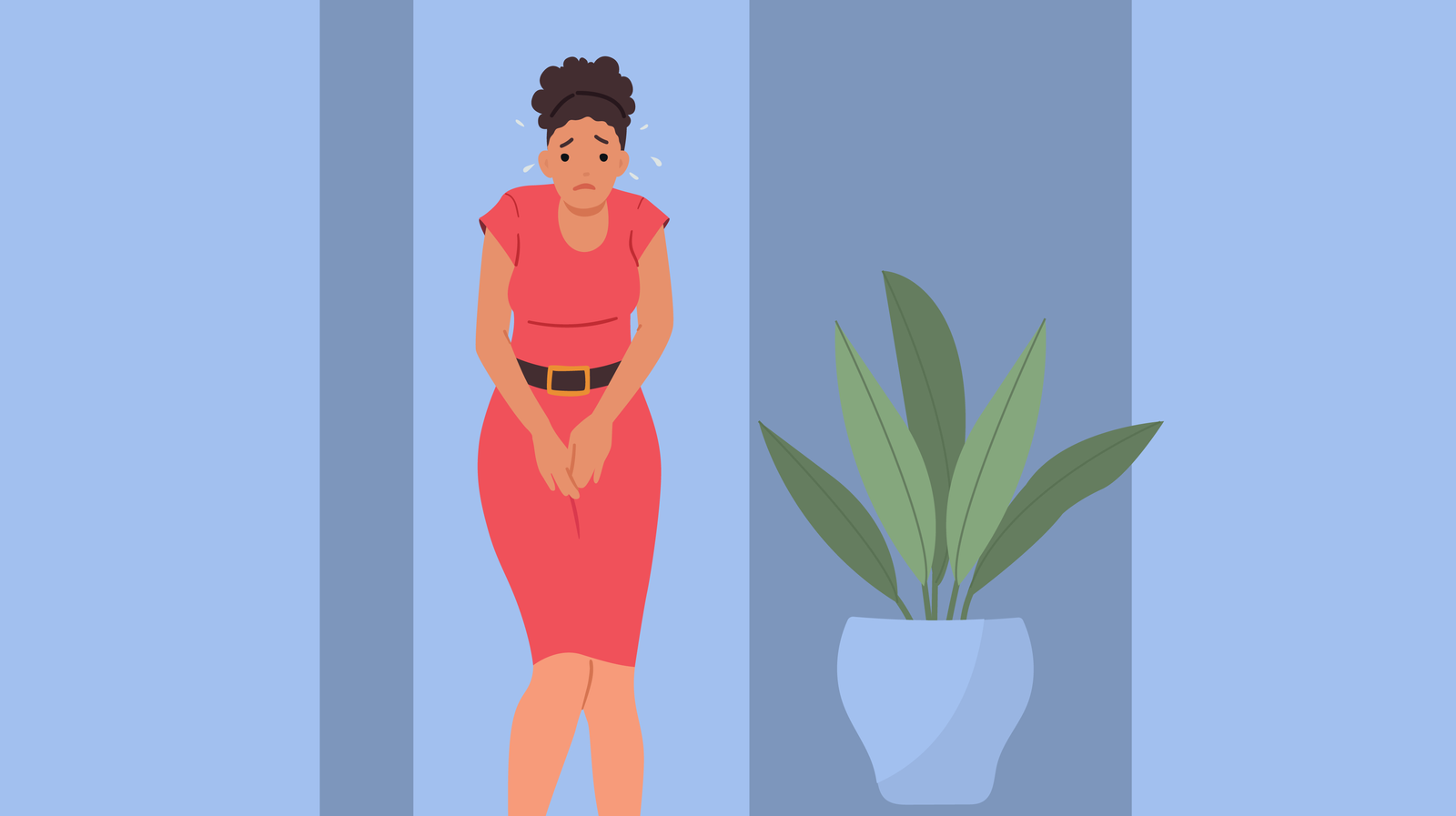
Are you in yourself to get up in the middle of the night many times to go to the bathroom? Waking up often during the night to pee can be more than annoying. It can disrupt the quality of your sleep, which accumulates in prolonged fatigue during awakening hours and may also be a symptom of a deeper underlying condition.

The term for frequent nocturnal urination is “nocturia”, or urine nightlife. Excessive urination during the day is known as frequent urination, while nocturia specifically refers to the use of the bathroom often at night. Polyuriawhich refers to excessive urine volume, is associated with Nokotouria.

While Nocturia rates increase with age (especially after age 60) and can affect all sexes, people under 50 are likely to be affected are women. One in three adults over 30 do at least two bathroom trips each night and 70% From this affected group report that is annoyed by it. In a cross -sectional study of US adult women, approximately 29% He mentioned a significant Nokotouria.

What causes the knockout?

Anatomical differences between gender mean that there may be different causes of Nicitis in men and women. For example, women may experience nocturia because of the pelvic organ pretext after childbirth, while men may suffer from a prostate. Below are some common causes of knights in women:

  • High levels of blood sugar – A high blood sugar level results in urine sugar leak and forces you to pee more
  • Kidney disease – Some kidney conditions cause kidney to produce more urine
  • High level of calcium blood – Calcium imbalance can enter the urine and pull water from the body
  • Urinary tract infection – Bacteria that enter your urinary tract can inflate the bladder and make frequent urination
  • Diabetes insipidus – Very small antidite hormone means your body is not able to hold water
  • Diuretic – Some medicines as well as “water pills” can cause the body to pass more water
  • Edema – Water retention in the legs can be moved to the kidneys and then pass as urine at night
  • Drink too much liquids before you go to bed – overestimation can lead to frequent night urinating
  • Drinking alcohol and caffeine drinks – These substances act as diuretics, forcing you to pee more at night

Why does sleep apnea causes nocturia?

Obstructive sleep apnea is a condition associated with symptoms of bladder hyperactivity, because they both disturb sleep patterns and can aggravate each other. Sleep apnea is a sleep disorder defined by consistent holiday breathing during sleep, indicated by significant snoring and air breathing.

Such pauses in breathing usually last from seconds to minutes, are often repeated during a sleeping session and lead to low oxygen levels and inhibited sleep quality. 50% Sleep apnea sufferers also have nocturia, due to the fact that sleep apnea affects a hormone called vaginal sodium peptide (ANP), causing the body to produce higher levels of urine during sleep.

Unfortunately, the combination of sleep apnea and knockout can seriously disrupt one’s ability to get a deep REM sleep necessary for optimal brain health and adversely affect their overall health and function. Below are some causes of sleep apnea. If you think you are suffering from sleep apnea, consult your doctor for treatment options.

Common causes apnea:

  • Age
  • Portliness
  • Sex (men are more likely to develop sleep apnea but may also be sub -diagram to women)
  • Smoking
  • Alcohol
  • Medical conditions such as diabetes, hypertension and congestive heart failure

How to cure the Noktaturia

The rest is important. If Nocturia is (literally) causing you to lose sleep and affect your quality of life, you should consult your doctor to rule out any underlying conditions that may require further treatment, as well as record an action course that reduces your bath travel. They can perform diagnostic tests for conditions such as diabetes and kidney disease and also prescribe lifestyle changes or medication.

How to cure Nocturia of course

When you visit the healthcare provider on NOCTURIA, it can start by recommending some low -risk lifestyle changes and can significantly reduce how many times you arrive to go to the bathroom at night. Some lifestyle changes for Nocturia you can apply include:

  • Taking the afternoon nap – your blood circulation absorbs the liquid while napping, so you should use the bathroom after a nap, possibly reducing your trips to the bathroom at night
  • By reducing the amount of liquids you drink in the evening
  • Reduce or eliminate diuretics such as alcohol and caffeine
  • Taking diuretic drugs in the morning or at least six hours before bed to rinse your system
  • Lifting your legs when sitting to help with the distribution of liquids across the body
  • Wearing compression stocks to help with fluid distribution in the case of edema
  • Pelvic soil Physiotherapy to reinforce your pelvic floor muscles
  • For those who feel that the bladder is not completely emptied, the doctor may recommend exercise a double Technique before bedtime.

How to cure medically medical

You should always consult your health care provider on medicines that can cause your knockout so they can design accordingly. In some cases, your medical provider may prescribe medicines to relieve your symptoms so you can eventually get a proper night rest. Below are some common drugs prescribed for the treatment of knockouts:

  • Diuretic – Medicines such as furosemide (Lasix®) and Bumetanide (Bumex®) can help regulate the quantity of urine you produce
  • Anticholinergically – These drugs are used to treat the hyper -intensive bladder, which is often associated with nokotouria. Up to 40% of people find that anticholinergics relieve their symptoms.
  • Desmopresin (DDAVP®) – This medicine helps your kidneys produce less urine, reducing the overall frequency of day and night urination.
Nocturia
bhanuprakash.cg
healthtost
  • Website

Related Posts

From knee surgery to the ski slopes: How Ann got her life back

February 19, 2026

Is trauma therapy right for you? Signs that you may benefit from specialized care

February 19, 2026

Make your workouts more functional

February 18, 2026

Leave A Reply Cancel Reply

Don't Miss
Nutrition

The benefits of raw cocoa

By healthtostFebruary 20, 20260

How This Ancient Superfood Supports Your Gut, Brain, Heart, and Hormones — Without CrashingAuthor: Megan…

Program Design – Tony Gentilcore

February 20, 2026

New technique synthesizes unnatural amino acids for advanced peptide therapies

February 20, 2026

Are bread and sweets toxic?

February 20, 2026
Stay In Touch
  • Facebook
  • Twitter
  • Pinterest
  • Instagram
  • YouTube
  • Vimeo
TAGS
Baby benefits body brain cancer care Day Diet disease exercise finds Fitness food Guide health healthy heart Improve Life Loss Men mental Natural Nutrition Patients People Pregnancy protein research reveals risk routine sex sexual Skin study Therapy Tips Top Training Treatment ways weight women Workout
About Us
About Us

Welcome to HealthTost, your trusted source for breaking health news, expert insights, and wellness inspiration. At HealthTost, we are committed to delivering accurate, timely, and empowering information to help you make informed decisions about your health and well-being.

Latest Articles

The benefits of raw cocoa

February 20, 2026

Program Design – Tony Gentilcore

February 20, 2026

New technique synthesizes unnatural amino acids for advanced peptide therapies

February 20, 2026
New Comments
    Facebook X (Twitter) Instagram Pinterest
    • About Us
    • Contact Us
    • Privacy Policy
    • Terms and Conditions
    • Disclaimer
    © 2026 HealthTost. All Rights Reserved.

    Type above and press Enter to search. Press Esc to cancel.