


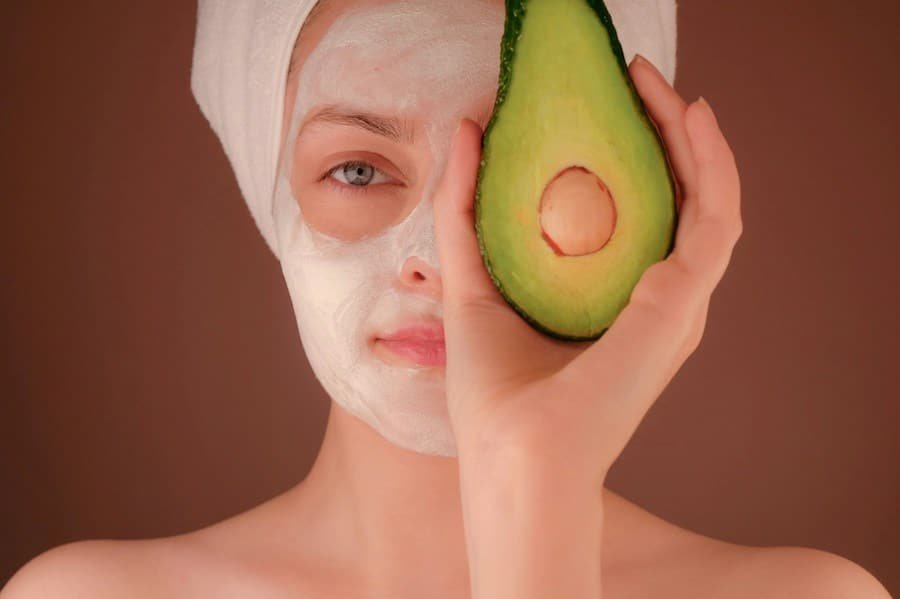
Considering our skin is the first thing people see about us, it’s no surprise that we put so much thought and effort into this largest organ. It can also be the first place ill health appears. But despite all this, we often treat our skin health as if it is secondary or with short-term solutions. Or, perhaps worse, we spend a ton of money on skin products that don’t address the underlying issues. In fact, nutrition offers so many answers to helping our skin look its best, and understanding the role of nutrients and vitamins in skin health allows us to combine food-based strategies with skin care for optimal results. And skin nutrition can be started at any age, because it is safe for children and it is never too late as the skin matures.
Worldwide, we spent more than $162 billion in skin care products by 2025, with North America accounting for about 20% from it. And these numbers are only expected to increase. It is estimated that skin care sales will exceed $222 billion by 2030.
Unfortunately, with all this money being spent, we often don’t think of food as skincare, even when what we eat can have a significant impact on the skin.
There are a number of food-based nutrients that can affect the health and appearance of the skin, including defenses against cancer, sun damage, premature aging, acne, discoloration and inflammation.
Nutrients and vitamins for skin health
There are a number of essential skin nutrients and vitamins that support structure, hydration, healing and protection from inflammation and environmental damage.
Vitamin A
If you think skin has a love-hate relationship with vitamin Ayou may be more familiar with retinol. A derivative of vitamin A, retinol is a known anti-wrinkle powerhouse. But in individual form and topical use, it can cause sensitivity to sunlight which can lead to sunburn. Retinol can also cause increase the risk of birth defects when used during pregnancy.
But food sources of vitamin A do not have these problems. While vitamin A is found in animal-based foods, plant-based foods may contain carotenoids, a type of vitamin A precursor. These must then be converted to active vitamin A, the rate of which varies with genetics.
Vitamin A can help defend against acne, while a nutrient deficiency can slow wound healing and increase the likelihood of dermatitis such as eczema. Lycopene, a carotenoid, is known to reduce oxidative stress which causes premature aging of the skin, especially from sun damage.
- Sources of Vitamin A: Beef liver, fish and eggs all contain high levels of vitamin A. Sweet potato, yellow and orange bell peppers, carrots, pumpkin and papaya are food sources of the carotenoid beta-carotene. Lycopene is found in tomatoes, red peppers, guava, watermelon and grapefruit.
Vitamin C
Some people just pay attention vitamin C when they feel a cold coming on. But this nutrient does more than just boost your immune system.
A water-soluble vitamin, C stimulates the synthesis of both collagen and elastin. These proteins create the framework for the skin and keep it firm.
As an antioxidant, vitamin C also prevents damage from UV rays.
Studies have also found that Vitamin C from food improves skinthe outer layer of the skin that protects it from environmental damage and maintains hydration.
- Sources of Vitamin C: Citrus fruits, red peppers, strawberries, kiwi and tart cherries
Vitamin D
Sunlight has a funny relationship with our skin. While our skin happily absorbs sunlight to produce vitamin DUV rays from this same sunlight can cause harmful damage and even cancer.
And while it’s still necessary to get time in the sun to create vitamin D, we can also find it in our foods.
There is a strong association between vitamin D deficiency and skin disorders and diseasesincluding skin cancer, psoriasis, ichthyosis, vitiligo, atopic dermatitis, acne, hair loss and more. Indeed, Supplemental vitamin D is considered a safe and side-effect-free treatment for psoriasis compared to drugs.
- Sources of vitamin D: cod liver oil, fish, eggs, beef liver, mushrooms exposed to UV radiation
Vitamin E
Vitamin E is a fat-soluble vitamin and an antioxidant, making it a powerhouse against oxidative stress and inflammation. The nutrient also works synergistically with vitamin C to prevent collagen breakdown.
These two abilities make vitamin E an excellent addition to any wound healing protocol when used topically.
Vitamin E supplementation is done effective against psoriasis and eczema.
You’ve probably noticed a lot of skin care products containing vitamin E. This is because of its ability to moisturizes and protects the skin from UV damage.
- Sources of vitamin E: nuts, seeds, fish, avocados, red peppers and mangoes
Zinc
Zinc deficiency has been closely linked to a number of skin conditions and therefore has been used both as a topical and oral treatment. These can include warts, psoriasis, eczema, rosacea, acne and fungal skin disorders.
The mineral is often used to boost the immune system and it also works well for the skin as it can fight viruses and bacteria along the surface of the skin.
Zinc too works as an anti-inflammatory and can reduce sebum secretiona common cause of acne.
- Sources of zinc: seafood (especially oysters), red meat, pumpkin seeds, eggs, dairy, legumes, nuts
Essential Fatty Acids
In general, getting enough healthy fats in your diet is vital to keeping skin hydrated, pH balanced and protected. But none are more important to your skin’s health than essential fatty acids like omega-3 and omega-6, as they are naturally anti-inflammatory.
But it’s important to keep the omega-6 to omega-3 ratio low. This lower ratio can help prevent eczema, psoriasis and acne and higher amounts of omega-3s can stop sun damage very.
- Sources of essential fatty acids: fish (especially oily fish such as salmon, barramundi, mackerel and herring) are high in omega-3 fatty acids, while nuts and seeds are high in omega-6
Copper
The mineral copper has been used as a skin treatment for thousands of years. Long before it was understood how it worked, copper was used for eye infections, to disinfect wounds and even for hemorrhoids.
Copper has the ability to synthesizes and stabilizes the matrix that synthesizes skin proteins, thus helping skin elasticity.
It also has natural antimicrobial properties and can reduce oxidative damage.
Additional, copper works synergistically with zinc to inhibit inflammation and promote healing.
- Sources of copper: liver, oysters, nuts and seeds, seafood and dark chocolate

Selenium
Although we don’t need a lot of selenium, as a trace element it is still very important, especially for skin health.
Selenium acts as an antioxidant and has anti-inflammatory properties. Indeed, Selenium deficiency is associated with a risk of eczema and psoriasis. It can also increase the formation of wrinkles.
Wound healing is supported by selenium through the promotion of collagen and fibroblasts. It can also help protects against certain skin related diseases such as vitiligo, alopecia and eczema.
- Sources of selenium: Brazil nuts, fish, seeds, beef and liver
Flavonoids
Flavonoids found exclusively in plants are a type of polyphenol, compounds with natural antioxidant and anti-inflammatory properties.
There are many types of flavonoids and some of them offer benefits to the skin.
Quercetin inhibits the inflammation associated with eczema, promotes wound healing and collagen production and may act preventively against sun damage.
Catechins show promise for fights skin cancer and supports wound healing while reducing inflammation and sun damage.
- Sources of flavonoids: red grapes, black and green tea, capers, red apples, onions and berries all contain quercetin. Catechins are found in the highest levels in green tea but also in red wine, chocolate and berries.
Combining nutrients for healthy skin
Nutritional therapy is incredibly effective for a number of health conditions that go unnoticed and undetected. But the skin is one place where we can really see it in action. In fact, it’s sometimes the first place we notice deeper health issues like inflammation.
A whole food diet with fruits, vegetables, healthy fats, quality meats and seafood, nuts and seeds is the best path for skin that reflects internal health and provides the full spectrum of nutrients and vitamins for skin function and repair.
Want to cook a skin-boosting meal? Try this Sweet Potato Shepard’s Pie, Anti-inflammatory salmon bowl or Avocado Chocolate Pudding. They are all rich in vitamins, minerals and fats, not to mention delicious!
With a growing number of nutrition-based training options out there, you may be asking yourself: Why the Nutrition Therapy Institute?
NTI is offering you the chance to win one Master Nutrition Therapist certification on your schedule, whether you go with a group or start independently. In addition, the program prepares you to become Board Certified in Holistic Nutrition (BCHN).
Want to learn more about NTI’s unique and outstanding program to become a Nutritionist? Start here to find out if it’s right for you.
About the author: Maya Strausberg earned her Master Nutrition Therapist certification from NTI before starting her private nutrition therapy practice. She now offers writing and editing services to nutritionists and other health professionals around the world through her business, Family Tree Nutrition.
Pictures:
- Photo by Kimia Zarifi on Unscrew
- Photo by Kathryn Alexa on Unscrew
- Photo by Towfiqu barbhuiya on Unscrew
