

Close Menu
Healthtost
  • News
  • Mental Health
  • Men’s Health
  • Women’s Health
  • Skin Care
  • Sexual Health
  • Pregnancy
  • Nutrition
  • Fitness
  • Recommended Essentials
What's Hot

5 Signs Your Skin Needs a Drink (And What to Do About It)

February 10, 2026

SPT Labtech and Bellbrook Labs Introduce High-Throughput Screening Platform for Cancer Research

February 10, 2026

Fraxel Laser in Philadelphia | About Facial Aesthetics

February 10, 2026
Facebook X (Twitter) Instagram
  • About Us
  • Contact Us
  • Privacy Policy
  • Terms and Conditions
  • Disclaimer
Facebook X (Twitter) Instagram
Healthtost
SUBSCRIBE
  • News

    SPT Labtech and Bellbrook Labs Introduce High-Throughput Screening Platform for Cancer Research

    February 10, 2026

    The nervous system actively promotes precancerous lesions of the pancreas

    February 9, 2026

    UK Ambulance Intensive Care Expands But Unequal Access Still Limits Life-Saving Treatment

    February 9, 2026

    New neuroprotective drug improves recovery after acute ischemic stroke

    February 8, 2026

    Early treatment of tuberculosis reduces deaths from sepsis in HIV patients

    February 8, 2026
  • Mental Health

    Advancing the Future of Behavioral Health Data Exchange

    February 7, 2026

    How to avoid watching disturbing videos on social media and protect your peace of mind

    February 6, 2026

    Mental Health in the Black Community: Addressing…

    February 3, 2026

    Some people gain confidence when they think things through, others lose it – new research

    February 2, 2026

    3 practical ways to improve a writer’s mental health

    January 31, 2026
  • Men’s Health

    Air conditioning in nursing homes reduces heat-related risk

    February 6, 2026

    Analysis: What it’s like to have non-verbal autism and what helped me

    February 5, 2026

    Testicular cancer self-examination and why it could save your life

    February 2, 2026

    25-Minute Bodyweight Functional Training Program for Beginners

    February 1, 2026

    Turning everyday eggs into powerful nutrient delivery systems

    January 30, 2026
  • Women’s Health

    Perimenopause symptoms to watch out for in your 30s and 40s

    February 9, 2026

    Breast reduction surgery saved my life

    February 9, 2026

    2.6 Friday Faves – The Fitnessista

    February 7, 2026

    Enjoying Endorphins: How to Spoil Your Mood with Feel-Good Hormones

    February 5, 2026

    A critical maternal health data system is at risk

    February 5, 2026
  • Skin Care

    5 Signs Your Skin Needs a Drink (And What to Do About It)

    February 10, 2026

    Fraxel Laser in Philadelphia | About Facial Aesthetics

    February 10, 2026

    Complete serum that works: The nighttime routine for real results

    February 8, 2026

    How to avoid shaving irritation: 7 myths that keep your skin angry

    February 7, 2026

    TNW Rich Cream for Soft, Smooth Skin – The natural wash

    February 7, 2026
  • Sexual Health

    Australia is closer to ending cervical cancer

    February 9, 2026

    Adventurous intimacy is more common than you think — Alliance for Sexual Health

    February 5, 2026

    A guide to a comfortable cervical check with Dr. Unsworth

    February 1, 2026

    How “Bridgerton” and the Other Romances Evolved in Their Depictions of Consent

    January 30, 2026

    Extraction, gold mining and SRHR in Kenya

    January 29, 2026
  • Pregnancy

    18 places to get free baby products, samples and gear in 2026

    February 8, 2026

    Pregnant on Chhath Puja? Hydration and nutrition tips

    February 6, 2026

    The second trimester sweet spot is real. Here’s how to get the most out of it

    February 4, 2026

    Is it safe to drink milk during pregnancy? What to know

    January 31, 2026

    12 Expert Answers to Your Pregnancy Yoga Questions

    January 29, 2026
  • Nutrition

    Stress and weight in midlife

    February 9, 2026

    Nutrient Loss in Modern Cooking: How Frying, Microwaving and Overcooking Deplete Vitamins

    February 9, 2026

    Intuitive Eating 101: It’s More Than ‘Eating When You’re Hungry’

    February 8, 2026

    The gut is not a tube

    February 8, 2026

    5 Ways You’re Sabotaging Your Metabolism

    February 2, 2026
  • Fitness

    The Orthopedic suggested cardio exercises that are easy on your joints

    February 8, 2026

    The Best Travel Products for Women Over 50 (Comfort and Convenience)

    February 8, 2026

    Ben Greenfield Weekly Update: January 30th

    February 7, 2026

    Smart Shoulder Solutions: An Evidence-based Approach

    February 7, 2026

    Ja’Marr Chase Offseason Training: The Explosive Workouts Fueling NFL Elite Performance

    February 6, 2026
  • Recommended Essentials
Healthtost
Home»Men's Health»Study links highly processed foods to gut health risks
Men's Health

Study links highly processed foods to gut health risks

healthtostBy healthtostFebruary 27, 2024No Comments5 Mins Read
Facebook Twitter Pinterest LinkedIn Tumblr Reddit WhatsApp Email
Study Links Highly Processed Foods To Gut Health Risks
Share
Facebook Twitter LinkedIn Pinterest WhatsApp Email

In a recent review published in the journal Nature Reviews Gastroenterology & Hepatologyresearchers synthesized current knowledge about how food additives and ultra-processed foods (UPFs) affect gut health.

As UPFs and food additives become more common in diets worldwide, they have been implicated in adverse gut outcomes such as alterations in microbial communities and intestinal permeability, leading to chronic inflammation or diseases such as inflammatory bowel disease (IBD), irritable bowel syndrome bowel (IBS). and colon cancer. However, human intervention studies on this topic are limited.

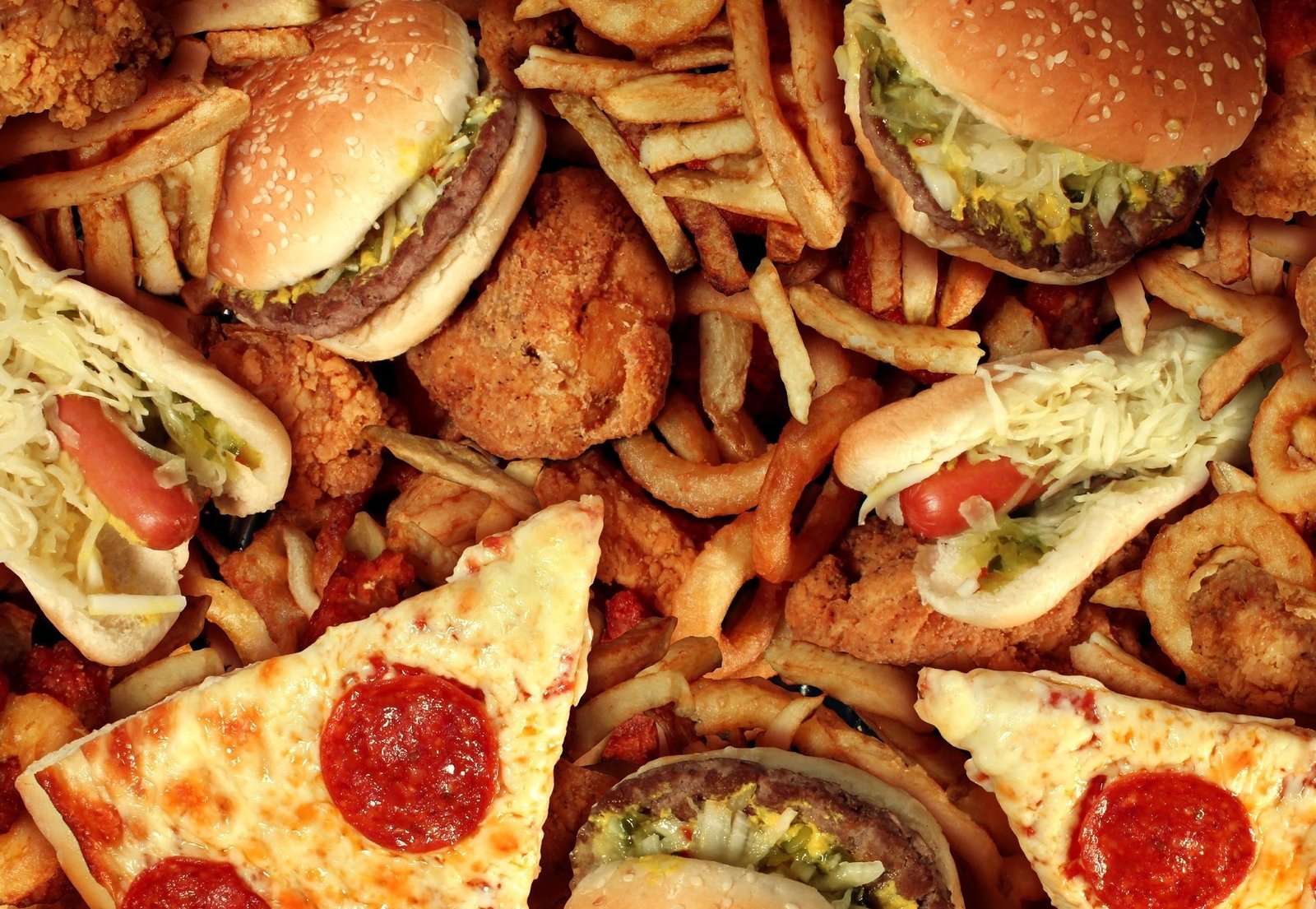
Study: Ultra-processed foods and food additives for gut health and disease. Image credit: Lightspring / Shutterstock

UPF identification

To classify foods as UPF, nutritionists use criteria related to how different a product is from the original unprocessed ingredient, how it is processed, whether additives have been used, whether it is commercially produced instead of homemade, and whether it is used for appearance or convenience . .

However, different classification systems make comparisons difficult. the most common has been adopted by the Food and Agriculture Organization of the United Nations and includes powdered and packaged foods, carbonated soft drinks and sugary breakfast cereals as UPF. However, some foods, such as whole-wheat bread and plant-based meat alternatives, are widely considered healthy but qualify for the UPF.

UPF consumption and gut health

While UPFs are widespread, there are large differences between individuals and countries. In the United States, UPF consumption accounts for 59.7% and 67% of energy intake in American adults and youth, respectively.

Individual characteristics associated with consuming more UPF include female sex, younger age, lower income, lower education, living alone, being overweight or obese, lower physical activity, and screen use during meals.

People who consume more UPF have more free sugars, saturated fat, and energy in their diets but less dietary fiber, protein, and many micronutrients. Vegetarians and vegans are more likely to consume UPF, while those following Mediterranean diets consume less.

Controlling for dietary quality and nutrient intake, there is evidence of an association between UPF consumption and disease. However, UPF intake from fruit yogurts, fortified breakfast cereals and wholemeal bread is healthier than the same level of UPF consumption from ready meals, burgers and pastries.

Cohort studies have found that UPF consumption is associated with higher mortality and morbidity from cancer, cardiovascular disease, and type 2 diabetes. Observational studies show associations with depression, metabolic syndrome, overweight, and obesity. These effects likely come from the processing rather than the nutrient and energy content of UPFs.

Additionally, cohort studies looking at UPF consumption and IBD (ulcerative colitis and Crohn’s disease) found that those who consumed more UPF faced the highest risk. Similar results were found when examining only Crohn’s disease but not ulcerative colitis. A cohort study found significant associations between UPF consumption and IBS and functional dyspepsia but not functional diarrhea or constipation. UPF intake has also been implicated in male distal colon cancer and colon adenoma.

Due to methodological inconsistencies, including the use of self-reported dietary data, results may be biased, and comparisons between studies and the use of meta-analytic methods are limited. The negative health effects associated with UPFs may be due to their effect on the gut microbiome, but this has only been investigated in two studies.

Effects of food additives

Food additives include sweeteners, colors, stabilizers, emulsifiers, thickeners and gelling agents. There is significant overlap between UPFs and food additives, as an item containing a commercial food additive is considered a UPF. Mechanistic studies of the effect of food additives on the microbiome have included animal and in vitro studies, with few investigations in human populations.

In vitro studies show that emulsifiers such as polysorbate 80 can cause bacterial overgrowth of the small intestine, while carboxymethylcellulose (CMC) can translocate bacteria to the in vitro epithelium. This could lead to chronic inflammatory disease, which has been shown in mouse studies. Consumption of CMC and polysorbate 80 was also associated with tumor growth and anxiety-like behaviors in mice.

Artificial sweeteners, which pass through the gastrointestinal tract but are not digested, come into direct contact with the gut microbiota, but this has not been well studied in humans. However, in vitro and animal studies show that sweeteners such as aspartame, sucralose, and saccharin can modify the microbiome, disrupt gut permeability, shorten colon length, and increase mortality.

However, these were short-term studies with much higher doses than those used in humans. An observational study in humans found no differences in microbial consumption after four days of sweetener consumption, but did not control for background diet and dose-response relationships.

A randomized controlled trial found that constipation, diarrhea, heartburn, and postprandial discomfort increased after five weeks of consuming sweeteners, while epigastric pain, early satiety, and abdominal pain were lower in a control group on a low-sweetener diet .

conclusions

There is clear evidence that UPFs and food additives lead to adverse health outcomes, but methodological inconsistencies and gaps in human testing need to be addressed. The authors emphasize the need for high-quality evidence to interpret the effects of dietary interventions. As UPF availability and consumption increase, public health policy should aim to reshape UPF and consumer behavior.

Journal Reference:

  • Ultra-processed foods and food additives for gut health and disease. Whelan, K., Bancil, AS, Lindsay, JO, Chassain, B. Nature Reviews Gastroenterology & Hepatology (2024). DOI: 10.1038/s41575-024-00893-5,
foods gut health Highly links processed Risks study
bhanuprakash.cg
healthtost
  • Website

Related Posts

The gut is not a tube

February 8, 2026

Advancing the Future of Behavioral Health Data Exchange

February 7, 2026

Air conditioning in nursing homes reduces heat-related risk

February 6, 2026

Leave A Reply Cancel Reply

Don't Miss
Skin Care

5 Signs Your Skin Needs a Drink (And What to Do About It)

By healthtostFebruary 10, 20260

“style=”;” /> If your skin has been feeling a little drier lately, it’s probably low…

SPT Labtech and Bellbrook Labs Introduce High-Throughput Screening Platform for Cancer Research

February 10, 2026

Fraxel Laser in Philadelphia | About Facial Aesthetics

February 10, 2026

Stress and weight in midlife

February 9, 2026
Stay In Touch
  • Facebook
  • Twitter
  • Pinterest
  • Instagram
  • YouTube
  • Vimeo
TAGS
Baby benefits body brain cancer care Day Diet disease exercise finds Fitness food Guide health healthy heart Improve Life Loss Men mental Natural Nutrition Patients People Pregnancy protein research reveals risk routine sex sexual Skin study Therapy Tips Top Training Treatment ways weight women Workout
About Us
About Us

Welcome to HealthTost, your trusted source for breaking health news, expert insights, and wellness inspiration. At HealthTost, we are committed to delivering accurate, timely, and empowering information to help you make informed decisions about your health and well-being.

Latest Articles

5 Signs Your Skin Needs a Drink (And What to Do About It)

February 10, 2026

SPT Labtech and Bellbrook Labs Introduce High-Throughput Screening Platform for Cancer Research

February 10, 2026

Fraxel Laser in Philadelphia | About Facial Aesthetics

February 10, 2026
New Comments
    Facebook X (Twitter) Instagram Pinterest
    • About Us
    • Contact Us
    • Privacy Policy
    • Terms and Conditions
    • Disclaimer
    © 2026 HealthTost. All Rights Reserved.

    Type above and press Enter to search. Press Esc to cancel.