


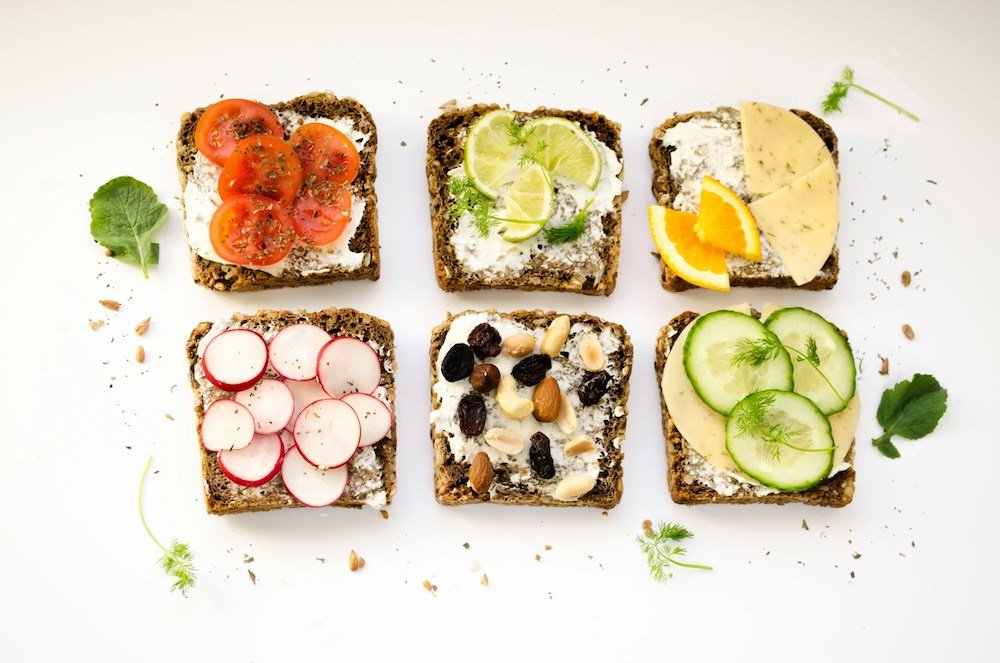
Food fads come and go. Remember Atkins? Olestra? FroYo? Sun-dried tomato? Fondue;
These popular meals, treats and restaurant trends make a big splash one day and many disappear just as quickly. Others continue to be found here and there. The ones that don’t usually die because we’re inundated with them or turn out to not have the health benefits they claim.
(Olestra is a great example, as it claimed to be a calorie-free fat alternative, but was found to cause cramping and diarrhea.)
Every year, there seems to be a few new food trends that pop up in grocery stores, restaurants, and in viral videos. Just because a food is trendy doesn’t mean it’s bad. But it helps to take a closer look at whether these are healthy choices.
Grocers like Whole Foods, culinary organizations like the James Beard Foundation, and especially the media love to guess what the next big food fads will be. So it’s worth analyzing some of the latest foods expected to take off next.
Will they pass the sniff test? Are they healthy?
Fiber
If you’ve been paying attention to food labels, advertisements, and social media lately, you’ve seen protein hyped like crazy.
Whether it’s growing kids, women of a certain age, athletes, or just the general public, it’s like we’re constantly being told to get more, more, more protein.
Products with added protein are everywhere these days, from pasta and cereal to yogurt and protein powders.
And while the macronutrient protein is vital for healthy bodily functions, Protein deficiency in the US is not very common. In fact, fiber is a much bigger problem for Americans, with over 90% are below the recommended daily intake.
Because fiber is the nutrient we are missing
The shift towards fiber awareness has already begun with increased interest prebiotics. And a growing number of probiotic food products are currently available, usually probiotic soft drinks.
So it shouldn’t come as much of a surprise that fiber-rich foods are expected to take off. And that’s generally good news since fiber can they aid digestion and reduce constipation, lower cholesterol levels, regulate blood sugar and feed beneficial gut bacteria.
But with the abundance of protein-rich foods available, along with whole-food options, fiber will inevitably be added to processed foods where it might not be expected. And similarly, it’s best to get fiber from real food sources.
That’s why it’s exciting what food trendsetters expect beans and legumes to explode in the restaurant scene. This also applies to packaged food trends. And that makes sense when you consider that beans and legumes (like lentils, chickpeas, white beans, and black beans) are high in both popular protein and fiber.
Want to be ahead of the trend? Try this Roasted Vegetable Soup with Homemade Beans or 3 Sisters Mexican Stew.
There are some situations in which you might want to be careful with fiber. Some people with poor digestion or who start out with very little fiber in their diet may find that too much fiber too quickly will lead to gas, bloating, constipation and abdominal discomfort.
In these cases, starting with small amounts of fiber and increasing over a few weeks is the best solution.
There may be times when high fiber may not be recommended, such as in cases of Crohn’s disease, ulcerative colitis, and small intestinal bacterial overgrowth (SIBO).

Cabbage
Cabbage may be the new cauliflower.
Just like cabbage and Brussels sprouts, cauliflower has its day. But now a new (well, not new but recently popular) vegetable is in town.
Like beans and legumes, kale is expected to be the latest hot food on tables across the country, both in homes and restaurants. Already, viral videos find us slicing, roasting, frying, and grilling this hardy vegetable. It’s safe to say that cabbage has come a long way since its boiled days.
And this is great news for so many reasons. First of all, kale is easy to grow, even outside of the usually lush months, thanks to its ability to handle the cold.
It absorbs flavors very well, ferments easily and has many preparations both cooked and raw.
But best of all, kale is rich in fiber, antioxidants, vitamin K, and vitamin C. All of these make it a great food for fight inflammation, boost your immune system and support gut and blood and bone health.
Being part of the cruciferous vegetable family, cabbage may not be a good idea in large quantities for people with thyroid problems. Cruciferous vegetables contain glucosinolates, which can affect the thyroid’s use of iodine. Fortunately, the longer you cook them, the more glucosinolates are washed out from cabbage and other cruciferous vegetables.
But unless you have hypothyroidism, there are benefits to both cooked and raw kale. Some people find raw cabbage difficult to digest, making cooking a better approach. However, some vitamins and minerals may be reduced by cookingincluding vitamin C and other antioxidants.
Ready to get your cabbage? Try one raw Crispy coleslaw or for a cooked option, Hot and Sour Stir Fried Lahanage.

Hojitsa
Have you seen matcha in every coffee shop, grocery store, and restaurant? Get ready for its baked little cousin to pop up everywhere.
Hojicha (ho-gee-cha) is also a green tea powder, but it has been roasted to a golden brown, giving it a different flavor that is somewhere between tea and coffee.
Just like matcha, it comes from Japan and dissolves easily (and deliciously) in hot liquids. Also like matcha, Hojicha contains the amino acid L-theaninewhich is thought to promote relaxation and reduce stress.
While Hojicha contains antioxidants such as catechins and polyphenolsthe baking process reduces them slightly.
It’s quite interesting, This same process increases the amount of pyrazineswhich acts as a natural mood booster and is otherwise found in wine.
And there’s some good news if you’re sensitive to caffeine. Hojicha contains less caffeine than matcha, making it a good choice for avoiding the jitters or for later in the day.
As with all coffee trends, they’re only as healthy as you make them. Obviously, avoid adding artificial sweeteners or sugar syrups. And milk options it has to match what you can digest, hopefully also avoiding the hidden sweeteners in there too.
But hojicha, like matcha, is easily made at home to suit your preferences. And luckily, it will be easier to find.
Which food trends are worth keeping?
Food trends can come and go. But for those with theoretical health benefits like fiber, cabbage, and hojicha, we can only hope they stick around so we can enjoy them for years to come.
Besides, they are delicious additions to a healthy diet.
The Nutrition Therapy Institute was created to provide holistic nutrition education to those starting a new career, looking to add to their current job, or anyone with a passion to learn how nutrition can shape life.
If you would like to learn more about NTI and the Nutrition Therapist Master Certification, Informative webinars are offered twice a week.
This is the best way to get all your questions answered at your convenience!
About the Author: Maya Strausberg earned her Master Nutrition Therapist certification from NTI before starting her private nutrition therapy practice. She now offers writing and editing services to nutritionists and other health professionals around the world through her business, Family Tree Nutrition.
Pictures:
- Photo by Carolyn Delacorte on Unscrew
- Image by MYCCF from Pixabay
- Image by nilerubina coffee from Pixabay
