

Close Menu
Healthtost
  • News
  • Mental Health
  • Men’s Health
  • Women’s Health
  • Skin Care
  • Sexual Health
  • Pregnancy
  • Nutrition
  • Fitness
  • Recommended Essentials
What's Hot

SPT Labtech and Bellbrook Labs Introduce High-Throughput Screening Platform for Cancer Research

February 10, 2026

Fraxel Laser in Philadelphia | About Facial Aesthetics

February 10, 2026

Stress and weight in midlife

February 9, 2026
Facebook X (Twitter) Instagram
  • About Us
  • Contact Us
  • Privacy Policy
  • Terms and Conditions
  • Disclaimer
Facebook X (Twitter) Instagram
Healthtost
SUBSCRIBE
  • News

    SPT Labtech and Bellbrook Labs Introduce High-Throughput Screening Platform for Cancer Research

    February 10, 2026

    The nervous system actively promotes precancerous lesions of the pancreas

    February 9, 2026

    UK Ambulance Intensive Care Expands But Unequal Access Still Limits Life-Saving Treatment

    February 9, 2026

    New neuroprotective drug improves recovery after acute ischemic stroke

    February 8, 2026

    Early treatment of tuberculosis reduces deaths from sepsis in HIV patients

    February 8, 2026
  • Mental Health

    Advancing the Future of Behavioral Health Data Exchange

    February 7, 2026

    How to avoid watching disturbing videos on social media and protect your peace of mind

    February 6, 2026

    Mental Health in the Black Community: Addressing…

    February 3, 2026

    Some people gain confidence when they think things through, others lose it – new research

    February 2, 2026

    3 practical ways to improve a writer’s mental health

    January 31, 2026
  • Men’s Health

    Air conditioning in nursing homes reduces heat-related risk

    February 6, 2026

    Analysis: What it’s like to have non-verbal autism and what helped me

    February 5, 2026

    Testicular cancer self-examination and why it could save your life

    February 2, 2026

    25-Minute Bodyweight Functional Training Program for Beginners

    February 1, 2026

    Turning everyday eggs into powerful nutrient delivery systems

    January 30, 2026
  • Women’s Health

    Perimenopause symptoms to watch out for in your 30s and 40s

    February 9, 2026

    Breast reduction surgery saved my life

    February 9, 2026

    2.6 Friday Faves – The Fitnessista

    February 7, 2026

    Enjoying Endorphins: How to Spoil Your Mood with Feel-Good Hormones

    February 5, 2026

    A critical maternal health data system is at risk

    February 5, 2026
  • Skin Care

    Fraxel Laser in Philadelphia | About Facial Aesthetics

    February 10, 2026

    Complete serum that works: The nighttime routine for real results

    February 8, 2026

    How to avoid shaving irritation: 7 myths that keep your skin angry

    February 7, 2026

    TNW Rich Cream for Soft, Smooth Skin – The natural wash

    February 7, 2026

    Inside Susie Ma’s Makeup | Founder of Tropic – Tropic Skincare

    February 6, 2026
  • Sexual Health

    Australia is closer to ending cervical cancer

    February 9, 2026

    Adventurous intimacy is more common than you think — Alliance for Sexual Health

    February 5, 2026

    A guide to a comfortable cervical check with Dr. Unsworth

    February 1, 2026

    How “Bridgerton” and the Other Romances Evolved in Their Depictions of Consent

    January 30, 2026

    Extraction, gold mining and SRHR in Kenya

    January 29, 2026
  • Pregnancy

    18 places to get free baby products, samples and gear in 2026

    February 8, 2026

    Pregnant on Chhath Puja? Hydration and nutrition tips

    February 6, 2026

    The second trimester sweet spot is real. Here’s how to get the most out of it

    February 4, 2026

    Is it safe to drink milk during pregnancy? What to know

    January 31, 2026

    12 Expert Answers to Your Pregnancy Yoga Questions

    January 29, 2026
  • Nutrition

    Stress and weight in midlife

    February 9, 2026

    Nutrient Loss in Modern Cooking: How Frying, Microwaving and Overcooking Deplete Vitamins

    February 9, 2026

    Intuitive Eating 101: It’s More Than ‘Eating When You’re Hungry’

    February 8, 2026

    The gut is not a tube

    February 8, 2026

    5 Ways You’re Sabotaging Your Metabolism

    February 2, 2026
  • Fitness

    The Orthopedic suggested cardio exercises that are easy on your joints

    February 8, 2026

    The Best Travel Products for Women Over 50 (Comfort and Convenience)

    February 8, 2026

    Ben Greenfield Weekly Update: January 30th

    February 7, 2026

    Smart Shoulder Solutions: An Evidence-based Approach

    February 7, 2026

    Ja’Marr Chase Offseason Training: The Explosive Workouts Fueling NFL Elite Performance

    February 6, 2026
  • Recommended Essentials
Healthtost
Home»Mental Health»By breaking silence: What everyone should know about eating disorders
Mental Health

By breaking silence: What everyone should know about eating disorders

healthtostBy healthtostMarch 2, 2025No Comments6 Mins Read
Facebook Twitter Pinterest LinkedIn Tumblr Reddit WhatsApp Email
By Breaking Silence: What Everyone Should Know About Eating Disorders
Share
Facebook Twitter LinkedIn Pinterest WhatsApp Email

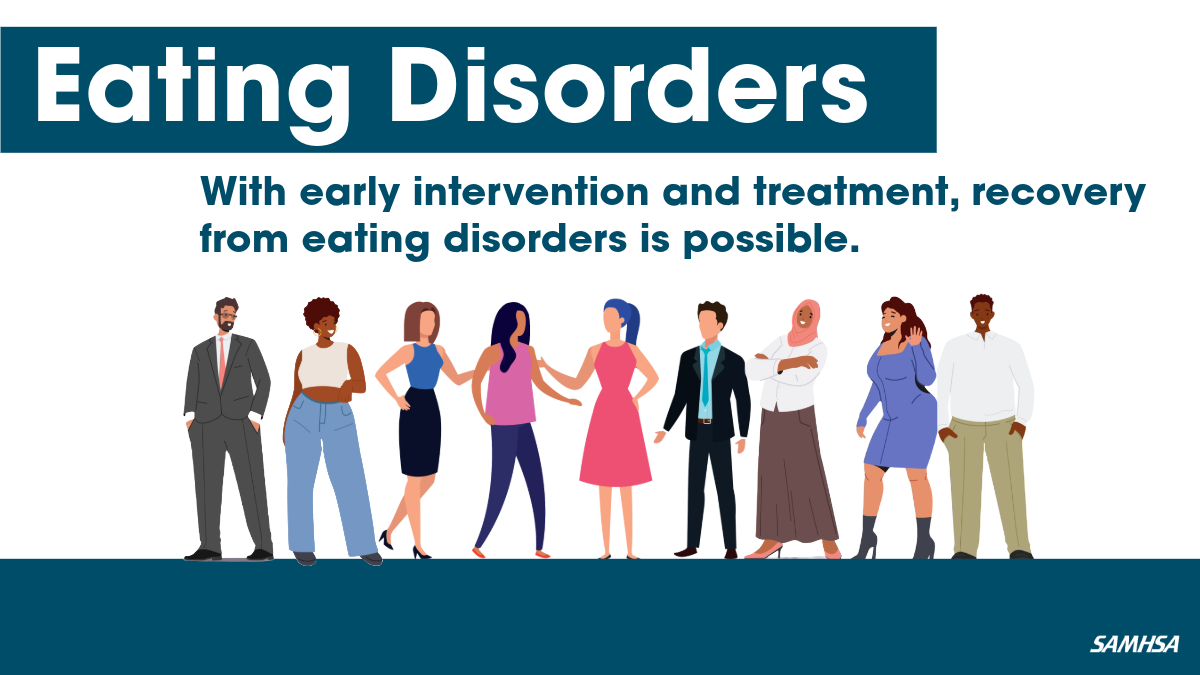
Nearly 1 in 10 people in the US will have an eating disorder during their lifetime. Some of these conditions can be serious and possibly even deadly. It is crucial to break silence and raise awareness of this public health problem. This week marks the week of raising awareness of national disorders, one year to increase understanding, reduce stigma and exchange support and hope for those affected. It also provides the opportunity to highlight resources available for those looking for help. With treatment and long -term recovery, most people with eating disorder can make a complete recovery.

Understanding eating disorders

Eating disorders are mental health conditions that include persistent and annoying attitudes, behaviors and feelings to eating. Eating disorders often include an unhealthy perception of weight and food intake. There are four common nutrition disorders: anorexia nervosa, eating disorder, nervous bulimia and food intake disorder.

Eating disorders can have a serious impact on individual health and well -being. People with eating disorders are in higher risk for suicide and medical complications. It is also very common for people with eating disorders to have other serious mental health conditions and substance use disorders. Almost all people with a life diagnosis of an eating disorder have a co -existing psychiatric disorder, usually a mood disorder, anxiety disorder or substance disorder. In addition, people with eating disorders have 5-6 times higher percentage of suicide attempts by those who do not have an eating disorder. Each year, more than 10,000 deaths are the immediate result of an eating disorder – this is a death every 52 minutes. That is why the efforts to prevent and early intervention are so important. The faster the signs of these diseases are recognized and treated through treatment, the greater the likelihood of long recovery.

Here are some ordinary myths and related events.

Myth 1: People with eating disorders are only concerned about their natural appearance and “choose” unhealthy eating habits.

Facts: Like other challenges for behavioral health, eating disorders are complex medical and mental conditions with risk factors that people do not choose. Genetics, gender, age, developmental stage, neurobiology, personality characteristics, traumas, stressors, ideals of socio -cultural appearance, nutrition culture, childhood experiences, peers, parents and parents are pronounced, Develop a deformed body image or eating disorder. People with eating disorders can have persistent thoughts on their body size/shape and food. The discomfort associated with these thoughts can lead them to repeat behaviors, such as food, cleaning, food or types of foods, etc. Those who are often affected are a lack of control of their thoughts and behaviors.

Myth 2: Eating disorders only affect young women.

Facts: Eating disorders can affect anyone regardless of age, gender, body size, demographics, geographical position or socio -economic status. Disturbed consumption, such as unhealthy diet, binging or cleaning, is almost as common in men. women. Men are about one -third of diagnoses with eating disorder.

Myth 3: People with eating disorders appear to be degraded or ill.

Facts: People with eating disorders have a wide range of body and health types. Only 6% of people with eating disorders are considered “degraded”. An average weight or over the average weight could fight with an eating disorder. Behaviors that include (but not limited to) bypassing meals, diet, over -consumption, only eating certain foods, extreme exercise and excessive concern about size or appearance may indicate a disturbed diet or diet disorder.

The diagnosis of an eating disorder is complex and includes holistic overall physical and psychological evaluations that require the know -how of a health professional to examine age, genetics, family history, eating and exercise habits, and for young people, a series of developmental developmental factors.

Samhsa’s commitment to deal with eating disorders

Samhsa is dedicated to improving the prevention, detection and treatment of eating disorders at national level. The Samhsa Center of Excellence provides healthcare professionals, family carers and community members with new tools, high quality training and technical assistance to be able to recognize the signs and ensure that people with eating disorders are identified, treated and supported. The training grant program to raise the awareness of mental health helps to increase the awareness of eating disorders in the context of greater efforts to promote and prevent mental health.

Samhsa has also played a role in national efforts to study the impact of the use of social media on youth, including whether it contributes to disturbed nutrition. In 2024, Task Force Health and Safety on the health and safety of children-Samhsa and the National Telecommunications and Information Management of the US Department of Commerce-were released “best practices for families and guidance for industry (PDF | 2.4 MB)”. The integrated report includes testimonies from parents and youth, including some who experienced nutrition disorders after prolonged exposure to specific content.

And for those in danger, Samhsa’s 988 Lifeline Suicide & Crisis Provides free and confidential support (with call, text or conversation) 24 hours a day, 7 days a week, in the United States.

What can you do for eating disorders

You can make the difference – during the national week of disorder awareness now (and always) – in a variety of ways, including the exchange of Samhsa resources and helping to raise awareness.

  • Educate yourself in eating disorders and find out the differences between myths and events.
  • Get involved prevention efforts and help promote or encourage healthy approaches to eating and positive body image.
  • Support A loved one by listening actively and showing empathy, patience and understanding. We know that this can be a difficult conversation. Find a safe and comfortable environment for your loved one. Stick to the facts, but be honest and take care of. Help ensure that your loved one feels heard and validated and encourage them to seek professional help, because recovery is possible.

By taking these steps, you can promote a strong understanding, break the silence around nutrition disorders, and build a supportive community where someone struggling with a diet disorder feels, heard, and is valued. Together, we can pave the way for healing and hope.

To learn how to get support for mental health conditions, visit findsupport.gov. If you are looking for treatment services in your community, visit Findtreatment.gov or the National alliance for eating disorders. If you or someone you know needs additional support or is in crisis, call or text 988 or conversation 988lifeline.org for help 24-7.

Resources

Breaking Disorders Eating silence
bhanuprakash.cg
healthtost
  • Website

Related Posts

Intuitive Eating 101: It’s More Than ‘Eating When You’re Hungry’

February 8, 2026

Advancing the Future of Behavioral Health Data Exchange

February 7, 2026

How to avoid watching disturbing videos on social media and protect your peace of mind

February 6, 2026

Leave A Reply Cancel Reply

Don't Miss
News

SPT Labtech and Bellbrook Labs Introduce High-Throughput Screening Platform for Cancer Research

By healthtostFebruary 10, 20260

SPT Labtech, a global leader in the design and development of automated instrumentation and consumables…

Fraxel Laser in Philadelphia | About Facial Aesthetics

February 10, 2026

Stress and weight in midlife

February 9, 2026

The nervous system actively promotes precancerous lesions of the pancreas

February 9, 2026
Stay In Touch
  • Facebook
  • Twitter
  • Pinterest
  • Instagram
  • YouTube
  • Vimeo
TAGS
Baby benefits body brain cancer care Day Diet disease exercise finds Fitness food Guide health healthy heart Improve Life Loss Men mental Natural Nutrition Patients People Pregnancy protein research reveals risk routine sex sexual Skin study Therapy Tips Top Training Treatment ways weight women Workout
About Us
About Us

Welcome to HealthTost, your trusted source for breaking health news, expert insights, and wellness inspiration. At HealthTost, we are committed to delivering accurate, timely, and empowering information to help you make informed decisions about your health and well-being.

Latest Articles

SPT Labtech and Bellbrook Labs Introduce High-Throughput Screening Platform for Cancer Research

February 10, 2026

Fraxel Laser in Philadelphia | About Facial Aesthetics

February 10, 2026

Stress and weight in midlife

February 9, 2026
New Comments
    Facebook X (Twitter) Instagram Pinterest
    • About Us
    • Contact Us
    • Privacy Policy
    • Terms and Conditions
    • Disclaimer
    © 2026 HealthTost. All Rights Reserved.

    Type above and press Enter to search. Press Esc to cancel.