


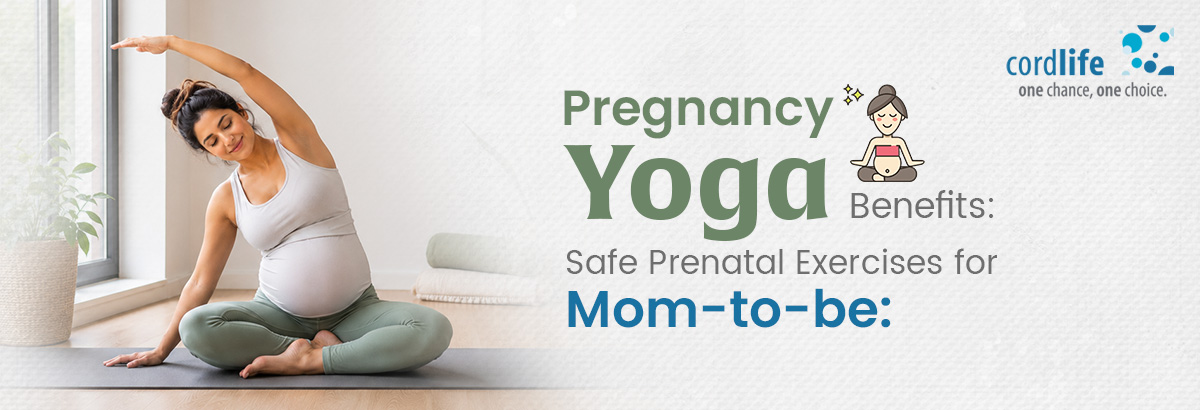
Pregnancy causes a huge physical, anatomical and psychological change in mothers-to-be. As a mother’s body changes to accommodate her growing baby, her physical health and emotional well-being must be a top priority. Prenatal yoga is one of the most popular forms prenatal exercises. This article provides a comprehensive, evidence-based review of the benefits of prenatal yoga. It provides a list of exercises for each trimester and clearly outlines the key safety considerations required for the mother and her baby.
Trimester-by-Trimester Guide to Safe Prenatal Exercise
Each trimester is characterized by its own physiological stages and limitations. A safe prenatal workout routine it must evolve to accommodate change anatomical realities of the pregnant body.
The First Trimester (Weeks 1-13)
During the first trimester, the fetus is in a critical stage of organogenesis, while the mother may experience fatigue, morning sickness, and hormonal fluctuations. The physical changes of this phase occur internally and so the focus remains on stabilization, energy conservation and breathing.
Recommended exercises:
- Marjaryasana-Bitilasana (Cat-Cow Stretch): This gentle mobilizing flow is ideal for lower back pain in early pregnancy and promotes body awareness without straining the abdomen.
- Tadasana (Mountain Pose): One of many safe pregnancy exercises for rational balance and grounding as the mother begins to feel changes in her balance.
- Dirga Pranayama (Tripartite Breathing): Work to oxygenate the mother’s body during periods of fatigue and can help soothe the nervous system during nausea.
Precautions
During the first trimester, the focus should be on stabilization, not overtraining. While the belly isn’t noticeably bigger, levels of the hormone chalasin begin to rise, making ligaments looser and joints more prone to injury.
The second trimester (Week 14-27)
The mother’s body begins to change at this stage. The uterus grows well above the pelvis, shifting the center of balance and the benefits of prenatal yoga during this phase is the restoration of natural balance.
Recommended exercises:
- Virabhadrasana II (Warrior II): It strengthens the quadriceps, glutes and core while opening the hips. Physical endurance and mental alertness develop.
- Utkata Konasana (Goddess Pose): one of the safe yoga poses during pregnancyUtkata Konasana tones the lower body and strengthens the pelvic floor muscles, allowing for the greater opening of the pelvis required for childbirth.
- Baddha Konasana (Bound Angle/Butterfly Pose): This is practiced in a standing position (supported by a blanket or brace) to lengthen the inner thighs and groin.
Precautions
After the 20th week, all supine positions should be eliminated. The increased pressure of the fetus inside the uterus can press on the inferior vena cava and block blood flow back to the heart. This can lead to reduced blood flow to the placenta and maternal hypotension. The upper body should be supported by supports when resting.
Third Trimester (Week 28 – 40+)
The last trimester focuses on preparing the body for childbirth, reducing pressure in the pelvic area and making room for the lungs and diaphragm, which are flattened as a result of the high fundal height.
Recommended exercises:
- Malasana (Garland Pose/Squat): Where possible, in a head-down presentation, using supports under the seats. This third trimester yoga opens the pelvic floor with gravity to encourage the descent of the baby.
- Upavistha Konasana (Wide-Angle Seated Forward Bend): Minimal forward bend, plenty of back support. Supports hip movement without compressing the abdomen.
- Balasana (Extended Child’s Pose): Using a very wide angle, a good resting posture to relieve back pain and mind.
Important considerations
A woman’s balance can be greatly challenged during the third trimester. All standing postures must therefore be held close to a wall or chair to prevent any possible fall.
Key safety issues and contraindications
Although prenatal yoga is generally considered a safe practice, strict attention to clinical guidelines should be followed to eliminate any threat to the maternal-fetal unit.
No abdominal compression
Postures that require deep, closed twists (turn the trunk toward the leg) and prone (lying on the stomach) postures are compressive and should be avoided to avoid pressure on the intra-abdominal cavity and reduce blood supply to the uterus. Instead, “open turns” (the trunk twisting away from the leg) should be used to allow more space for the belly.
Thermoregulation and Hydration
Elevated maternal core body temperature (hyperthermia) has been associated with teratogenesis in pregnancy, particularly during the first trimester. Accordingly, practice yoga during pregnancy in a warm, unventilated environment is harmful to pregnancy. In addition, the mother should drink a lot of water.
Clinical Absolute Contraindications
Prior approval must be obtained from a healthcare provider before starting any yoga for pregnant women.
The following clinical conditions indicate the immediate avoidance or cessation of exercise:
- Preeclampsia and pregnancy-induced hypertension
- Placenta previa, after 26 weeks of gestation
- Continuous second or third trimester vaginal bleeding
- Cervical impotence
- Premature rupture of membranes or suspected preterm labor
Conclusion
THE pregnancy fitness exercisesyoga, is a powerful tool to help moms gain the strength, flexibility, and confidence needed to navigate pregnancy and birth. By respecting and honoring the natural progression through the trimester and incorporating strict safety modifications, expectant mothers can experience the most connected, comfortable and empowering pregnancy.
