


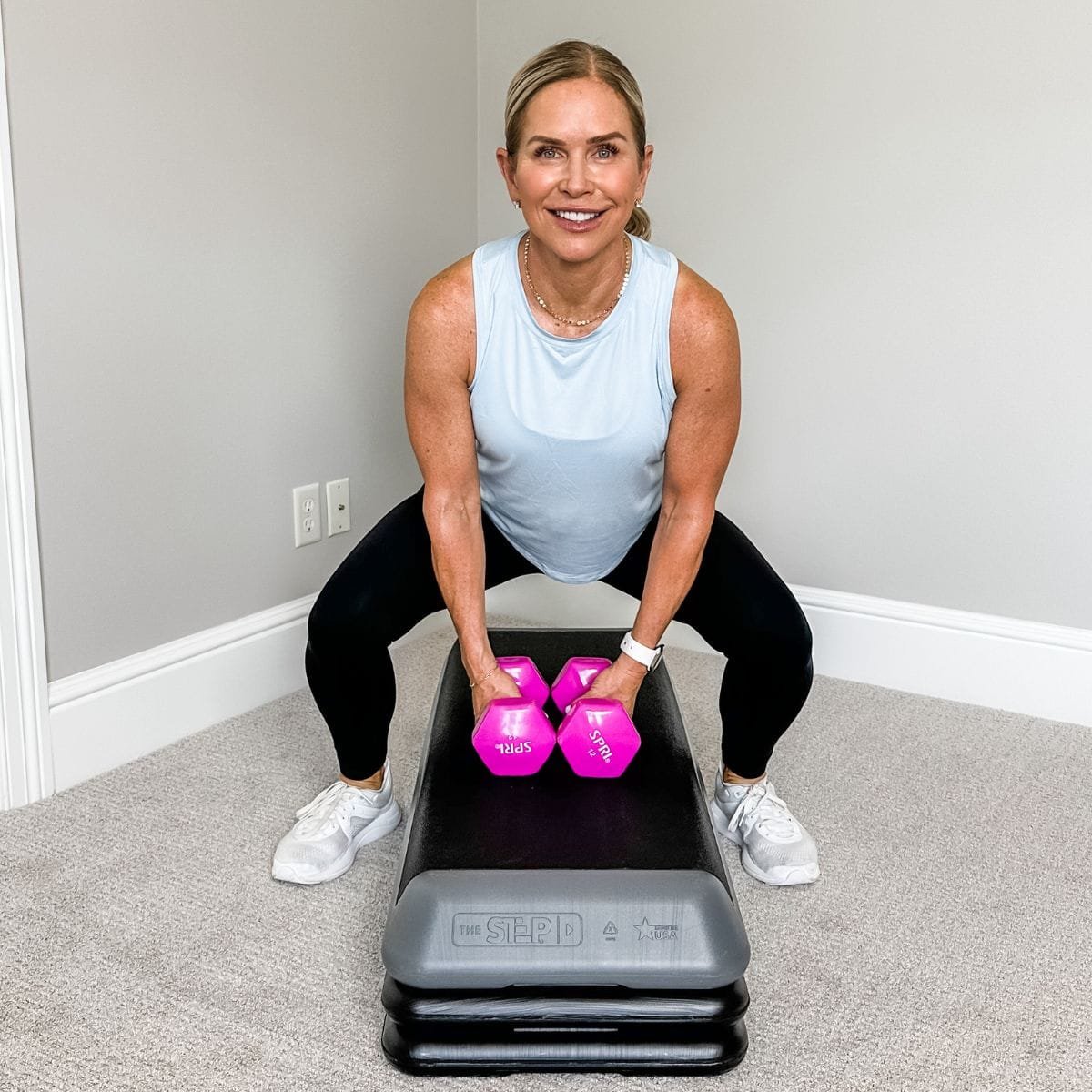
Aging is inevitable. Feeling weak, fragile and limited doesn’t have to be.
One of the most powerful ways to slow the aging process after 50 is strength training. And I’m not talking about becoming a bodybuilder or spending hours in the gym. I’m talking about building the kind of strength that helps you stay energetic, mobile, confident and independent for decades to come.
I’ve been strength training since I was in my 30s and now in my 60s, I can honestly say it’s one of the best health investments I’ve ever made. It has helped me maintain my muscles, protect my joints, improve my balance and continue to do the things I love with confidence.
The truth is that our bodies naturally change as we age. We lose muscle mass, bone density decreases, metabolism slows, and everyday tasks can become more difficult if we don’t actively work to stay strong. But here’s the encouraging news: strength training can help reverse many of these age-related changes.
In fact, research from the National Institute on Aging continues to show that resistance training is one of the most effective forms of exercise for healthy aging and longevity, especially for menopausal and postmenopausal women.
You don’t need fancy equipment or complicated workouts to get started. A few strength workouts each week using dumbbells, resistance bands or bodyweight exercises can make a huge difference in how you feel and function after 50.
If you want to age with strength, energy and confidence, here are six powerful ways strength training can help slow the aging process after 50.
One of the biggest reasons strength training slows aging is because it helps preserve lean muscle mass.
Starting around age 30, adults naturally begin to lose muscle each year, a process called sarcopenia. For postmenopausal women, this muscle loss can happen even faster due to hormonal changes. Less muscle can lead to weakness, fatigue, slower metabolism and loss of independence over time.
But strength training helps you regain control.
When you challenge your muscles with resistance, your body responds by rebuilding and strengthening muscle tissue. This means you stay stronger, fitter and more resilient as you get older.
And let’s clear up an outdated myth now: lifting weights won’t make you bulky. Conversely, strength training helps women over 50 feel toned, strong and confident.
As I grew older, my goals changed. I don’t focus on chasing a certain size or number on the scale. I want to carry heavy grocery bags with ease, lift my suitcase while traveling, play with future grandchildren, and go through life feeling capable.
That’s what strength training gives you.
I often say, “Cardio is your paycheck, strength training is your 401K.” You are investing in your future self every time you get up.
Check out my strategies on how to build muscle after menopause.
2. Protects bone density and joint health
Bone health becomes increasingly important after 50, especially for women.
As estrogen levels decline during menopause, bone loss accelerates, increasing the risk of osteoporosis and fractures. Many women are shocked to receive bone mineral density test results that show early signs of bone loss.
The good news? Strength training is one of the best ways to support bone health naturally.
Resistance exercises put healthy stress on your bones, which encourages them to stay stronger and denser. At the same time, stronger muscles help support your joints, improve posture, and reduce the risk of injury.
This is especially important because falls become more dangerous as we get older. Strong muscles and better balance help protect your body and improve confidence in everyday movements.
Strength training has helped me feel fitter, stronger, and more stable over the years, and that matters a lot in middle age and beyond.
One of the most frustrating parts of aging for many women is realizing that their metabolism isn’t what it used to be.
During and after menopause, hormonal changes can make it easier to gain weight and harder to lose weight. But muscle plays a huge role in supporting a healthy metabolism.
Muscle tissue burns more calories at rest than fat tissue. This means that the more lean muscle you have, the more calories your body naturally burns throughout the day, even when you’re resting.
Strength training helps increase your resting metabolic rate, making it easier to maintain a healthy weight and support long-term energy levels.
I remind women all the time: you don’t need endless cardio workouts to support your metabolism. Building muscle is one of the smartest and most sustainable ways to support your body as you age.
Combine strength training with protein-rich meals, regular exercise, quality sleep, and stress management, and your body will thank you.
4. Helps reduce the risk of chronic diseases
Strength training doesn’t just change how your body looks, it changes how your body works.
Research shows that regular resistance training can help reduce the risk of chronic diseases such as:
- heart disease
- type 2 diabetes
- portliness
- arthritis
- high blood pressure
Muscle tissue helps regulate blood sugar, improve insulin sensitivity and support overall metabolic health. Strength training also improves circulation and supports cardiovascular health when combined with regular exercise.
And here’s something I think is incredibly important: staying active helps maintain your quality of life.
The goal is not just to live longer. It’s about staying healthy enough to enjoy your life to the fullest.
That’s why strength training is such an important part of healthy aging.
5. Supports brain health and mental well-being
The benefits of strength training go far beyond the physical.
Every time I finish a workout, I feel stronger mentally as well as physically. Strength training helps reduce stress, boost mood, improve focus and support emotional resilience.
Research by Harvard Medical School shows that regular exercise can help reduce symptoms of anxiety and depression. Exercise also stimulates feel-good chemicals in the brain that support better mood and energy.
And in middle age, that mental strength matters.
Life changes after 50. Hormones shift. Anxiety looks different. Children grow up. The age of the parents. Our bodies change.
Strength training gives you a sense of empowerment during a time in life that can sometimes feel unpredictable. Use my favorite strength exercises for women over 50 to get started!
When you feel physically strong, it often carries over into every other area of life.
6. Improves balance, mobility and independence
One of the biggest ways strength training slows the aging process is by helping you stay functional and independent.
Functional fitness means training your body for everyday activities such as:
- carrying groceries
- climbing stairs
- I get up from the floor
- lifting laundry baskets
- maintaining balance while walking
These daily movements matter.
Strength training improves coordination, posture, balance, mobility and core stability, all of which become increasingly important with age.
The stronger you are, the more freedom you retain.
And if you’re over 50 and feeling behind, please know: it’s never too late to start.
You don’t need perfection. It just takes consistency.
Start with bodyweight exercises. Grab a pair of dumbbells. Use resistance bands. Take a strength class for beginners. Your body is incredibly adaptable at any age.
You will be surprised how quickly you will start to feel stronger, more energetic and more confident.


Final Thoughts
There is no magic pill to slow down the aging process. But strength training is very close.
It helps maintain muscle, protect bones, boost metabolism, support mental health and improve independence as you age. Most importantly, it helps you continue to show up for life feeling strong and capable.
Cardio supports heart health and longevity, but strength training helps you maintain the strength and endurance to fully enjoy those extra years.
That’s why I believe strength training after 50 is one of the most powerful things women can do for healthy aging.
Start where you are. Stay consistent. Your future self will thank you.
Frequently asked questions
Strength training helps slow many age-related changes by maintaining muscle mass, supporting bone density, improving metabolism, enhancing balance, and supporting overall health.
Most experts recommend strength training at least 2-3 times per week for healthy aging and muscle retention.
Yes. Strength training is safe for most adults over age 50 when the exercises are performed with proper form and resistance.
Beginner-friendly resistance exercises using dumbbells, resistance bands, machines, or bodyweight exercises are all effective options.
Absolutely. Strength training helps reverse muscle loss, supports metabolism, improves bone health, and helps women maintain strength through menopause and beyond.
No. Continued resistance training using lighter weights with good form can still build strength and improve muscle tone.
