


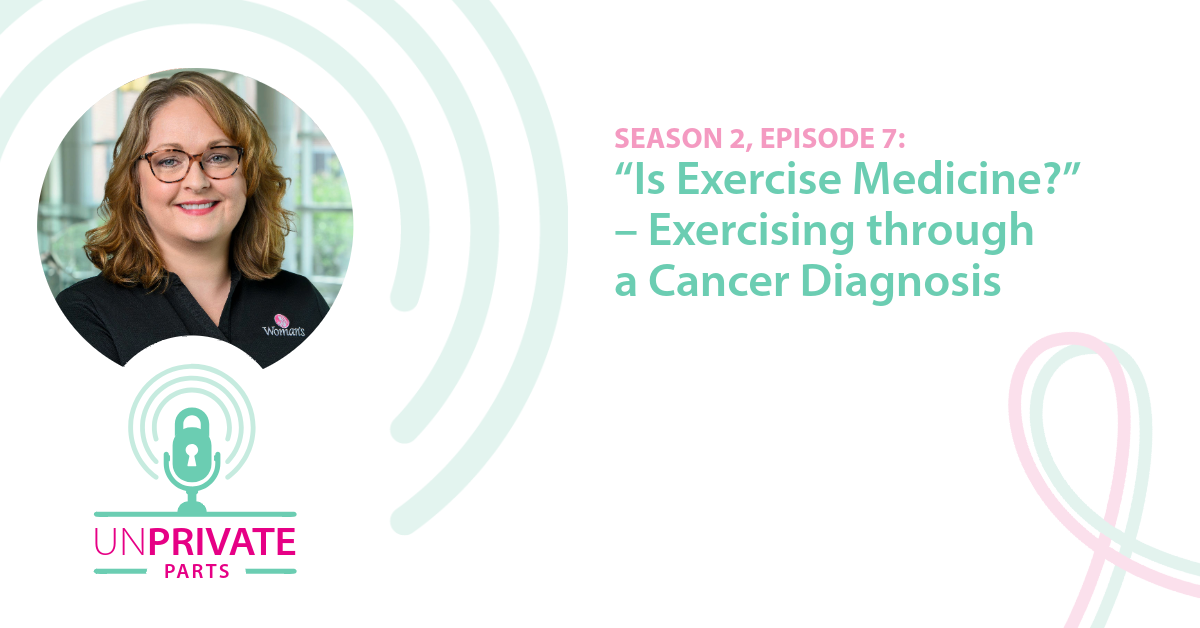
When someone is diagnosed with cancer, exercise is often the last thing on their mind. However, staying active can play an important role in treatment. Alanna Williams, clinical exercise physiologist at the Woman’s Center for Wellness, explains how movement can support physical and emotional recovery during and after cancer treatment.
How physical activity supports recovery
Moving and strengthening your body is one of the best things you can do during and after cancer treatment. As Alanna notes, “As humans, we need to use our bodies; they are meant to move. We heal our bodies through movement.” Some benefits of exercise include:
- Reducing cancer-related fatigue – The best way to beat fatigue is to get up and move around. Walking, cycling, dancing, swimming and other cardiovascular exercises can help improve your energy levels and sleep quality.
- Improving strength, endurance, mobility and balance – Movement and strengthening exercises help your body stay strong, stable and flexible so everyday activities are easier and safer.
- Boosting your mood – Exercise can reduce stress, reduce anxiety and depression, increase self-confidence and help you feel like yourself again.
Finding what works best for you
Many people think that exercise should mean intense workouts, but that’s not always realistic with a cancer diagnosis. Plus, exercise looks different for everyone. Some women are eager to return to high-intensity workouts, while others feel weak or fatigued. The key for both teams is to find the right balance.
If you were very active before the treatment, you may need to reduce the intensity for a while. Chemotherapy, radiation, and surgery all require recovery time, and some treatments can even affect heart health. That’s why it’s important to give your body time to heal. This might mean slowing your pace, adding more breaks, or choosing longer, gentler workouts instead of pushing for peak performance.
On the other hand, if you’re new to exercise or feeling run down, the goal may simply be to sit less and move more. Walking around the neighborhood, gardening, yoga, stretching, or doing housework are all important ways to stay active. Remember, the best type of exercise is the one you have access to and want to do.
Exercises to avoid during treatment and recovery
The exercises you should avoid will depend on your surgery and treatment plan. For example, women who have had breast implants or spacers should limit chest exercises, especially in the early stages of recovery. Movements such as modified planks may be introduced over time, but high-load chest exercises such as full push-ups are generally discouraged.
Instead, focus on gentle strengthening, posture and upper body mobility. Exercises such as rows or pulldowns can help support posture and shoulder function, while stretches can reduce tightness in the chest and shoulders after surgery or radiation.
Regardless of your fitness level, it’s essential to learn to listen to your body. Some days may require more movement, while others may require more rest. Recovery isn’t about perfection or pushing harder — it’s about consistency and supporting your body through healing.
Always talk to your care team about what exercises are right for you and when it’s safe to increase your activity level.
Exercise is a medicine program
Offers The Woman’s Center for Wellness Exercise is medicinean evidence-based exercise program designed to help you manage chronic disease, reduce symptoms, and improve overall health and wellness. Because every recovery journey is different, each exercise plan is tailored to your unique needs, fitness level, and what stage of treatment or recovery you are in. Anyone can join the program, but you must get permission from the doctor before starting.
During the program, you’ll meet with an instructor twice a week for eight weeks in a small-group environment that encourages accountability and connecting with others who have similar experiences. Sessions focus on improving cardiovascular health, body strength, balance, bone health and core stability. Membership access is also included, allowing you to attend classes or use gym equipment outside of sessions.
Many women who complete the program experience significant improvements in strength (25% increase) and balance (50% to 100% increase). They also report better mobility, sleep and energy levels while feeling like themselves again.
Moving on:
Recovery looks different for everyone, and there is no one-size-fits-all approach to exercise. The most important thing is to find safe, realistic ways to keep your body moving while honoring its need for rest and recovery. With guidance from your care team and support from programs like Exercise is Medicine, movement can become a powerful tool to help you feel stronger, healthier, and like yourself again.
