


This week, the White House and the Department of Health and Human Services unveiled a new maternal health initiative with Moms.gov, a federal website designed to support mothers and address America’s maternal mortality crisis.
During implementation, administrators highlighted concerns about maternal health outcomes in rural communities, fertility trends, and family support resources. But for many supporters, one thing immediately stood out:
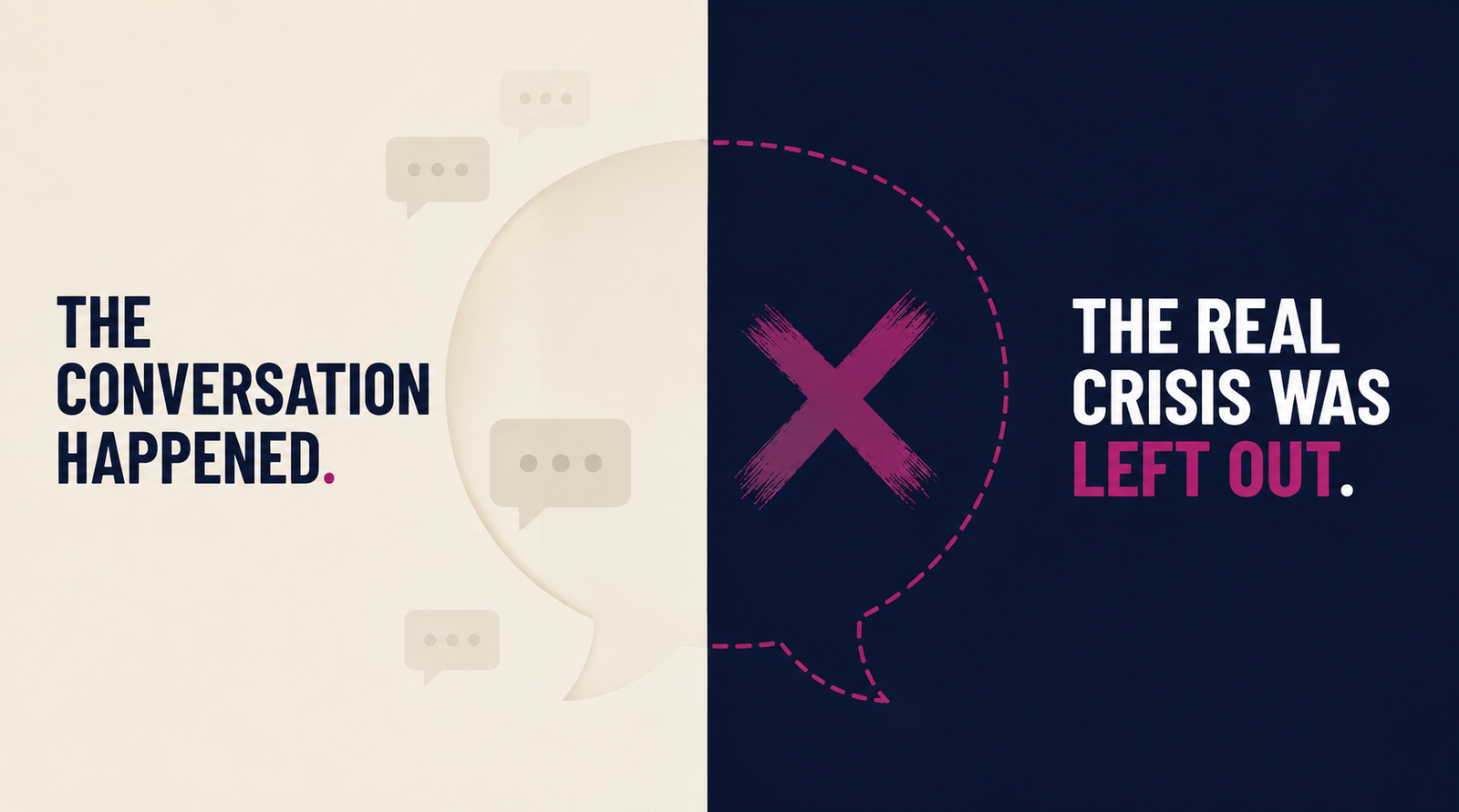
The black mother’s health was absent from the conversation.
This omission matters.
Because while maternal mortality in rural America deserves urgent attention, black women in the United States continue to face some of the worst maternal health outcomes in the developed world, with pregnancy-related mortality rates roughly three to four times higher than white women.
For many public health leaders, advocates and black women who have spent years sounding the alarm, the silence has been impossible to ignore.
Why advocates are concerned
It’s not just wording.
It is about visibility, accountability and whether the communities most affected by the maternal health crisis are focused on the solutions.
Black women continue to face disproportionately high rates:
- Pregnancy-related death
- Serious maternal complications
- Delayed diagnosis
- Inadequate postpartum care
- Medical dismissal and prejudice
And these disparities persist regardless of income or education.
Research has repeatedly shown that systemic racism, implicit bias, gaps in access to quality care, and chronic stress contribute to these outcomes.
Advocates say that when race is removed from the discussion, it becomes easier to overlook the structural inequalities that drive the crisis itself.
The numbers tell the story
During the installation, administration officials highlighted data showing that maternal mortality in rural areas is estimated to be about 30% higher than in urban communities.
Again, this is a serious issue that deserves attention and investment.
But many advocates questioned why there was little discussion of the fact that black women face pregnancy-related death rates roughly 200 percent higher than white women nationally.
These inequalities have persisted for years.
And many black women say they are tired of hearing broad conversations about maternal health that fail to directly recognize who is most affected.
This is more than just healthcare
Maternal health is not just a medical issue. It is a reflection of whose pain is believed, whose concerns are dismissed and who has access to quality care before, during and after pregnancy. For black women, stories of being ignored, mistreated, or coerced into getting proper care during pregnancy and childbirth are tragically common. Many advocates argue that any national maternal health strategy that does not directly address black maternal health risks missing the heart of the crisis itself.
Because you can’t solve a problem, you refuse to fully name it.
A broader shift in public health conversations?
Concerns about this development come amid broader national debates about how race, equity and health disparities are discussed in federal policy spaces.
Advocates have already raised concerns about:
- Threats to Maternal Health Financing
- Cuts to equity-focused programs
- Reduced emphasis on racial disparities in public health
- Attacks on diversity, equality and inclusion initiatives
- The future of culturally responsive health care programs
For many Black maternal health leaders, this moment is especially critical because progress in awareness and advocacy has taken years to build.
There is concern that failure to explicitly focus on black maternal health could slow momentum at a time when the crisis remains urgent.
What do black women need?
Advocates say improving maternal health outcomes for black women requires more than awareness campaigns.
It requires:
- Listening to black women
- Expanding access to quality antenatal and postnatal care
- Doula and midwife support
- Addressing provider bias
- Investing in community-based care models
- Protecting access to Medicaid
- Funding for Black-led maternal health organizations
- Collection of accurate tribal health data
- Addressing maternal mortality as both a health care issue and a human rights issue
Most importantly, advocates say black women must remain at the center of the conversation.
Not as an afterthought.
Not as a side note.
But as a public health priority.
Read our National Health Policy Agenda HERE.
