

Close Menu
Healthtost
  • News
  • Mental Health
  • Men’s Health
  • Women’s Health
  • Skin Care
  • Sexual Health
  • Pregnancy
  • Nutrition
  • Fitness
  • Recommended Essentials
What's Hot

How to Get Rid of Dandruff Permanently: Your 90 Day Plan

June 25, 2026

Welcome Back, Zinc Oxide – Woohoo Body

June 25, 2026

Who will train the next generation of abortion providers?

June 25, 2026
Facebook X (Twitter) Instagram
  • About Us
  • Contact Us
  • Privacy Policy
  • Terms and Conditions
  • Disclaimer
Facebook X (Twitter) Instagram
Healthtost
SUBSCRIBE
  • News

    Swedish scientist wins prestigious prize for research on illness behavior

    June 24, 2026

    Eating 90g of whole grains daily is associated with a lower risk of breast cancer

    June 24, 2026

    Researchers identify molecular pathway that delays diabetic wound healing

    June 23, 2026

    The menstrual cycle changes heart rate variability but not strength

    June 23, 2026

    Using the mathematics of quantum mechanics to improve neuroblastoma outcomes

    June 22, 2026
  • Mental Health

    Everyone wants to think they’re open-minded – here’s why most people aren’t

    June 24, 2026

    five tips from influential thinkers to calm your nerves

    June 19, 2026

    10 Ways to Find Your Purpose as a Married Woman

    June 17, 2026

    Performing under pressure? For athletes it depends on 3 main things

    June 14, 2026

    GLP-1 drugs like Ozempic promise more than just weight loss. But what is science versus hype?

    June 10, 2026
  • Men’s Health

    Weight lost is less likely to be regained when exercise follows obesity treatment

    June 24, 2026

    What chess has taught me about my ADHD brain

    June 23, 2026

    Mix up your workout with Myo-Reps

    June 23, 2026

    Why we keep dating the wrong person and how you can find the right life partner now

    June 22, 2026

    Higher BMI increases risk of 19 cancers as global review widens obesity-cancer link

    June 17, 2026
  • Women’s Health

    How to Get Rid of Dandruff Permanently: Your 90 Day Plan

    June 25, 2026

    How to get pregnant with PMOS (formerly PCOS)

    June 24, 2026

    Pregnancy Doctor Appointment in Alexandria VA

    June 24, 2026

    Redefine your fitness with hybrid training

    June 23, 2026

    Judenth and Black Women Who Made Freedom Practice

    June 23, 2026
  • Skin Care

    Welcome Back, Zinc Oxide – Woohoo Body

    June 25, 2026

    The best skincare routine for perimenopause + food allergies

    June 24, 2026

    Redefining Glow: Why Secretome Skincare and AI Are the Future of Beauty | Skin secrets

    June 23, 2026

    Men’s Skin Care: Why a Gentleman’s Facial is the Only Treatment You Really Need

    June 22, 2026

    DIY Castor Oil Eye Serum Roll On

    June 19, 2026
  • Sexual Health

    Who will train the next generation of abortion providers?

    June 25, 2026

    Action Research in Francophone Africa

    June 24, 2026

    Creating supportive recovery spaces for LGBTQ+ people

    June 23, 2026

    Complete career guide for 2026 — Sexual Health Alliance

    June 23, 2026

    Menopause and sexual health | American Association for Sexual Health

    June 20, 2026
  • Pregnancy

    “Is it a boy or a girl?” Old Wives’ Tales Gender Prediction Summary

    June 23, 2026

    Daily exposure to chemicals during pregnancy may be linked to older, smaller babies

    June 22, 2026

    What to consider when choosing a stem cell bank in India

    June 21, 2026

    Should women over 30 take creatine? – Pink stork

    June 20, 2026

    Hidradenitis suppurativa: When HS joins the journey of pregnancy

    June 20, 2026
  • Nutrition

    Can highly processed foods be fixed by modifying their nutrients?

    June 24, 2026

    Energetic summer Smoothies that do not raise blood sugar

    June 24, 2026

    10 Diet Mistakes to Avoid

    June 23, 2026

    What is body liberation? Moving beyond mainstream body positivity

    June 22, 2026

    Strong Men, Healthy Men: The Truth About Energy, Testosterone, Strength, and Longevity

    June 21, 2026
  • Fitness

    Some Postpartum Thoughts – Tony Gentilcore

    June 21, 2026

    The best sleep routine for men over 50 who want more energy

    June 20, 2026

    Is it a good source?

    June 20, 2026

    How to Stay Active and Get Your 10,000 Daily Steps in Auto-centric Houston

    June 18, 2026

    ‘Squatter Hunter’ Flash Shelton Reveals The Scaling Tactics That Help Him Reclaim Homes Safely

    June 16, 2026
  • Recommended Essentials
Healthtost
Home»Men's Health»Study finds many UK adults want to avoid ultra-processed foods but can’t clearly define them
Men's Health

Study finds many UK adults want to avoid ultra-processed foods but can’t clearly define them

healthtostBy healthtostApril 21, 2026No Comments5 Mins Read
Facebook Twitter Pinterest LinkedIn Tumblr Reddit WhatsApp Email
Study Finds Many Uk Adults Want To Avoid Ultra Processed Foods
Share
Facebook Twitter LinkedIn Pinterest WhatsApp Email

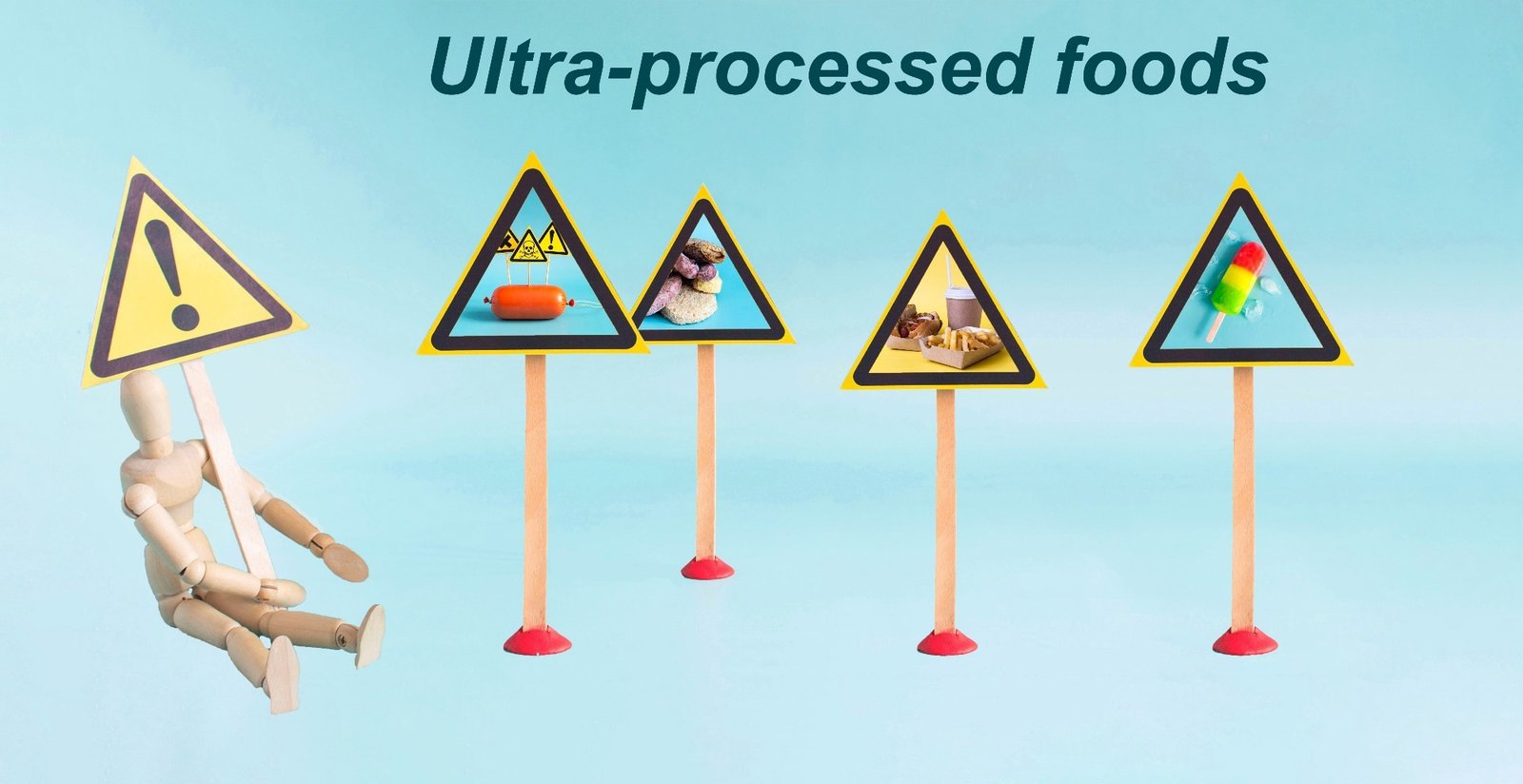
Many UK adults say they want to cut down on highly processed food, but this study shows confusion, cost, convenience and mixed messages are still standing in the way.

Study: Understandings of ultra-processed foods among adults with responsibility for household food activities in the United Kingdom: a qualitative study. Image credit: nau2018 / Shutterstock

In a recent study published in the journal BMC Global and Public Healthresearchers conducted a qualitative survey to explore perceptions of ultra-processed foods (UPF) in the United Kingdom (UK). The study used thematic analysis of data from 30 adults in the UK with primary household responsibilities.

Results showed that while study participants generally viewed UPFs as artificial and potentially unhealthy, they could not easily understand the Nova classification system or identify classification boundaries. Therefore, the study suggested that policy and environmental changes are likely to contribute to reducing population-level UPF uptake nationwide, particularly alongside or beyond education-only approaches.

UPF Literacy and Nova Classification background

Recent reports show that highly processed foods (UPF) now account for more than 50% of the average daily energy intake of citizens in the United Kingdom (UK). The Nova classification system defines UPFs as industrially modified food products designed primarily for palatability, convenience, and commercial profitability, and further cites a growing body of epidemiological evidence linking UPF consumption to increased prevalence of noncommunicable diseases (NCDs).

Despite extensive global public health campaigns to educate consumers about the downsides of consuming UPF, previous quantitative research identifies significant literacy gaps in its practical application: 73% of UK adults are familiar with the term “UPF”, but only 13% can correctly categorize foods. Specifically, participants in previous surveys correctly identified only 54% of UPF food items, highlighting persistent “perception-knowledge” gaps.

In addition, public health reports from the European Union (EU) indicate that 41% of European consumers view UPFs as more convenient than fresh or minimally processed alternatives, exacerbating these perception-knowledge gaps and resulting in an environment conducive to suboptimal nutritional outcomes at the population level.

Consequently, the researchers hypothesize that understanding how household “gatekeepers” navigate these choices is critical to developing just food policies. Unfortunately, previous studies have provided limited insight into this understanding.

UK UPF interview study design

The present study aimed to address these knowledge gaps and inform future UK food policy by conducting 30 semi-structured qualitative interviews (duration = 60 minutes) between July and October 2024. Study participants were recruited via social media and screened to ensure they had primary responsibility for household food activities, particularly food purchase decisions.

Cohort summary statistics of the final sample of participants revealed that they were predominantly female (73%; age = 20–72 years) and had the highest educational level (63%).

The study’s methodological framework included a reflexive thematic analysis, in which the researchers used inductive reasoning to interpret patterns across the sample data set. To enhance the rigor and credibility of the analysis, the study included three public contributors (“Public Participation and Engagement [PIE] group”) in inductive interpretation methodology.

Study interviews included a structured photo-sorting activity in which participants were asked to categorize images of various foods across the Nova classification spectrum, thereby allowing reviewers to observe individual-level heuristics and clarify cohort-level misconceptions.

Issues in Public Understanding and UPF Decisions

The study’s analysis identified five interrelated themes that characterize the public’s relationship with UPFs: 1. Understanding UPF, 2. Influences on understanding, 3. Decision-making around UPFs, 4. Barriers and enablers to reduce UPF consumption, and 5. Possible solutions.

Participants were found to view food processing as a continuum rather than discrete categories. While UPFs such as potato chips and soda were easily identified as highly processed, “borderline” foods such as yogurt and plant-based meat alternatives were observed to confuse participants.

Additionally, while 6 participants revealed that they were unaware of the term “overprocessed food” prior to the study interview, the remaining 24 were observed to rely on shortcuts (eg, long ingredient lists or the presence of unidentifiable chemical additives such as emulsifiers) to help differentiate between “processed” (Novarault) (Novarault) foods.

Notably, while participants largely viewed industry-sponsored messages with skepticism, they sometimes found personal testimonies from social media influencers relevant or helpful.

Similarly, negative perceptions of UPFs do not always translate into behavioral changes among participants, possibly due to cost, convenience, taste, and family practices.

Policy and communication implications for UPF reduction

The findings of this study suggest that the relative complexity of the Nova framework may limit its usefulness as a stand-alone public message, particularly if it is not translated into clear and practical guidance. The authors suggest that while the Nova classification system is a powerful metric to inform experts in defining the functional boundaries of the food product spectrum, the UPFs may work better as a policy structure used to guide systemic change.

Additionally, while education was a popular suggested solution among participants, the authors stress that “consumer awareness alone is unlikely to bring about meaningful change” if minimally processed options remain less affordable or accessible.

Specifically, the study was limited by the underrepresentation of individuals with lower levels of formal education and those from black communities, highlighting the need for future research to quantify these perceptions in broader demographics to support the development of communication tools and policies to improve nutrition and reduce UPF intake.

Journal Reference:

  • Essman, M., et al. (2026). Understandings of ultra-processed foods among adults with household food responsibility in the United Kingdom: a qualitative study. BMC Global and Public Health, 4(1). DOI – 10.1186/s44263-026-00263-0. https://link.springer.com/article/10.1186/s44263-026-00263-0
adults Avoid Define finds foods study ultraprocessed
bhanuprakash.cg
healthtost
  • Website

Related Posts

Can highly processed foods be fixed by modifying their nutrients?

June 24, 2026

Weight lost is less likely to be regained when exercise follows obesity treatment

June 24, 2026

What chess has taught me about my ADHD brain

June 23, 2026

Leave A Reply Cancel Reply

Don't Miss
Women's Health

How to Get Rid of Dandruff Permanently: Your 90 Day Plan

By healthtostJune 25, 20260

Here’s the honest truth that no one puts in an article about dandruff: dandruff cannot…

Welcome Back, Zinc Oxide – Woohoo Body

June 25, 2026

Who will train the next generation of abortion providers?

June 25, 2026

Can highly processed foods be fixed by modifying their nutrients?

June 24, 2026
Stay In Touch
  • Facebook
  • Twitter
  • Pinterest
  • Instagram
  • YouTube
  • Vimeo
TAGS
Baby benefits body brain cancer care Day Diet disease exercise finds Fitness food Guide health healthy heart Improve Life Loss Men mental Natural Nutrition Patients People Pregnancy research reveals risk routine sex sexual Skin Skincare study Therapy Tips Top Training Treatment ways weight women Workout
About Us
About Us

Welcome to HealthTost, your trusted source for breaking health news, expert insights, and wellness inspiration. At HealthTost, we are committed to delivering accurate, timely, and empowering information to help you make informed decisions about your health and well-being.

Latest Articles

How to Get Rid of Dandruff Permanently: Your 90 Day Plan

June 25, 2026

Welcome Back, Zinc Oxide – Woohoo Body

June 25, 2026

Who will train the next generation of abortion providers?

June 25, 2026
New Comments
    Facebook X (Twitter) Instagram Pinterest
    • About Us
    • Contact Us
    • Privacy Policy
    • Terms and Conditions
    • Disclaimer
    © 2026 HealthTost. All Rights Reserved.

    Type above and press Enter to search. Press Esc to cancel.