


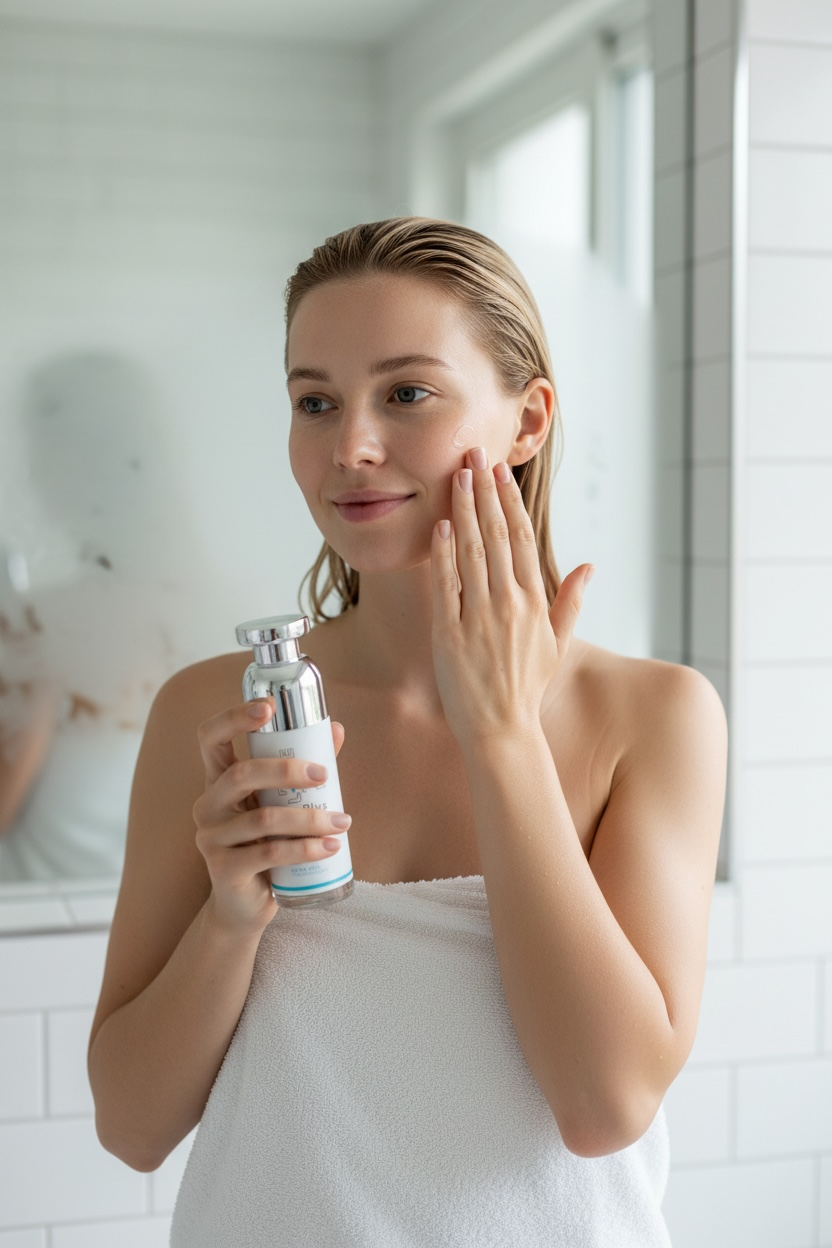
Hydration is the foundation for healthy, glowing skin. But sometimes, even a solid routine isn’t enough to really make up for what your skin is missing.
That’s where skin flooding comes in, a strategic, science-backed technique designed to maximize hydration by layering products with intent.
What is Skin Flooding?
Skin flooding is a method of deeply hydrating the skin by applying multiple layers of moisture-focused products to clean, slightly damp skin.
Instead of putting moisturizer on dry skin and hoping it’s enough, Skin Flood works by building hydration in layers—allowing each product to enhance the next.
The goal is simple:
draw water into the skin and then seal it.
The result? Skin that looks visibly firmer, smoother and more elastic.
Think of skin flooding as hydration with strategy, not just what you use, but how you use it.
How Skin Flooding works
At the core of skin hydration are humectants – ingredients that attract and bind water to the skin.
Ingredients like hyaluronic acid can hold up to 1,000 times their weight in water. When applied to slightly damp skin, they draw moisture to the outer layers and help keep it there.
Order matters:
Light water-based products deliver hydration first
Richer creams follow to seal it in and support the skin barrier
This layering approach mimics the way healthy skin naturally retains moisture — first absorbing hydration, then protecting it.
The Lifeline® Skincare + ProPlus Skin Flooding routine
To get the most out of skin flooding, using the right products—and applying them in the right order—makes all the difference.
Step 1: Clean
Start with the Brightening Cleanser to gently remove dirt, oil and build-up without stripping your skin.
Step 2: Tone + Prep
Apply the Brightening Toner to slightly damp skin. This step immediately starts hydration and prepares your skin to better absorb what follows.
Step 3: Deep moisturizing layer
Apply ProPlus Advanced Aqueous Treatment while skin is still damp.
This lightweight water-based serum helps attract and lock moisture deep into the skin.
Step 4: Support + Enhance
Layer Collagen Booster or ProPlus Elastin Booster to support the skin’s structure while enhancing its ability to retain moisture.
Step 5: Seal + Repair
Finish with Advanced Recovery Complex to lock in all previous layers and strengthen the skin’s barrier, helping to prevent moisture loss.
Step 6: Eye + Neck (Optional but Recommended)
Extend hydration to sensitive areas with:
Eye tightening complex
Neck tightening complex
These areas often experience dehydration first and benefit from targeted care.
The key to flooding skin is simple: apply from thinnest to thickest and never let your skin dry out completely between steps.
How often should you exfoliate your skin?
Skin Flood is best used as a hydration treatment – not as a daily requirement.
Dry or dehydrated skin: 2-3 times a week
Normal skin: 1-2 times a week
Oily or acne-prone skin: Start once a week and adjust as needed
Think of it as a “rehydration reset” for your skin.
Tips for best results
Apply products to slightly damp skin to maximize hydration
We always layer from the thinnest to the thickest
Avoid strong actives (such as retinoids or acids) during flooding sessions
Allow each layer to absorb slightly to avoid splitting
Focus on consistency over excess. more is not always better
By getting your moisturizer in the right order, you help your skin absorb, retain, and protect moisture more effectively.
Frequently asked questions about skin flooding
What is skin flooding?
Skin flooding is a hydration technique that involves placing moisture-focused skincare products on damp skin to maximize hydration and lock in.
Is skin flooding good for all skin types?
Yes — with adjustments. Dry skin benefits more, while oily or acne-prone skin should use lighter layers and less often to avoid congestion.
Can I do skin flooding every day?
Most people don’t need to. It is most effective as a treatment 1-3 times a week.
Do I need specific products for skin flooding?
You need water-based moisturizers (like hydrating serums) and a moisturizer to seal everything in. Quality and layering matter more than quantity.
Should I apply products to wet or dry skin?
Slightly damp skin is ideal as it allows the moisturizers to absorb more water and improve results.
Can I use retinol or peeling acids while the skin is flooded?
It’s best to avoid them during flood sessions to prevent irritation and keep the focus on hydration and barrier repair.
What results can I expect?
Skin can appear plumper, smoother and brighter instantly, with improved hydration and resilience over time.
