


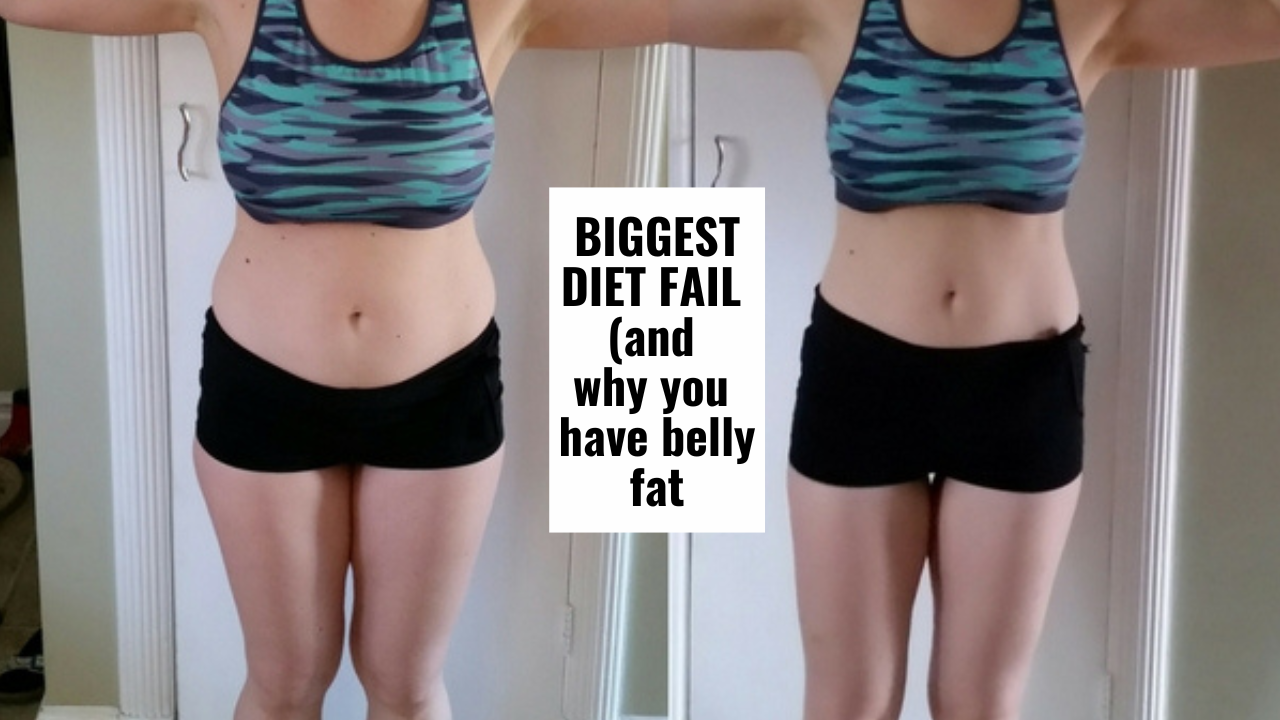
Why is belly fat so stubborn for women — even when you eat well and exercise? Many women tell me the same thing: “I’m doing everything right, but my stomach won’t change.”
The truth is, belly fat isn’t always about food. Hormones, cortisol, poor sleep and insufficient strength training can all play a role. In fact, one of the biggest diet mistakes has nothing to do with what you eat.
Biggest Diet Fail: Lack of sleep
Why belly fat is so stubborn for women
Lack of sleep can sabotage fat loss. When you’re sleep-deprived, your body produces higher levels of cortisol, a stress hormone that encourages your body to store fat — especially around the belly.
Sleep is when your body:
• repairs muscles
• regulates hormones
• balances hunger signals
• supports the metabolism
Without enough sleep, losing fat becomes much more difficult.
This was me when I didn’t get enough sleep
And let’s be honest… a lot of us stay up late:
It feels like ‘my time’. But your body may be paying the price.
Replace with a relaxing bedtime routine.
Turn off electronic devices about 1-2 hours before bed and notice how your health, energy and fat loss can improve.
What happens when you don’t get enough sleep?
Lack of sleep affects much more than energy levels. Research shows that poor sleep can lead to:
• increased cravings for sugar and refined carbohydrates
• poorer decision-making about food
• higher stress hormones (cortisol)
• slower muscle recovery
• increased risk of weight gain and abdominal fat
• higher risk of metabolic conditions such as type 2 diabetes
Think of sleep as one of the most powerful fat loss tools you have.
The 14 Day Sleep and Belly Fat Challenge
If you want to see how sleep affects your body, try this simple challenge. For the next 14 days, track the following in a notebook or on paper:
1️⃣ What time do you go to bed?
2️⃣ What time do you wake up?
3️⃣ What time do you turn off the electronics / TV
Then measure your waist at the start and end of the challenge.
How to measure your waist
- Find the top of your hip bone and the bottom of your ribs.
- Exhale normally.
- Place the tape measure midway between these points, in line with your belly button, and wrap it around your waist loosely enough to fit a finger inside the tape.
- Record your measurement.
What does my reading mean?
Your health is at risk if your waist size is:
| Men: | Over 94 cm (approx. 37 inches)* |
| Women: | Over 80 cm (approx. 31.5 inches)* |
Many people notice less bloating and a reduction in waist size simply from improved sleep and reduced stress.
These numbers are guidelines to help monitor health risk — not something to obsess over.
Source: Heart Foundation
Remember: Fat loss isn’t just about diet
A healthy lifestyle includes:
Ignore one of these pillars and results can stall.
Ready to reset?
If you’re feeling stuck, bloated, or frustrated with your progress, it might be time for a simple reset.
My 10 day reset program helps you:
✔ reduces abdominal bloating
✔ stabilization of blood sugar
✔ improving digestion
✔ restore eating habits
✔ Increase energy
It’s simple, structured and designed for busy women.
You don’t need another extreme diet — you need better habits that support your body.
And if you want easy healthy recipes that support those habits, my book Trina’s Kitchen: Healthy Food Made Easy is filled with gluten-free, mostly plant-based meals that are quick, filling, and family-friendly.
In case you missed it!
The anti diet starts here
Butt & Gut Buster 10 Minute Video Workout
Belly Fat and Sleep: Frequently Asked Questions
Can lack of sleep cause belly fat?
Yes. Lack of sleep increases cortisol, a stress hormone linked to fat storage around the belly. Poor sleep can also increase cravings for sugar and refined carbohydrates.
How many hours of sleep support fat loss?
Most adults need 7-9 hours of quality sleep each night to support hormone balance, muscle recovery and healthy metabolism.
Can improving sleep reduce belly bloat?
Better sleep can help regulate stress hormones, digestion and inflammation, which can reduce bloating and support a healthier waistline.
Originally published November 2017. Updated March 2026 with new research and resources.
xo Trina Medves
