



Your life doesn’t end with retirement. If anything, that’s when you can enjoy it the most, with the right lifestyle. Retirement is a great opportunity to try things you didn’t have time for before. It is the time in life when you consciously build a healthy routine for yourself. For decades, work provided structure and social interaction. These things don’t have to end with retirement. You can make them yourself as a form of therapy.
Free time always sounds exciting. But too much unstructured time can start to feel overwhelming or even boring. Many people feel anxious or isolated during retirement. These changes could lead to mental health problems. While this is normal, there are ways to make it easier for you. The following hobbies help maintain routine, social connection and mobility in everyday life. In many ways, they can be just as effective as therapy.
1. Gardening
Gardening is a great excuse to get some fresh air. Hobbies that get you out of the house are essential after retirement. Sunlight supports vitamin D levels and helps boost mood and immune health. Nature has always been great at reducing stress hormones. Digging in the dirt is more fun than you think and can help set your mood.

Plants need regular and constant care. Checking them daily creates a routine and gives you a daily purpose. Even just watching them grow over time brings satisfaction. Gardening activities such as watering, mowing and planting encourage awareness and help reduce stress. It’s no coincidence that gardening is one of the reasons why 80-year-olds in Japan outlive the rest of us.
2. Walking groups
Walking is often underrated for both its physical and mental benefits. It is a low-impact, safe exercise for people of all ages. Keeping your body active can seem difficult after retirement. It can be very easy to get used to staying in all day. Hiking groups encourage you to exercise and socialize. They create accountability and lead to new friendships.
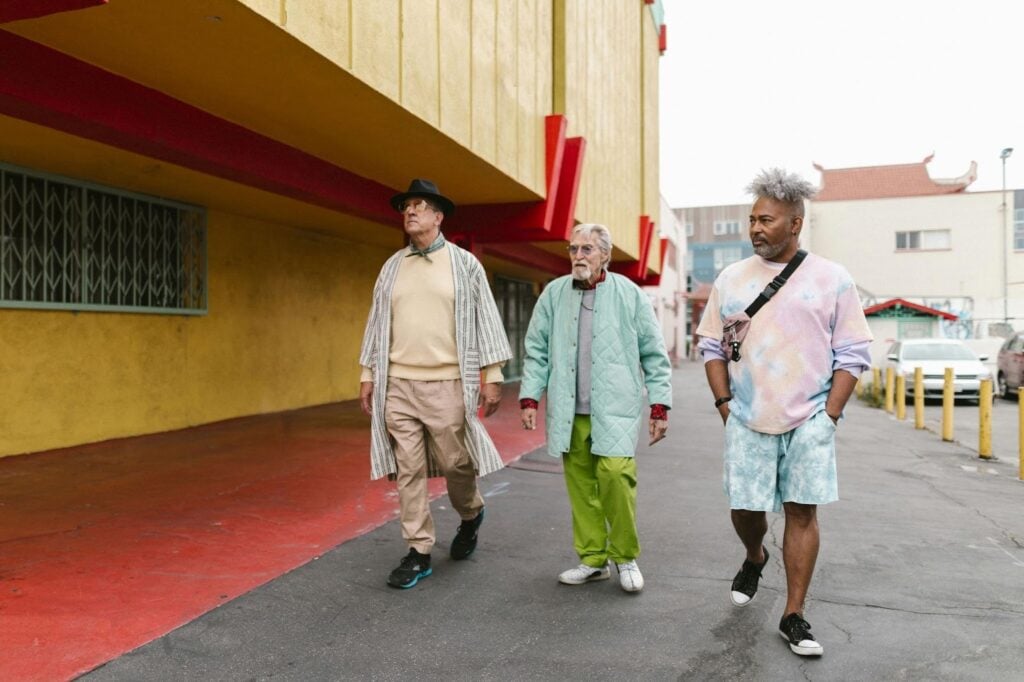
Walking naturally boosts endorphins, which improve mood. Not only is walking great for mental health, it also provides health benefits at any age. Walking reduces joint stiffness and increases blood flow to the brain, which can support memory. If walking groups seem too daunting at first, you can start at home. There are many treadmill workouts that improve heart health.
3. Learn a musical instrument
It’s never too late to learn something new. The goal is not perfection but enjoyment and growth. Learning music challenges the brain. When you learn a new skill, you create new neural pathways in the brain. Brain stimulation protects your cognitive function. Just by learning a new instrument, you will improve your memory.

Playing an instrument also strengthens your fine motor skills. As you try to read music, you will strengthen your focus. Finger movements while playing instruments improve coordination. There are tons of YouTube videos that can help you learn, and in-person lessons can be a great way to find community. There is no better way to feel better than to play good music.
4. Volunteering
One of the biggest problems people face after retirement is a loss of sense of purpose. This loss can end up taking a toll on your mental health. But you can always redefine your purpose by starting a new journey. Many people find fulfillment in volunteering. Helping others creates meaning and direction and is a form of psychotherapy.
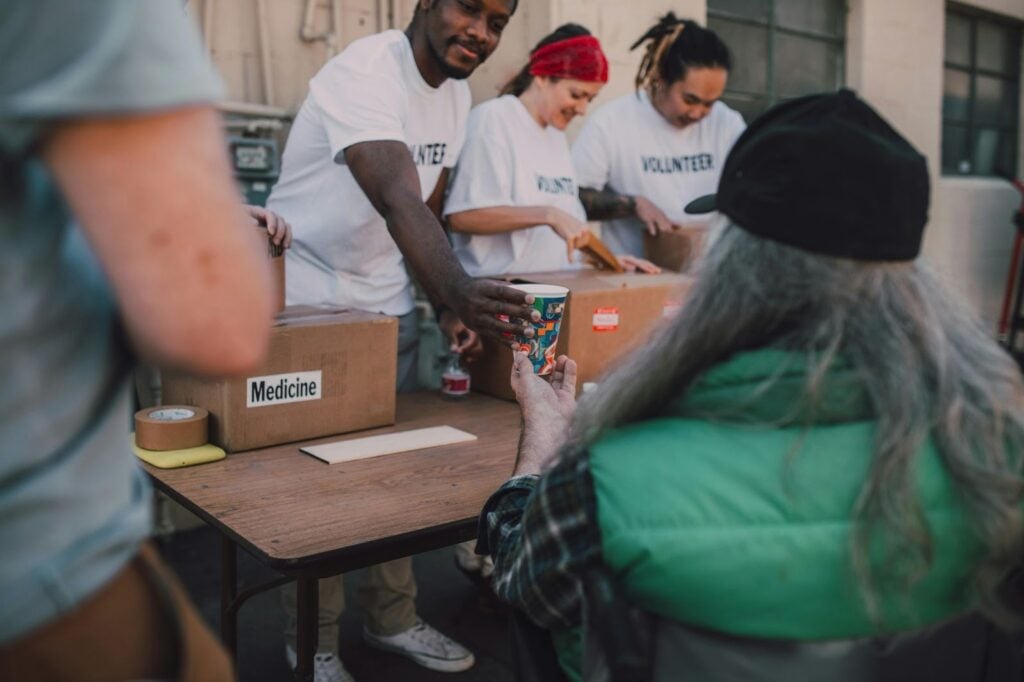
Social volunteering builds community and connection. It boosts self-esteem and reduces loneliness. Staying socially engaged can protect your mental health. Giving back to others can be one of the most powerful ways to feel fulfilled.
5. Yoga
Exercise becomes even more important with age. Joint pain and muscle wasting become more common over time. Just because your body doesn’t have the flexibility it once had, that doesn’t mean you can’t regain it. Yoga includes gentle movements suitable for all ages. These movements increase flexibility and support the health of your joints.

The benefits of yoga go beyond just the physical. Yoga leaves your mind feeling rested, grounded and calm. Starting your day with yoga will make you feel full of energy and joy. It is also great for relaxing the body and improving the quality of your sleep. You don’t even have to get out of bed. there are many gentle bed-based yoga poses for adults.
Final Thoughts
Retirement is just the beginning of a new chapter in your life. This is not about slowing down but about reconnecting with yourself and others. Choosing hobbies that engage your body and mind will do wonders for your physical and mental health—basically free therapy.
These activities can build community, maintain mobility, and protect your cognitive function. Staying active and engaged allows you to enjoy retirement. Continue to challenge yourself and explore new interests.
