


Scientists have long known that people who live at high altitudes, where oxygen levels are low, have lower rates of diabetes than people who live closer to sea level. But the mechanism of this protection remained a mystery.
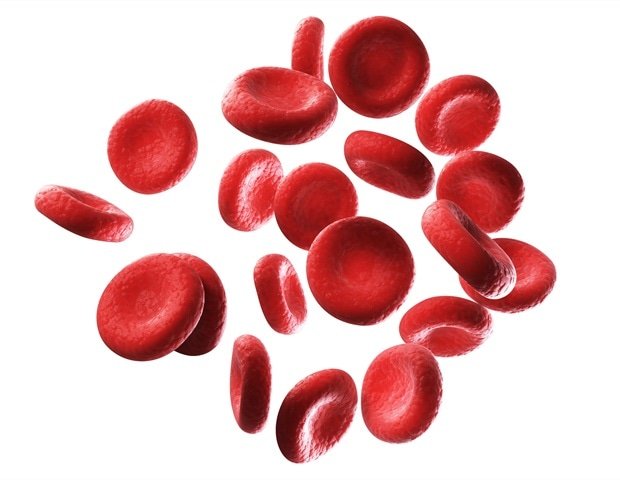
Now, researchers at the Gladstone Institutes have explained the roots of the phenomenon, discovering that red blood cells act as glucose sponges in low-oxygen conditions such as those found on the world’s highest mountain peaks.
In a new study in the journal Cellular Metabolismthe team showed how red blood cells can shift their metabolism to absorb sugar from the bloodstream. At high altitude, this adaptation fuels cells’ ability to more efficiently deliver oxygen to tissues throughout the body, but it also has the beneficial side effect of lowering blood sugar levels.
The findings solve a long-standing puzzle in physiology, says Gladstone researcher Isha Jain, PhD, the study’s senior author.
Red blood cells represent a hidden compartment of glucose metabolism that has not been appreciated until now. This discovery could open up entirely new ways of thinking about blood sugar control.”
Isha Jain, PhD, principal investigator at the Arc Institute and professor of biochemistry, UC San Francisco
The hidden glucose sink
Jain has spent years researching how low blood oxygen levels, called hypoxia, affect health and metabolism. During a previous study, her team noticed that mice breathing low-oxygen air had dramatically lower blood glucose levels than normal. This meant that the animals quickly consumed glucose after eating – a sign of lower diabetes risk. But when the researchers used imaging to track where the glucose was going, the main organs couldn’t account for it.
“When we gave the hypoxic mice sugar, it disappeared from their blood almost immediately,” says Yolanda Martí-Mateos, PhD, a postdoctoral fellow in Jain’s lab and first author of the new study. “We looked at muscle, brain, liver—all the usual suspects—but nothing in those organs could explain what was going on.”
Using another imaging technique, the team revealed that red blood cells were the missing ‘glucose sink’ – a term used to describe anything that pulls and uses a lot of glucose from the bloodstream. Cells, long considered metabolically simple, seemed unlikely candidates.
But further experiments in mice confirmed that red blood cells did indeed absorb glucose. In low-oxygen conditions, the mice not only produced significantly more red blood cells, but each cell took up more glucose than red blood cells produced under normal oxygen.
To understand the molecular mechanisms behind this observation, Jain’s team collaborated with Angelo D’Alessandro, PhD, of the University of Colorado Anschutz Medical Campus, and Allan Doctor, MD, of the University of Maryland. who has long studied the function of red blood cells.
The researchers showed how, in low-oxygen conditions, glucose is used by red blood cells to produce a molecule that helps cells release oxygen to tissues – something that is desperately needed when oxygen is scarce.
“What surprised me the most was the magnitude of the effect,” says D’Alessandro. “Red blood cells are usually thought of as passive oxygen carriers. However, we discovered that they can account for a significant fraction of whole-body glucose consumption, especially in hypoxia.”
A new way to treat diabetes
The scientists went on to show that the benefits of chronic hypoxia persisted for weeks to months after the mice were returned to normal oxygen levels.
They also tested HypoxyStat, a drug recently developed in Jain’s lab to mimic the effects of low-oxygen air. HypoxyStat is a pill that works by making the hemoglobin in red blood cells grip oxygen more tightly, preventing it from reaching the tissues. The drug completely reversed high blood sugar in mouse models of diabetes, working even better than existing drugs.
“This is one of the first uses of HypoxyStat beyond mitochondrial disease,” says Jain. “It opens the door to thinking about treating diabetes in a fundamentally different way—by recruiting red blood cells as glucose drops.”
The findings could be extended beyond diabetes to exercise physiology or pathological hypoxia after traumatic injury, notes D’Alessandro, where trauma remains a leading cause of mortality in younger populations and changes in red blood cell levels and metabolism can affect glucose availability and muscle performance.
“This is just the beginning,” says Jain. “There is still so much to learn about how the whole body adapts to changes in oxygen and how we might harness these mechanisms to treat a range of conditions.”
