


Scientists at the Fred Hatch Cancer Center have reached a critical milestone in blocking the Epstein Barr virus (EBV), a pathogen that infects an estimated 95% of the world’s population and is linked to many types of cancer, neurodegenerative diseases and other chronic conditions.
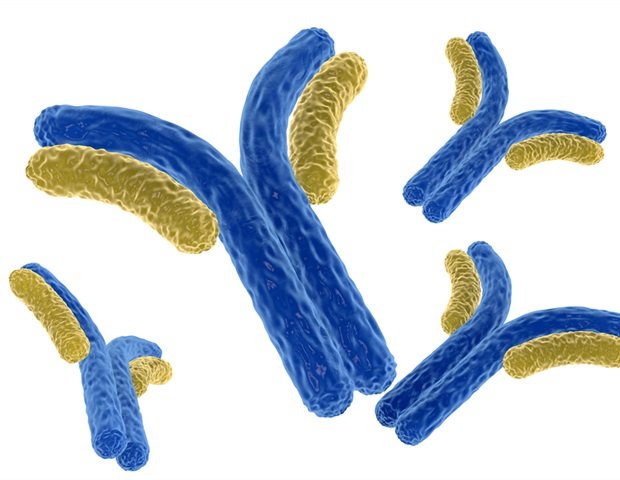
Using mice with human antibody genes, the research team developed new genetic human monoclonal antibodies that prevent two key antigens on the surface of the virus from binding to and entering human immune system cells. Posted on Cell Reports Medicinethe study highlights one of the newly identified monoclonal antibodies that successfully blocked infection in mice with human immune systems when challenged with EBV.
Finding human antibodies that prevent Epstein Barr virus from infecting our immune cells is particularly difficult because, unlike other viruses, EBV finds a way to bind to almost every one of our B cells. We decided to use new technologies to try to fill this knowledge gap and ended up taking a critical step towards blocking one of the world’s most common viruses.”
Andrew McGuire, PhD, biochemist and cell biologist in the Division of Vaccines and Infectious Diseases at Fred Hutch
A new scientific approach provides answers to a puzzling challenge
A key challenge in the study was to find human monoclonal antibodies that could successfully stop EBV infection without triggering an anti-drug response to the antibodies themselves, a common response among patients treated with antibodies raised in other animals. The researchers targeted two antigens, gp350, which helps EBV bind to cell receptors, and gp42, which allows EBV to enter and infect human cells through a process called fusion. Using a novel mouse model carrying human antibody genes, the effort yielded two monoclonal antibodies against gp350 and eight against gp42.
“Not only did we identify important antibodies against Epstein Barr virus, but we also validated an innovative new approach to discover protective antibodies against other pathogens,” noted Crystal Chhan, a pathobiology postdoctoral fellow in the McGuire Lab. “As an early career scientist, it was an exciting find and helped me appreciate how science often leads to unexpected discoveries.”
With the help of Fred Hutch’s Antibody Tech Core, further analysis found vulnerabilities that could be useful in future vaccine development. In the final step of the study, the research team discovered that one of the monoclonal antibodies against gp42 successfully prevented EBV infection. Another anti-gp350 monoclonal antibody provided partial protection.
Hope for patients at highest risk of Epstein Barr virus
More than 128,000 people in the US receive solid organ and bone marrow transplants annually. However, there are no specific treatments to prevent EBV infection or reactivation in patients undergoing immunosuppression for transplant procedures. Post-transplant lymphoproliferative disorders (PTLD) is an aggressive and sometimes life-threatening lymphoma that can develop after immunosuppression and is most often caused by uncontrolled EBV infection.
“Posttransplant lymphoproliferative disorders (PTLD), most of which are EBV-related lymphomas, are a common cause of morbidity and mortality after organ transplantation,” noted Rachel Bender Ignacio, MD, MPH, associate professor and infectious disease specialist at Fred Hutch School of Medicine and University of Washington. “Prevention of EBV viremia has strong potential to reduce the incidence of PTLD and limit the need for tapering immunosuppression, thereby helping to preserve graft function while improving overall patient outcomes. Effective prevention of EBV viremia remains an important unmet need in transplant medicine.”
Transplant recipients can develop infection if their donor was exposed to EBV and latent virus is transmitted through the donor’s cells, or for transplant patients who already have EBV infection, immunosuppression can cause the latent virus in their body to replicate out of control. Children undergoing immunosuppression for transplantation could particularly benefit from a specific treatment to prevent EBV, as a higher proportion of children have not yet been exposed to EBV.
The next mile
Scientists envision a future treatment in which an infusion of these monoclonal antibodies could prevent PTLD by inhibiting EBV infection and activation in patient populations at highest risk of EBV-related complications.
Fred Hutch has applied for intellectual property rights covering the monoclonal antibodies identified in the study, and McGuire and Chhan are working with scientific collaborators and an industrial partner to advance a potential treatment for immunocompromised patients. A potential treatment could be tested for safety in healthy adult volunteers and, if acceptable, proceed to clinical trials in the relevant patient population.
“There is momentum to advance our discovery into a treatment that would make a huge difference for transplant patients,” said McGuire. “After many years of searching for a viable way to protect against Epstein Barr virus, this is an important step for the scientific community and the people who are at the highest risk of complications from this virus.”
