


P90X Factor stands out because it is not based on one method, but on three complementary pillars that work together to reshape the body and elevate performance. Combining metabolic conditioning, athletic movement training, and intentional recovery, the system simultaneously challenges multiple physiological systems while preventing plateaus and burnout. This synergy is what makes the program so effective and sustainable. In this article, we break down Pillar 2 to explore its specific purpose, the science behind it, and how it improves overall outcomes.
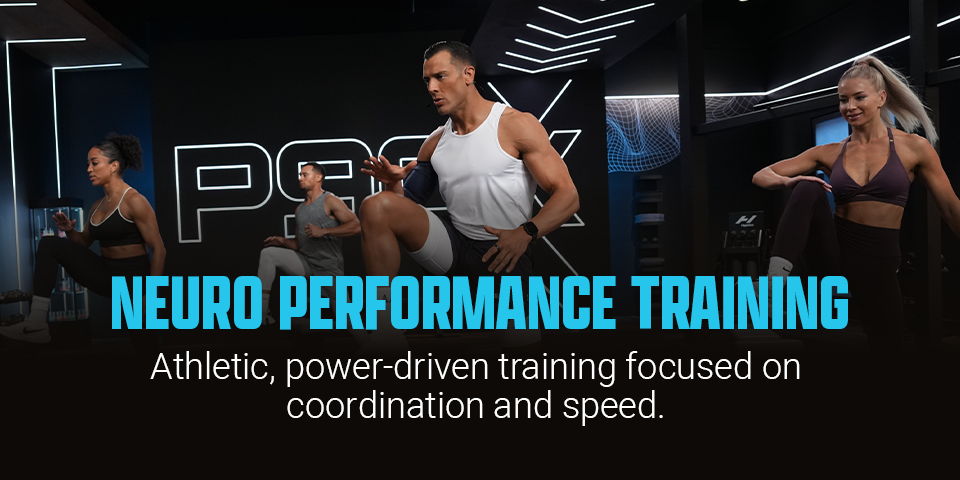
Neural Performance Training (NPT) it is the engine of the brain and the movement behind Next Generation P90X. Instead of just training the muscles, NPT trains them brain and body as a single performance systemimproving coordination, reaction time, balance, movement precision and mental focus.
This pillar is designed for improvement how are you movingnot just how hard you train, leading to better performance, fewer injuries and more effective training throughout the program.
The focus: Sharper movement, faster reactions, smarter training
The NPT gives priority motor control, agility, balance, timing and cognitive engagement to increase athletic performance and movement quality. These workouts help participants:
- Move more efficiently and with better control
- React faster and improve coordination
- Enhance balance, stability and body awareness
- Increase focus and mental engagement during training
- Reduce movement compensations that can lead to injury
Research shows that Neuromuscular and motor control training improves movement efficiency and reduces the risk of injuryespecially when combined with athletic and functional movement patterns (Behm and Colado, 2012; Myer et al., 2006).
The Science: Strengthening the Brain-Body Connection
Movement starts in the brain. The NPT applies principles from motor learning, neuromuscular training and cognitive performance science to improve the way the nervous system activates and coordinates the muscles.
Studies by Wulf and Lewthwaite (2016) show that improved attentional focus and motor learning strategies enhance movement accuracy, retention, and performance. Research by Zatsiorsky and Prilutsky (2012) further highlights that coordinated muscle activation leads to more efficient force production and better movement execution.
By training rhythm, timing, coordination and spatial awareness, NPT creates faster, more accurate and more powerful movement patterns which translate into improved speed, strength and agility.
Why it works: Better control, better performance, fewer injuries
NPT enhances performance through key neurological and biomechanical improvements such as:
- Enhanced proprioception to improve joint awareness
- Improved recruitment of motor units for stronger muscle activation
- Faster neural processing for faster reactions
- Better sequencing for more power and control
Research by Myer, Ford, and Hewett (2005, 2006) shows that neuromuscular training improves landing mechanics, balance and coordination while reducing the risk of injury. Gruber and Gollhofer (2004) also found that neural adaptations play an important role in early increases in strength and performance.
The result: higher quality reps, stronger power output, better confidence and safer movement.
NPT Workouts in P90X Generation Next
Neuro-Performance Training comes to life through targeted performance workouts, including:
- Acceleration/Deceleration — Improve speed control, braking power and drive performance
- Speed and agility — Increase speed, footwork and reaction time
- Cardio Boxing — Improve coordination, timing, pace and conditioning
- Plyometrics — Develop explosive strength, flexibility and athletic performance
These workouts sharpen coordination, build athleticism, and foster smarter movements under tension.
The bottom line: Smarter movement leads to better results
Neuro-Performance Training helps you move more precisely, react faster, train more efficiently and reduce the risk of injury. By strengthening the brain-body connection, the NPT is elevated performance, confidence, training quality and long-term progress.
This is not just muscle training.
This is human performance training.
