

Close Menu
Healthtost
  • News
  • Mental Health
  • Men’s Health
  • Women’s Health
  • Skin Care
  • Sexual Health
  • Pregnancy
  • Nutrition
  • Fitness
  • Recommended Essentials
What's Hot

Preoperative factors predict persistent opioid use after surgery

February 6, 2026

Air conditioning in nursing homes reduces heat-related risk

February 6, 2026

5 Expert-Backed Tips on How to Reduce Forehead Wrinkles

February 6, 2026
Facebook X (Twitter) Instagram
  • About Us
  • Contact Us
  • Privacy Policy
  • Terms and Conditions
  • Disclaimer
Facebook X (Twitter) Instagram
Healthtost
SUBSCRIBE
  • News

    Preoperative factors predict persistent opioid use after surgery

    February 6, 2026

    AI-enabled stethoscope doubles detection of valvular heart disease

    February 5, 2026

    Gut microbial butyrate enhances mucosal vaccine antibody responses

    February 5, 2026

    Study identifies brain region that leads to visual learning

    February 4, 2026

    Unusual i-DNA structure that appears to regulate genes and cancer

    February 4, 2026
  • Mental Health

    Mental Health in the Black Community: Addressing…

    February 3, 2026

    Some people gain confidence when they think things through, others lose it – new research

    February 2, 2026

    3 practical ways to improve a writer’s mental health

    January 31, 2026

    Your phone is not a weakness. It’s a distraction machine. Here’s how to regain your focus.

    January 25, 2026

    Find out how you can support people with eating and substance use disorders

    January 24, 2026
  • Men’s Health

    Air conditioning in nursing homes reduces heat-related risk

    February 6, 2026

    Analysis: What it’s like to have non-verbal autism and what helped me

    February 5, 2026

    Testicular cancer self-examination and why it could save your life

    February 2, 2026

    25-Minute Bodyweight Functional Training Program for Beginners

    February 1, 2026

    Turning everyday eggs into powerful nutrient delivery systems

    January 30, 2026
  • Women’s Health

    Enjoying Endorphins: How to Spoil Your Mood with Feel-Good Hormones

    February 5, 2026

    A critical maternal health data system is at risk

    February 5, 2026

    Prenatal care in 2026: New recommendations for healthy pregnancy

    February 1, 2026

    3 Teens Quit Social Media for a Week — and Loved It

    February 1, 2026

    Exercises for Prevention, Symptoms & Recovery

    January 31, 2026
  • Skin Care

    5 Expert-Backed Tips on How to Reduce Forehead Wrinkles

    February 6, 2026

    5 Powerful Skincare Osmolytes (And Why Your Skin Loves Them)

    February 5, 2026

    Tranexamic Acid – Esthetic Approved Ingredient

    February 4, 2026

    Capable of creating warmth for every skin tone

    February 3, 2026

    The Perfect Nighttime Skincare Routine, Edited by About Face Aesthetics

    February 1, 2026
  • Sexual Health

    Adventurous intimacy is more common than you think — Alliance for Sexual Health

    February 5, 2026

    A guide to a comfortable cervical check with Dr. Unsworth

    February 1, 2026

    How “Bridgerton” and the Other Romances Evolved in Their Depictions of Consent

    January 30, 2026

    Extraction, gold mining and SRHR in Kenya

    January 29, 2026

    How the Wabi-Sabi Body Frame is Rewriting Body Image Therapy — Sexual Health Alliance

    January 28, 2026
  • Pregnancy

    The second trimester sweet spot is real. Here’s how to get the most out of it

    February 4, 2026

    Is it safe to drink milk during pregnancy? What to know

    January 31, 2026

    12 Expert Answers to Your Pregnancy Yoga Questions

    January 29, 2026

    Best Pregnancy and Postpartum Fitness Course 2026

    January 27, 2026

    The best baby travel products for visiting family

    January 26, 2026
  • Nutrition

    5 Ways You’re Sabotaging Your Metabolism

    February 2, 2026

    How to Save Money on Travel • Kath Eats

    February 1, 2026

    How low can LDL cholesterol go on PCSK9 inhibitors?

    January 31, 2026

    Signs that your body is ready to reset

    January 31, 2026

    Healthy Pakistani Recipes: Low-Oil Versions of Beloved Classics

    January 30, 2026
  • Fitness

    What’s NEW in February 2026 for the BODi Community of Experience!

    February 5, 2026

    AI As a Learning Coach – BionicOldGuy

    February 5, 2026

    Can your customers actually do what you want them to do? – Tony Gentilcore

    February 2, 2026

    7 Essential Mental Health Tips for Healthy Aging

    February 2, 2026

    Beginner-friendly menopause workouts to build strength

    February 1, 2026
  • Recommended Essentials
Healthtost
Home»Men's Health»Air conditioning in nursing homes reduces heat-related risk
Men's Health

Air conditioning in nursing homes reduces heat-related risk

healthtostBy healthtostFebruary 6, 2026No Comments6 Mins Read
Facebook Twitter Pinterest LinkedIn Tumblr Reddit WhatsApp Email
Air Conditioning In Nursing Homes Reduces Heat Related Risk
Share
Facebook Twitter LinkedIn Pinterest WhatsApp Email

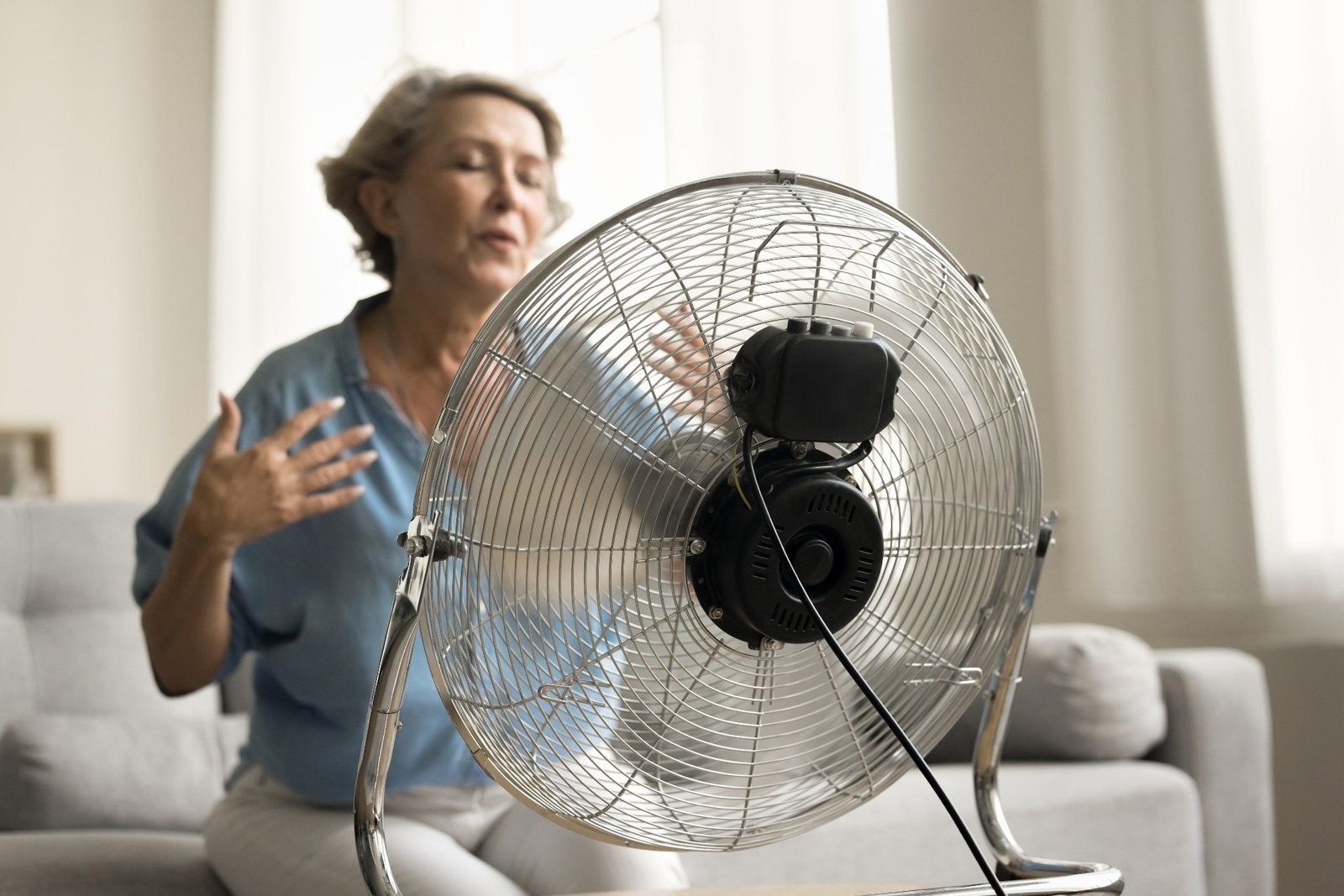
As heat waves intensify, new data from Ontario shows that room air conditioning can mean the difference between life and death for nursing home residents.

Study: Air conditioning in nursing homes and mortality in extreme heat. Image credit: fizkes/Shutterstock.com

A recent study in JAMA Internal Medicine examined mortality rates during extremely hot days in air-conditioned Ontario nursing homes (AC) compared to those without ACfocusing on institutional long-term care settings.

A growing crisis for the elderly

The elderly are more vulnerable to heat waves than the young. Heat-related deaths among the elderly will reach unprecedented levels in 2023, increasing by 167% globally since the 1990s. This vulnerability stems from many factors, including limited mobility, an aging body that regulates temperature less effectively, common medications that affect the heat response, and social isolation that exacerbate the risks.

A recent study has documented a global intensity of extreme heat. For example, heat waves in US have nearly doubled since the 1980s, highlighting a bleak future for the elderly. While air conditioning offers proven protection against heat-related illnesses, more than 35 million Americans lack it at home.

Given the health risks of extreme heat, not many studies have evaluated its importance AC in nursing homes, where the majority of residents face limited mobility, multiple chronic conditions, numerous medications, and cognitive decline.

The regulatory landscape reveals worrying gaps. At USfederal regulations require nursing homes originally certified after October 1, 1990, to maintain indoor temperatures within a specified range, but do not specifically mandate air conditioning, and nearly half of the facilities were certified before that date. Before 2020, similar conditions prevailed in Ontario, with more than half of the province’s 600-plus nursing homes, housing more than 76,000 residents, without air conditioning in residents’ rooms.

Before the order, houses without AC they had to provide designated cooling areas rather than room-level climate control. However, following her COVID 19 pandemic, Ontario announced a requirement for air conditioning in all residential rooms in July 2020, which took effect in June 2022, with compliance reaching 99.5% of facilities by May 2023 at a cost of approx. VILLAIN 200 million

Heat-related deaths with and without AC in nursing homes

The current study examines whether AC is associated with lower mortality among nursing home residents during extreme heat, comparing mortality rates on extreme heat days in facilities with and without room air conditioning control. A case-crossover analysis was conducted in 615 Ontario nursing homes between 2010 and 2023 during the warm months (June–September), comparing the risk of mortality on extreme heat days in facilities with and without AC.

Extreme heat days were defined as those above the 90th heat index percentile for each facility location. Temperature and humidity data were collected from the North American Land Data Assimilation System. The current study included all Ontario nursing home residents who died between June and September in 2010-2023. The self-controlled design eliminated time-invariant confounders, such as sex, race, or location, that remained constant between the dates of death and the corresponding control days set 14 days earlier.

For residents who died within 14 days of hospital admission, the date of admission was used as the incident day. Deaths occurring 14 or more days after admission were excluded. Eligible residents must have resided in the same facility for at least 28 consecutive days prior to death. The current study examined the effect of heat waves on mortality, with or without ACat three lag periods to capture acute and prolonged heat effects: lag 0–1 (date of death plus 1 day before), lag 0–3, and lag 0–6.

AC installation is associated with fewer deaths during heat waves

The study analyzed 73,578 nursing home deaths in Ontario that occurred between June and September from 2010 to 2023. About 68% of residents were 85 years or older, female (65%) and living with dementia (70%). The analysis included 40,255 deaths in facilities with air conditioning and 33,323 in facilities without it. Resident characteristics were similar in both facility types.

When Ontario announced it AC requirement in July 2020, 55% of nursing homes did not have air conditioning. Facilities without AC tended to be speculative, larger, smaller and more crowded than those with ACand were more often found in higher income communities. During the study period, nursing homes experienced an average of 14 extreme heat days per year, with heat index temperatures averaging 34.2°C on those days compared to 26.2°C on all summer days.

Extreme heat significantly increased the risk of mortality in nursing homes without AC but not in facilities with AC. About 13.8% of resident deaths occurred on extremely hot days in nursing homes without AC compared to 12.1 % in homes with AC. This association was strongest during the first three days after heat exposure. The effect of air conditioning was generally consistent across most subgroups of residents, including those under 80 and over 90, men, residents with heart disease, and those in low- and high-income areas, although some subgroup estimates were imprecise and not statistically significant.

The current study estimated that of Ontario AC The mandate was associated with about 33 fewer deaths on extreme heat days from 2020 to 2023, or about 10 deaths per year. Modeling suggested that if the mandate had been implemented in 2010, it could have prevented 131 deaths over that decade, or about 13 deaths per year, assuming similar patterns of heat exposure and facility characteristics.

conclusions

The current study highlighted that air conditioning is associated with lower mortality in nursing homes during extreme heat, but does not completely eliminate heat-related risk. Facilities without AC had higher mortality on extremely hot days, with the Ontario mandate linked to about 10 fewer deaths per year.

As heat waves intensify globally, these findings have urgent policy implications. Universal air conditioning mandates should be extended beyond nursing homes to all congregate care facilities that house vulnerable populations, including assisted living facilities, group homes, prisons, and psychiatric institutions, while recognizing that these findings are specific to institutional care settings.

As summers grow hotter, protecting vulnerable residents in institutional settings represents both a public health imperative and a fundamental measure of how societies care for their most at-risk members.

Download your PDF copy now!

Air conditioning heatrelated Homes Nursing reduces risk
bhanuprakash.cg
healthtost
  • Website

Related Posts

Analysis: What it’s like to have non-verbal autism and what helped me

February 5, 2026

A critical maternal health data system is at risk

February 5, 2026

Testicular cancer self-examination and why it could save your life

February 2, 2026

Leave A Reply Cancel Reply

Don't Miss
News

Preoperative factors predict persistent opioid use after surgery

By healthtostFebruary 6, 20260

For many Americans, a routine surgical procedure serves as their first introduction to opioid pain…

Air conditioning in nursing homes reduces heat-related risk

February 6, 2026

5 Expert-Backed Tips on How to Reduce Forehead Wrinkles

February 6, 2026

What’s NEW in February 2026 for the BODi Community of Experience!

February 5, 2026
Stay In Touch
  • Facebook
  • Twitter
  • Pinterest
  • Instagram
  • YouTube
  • Vimeo
TAGS
Baby benefits body brain cancer care Day Diet disease exercise finds Fitness food Guide health healthy heart Improve Life Loss Men mental Natural Nutrition Patients People Pregnancy protein research reveals risk routine sex sexual Skin study Therapy Tips Top Training Treatment ways weight women Workout
About Us
About Us

Welcome to HealthTost, your trusted source for breaking health news, expert insights, and wellness inspiration. At HealthTost, we are committed to delivering accurate, timely, and empowering information to help you make informed decisions about your health and well-being.

Latest Articles

Preoperative factors predict persistent opioid use after surgery

February 6, 2026

Air conditioning in nursing homes reduces heat-related risk

February 6, 2026

5 Expert-Backed Tips on How to Reduce Forehead Wrinkles

February 6, 2026
New Comments
    Facebook X (Twitter) Instagram Pinterest
    • About Us
    • Contact Us
    • Privacy Policy
    • Terms and Conditions
    • Disclaimer
    © 2026 HealthTost. All Rights Reserved.

    Type above and press Enter to search. Press Esc to cancel.