Close Menu
Healthtost
  • News
  • Mental Health
  • Men’s Health
  • Women’s Health
  • Skin Care
  • Sexual Health
  • Pregnancy
  • Nutrition
  • Fitness
  • Recommended Essentials
What's Hot

Adding Meditation to Daily Life

February 24, 2026

SwRI promotes safer production of antidote nerve agents

February 24, 2026

Forgiveness isn’t always easy, but studies show it can help you flourish

February 24, 2026
Facebook X (Twitter) Instagram
  • About Us
  • Contact Us
  • Privacy Policy
  • Terms and Conditions
  • Disclaimer
Facebook X (Twitter) Instagram
Healthtost
SUBSCRIBE
  • News

    SwRI promotes safer production of antidote nerve agents

    February 24, 2026

    Engineers develop high-precision gene editor for safer cystic fibrosis treatments

    February 23, 2026

    Researchers show that red blood cells increase glucose tolerance at high altitude

    February 23, 2026

    Colorful electron microscopy reveals proteins and cellular architecture at nanoscale resolution

    February 22, 2026

    Smarter timing of cancer treatments could improve cure rates, study suggests

    February 22, 2026
  • Mental Health

    Forgiveness isn’t always easy, but studies show it can help you flourish

    February 24, 2026

    50 Inspirational Ways to Navigate Your Life by Susie Hall

    February 22, 2026

    What is medication therapy?

    February 17, 2026

    Why do I have “butterflies in my stomach”?

    February 15, 2026

    Bipolar Disorder: Why It Happens (and How to Snap It Off)

    February 12, 2026
  • Men’s Health

    The risk of death due to pregnancy is greatly underestimated

    February 24, 2026

    Can mobile apps change the way we eat?

    February 18, 2026

    Tiny particles, big impact: Toward less invasive brain stimulation

    February 18, 2026

    How to sauna: All frequently asked questions

    February 17, 2026

    The power of sprint-based exercise

    February 12, 2026
  • Women’s Health

    Which SPF 50 formula is for you?

    February 23, 2026

    Take the step to enhance your recovery with contrast therapy

    February 22, 2026

    Who can be called a “professional”? Student Loan Policy and the Future of Black Women in Nursing

    February 21, 2026

    Don’t Get Caught in a ‘Web’ of Misinformation – Dos and Don’ts of Doing Your Diagnostic Research Online

    February 21, 2026

    From knee surgery to the ski slopes: How Ann got her life back

    February 19, 2026
  • Skin Care

    Say goodbye to Frizz with Banana & Repair Ran – The Natural Wash

    February 23, 2026

    Tropic Ambassadors | Susie Ma

    February 23, 2026

    5 daily habits that can age your skin

    February 22, 2026

    LED light therapy for acne at home: what the evidence supports (and what it doesn’t)

    February 22, 2026

    Why Melanin-rich skin loses its firmness and how to restore it – MYXCAPE

    February 21, 2026
  • Sexual Health

    Jesse Jackson opened the doors for black women in politics

    February 22, 2026

    Female Genital Mutilation in Africa: Politics of Criminalization

    February 21, 2026

    The alarming rise in bowel cancer rates in young people

    February 21, 2026

    Lessons from retail expert Nicole Leinbach Hoffman — Sexual Health Alliance

    February 20, 2026

    ACS publishes new guidelines for cervical cancer screening

    February 17, 2026
  • Pregnancy

    Labor and Delivery Schedule: Dreading Birth?

    February 23, 2026

    Why Chromosomally Normal Embryos Still Fail to Implant: New IVF Research Explains

    February 21, 2026

    Can cesarean mothers get cord blood? What to know

    February 19, 2026

    Labor & Pregnancy? the untold truths of labor during pregnancy

    February 17, 2026

    Why investing in one step can save your pelvic floor

    February 16, 2026
  • Nutrition

    Top nutrients and vitamins for skin health (supported by nutrition)

    February 23, 2026

    5 Walking Routines to Lose Body Fat and Burn More Calories

    February 22, 2026

    How to hydrate skin overnight • Kath Eats

    February 22, 2026

    Extremity weight loss devices

    February 21, 2026

    The benefits of raw cocoa

    February 20, 2026
  • Fitness

    Adding Meditation to Daily Life

    February 24, 2026

    Alistair Black’s WWE Workout: The Martial Arts & Powerlifting Plan That’s Keeping Him Strong at 40

    February 23, 2026

    Program Design – Tony Gentilcore

    February 20, 2026

    20 Useful Health Hacks That Work in 2026

    February 20, 2026

    7 Gentle Yoga Poses in Bed for Adults Over 50

    February 19, 2026
  • Recommended Essentials
Healthtost
Home»Women's Health»The silent health race that women face
Women's Health

The silent health race that women face

healthtostBy healthtostAugust 25, 2025No Comments5 Mins Read
Facebook Twitter Pinterest LinkedIn Tumblr Reddit WhatsApp Email
The Silent Health Race That Women Face
Share
Facebook Twitter LinkedIn Pinterest WhatsApp Email

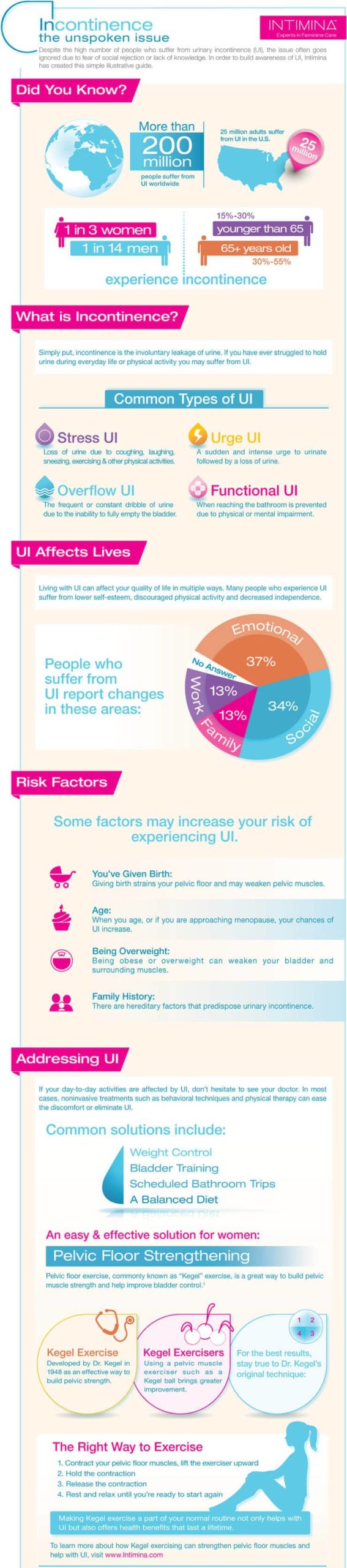
Urine incontinence is an extremely common problem that affects more than 200 million people all over the world. On average, one in three women and one in fourteen men will experience urinary incontinence at some point in their lives. 15-30% of the patients are under 65 years of age and 30-55% of the sufferers are over 65 years.

Despite its dominance, urine incontinence still holds a shameful mark for many people. Understanding how common this situation is, the risk factors behind it and what you can do to deal with it is the first step towards sending such a common situation and reducing unnecessary discomfort and shame.

What is incontinence?

Urinary incontinenceor UI, refers to the loss of bladder control. The severity of this situation varies widely, from a slight leak when you laugh or sneeze too hard to be completely unable to check when and where you urinate. There are several types of urinary incontinence that we have mentioned below in order of seriousness.

1. Anxiety incontinence

The urine is occasionally leaking when suddenly, heavy pressure is exerted on your bladder. This can happen when they laugh extremely hard, coughing, performing some exercises or lifting a heavy object.

2. This is incontinence

An intense, sudden push to urinate, accompanied by an inadvertent urine release. You can urinate excessively, including the night and when you sleep. This type of incontinence may be the result of a secondary condition such as a bladder infection or a more serious condition such as diabetes or a neurological problem.

3. Functional incontinence

A mental or bodily harm prevents you from being able to reach the toilet in time to relieve yourself. If you have serious arthritis, for example, you may not be able to remove your pants quickly.

4. Mixed incontinence

A combination of different types of urinary incontinence. The most common type of mixed incontinence is stress and incontinence.

5. Incontinence of overflow

Your bladder does not completely empty, causing you to experience frequent or steady urine dribbles.

Although the UI is more widespread in aging populations, it is not something that is experiencing every aging. If you think the UI affects the way you go for your life, it is important to have the problem with your doctor as soon as possible. Often, basic changes in diet and lifestyle or simple medical intervention can relieve these symptoms.

Risk factors for incontinence

Genus

Women are much more likely to have incontinence of stress due to their anatomical makeup and life events, such as menopause, pregnancy and childbirth. However, men can also experience incontinence for various reasons, such as prostate problems.

You have been born

Postpartum incontinence (sui) affects around 33% of women after birth. Pregnancy and childbirth can affect the structure of your pelvic floor so that women who have given birth have a higher risk of pelvic disorders.

Age

As you get older, you lose the tone of the muscles around the bladder and urethra. Age -related changes can reduce the amount of urine it can keep and increase your chances of unintentional urine release.

Being overweight

Holding a significant amount extra weight It increases the pressure on the bladder and the surrounding muscles, to weaken them and allow the urine to leak when there is sudden pressure such as coughing or sneezing.

Family history

Some people may be more genetically predisposed to urinary incontinence. If you have a close member of the family with urinary incontinence – you are especially urged incontinence at a younger age – the likelihood of developing the condition is higher. However, this is just a factor, and only because you have a family member with the situation does not mean that you have to deal with it.

How incontinence can affect your life

Incontinence can take on a heavy natural and emotional tax on the sufferer. It may require constant vigilance and you may need to wear protective underwear or pillows. You may be haunted by the ongoing leakage concern, which may be exhaustive. In addition, incontinence can irritate your skin, as it is constantly exposed to humidity, resulting in infections or rashes and further discomfort if it manages inappropriately.

Incontinence can also have deep emotional effects. We have been raised from childhood to feel ashamed, embarrassed and anxious about incontinence, which can worsen when it appears in social environments. This can force someone to retire from social interaction and avoid spending time with your loved ones because of the fear of the accident.

Treatment of urinary incontinence

It is important to address any concerns about UI or if you think you have UI, with the healthcare provider. Often, they can help you prevent or control the symptoms.

If your urine incontinence is not serious there are enough steps Your health professional may recommend trying and checking your symptoms. Lifestyle changes you can do on your own include:

  • Timing of the amount of liquid you drink
  • Limited alcoholic, carbonated and caffeine drinks
  • Remains naturally active
  • Keeping a healthy weight
  • Avoiding constipation through diet and medication
  • Not smoking
  • Bladder training through urine planning or maintaining a bladder diary
  • Performing pelvic floor muscle exercises regularly
  • Practical methods to suppress your desire to urinate. This is called blasting

Your health professional can also prescribe additional steps to help you with your UI, including:

  • Prescription drugs to relax your bladder
  • Using Botox to relax the bladder and reduce the chances of leakage
  • Using medical devices such as a say or catheter to help with incontinence
  • Establishment agents can be infused near the urine clamp to pick up the area around the urethra and help to close the bladder opening to prevent leakage
  • Electrical stimulation
  • Surgery

Incontinence infographic

Discover how Laselle can help you prevent incontinence.

Face health Race silent women
bhanuprakash.cg
healthtost
  • Website

Related Posts

Top nutrients and vitamins for skin health (supported by nutrition)

February 23, 2026

Which SPF 50 formula is for you?

February 23, 2026

Take the step to enhance your recovery with contrast therapy

February 22, 2026

Leave A Reply Cancel Reply

Don't Miss
Fitness

Adding Meditation to Daily Life

By healthtostFebruary 24, 20260

Basic Takeaways Many clients wonder how to meditate and are looking…

SwRI promotes safer production of antidote nerve agents

February 24, 2026

Forgiveness isn’t always easy, but studies show it can help you flourish

February 24, 2026

The risk of death due to pregnancy is greatly underestimated

February 24, 2026
Stay In Touch
  • Facebook
  • Twitter
  • Pinterest
  • Instagram
  • YouTube
  • Vimeo
TAGS
Baby benefits body brain cancer care Day Diet disease exercise finds Fitness food Guide health healthy heart Improve Life Loss Men mental Natural Nutrition Patients People Pregnancy protein research reveals risk routine sex sexual Skin study Therapy Tips Top Training Treatment ways weight women Workout
About Us
About Us

Welcome to HealthTost, your trusted source for breaking health news, expert insights, and wellness inspiration. At HealthTost, we are committed to delivering accurate, timely, and empowering information to help you make informed decisions about your health and well-being.

Latest Articles

Adding Meditation to Daily Life

February 24, 2026

SwRI promotes safer production of antidote nerve agents

February 24, 2026

Forgiveness isn’t always easy, but studies show it can help you flourish

February 24, 2026
New Comments
    Facebook X (Twitter) Instagram Pinterest
    • About Us
    • Contact Us
    • Privacy Policy
    • Terms and Conditions
    • Disclaimer
    © 2026 HealthTost. All Rights Reserved.

    Type above and press Enter to search. Press Esc to cancel.