



Chemical peels are a versatile skin treatment designed to treat a variety of skin concerns, including acne scars and signs of aging. Using specialized skin exfoliating solutions, these procedures promote rejuvenation and healthier-looking skin. With different depths and formulations available, chemical peels can be tailored to individual needs, making them a popular choice for those looking for professional-grade results. Read on for a look into the depths of chemical peels and their benefits.
What are chemical peels?
Chemical peels are professional skin treatments that use chemical solutions to exfoliate and improve skin texture. These treatments range from light to deep, depending on the intensity required for a patient’s unique concerns. The solution removes damaged layers of skin, encouraging the appearance of new, healthier skin. Peeling can treat hyperpigmentation, fine lines and acne scars. The result is revitalized, glowing skin that looks and feels rejuvenated.
How do chemical peels work?
Chemical peels work by applying a chemical solution to the skin, causing the top layer to peel off and eventually peel off. This process stimulates the body’s natural healing mechanisms, promoting collagen production and encouraging skin regeneration. The type of chemical used varies depending on the desired depth of peel. As the old skin falls off, new skin cells grow, leading to an improvement in skin tone and texture. The result is smoother, brighter skin that looks visibly healthier and younger.
Different types of chemical peels
There are three main types of chemical peels: superficial, medium and deep. Superficial peels use mild acids, such as glycolic acid, to target the outer layer of skin. Medium peels penetrate deeper, often using trichloroacetic acid (TCA), to treat spots and wrinkles. Deep peels use stronger acids, such as phenol, for more dramatic results. Each type of peel offers unique benefits depending on individual needs and goals. Consulting with a skin care professional ensures that you choose the right peel for your concerns.
Benefits of a light chemical peel
Light chemical peels are ideal for addressing minor skin imperfections such as dullness and uneven texture. They are often referred to as “midday peels” because of their quick recovery time. These peels gently exfoliate the outer layer, revealing fresher skin underneath. They are ideal for maintaining healthy skin and achieving a radiant glow. Regular light exfoliation can also boost the effectiveness of your daily skincare routine by improving product absorption.
Moderate chemical peel for deeper results
Medium-depth peels are designed to address more stubborn skin concerns, including moderate wrinkles, pigmentation and acne scars. These peels penetrate deeper into the dermis, providing more noticeable results. While recovery time is longer than with superficial peels, the results are often worth the wait. Medium peels are a popular choice for clients looking to effectively address signs of aging or sun damage.
The power of deep chemical peeling
Deep chemical peels are the most intensive option, targeting serious skin problems such as deep wrinkles, significant scarring and severe sun damage. These peels provide dramatic results, often rejuvenating the skin significantly. However, they require a longer recovery period and should only be performed by experienced professionals. The transformative results of deep peels can last for years, making them a worthwhile investment for those looking for significant skin improvements.
What to expect during a chemical peel
The chemical peel process begins with a consultation to determine the best treatment for your skin type and concerns. During the procedure, the skin is cleaned and the chemical solution is applied for a set duration. Patients may feel mild tingling or warmth. After the solution is removed, post-procedure care instructions are provided to ensure optimal healing. Depending on the depth of the peel, recovery times vary, but the end results are smoother, rejuvenated skin.
Common misconceptions about chemical peels
Many people think that chemical peels are harsh and dangerous, but this is far from the truth. When performed by trained professionals, peeling is a safe and effective way to treat skin problems. Plus, contrary to popular belief, chemical peels aren’t just for aging skin. Educating yourself about the process helps dispel these myths, making it easier to embrace the benefits of chemical peels.
Who Can Benefit From Chemical Peels?
Chemical peels are suitable for people who want to improve skin tone, texture and overall appearance. They address issues like acne scars, fine lines, hyperpigmentation and sun damage. While most skin types can benefit, people with specific conditions, such as cystic acne or eczema, should consult a professional first. Adapting the peeling to the individual needs of the skin ensures safe and effective results.
Preparing for your chemical peel
Proper preparation ensures a successful exfoliation experience. Avoid excessive sun exposure and use sunscreen before your appointment. Stop using exfoliating products or retinoids a few days before the procedure. Following your skin care professional’s pre-treatment instructions will help minimize irritation and maximize results. Preparation plays a key role in ensuring smooth healing and glowing skin after a peel.

Recovery tips after a chemical peel
Post peel care is vital for optimal results. Avoid picking or peeling the skin as it heals naturally. Use gentle cleansers, moisturizers, and sunscreens to protect the new layer of skin. Recovery time varies depending on the depth of the peel, but following your provider’s instructions ensures faster healing and lasting benefits. Proper aftercare keeps your skin healthy and glowing as it regenerates.
Risks and side effects of chemical peels
Although generally safe, chemical peels may cause temporary redness, swelling, or peeling. Deeper peels may involve a longer recovery period. Working with a licensed professional minimizes risks and ensures the procedure is performed safely. Understanding the potential side effects allows you to weigh the benefits against the risks and make an informed decision about continuing treatment.
Combining chemical peels with other treatments
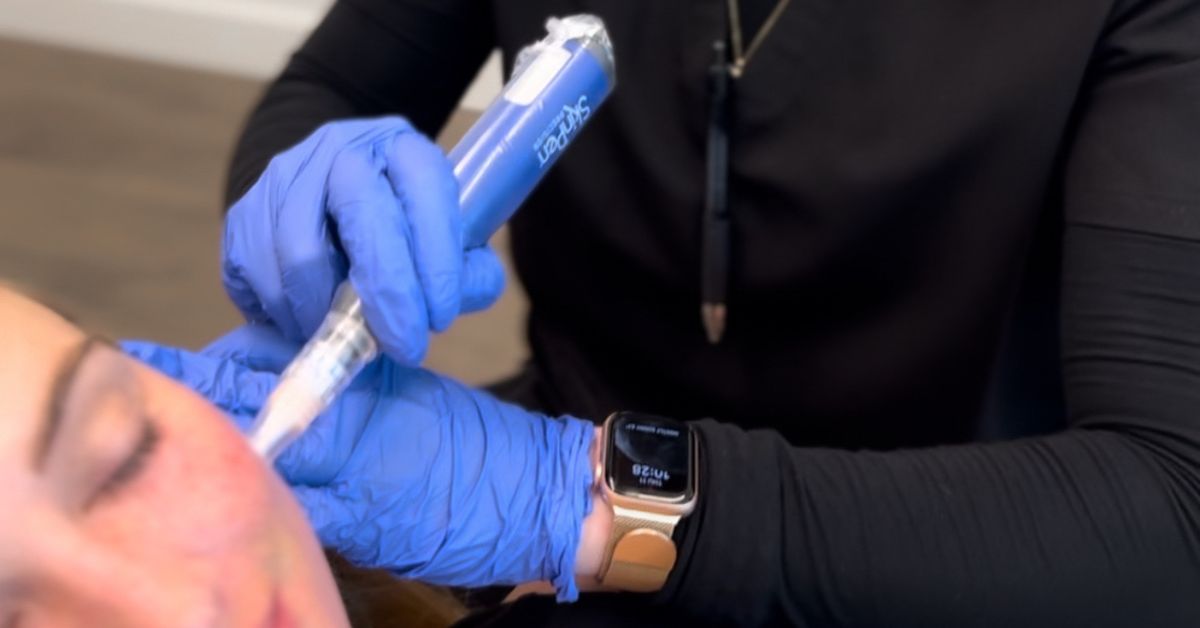
For enhanced results, chemical peels can be combined with other skin treatments, such as microneedling or laser treatment. These complementary services target deeper layers of the skin, enhancing the benefits of peeling. A customized treatment plan ensures that you achieve the best results for your skin concerns. A consultation with a professional helps you explore synergistic options for comprehensive skin rejuvenation.
Maintaining the results of a chemical peel
To prolong the benefits of a chemical peel, maintain a consistent skin care routine. Use products that suit your skin type and concerns, and always apply sunscreen to protect against sun damage. Scheduling regular maintenance peels as recommended by your provider ensures lasting improvements. Continuous care supports the health of your skin and keeps it fresh and glowing.
Why choose professional chemical peel procedures?
Professional chemical peel procedures offer safer, more effective results than over-the-counter options. Licensed providers customize treatments based on your skin type, concerns and goals. They ensure that the process is carried out in a controlled environment, minimizing risks. When considering a peel, choose professional services to achieve the best possible results. For personalized treatments, explore clinics that specialize in chemical peel procedures.
Now that you have this insight into the depths of chemical peels and their benefits, you can make an informed decision about whether they are right for your skin care goals. Whether you’re targeting fine lines, acne scars or general rejuvenation, chemical peels are a versatile and effective option for all skin types.
