

Close Menu
Healthtost
  • News
  • Mental Health
  • Men’s Health
  • Women’s Health
  • Skin Care
  • Sexual Health
  • Pregnancy
  • Nutrition
  • Fitness
  • Recommended Essentials
What's Hot

Is Mom Brain real? – Pink stork

June 7, 2026

latest book review – The Fitnessista

June 6, 2026

Researchers are challenging the traditional understanding of how histone deacetylase inhibitors work

June 6, 2026
Facebook X (Twitter) Instagram
  • About Us
  • Contact Us
  • Privacy Policy
  • Terms and Conditions
  • Disclaimer
Facebook X (Twitter) Instagram
Healthtost
SUBSCRIBE
  • News

    Researchers are challenging the traditional understanding of how histone deacetylase inhibitors work

    June 6, 2026

    Researchers identify hidden histories of self-harm using machine learning

    June 6, 2026

    New AI tool helps clinicians distinguish types of dementia

    June 5, 2026

    Strength training and a combination of cardio work best together

    June 5, 2026

    Prioritizing maternal sleep reduces the risk of postpartum anxiety disorders

    June 4, 2026
  • Mental Health

    How to Encourage a Child to Try New, Scary Things (Without Injuring Him in the Process)

    June 5, 2026

    Why your wearable health tracker can make you feel anxious

    June 1, 2026

    Can meditation change the brain in schizophrenia?

    May 29, 2026

    Success and Fulfillment: Why High Performance…

    May 28, 2026

    As more athletes open up about depression, anxiety and suicide, a minority of fans are up in arms

    May 27, 2026
  • Men’s Health

    Low testosterone changes your body: See what a DEXA scan can reveal

    June 4, 2026

    The right seafood choices can help diets meet health and climate goals

    June 2, 2026

    Workplace Argument: “Cleaning in the toilet” who cry in the bathroom

    June 2, 2026

    What do I eat in a day?

    June 1, 2026

    Journey into New Dimensions: Wisdom from the Past and Hope for the Future

    June 1, 2026
  • Women’s Health

    How to protect skin from Holi colors safely

    June 6, 2026

    Strict dieting after 40 makes women heavier, not lighter

    June 5, 2026

    The central voice behind our vote: Why Lani Guinier still matters now

    June 4, 2026

    Do hemorrhoids cause a tight anus? Hemorrhoid Pain, Sphincter Spasm and Relief Strategies – Vuvatech

    June 3, 2026

    Outpatient versus inpatient addiction treatment: How to choose the right level of care

    June 1, 2026
  • Skin Care

    Your skincare routine is missing these essential steps

    June 6, 2026

    Find your perfect SPF match | Daily sun protection guide

    June 5, 2026

    Vitamin C for the skin: The ultimate summer secret

    June 2, 2026

    Perimenopause Rosacea: Hot Flashes & Histamine

    June 1, 2026

    The Ancient Herb Being Marketed As A Miracle Discovery – And Why Already – Sally B’s Skin Yummies

    May 31, 2026
  • Sexual Health

    Research says… Not enough people know about vaccines to prevent STDs

    June 4, 2026

    The importance of discussing sexual side effects of medication with your doctor

    June 4, 2026

    Fildena 100 Benefits – Effective ED Treatment & More

    June 2, 2026

    a wake-up call to remove barriers to SRHR < SRHM

    May 31, 2026

    Cases of gonorrhea and syphilis reached their highest level in Europe in the last 10 years

    May 31, 2026
  • Pregnancy

    Is Mom Brain real? – Pink stork

    June 7, 2026

    Pregnancy and Postpartum Exercise Expert Meet Miranda

    June 4, 2026

    Thank You After a Baby Shower: 50+ Wording Ideas

    June 3, 2026

    Small movements during pregnancy can make a bigger difference than parents think

    June 2, 2026

    Thyroid disorders in pregnant Indian women

    June 1, 2026
  • Nutrition

    Dietitian Evidence-Based Nutrition Review

    June 5, 2026

    Hot Girl Summer, But Make it Cellular

    June 4, 2026

    How to Organize Spices • Kath Eats

    June 3, 2026

    The reaction to the IARC report that meat probably causes cancer

    June 2, 2026

    What most people miss in summer

    June 2, 2026
  • Fitness

    latest book review – The Fitnessista

    June 6, 2026

    When to bench press with your feet on the floor and when not to – Tony Gentilcore

    June 6, 2026

    10 essential health tips you should follow every day

    June 5, 2026

    5 surprising habits that can harm your memory and brain health

    June 5, 2026

    6 Ways Strength Training Slows Aging After 50

    June 2, 2026
  • Recommended Essentials
Healthtost
Home»Skin Care»How climate change is affecting eczema: What you need to know and how to find relief
Skin Care

How climate change is affecting eczema: What you need to know and how to find relief

healthtostBy healthtostSeptember 27, 2024No Comments6 Mins Read
Facebook Twitter Pinterest LinkedIn Tumblr Reddit WhatsApp Email
How Climate Change Is Affecting Eczema: What You Need To
Share
Facebook Twitter LinkedIn Pinterest WhatsApp Email

Is climate change affecting eczema?

According to recent research, it is—but it depends on where you live.

In this post, we take a look at the impact climate change can have on your symptoms and what you can do to make your skin look and feel more comfortable.

Climate change affects eczema: What the research shows

Scientists published a new review in June 2024. They looked at 18 studies that looked at the effects of climate risks and atopic dermatitis (AD), another name for eczema.

They found that most climate hazards had evidence of worsening AD symptoms, with effects varying from direct to indirect effects.

For example, an increase in wildfires in some areas could worsen symptoms in those caused by the presence of particulate matter in the air. This was an immediate result. Then there were indirect effects, such as food insecurity and drought-induced migration.

Jessica Johnson, MPHdirector of community research and engagement at the National Eczema Association, noted that the majority of climate risks linked to greenhouse emissions “have a negative impact on the prevalence, severity, and health care utilization of NA.

He added that the impact of climate change on AD is “influenced by geographic region and climate,” with rainfall appearing to increase the risk of AD in children in the U.S. Studies in other geographic areas, however, have shown that rainfall is associated with increased AD symptoms only when daily rainfall was below a certain threshold.

The scientists also created maps that show how climate hazards affected eczema in some geographic areas, plotting cumulative exposure in 2005 and 2017, as well as projections to 2053. Maps from 2005 and 2017 showed overlap between areas with greater exposure to climate hazards and increased prevalence of atopic dermatitis. The 2053 maps were used to indicate those areas likely to be most affected in the future.

Ultimately, the scientists noted that more data was needed, particularly from those regions most likely to face more climate risks.

Other studies support the idea that climate change is affecting eczema

This is not the only study looking at this issue. Scientists reported in 2021 that Eczema is an ‘environmental disease’ noting that climate change “alters pollen allergenicity, which increases atopic eczema symptoms in some patients during the pollen season.”

Some eczema sufferers know that pollen triggers them and plants tend to produce more pollen in warmer temperatures. Temperature increases associated with climate change can increase pollen levels, which can worsen symptoms.

Researchers also reported in 2023 that both cold and hot temperatures can affect itchingskin eruptions, skin barrier dysfunction and development of AD.

Harvard Health reported in the summer of 2024 that wildfires in Quebec and the resulting dense fog over Boston, Massachusetts, increased eczema and dermatitis outbreaks in patients. When scientists examined itfound a marked rise and atypical summer peak in carbon monoxide levels in the Boston area while the fires were ongoing, and this was associated with a sharp increase in eczema-related disease, dermatitis, and dermatology clinic visits.

Air pollution, exacerbated by wildfires, can damage the skin through smoke and firefighting chemicals. These can cause inflammation in the skin, which leads to itching, rash, dryness and breakouts.
The link between climate change and eczema

In general, climate change can affect eczema in three main ways:

Increased Allergens

As the planet warms, the pollen season is getting longer and more intense. This means more allergens are floating around, which can trigger an eczema flare-up. Climate change also affects mold and dust mites, which can also cause symptoms.

Extreme weather phenomena

Heatwaves, heavy rains and humidity are becoming more frequent due to climate change. Excessive heat can dry out your skin and worsen itching, while high humidity can lead to excessive sweating, which is another eczema trigger.

Air pollution

Air quality decreases as pollutants increase. Ozone and particulate matter irritate the skin and can worsen eczema symptoms.

Climate change affecting eczema: Managing your symptoms

Being aware of what the weather is doing in your area can help you take precautions to increase your skin’s resistance and reduce your symptoms. Here are some practical tips to help keep your eczema under control.

Stay hydrated

One of the best ways to fight eczema is to keep your skin well moisturized. In dry, hot weather, our skin can quickly lose its moisture. Use a thick, emollient moisturizer daily and always apply immediately after bathing to lock in moisture.

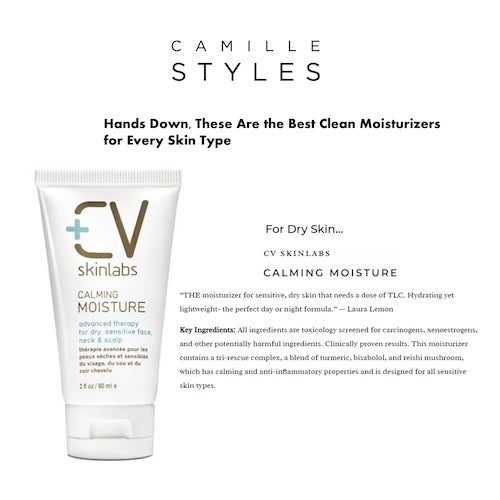
Look for fragrance-free products designed for sensitive skin, such as Calming Moisture and Body Repair Lotion. Both are designed to help protect the outer barrier while providing deep nourishing moisture.

Choose your skin care products wisely

Choose gentle, hypoallergenic products. Avoid soaps and cleansers with harsh chemicals, as they can strip your skin of its natural oils, further drying it out. Also avoid alcohol-based toners, as they are drying and can make your symptoms worse.

We recommend using Rescue + Relief Spray as a tonic and refresher at all times. It is cooling, soothing and hydrating and helps to keep the skin moist throughout the day. It also helps prepare the skin for moisturiser, balancing pH levels and taming inflammation.

Allergen control

To deal with increased allergens, keep your environment as allergen-free as possible. Clean your home regularly to reduce dust and mold. Use HEPA filters in your air purifiers and consider keeping windows closed during high pollen seasons. Wash bedding and pillowcases frequently in hot water to reduce dust mites. Use a humidifier in your bedroom if you live in a dry climate.

Stay cool and hydrated

Since heat and humidity can trigger eczema symptoms, stay cool and dry. Wear light, breathable fabrics such as cotton and avoid overheating. Stay hydrated by drinking plenty of water, which helps maintain your skin’s moisture balance.

Manage stress

Climate change can be a source of stress, and stress is a known trigger for eczema flare-ups. Find ways to manage stress through relaxation techniques such as deep breathing, meditation, yoga, journaling and meditation. Find activities that you enjoy and that help you de-stress every day.

Monitor your surroundings

If air pollution is a concern in your area, limit your time outside during periods of high pollution. Check local air quality reports and stay indoors on days when pollution levels are high. Using a high-quality indoor air purifier can also help reduce exposure to pollutants. Houseplants also help clean indoor air, as long as you keep them well cared for and prevent mold.

Have you noticed climate change affecting your eczema?

Featured image from the RDNE Stock project via Pexels.

affecting change Climate Eczema find Relief
bhanuprakash.cg
healthtost
  • Website

Related Posts

Your skincare routine is missing these essential steps

June 6, 2026

Find your perfect SPF match | Daily sun protection guide

June 5, 2026

Do hemorrhoids cause a tight anus? Hemorrhoid Pain, Sphincter Spasm and Relief Strategies – Vuvatech

June 3, 2026

Leave A Reply Cancel Reply

Don't Miss
Pregnancy

Is Mom Brain real? – Pink stork

By healthtostJune 7, 20260

04 June 2026 · By Amy Suzanne Upchurch, Founder + CEO of Pink Stork, Certified…

latest book review – The Fitnessista

June 6, 2026

Researchers are challenging the traditional understanding of how histone deacetylase inhibitors work

June 6, 2026

Your skincare routine is missing these essential steps

June 6, 2026
Stay In Touch
  • Facebook
  • Twitter
  • Pinterest
  • Instagram
  • YouTube
  • Vimeo
TAGS
Baby benefits body brain cancer care Day Diet disease exercise finds Fitness food Guide health healthy heart Improve Life Loss Men mental Natural Nutrition Patients People Pregnancy research reveals risk routine sex sexual Skin Skincare study Therapy Tips Top Training Treatment ways weight women Workout
About Us
About Us

Welcome to HealthTost, your trusted source for breaking health news, expert insights, and wellness inspiration. At HealthTost, we are committed to delivering accurate, timely, and empowering information to help you make informed decisions about your health and well-being.

Latest Articles

Is Mom Brain real? – Pink stork

June 7, 2026

latest book review – The Fitnessista

June 6, 2026

Researchers are challenging the traditional understanding of how histone deacetylase inhibitors work

June 6, 2026
New Comments
    Facebook X (Twitter) Instagram Pinterest
    • About Us
    • Contact Us
    • Privacy Policy
    • Terms and Conditions
    • Disclaimer
    © 2026 HealthTost. All Rights Reserved.

    Type above and press Enter to search. Press Esc to cancel.