

Close Menu
Healthtost
  • News
  • Mental Health
  • Men’s Health
  • Women’s Health
  • Skin Care
  • Sexual Health
  • Pregnancy
  • Nutrition
  • Fitness
  • Recommended Essentials
What's Hot

Can brain training prevent dementia? Long-term testing shows that speed training with boosters makes a difference

March 3, 2026

What is your skin’s pH and why is it important?

March 3, 2026

Kegels Wrong? The top mistakes pregnant women make

March 3, 2026
Facebook X (Twitter) Instagram
  • About Us
  • Contact Us
  • Privacy Policy
  • Terms and Conditions
  • Disclaimer
Facebook X (Twitter) Instagram
Healthtost
SUBSCRIBE
  • News

    Penn State study links family structure to lower ADHD symptoms

    March 3, 2026

    Scientists have proposed a new theory of brain development

    March 2, 2026

    Prediction of disease intensity through genomic risk

    March 2, 2026

    Continued NIH investment fuels TMJ pain research

    March 1, 2026

    NIH Grants Evaluation of Expanded Medicare Advantage Benefits

    March 1, 2026
  • Mental Health

    Is It Sadness or Depression? Understand it…

    March 1, 2026

    Teen anxiety linked to sugary drinks – new research

    February 28, 2026

    Self-Care Guided Journal For Moms

    February 26, 2026

    Forgiveness isn’t always easy, but studies show it can help you flourish

    February 24, 2026

    50 Inspirational Ways to Navigate Your Life by Susie Hall

    February 22, 2026
  • Men’s Health

    Can brain training prevent dementia? Long-term testing shows that speed training with boosters makes a difference

    March 3, 2026

    How to find the right deodorant for smelly armpits

    March 3, 2026

    The Case for Weightlifting Shoes

    March 2, 2026

    The Secret to Saving Humanity: What We Must Do Now

    March 2, 2026

    40 Minute Lower Body Workout: A leg muscle building session

    February 26, 2026
  • Women’s Health

    How to protect face from Holi colors safely

    March 3, 2026

    Jocelyn Elders: A Legacy Better Than the Title

    March 1, 2026

    10 Ways to Calm Your Cortisol and Get Your Energy Back as a Busy Woman

    February 27, 2026

    Is trauma therapy right for you? Signs that you may benefit from specialized care

    February 27, 2026

    The connection between mental health and heart health

    February 25, 2026
  • Skin Care

    What is your skin’s pH and why is it important?

    March 3, 2026

    6 Marketing Myths About Caffeine’s Skin Benefits

    March 3, 2026

    Polydioxanone (PDO) Histological Analysis Threads: Differentiating neocollagenesis from the fibrous foreign body response

    February 28, 2026

    The Pharmacist’s Guide to Reversing Cellular

    February 26, 2026

    Sudoku skin care device ⭐️

    February 26, 2026
  • Sexual Health

    The discussion of the Epstein files is mistaken for pedophilia and power

    March 2, 2026

    Survival strategies and health effects in forced displacement

    March 1, 2026

    How Intense Competition and Intimacy Tuning Are Elevating Modern TV Romance — Alliance for Sexual Health

    February 28, 2026

    New type of Mpox diagnosed in England

    February 25, 2026

    Jesse Jackson opened the doors for black women in politics

    February 22, 2026
  • Pregnancy

    Kegels Wrong? The top mistakes pregnant women make

    March 3, 2026

    Endy Mattress Review: An Honest Look After 4 Months

    March 1, 2026

    Does bed rest prevent premature labor? New research says no

    March 1, 2026

    Is cervical cancer curable if caught early? Know the Facts

    February 27, 2026

    Management of abdominal problems during pregnancy

    February 26, 2026
  • Nutrition

    How to support your hormones, gut health and metabolism the right way

    March 3, 2026

    How the microbiome drives symptoms

    March 2, 2026

    Because cutting back on sugar actually makes you crave it more

    March 1, 2026

    5-ingredient skillet dinner recipe

    February 26, 2026

    Slow Cooker Gochujang Chicken Sandwich (Mild and Family Friendly)

    February 26, 2026
  • Fitness

    200: Autoimmune Healing, Nervous System Safety, and the Biggest Mistakes I Made on My Health Journey

    March 1, 2026

    10 Powerful Emotional Benefits of Weight Training

    February 28, 2026

    7 simple strength exercises that protect your back and improve balance after 40

    February 28, 2026

    Inside the OPEX Method Week 5: Anaerobic training, “pain” and when it really makes sense

    February 26, 2026

    Exercise, prevention and modern therapy for healthy circulation

    February 26, 2026
  • Recommended Essentials
Healthtost
Home»News»Discovery of antibiotic lolamicin that targets deadly bacteria without harming the gut microbiome
News

Discovery of antibiotic lolamicin that targets deadly bacteria without harming the gut microbiome

healthtostBy healthtostJune 4, 2024No Comments5 Mins Read
Facebook Twitter Pinterest LinkedIn Tumblr Reddit WhatsApp Email
Discovery Of Antibiotic Lolamicin That Targets Deadly Bacteria Without Harming
Share
Facebook Twitter LinkedIn Pinterest WhatsApp Email

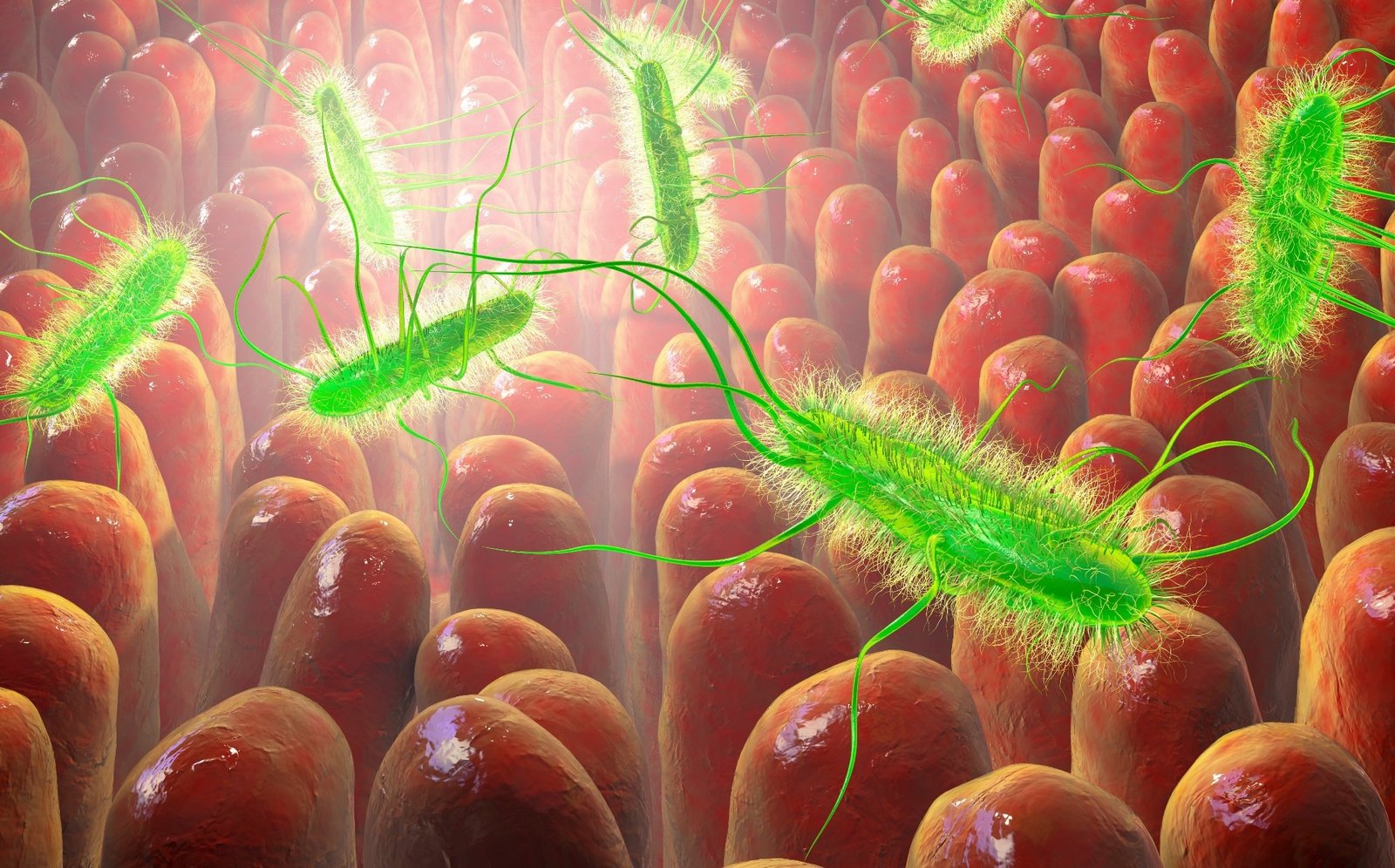
In a recent study published in the journal Nature, Researchers in the United States of America designed and discovered lolamycin, a selective antibiotic that targets the lipoprotein transport system in Gram-negative bacteria. They found that lolamycin was effective against multidrug-resistant Gram-negative pathogens, showed efficacy in mouse models of infection, spared the gut microbiome, and prevented secondary infections.

Study: A Gram-negative-selective antibiotic that protects the gut microbiome. Image Credit: Katerina Kon / Shutterstock

Record

Antibiotic treatment can disrupt the gut microbiome, leading to increased susceptibility to pathogens such as C. difficile and higher risks of gastrointestinal, kidney, and blood problems. Most antibiotics, whether gram-positive only or broad-spectrum, damage the intestinal organs and cause dysbiosis. The impact of Gram-negative-only antibiotics on the microbiome is unclear due to the rarity of such compounds. Their discovery was challenging because most antibiotic targets are shared by both Gram-positive and Gram-negative bacteria. Since the gut microbiome contains many Gram-negative bacteria, indiscriminate Gram-negative antibiotics such as colistin can cause significant dysbiosis, limiting their use.

Despite the growing need for new Gram-negative antibacterial agents due to resistant infections, no new class has been approved by the Food and Drug Administration (FDA) for more than 50 years. The discovery is complicated by the complex membrane structures and efflux pumps of Gram-negative bacteria. Development of a microbiome-sparing Gram-negative-only antibiotic requires targeting a key protein exclusive to Gram-negative bacteria, with significant homology differences between pathogenic and commensal bacteria. In the present study, the researchers designed and reported a single Gram-negative antibiotic called “lolamycin”, which targets the Lol lipoprotein transport system in the periplasm, which is crucial for various Gram-negative pathogens.

About the study

In the present study, LolCDE, a key component of the Lol system in Gram-negative bacteria, was targeted. Potential inhibitors of the system were screened, synthesized and evaluated. The efficacy of lolamycin was evaluated against multiresistant clinical isolates of it E. coli, K. pneumoniae, and E. cloacae. Susceptibility studies were performed with lolamycin and other compounds.

Lolamycin-resistant mutants were developed and compared for fitness. The bactericidal effects of lolamycin were examined using growth-time-kill curves. Confocal microscopy was used to observe phenotypic changes in the target bacteria. Molecular modeling and dynamics simulations, ensemble docking and cluster analysis were used to investigate the binding sites and inhibition mechanism of lolamycin.

Further, mice were treated with pyridinepyrazole (compound 1) and lolamycin intraperitoneally for three days. Pharmacokinetic studies were performed to assess the bioavailability of lolamycin. Infection models were used to compare the efficacy of lolamycin and compound 1 in the treatment of pneumonia and sepsis, with lolamycin also administered orally. Mice microbiomes were analyzed using their stool samples via 16S ribosomal ribonucleic acid (RNA) sequencing. Additionally, antibiotic-treated mice were challenged with C. difficile to assess their ability to clear the pathogen spontaneously.

Results and discussion

Lolamycin, an inhibitor of the LolCDE complex, showed potent activity against specific Gram-negative pathogens with low accumulation in E. coli. Lolamycin showed selectivity, avoiding both Gram-positive and Gram-negative commensal bacteria. It showed minimal toxicity to mammalian cells and remained effective in the presence of human serum. Lolamycin showed potent activity against multiresistant clinical isolates of E. coli, K. pneumoniae, and E. cloacae. Lolamycin outperformed the other compounds, showing a narrow minimum inhibitory concentration range and efficacy against multidrug-resistant strains.

Sequencing of lolCDE in resistant strains revealed no mutations associated with lolamycin resistance, underscoring its potential as a promising antibiotic candidate. Lolamycin showed lower frequencies of resistance among strains. LolC and LolE proteins were identified as targets, with specific mutations associated with resistance. Lolamycin showed bactericidal or bacteriostatic effects against the tested bacteria. Swelling was observed in cells treated with lolamycin, indicative of dysfunctional lipoprotein trafficking. Lolamycin-resistant mutants showed altered phenotypic responses to treatment, supporting the involvement of LolC and LolE.

Lolamycin was found to disrupt lipoprotein trafficking by competitively inhibiting binding to the BS1 and BS2 sites. Hydrophobic interactions were found to primarily drive the binding of lolamycin, explaining the reduced efficacy of compounds with primary amines. Resistance mutations were found to affect the binding affinity of lolamycin, highlighting their role in destabilizing the binding pockets. Lolamycin demonstrated superior efficacy to compound 1 in reducing bacterial load and improving survival rates in infection models involving multidrug-resistant bacteria such as E. coli AR0349, K. pneumoniaeand E. cloacae.

Oral administration of lolamycin showed significant bioavailability and efficacy, reducing bacterial load and increasing survival rates in mice infected with colistin-resistant E. coli. Lolamycin showed minimal effect on gut microbiota with consistent richness and diversity compared to amoxicillin and clindamycin. Lolamycin-treated and vehicle control mice showed minimal C. difficile colonization. In contrast, mice treated with amoxicillin or clindamycin showed an inability to clear C. difficilewith high colonization throughout the experiment.

conclusion

In conclusion, this new study identifies lolamycin as a pathogen-specific antibiotic that holds promise for minimizing damage to the gut microbiome and potentially preventing secondary infections. Further research and human studies are needed to confirm the drug’s clinical application. In the future, lolamycin’s effect on maintaining the microbiome could provide significant advantages over current broad-spectrum antibiotics in clinical practice, enhancing patient outcomes and overall health.

What if there was an antibiotic that didn’t disrupt the gut microbiome?
It exists now.
A discovery has been published @Nature today @PaulHergie and colleagues @UofIllinois @justsaysinmice pic.twitter.com/ONEFWYHEJL

— Eric Topol (@EricTopol) May 29, 2024

Antibiotic bacteria deadly Discovery gut harming lolamicin microbiome targets
bhanuprakash.cg
healthtost
  • Website

Related Posts

How to support your hormones, gut health and metabolism the right way

March 3, 2026

Penn State study links family structure to lower ADHD symptoms

March 3, 2026

Scientists have proposed a new theory of brain development

March 2, 2026

Leave A Reply Cancel Reply

Don't Miss
Men's Health

Can brain training prevent dementia? Long-term testing shows that speed training with boosters makes a difference

By healthtostMarch 3, 20260

A 20-year landmark analysis of the ACTIVE trial suggests that targeted, speed-based enhanced cognitive training…

What is your skin’s pH and why is it important?

March 3, 2026

Kegels Wrong? The top mistakes pregnant women make

March 3, 2026

How to support your hormones, gut health and metabolism the right way

March 3, 2026
Stay In Touch
  • Facebook
  • Twitter
  • Pinterest
  • Instagram
  • YouTube
  • Vimeo
TAGS
Baby benefits body brain cancer care Day Diet disease exercise finds Fitness food Guide health healthy heart Improve Life Loss Men mental Natural Nutrition Patients People Pregnancy protein research reveals risk routine sex sexual Skin study Therapy Tips Top Training Treatment ways weight women Workout
About Us
About Us

Welcome to HealthTost, your trusted source for breaking health news, expert insights, and wellness inspiration. At HealthTost, we are committed to delivering accurate, timely, and empowering information to help you make informed decisions about your health and well-being.

Latest Articles

Can brain training prevent dementia? Long-term testing shows that speed training with boosters makes a difference

March 3, 2026

What is your skin’s pH and why is it important?

March 3, 2026

Kegels Wrong? The top mistakes pregnant women make

March 3, 2026
New Comments
    Facebook X (Twitter) Instagram Pinterest
    • About Us
    • Contact Us
    • Privacy Policy
    • Terms and Conditions
    • Disclaimer
    © 2026 HealthTost. All Rights Reserved.

    Type above and press Enter to search. Press Esc to cancel.